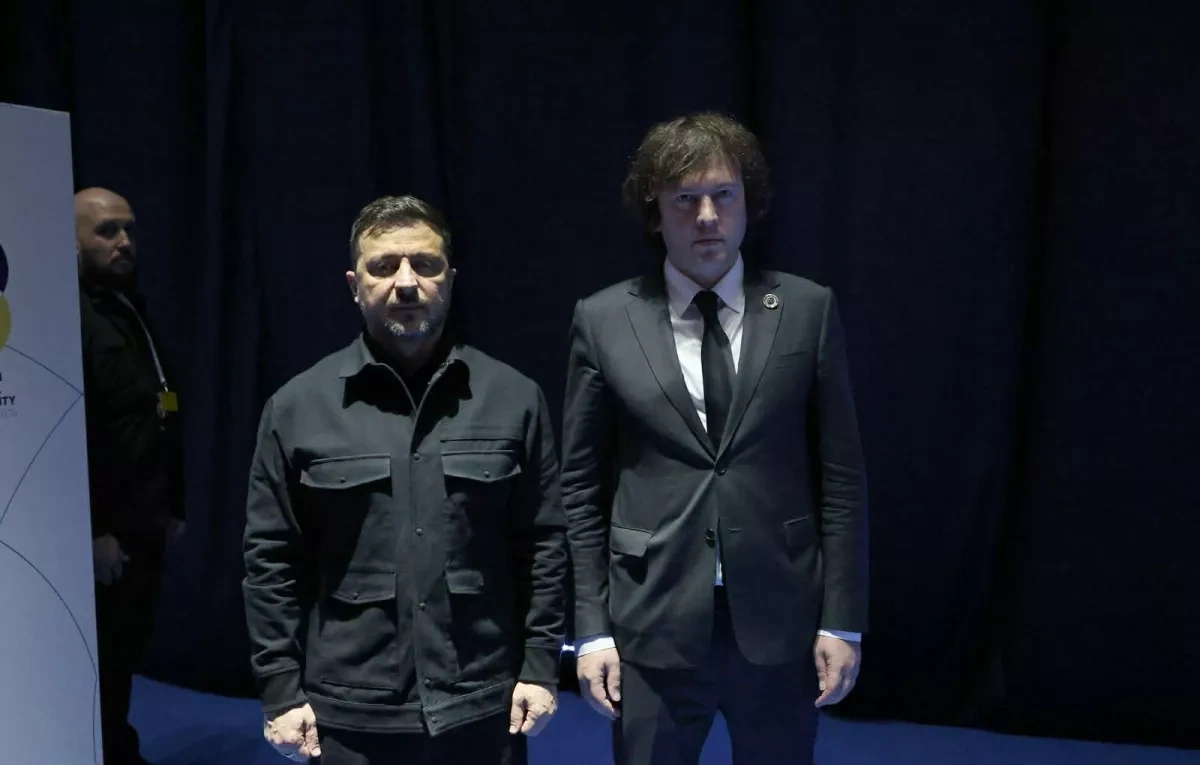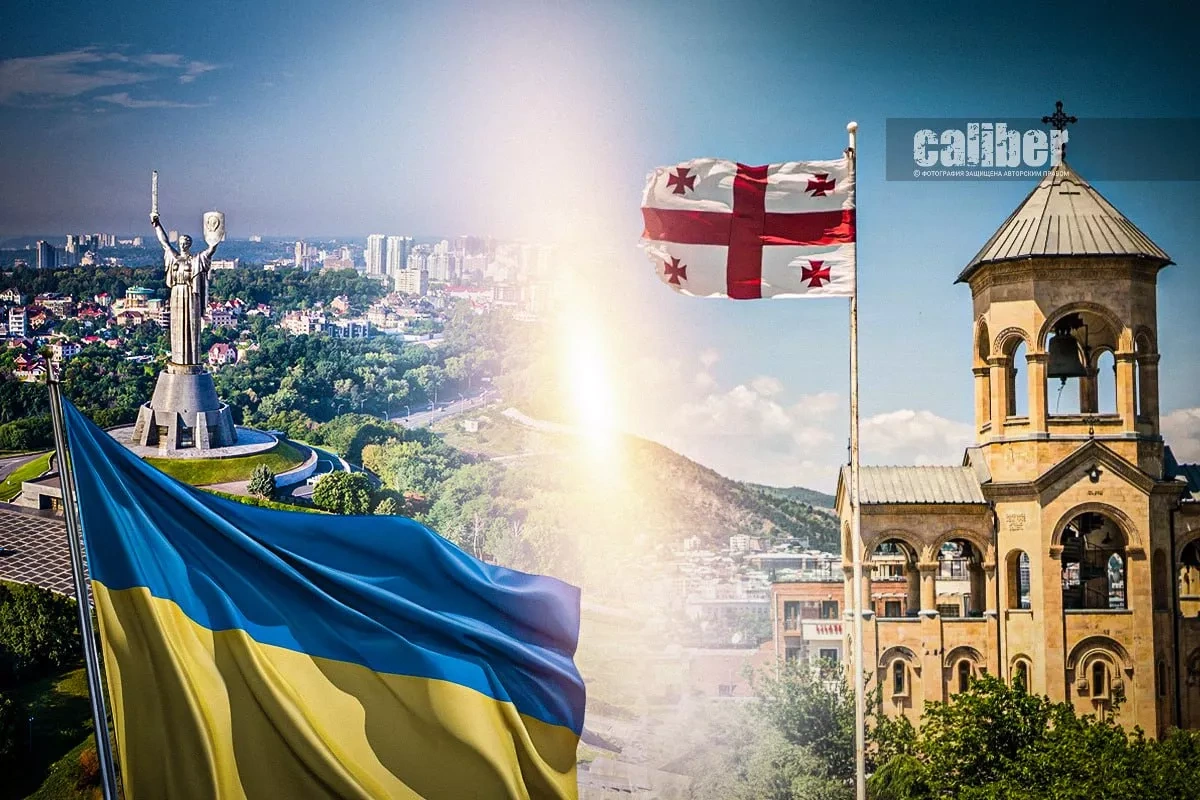
A clear trend towards the normalisation of relations between Ukraine and Georgia has emerged. On 4 May 2026, Ukrainian President Volodymyr Zelenskyy, on the sidelines of the European Political Community summit in Yerevan, held his first meeting with Georgian Prime Minister Irakli Kobakhidze.
“There are indeed unresolved issues between our states. It is important to have dialogue at all levels. Ukraine has always respected and continues to respect Georgia, its sovereignty, and its people. We will continue our cooperation going forward,” Volodymyr Zelenskyy noted.
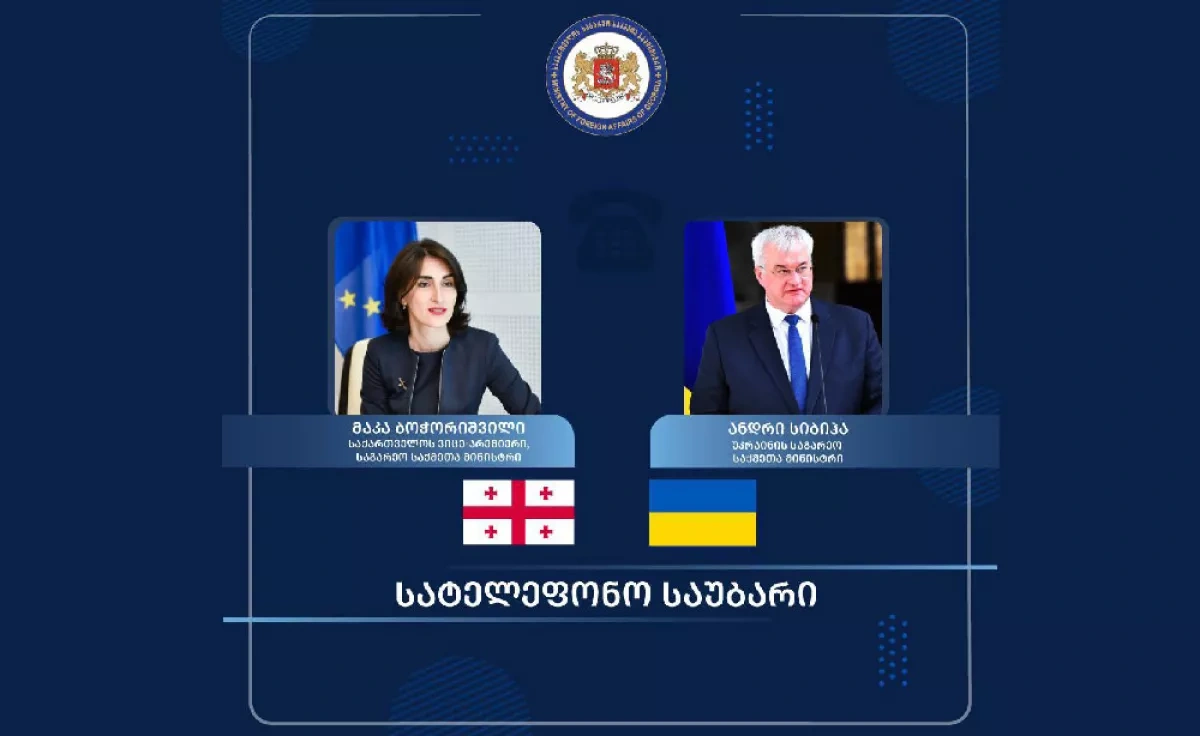
In addition, Ukrainian Foreign Minister Andrii Sybiha held a telephone conversation with Georgian Foreign Minister Maka Botchorishvili, during which they discussed bilateral relations. The foreign ministers of Ukraine and Georgia noted the constructive dialogue between the countries and expressed mutual interest in normalising Ukrainian-Georgian relations.
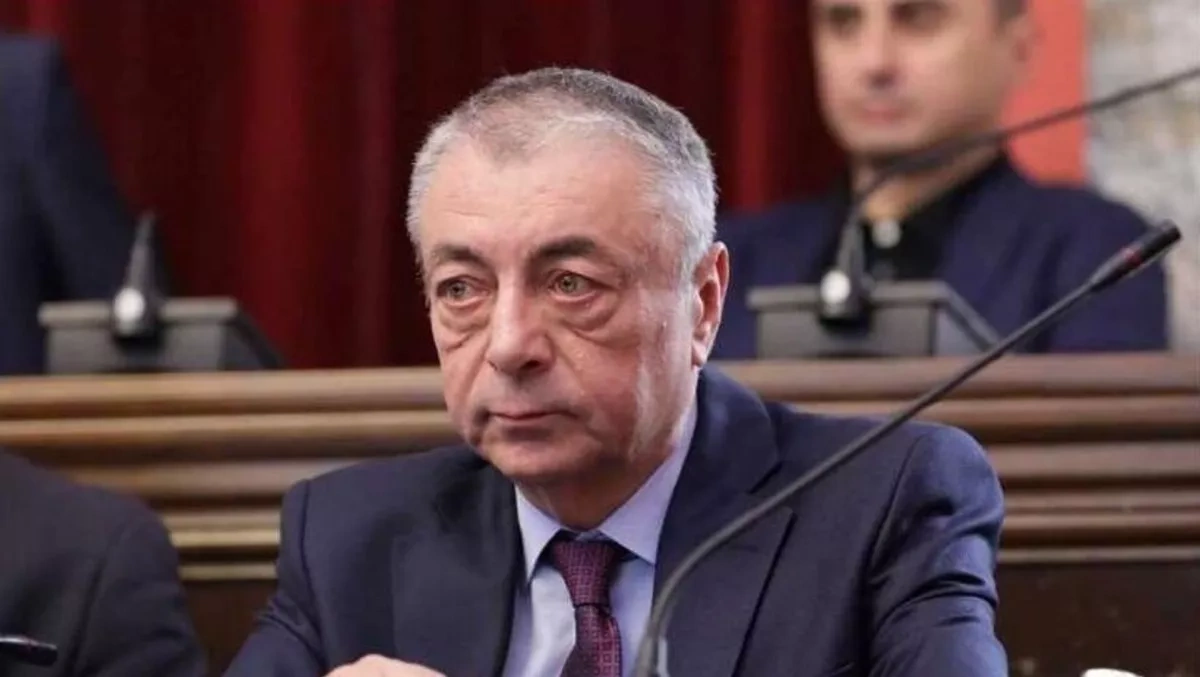
According to Tengiz Sharmanashvili, a member of the Georgian Parliament from the Georgian Dream party, Ukraine has made many mistakes in its relations with Georgia. However, he expressed hope that Kyiv would adopt a pragmatic course of cooperation with the current Georgian government.
“They have come to realise that changing the government in Georgia through violent means is impossible, and that the people they support here simply lack the resources to do so. I think they have acknowledged this reality,” said Tengiz Sharmanashvili.
Today, there are objective economic prerequisites for the normalisation of Ukrainian-Georgian relations. Ukraine is interested in gaining access to the Middle Corridor passing through Georgia in order to develop ties with Azerbaijan and the countries of Central Asia. This is especially relevant as, in the current geopolitical environment, the international importance of transit through Georgia has sharply increased, while the emergence of a “second front” on Georgian territory could lead to a logistical collapse across Eurasia, ultimately creating problems for Ukraine as well.
It is also worth recalling the Odesa–Brody oil pipeline running through Ukrainian territory. Even at the stage of its construction, it was seen as one of the potential routes for supplying oil from the Caspian basin via Georgia and the Black Sea to Europe, and it could once again be utilised after a “freeze” in the Russian–Ukrainian war.
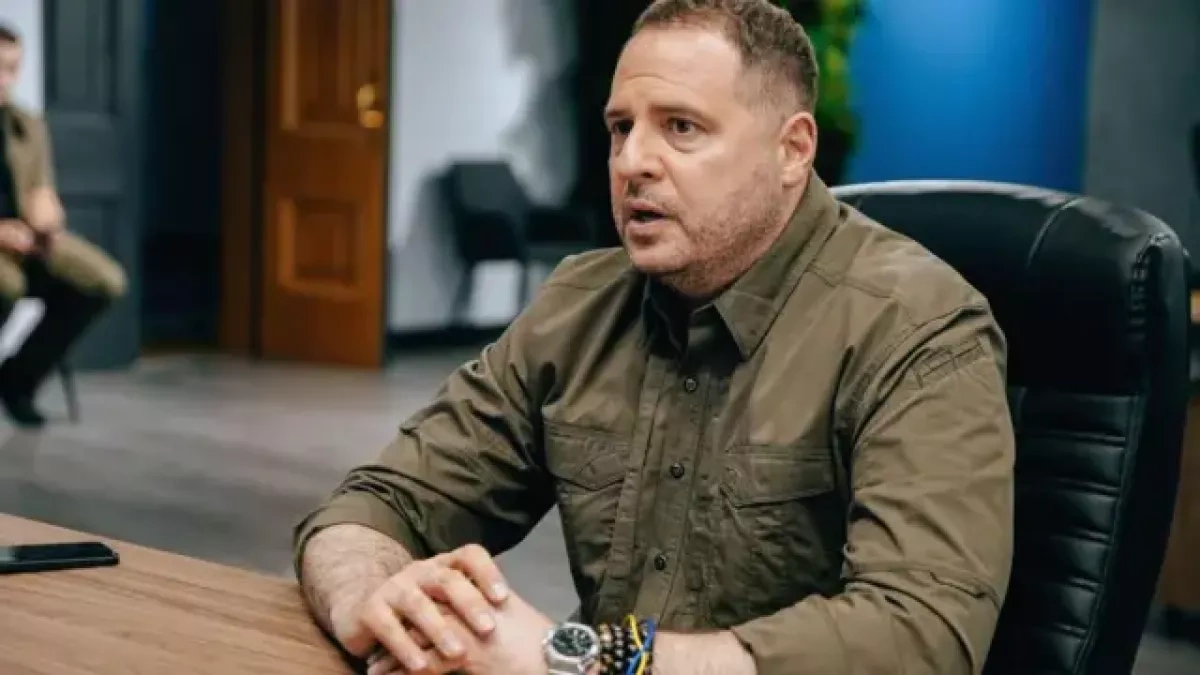
The “warming” of relations between Kyiv and Tbilisi was preceded by certain changes within Ukraine’s political leadership. It should be recalled that one of the most vocal opponents of the ruling Georgian Dream party in Georgia was the former Head of the Office of the President of Ukraine, Andriy Yermak. He repeatedly made sharp statements against the Georgian authorities, which were readily cited by Western media and the Georgian pro-Western opposition, even though foreign policy issues did not formally fall within his remit.
Thus, on the eve of Georgia’s crucial parliamentary elections in October 2024, Andriy Yermak, clearly aligning himself with the pro-Western opposition, stated that Kyiv expected the official Georgian authorities to “condemn Russian aggression.” He accused the Georgian leadership of refusing to impose sanctions on Russia and of allowing a large number of Russian migrants into the country. In addition, the Head of the Ukrainian Presidential Office effectively pushed Georgia towards opening a “second front” against Russia.
“You also have occupied territories. They will not be liberated on their own; you need to take care of it,” Andriy Yermak stressed at the time.
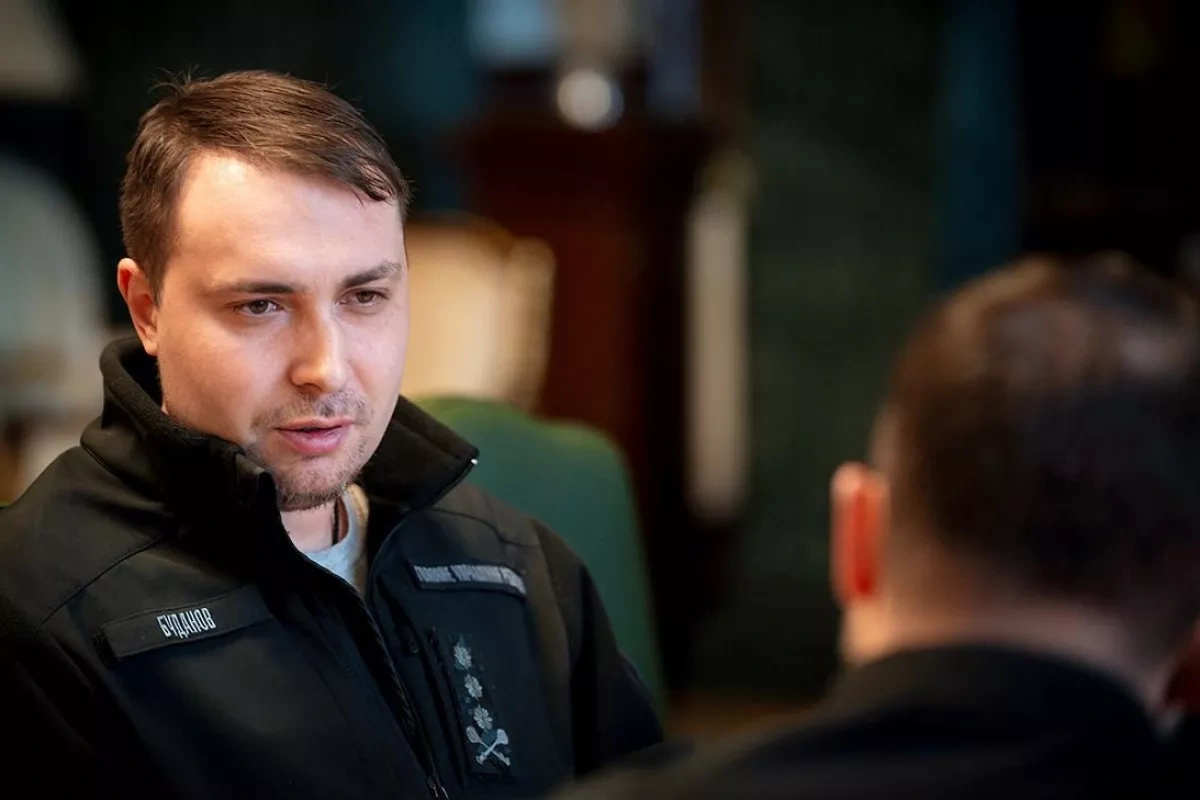
At the end of 2025, Andriy Yermak was dismissed, and from January 2026, his position was taken by Kyrylo Budanov, who had previously headed Ukrainian military intelligence. Budanov did not make sharp statements against the Georgian authorities, although in August 2025, he spoke negatively about the so-called “Georgian scenario” for Ukraine — namely, the development of trade and economic relations with Russia despite the occupation of territories.
After Kyrylo Budanov took over the Office of the President of Ukraine in early January 2026, Ukraine appointed its first ambassador to Georgia in nearly four years on January 26, 2026. From around that time, criticism of the Georgian authorities from official Kyiv virtually disappeared, although attacks on Tbilisi from Brussels continued.
To understand why Ukraine is moving towards normalising relations with Georgia without paying much attention to the EU, which continues its demarches against the Georgian authorities, it is necessary to take into account the objective process of Ukraine’s growing international agency. More than four years of war with Russia (or more than twelve years, if one counts the start of the interstate conflict from the annexation of Crimea) have not passed without consequence.
At the cost of enormous sacrifices and losses, Ukraine has gained the chance to become a full-fledged actor in international politics, capable of pursuing its own geopolitical game. The only question is whether it will be able to make use of this opportunity.
A historical parallel already exists — Japan. Prior to its military confrontation with the Russian Empire, it was not perceived as a potential great power or regional hegemon. Moreover, despite its evident economic progress and societal modernisation, Japan was viewed as a likely future colony or semi-colony of European powers, as were most Asian countries at the time.
The fact that in 1904–1905 Japan was able not only to stand on equal footing with the Russian Empire, but also to achieve victory, was significantly influenced by Great Britain. However, it would still be incorrect to describe the Japanese as “puppets,” in the same way that Kremlin propaganda today portrays the Ukrainian authorities as being entirely dependent on external forces.
Having gained geopolitical agency after its victory over Russia, Japan subsequently only strengthened it. By the 1930s, it had become a dominant force in East Asia, and during the Second World War it was even able to challenge its former “benefactors.”
It is not yet possible to expect a similar trajectory from Ukraine, especially since it has neither won the war with Russia nor achieved a politically acceptable ceasefire. Nevertheless, Kyiv may seek greater autonomy in pursuing its own geopolitical interests, which do not always coincide with those of its “European allies.”
This is all the more relevant given that, over time, the perception has become increasingly evident that some European partners view Ukraine as a form of “expendable material” in the geopolitical confrontation with Russia — a reality that is now hardly concealed.
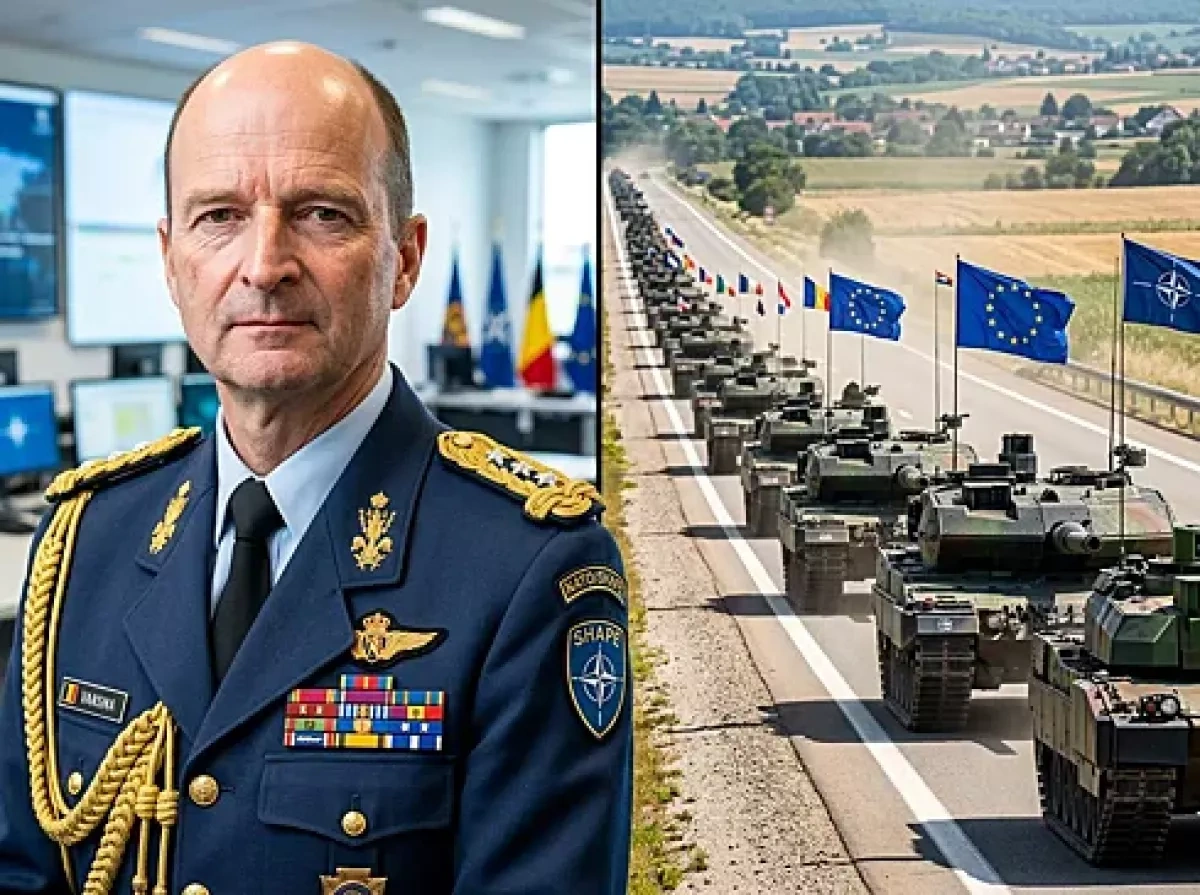
In April 2026, the Chief of the Belgian Defence Staff, General Frederik Vansina, stated that Europe intends to prepare for a possible military confrontation with Russia without US participation by 2030, while until then it relies on Ukrainians who are holding back the Russian army at the cost of their own losses.
“We still have a few years thanks to the blood of Ukrainians, who are buying us this time,” Vansina said in an interview with Le Soir.
It is unlikely that pragmatically minded politicians in Ukraine feel much enthusiasm about the role assigned to their country as one that continues to “die for Europe.” Against this backdrop, the pragmatism of the Georgian authorities, who are unwilling to see their country face a similar fate, is beginning to find increasing understanding in Kyiv. The same applies to the pragmatic approach of other states that maintain trade relations with Russia despite political disagreements.
By Vladimir Tskhvediani, Georgia, exclusively for Caliber.Az