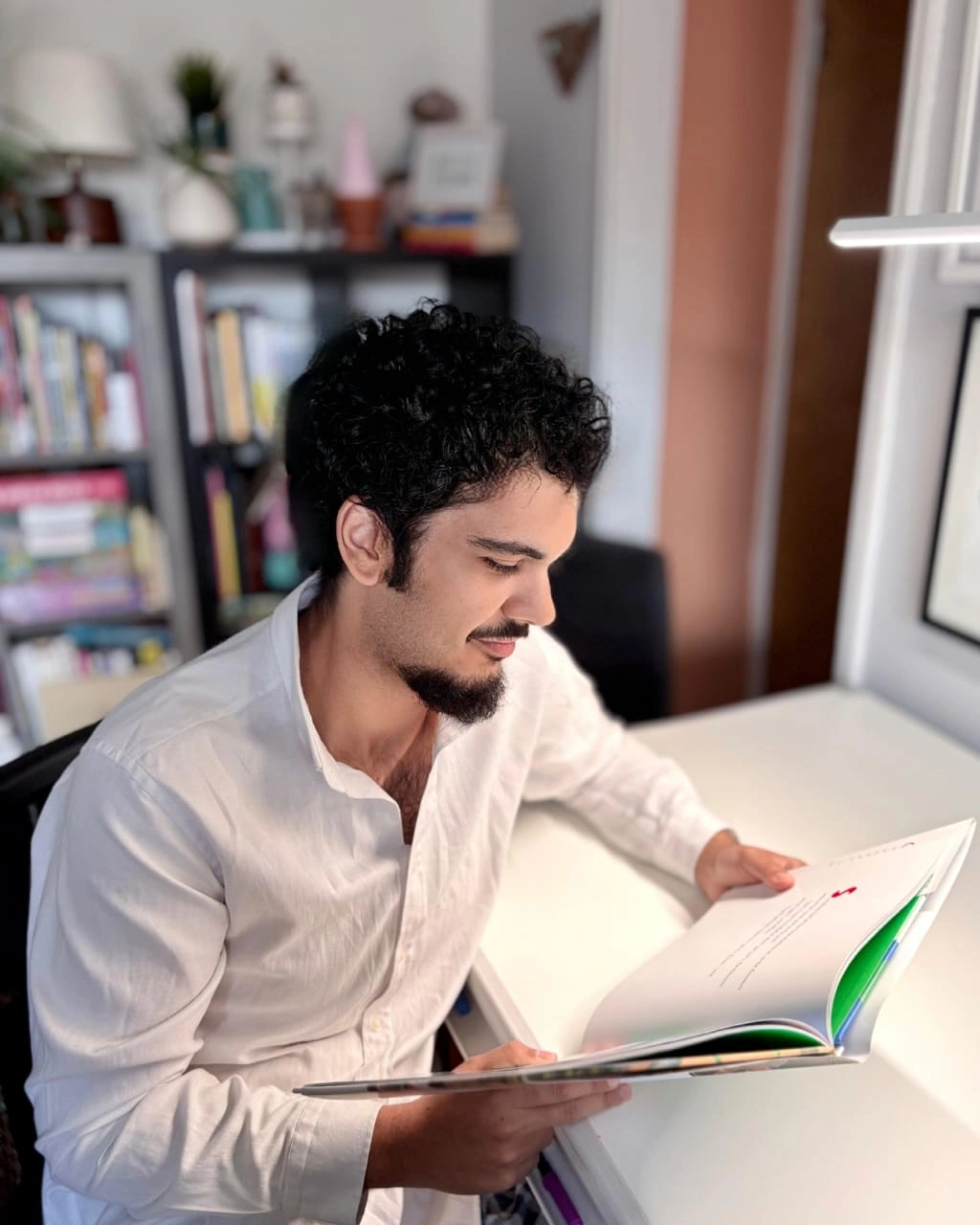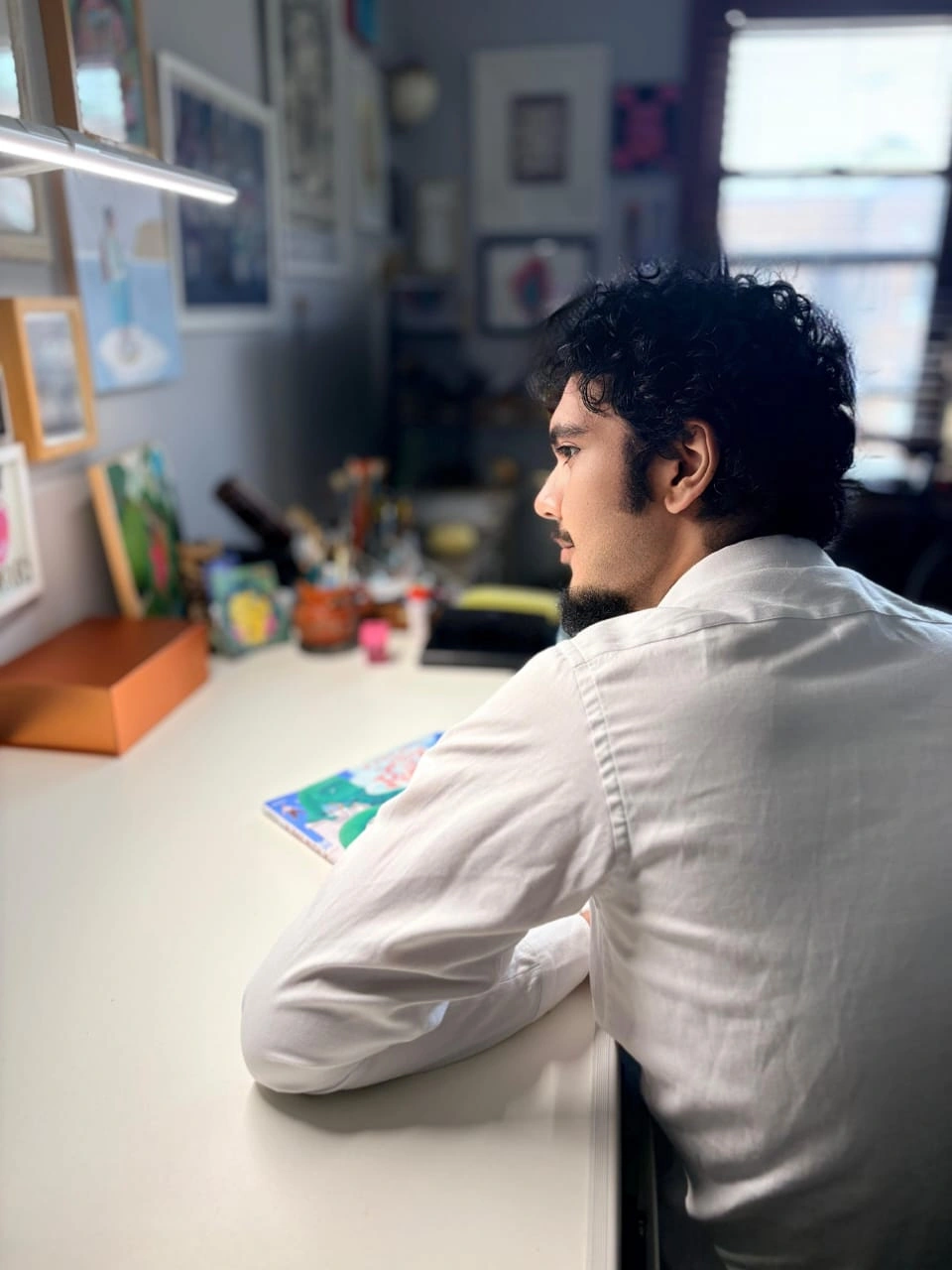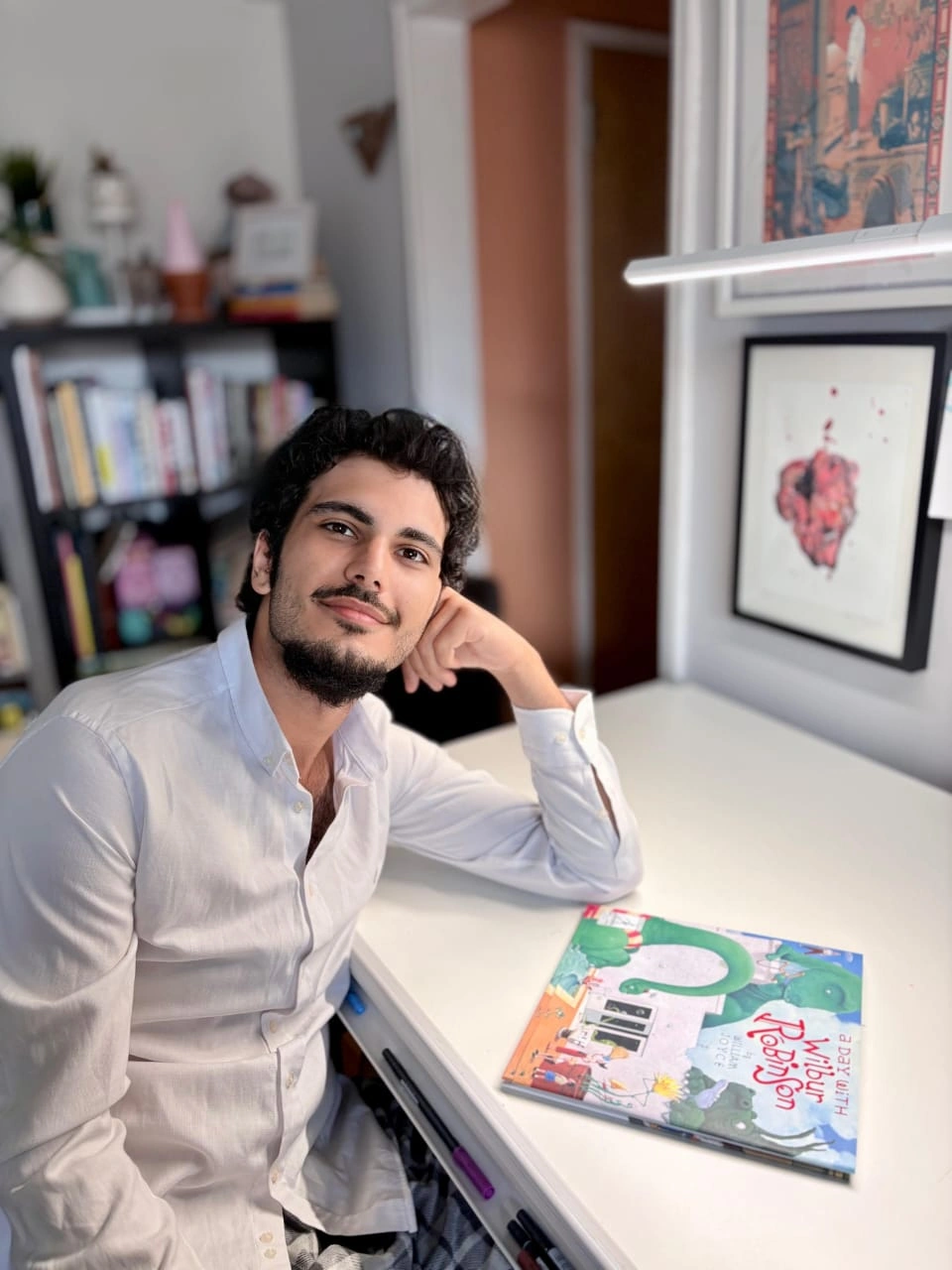
BAKU, Azerbaijan, May 12. Azerbaijani artist
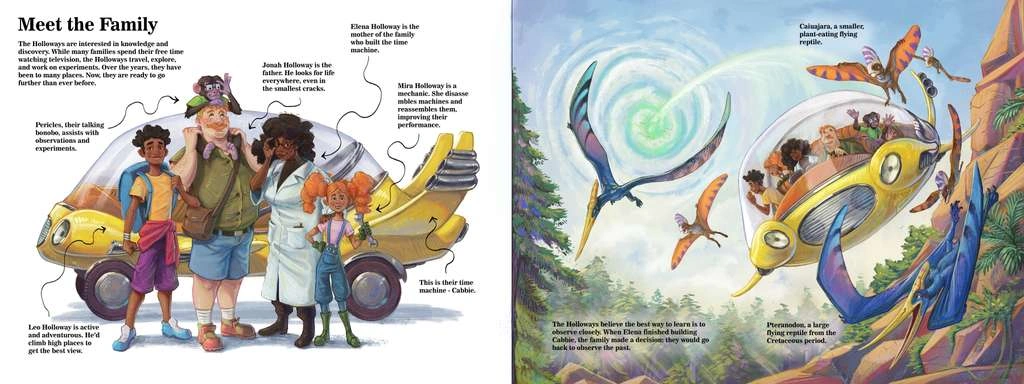
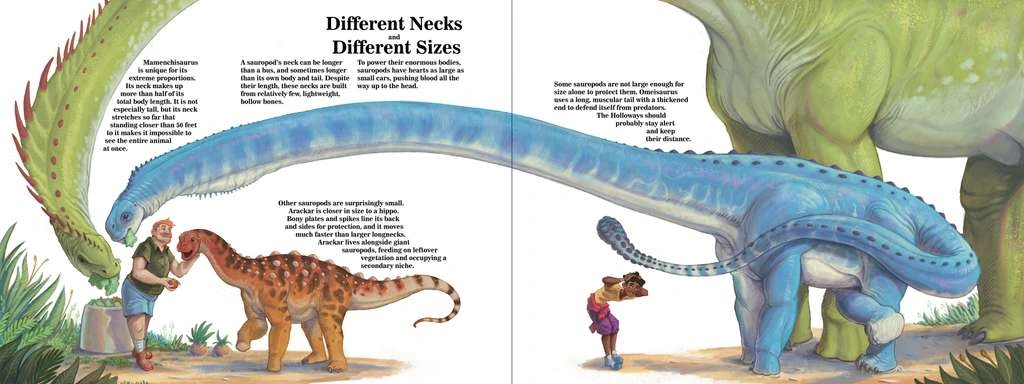
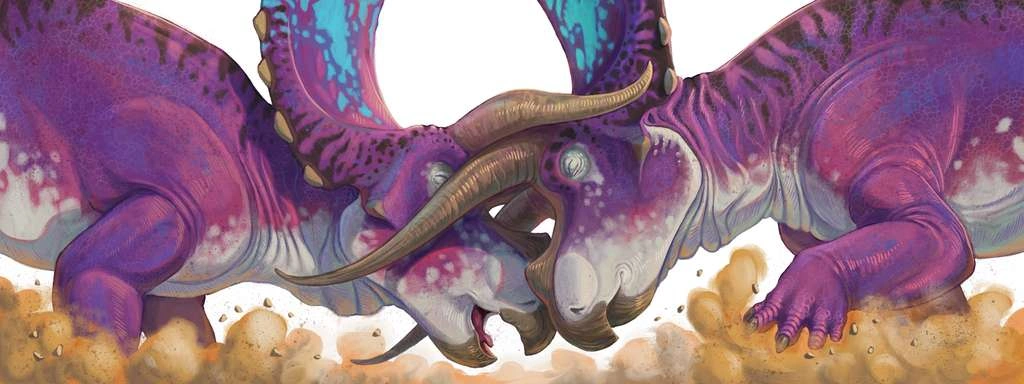
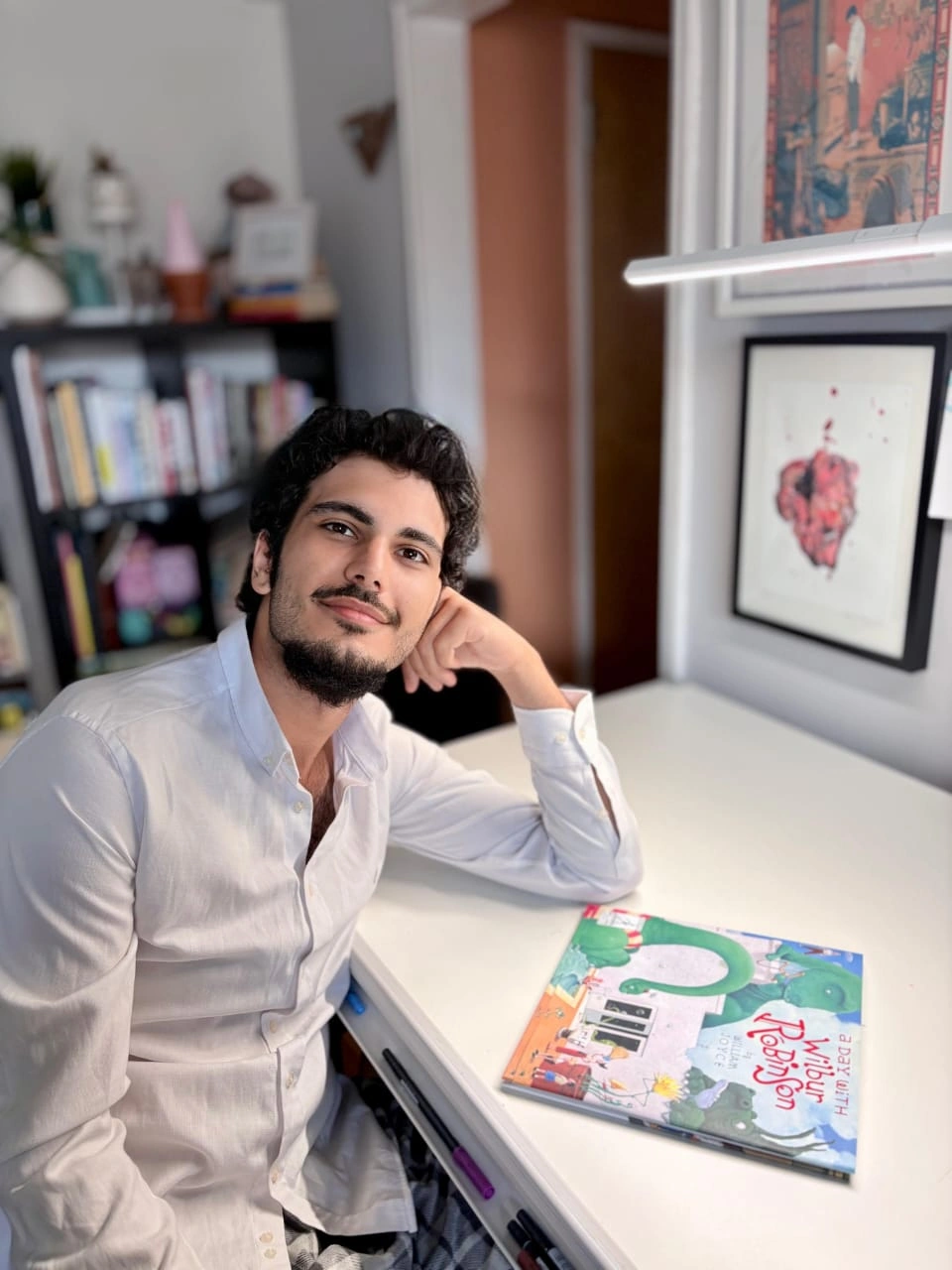
Rustam Guliyev, based in New York, is currently working on a
children’s book about dinosaurs, combining illustration, science,
and original world-building. Today, illustration plays an important
role in making complex subjects - from biology to anatomy -
accessible and engaging for young audiences. There is also growing
interest in original fictional universes, where artists create
their own worlds and continue developing them beyond a single book.
Guliyev’s project reflects this contemporary approach, transforming
science into immersive visual storytelling for children.
Rustam Guliyev was born in Baku. He is a graduate of Bilkent
University and the Fashion Institute of Technology. He has
participated in international projects and is the author of the
books "The Ark of Oominor: A Traveler’s Handbook to Another Earth"
and "Pauls-Lawls – The World Is Not for People".
In an era when much contemporary fantasy illustration relies
heavily on nostalgia and medieval imagery, New York–based
illustrator and worldbuilder Rustam Guliyev has developed a
strikingly different approach. Rather than treating fantasy as
escapism detached from reality, Guliyev constructs speculative
worlds through the lens of biology, anthropology, migration, and
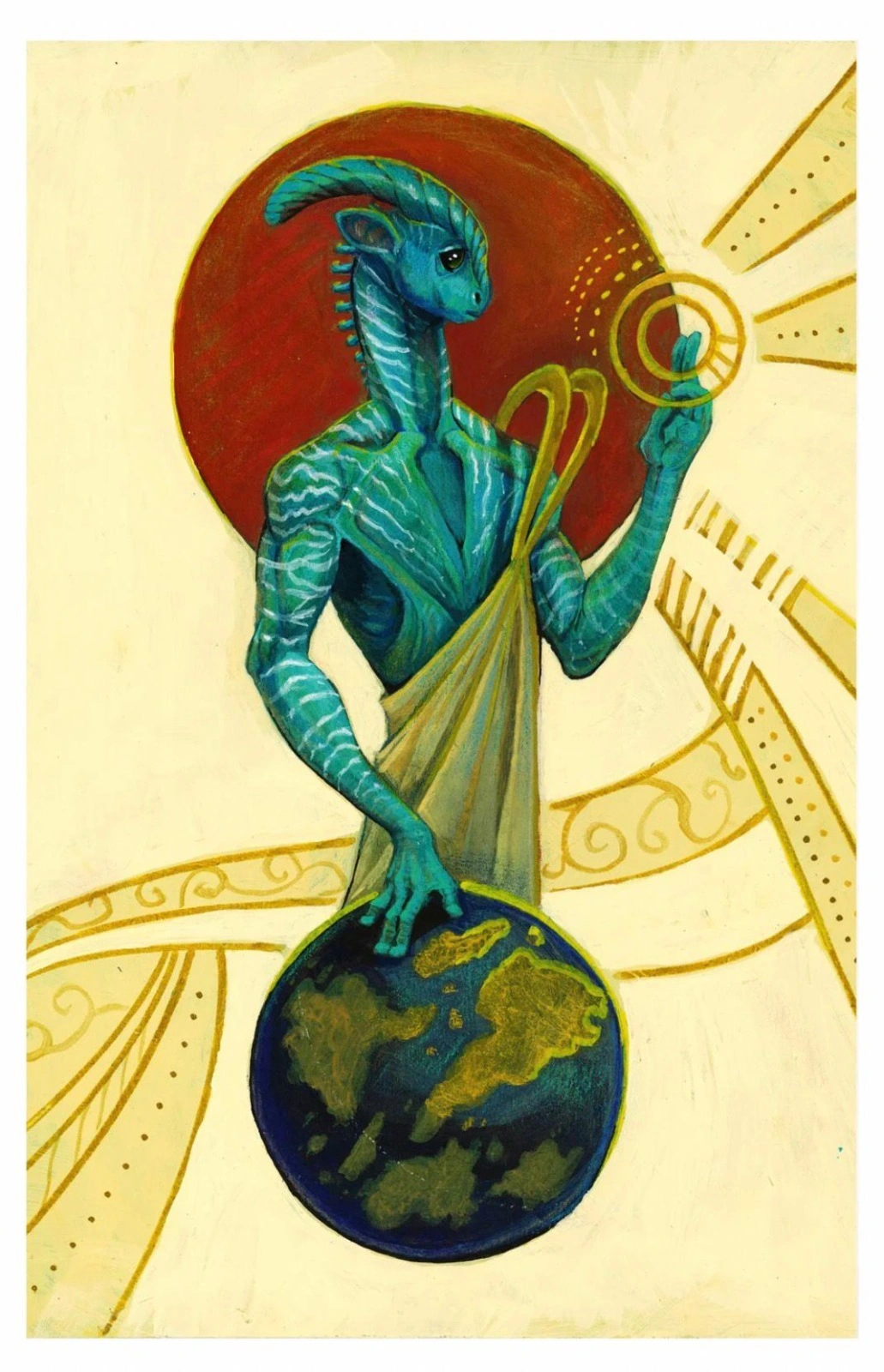
environmental storytelling. His long-running multimedia project
The Ark of Oominor: A Traveler’s Handbook to Another Earth
demonstrates an unusually ambitious commitment to scientific
plausibility within imaginative fiction, positioning his work
somewhere between speculative design, visual ethnography, and
narrative illustration.
What distinguishes Guliyev from many fantasy artists is the
sheer depth of his worldbuilding. His art is not simply a setting
populated by invented creatures, but a fully developed ecosystem
with its own evolutionary history, political tensions,
architectural traditions, religions, climates, and social systems.
Drawing from his lifelong fascination with biology and anatomy,
Guliyev approaches creature design with the discipline of a
naturalist rather than a purely decorative illustrator. Many of his
species are constructed around believable ecological adaptations,
anatomical limitations, and behavioral patterns rarely explored in
contemporary fantasy art. This scientific grounding gives his work
an uncommon sense of realism, even when depicting highly surreal or
otherworldly lifeforms.
At the same time, Guliyev’s work extends beyond creature design
into broader cultural and emotional territory. Themes of
immigration, identity, displacement, and coexistence appear
repeatedly throughout his projects. These themes are not presented
abstractly, but woven directly into the visual language of the
world itself: architecture reflects colonial history, species
relations mirror real social tensions, and even fashion and
technology evolve according to cultural exchange. This attention to
sociological detail places Guliyev’s work closer to speculative
anthropology than traditional fantasy illustration, distinguishing
him from peers whose worlds often prioritize aesthetics over
internal coherence.
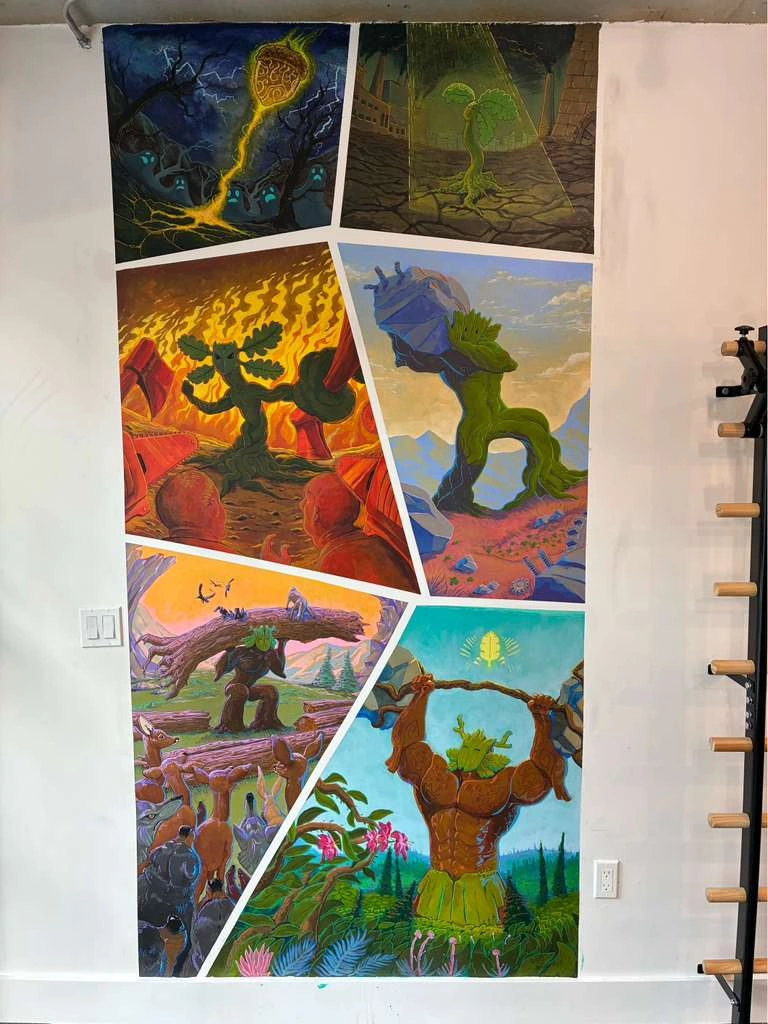
Guliyev’s artistic interests also move fluidly between
publishing, exhibition work, and education. In addition to his
fantasy projects, he has developed children’s book concepts
centered around multicultural identity and collaborative
storytelling through the MY WAY Child & Youth Development Center in
Brooklyn. These projects explore cultural memory, immigration, and
childhood through a combination of professional illustration and
artwork created alongside children from diverse backgrounds. Unlike
many illustrators working solely within commercial entertainment
spaces, Guliyev demonstrates a willingness to bridge speculative
art with community engagement and educational initiatives.
His professional practice similarly reflects a broad
interdisciplinary range. Over the years, Guliyev has worked across
publishing, concept design, gallery exhibitions, branding, and
visual development, while continuing to expand Oominor into a
larger transmedia universe involving books, animation concepts, and
exhibition installations. His work has been featured in gallery
settings and collaborative projects in both the United States and
Azerbaijan, further contributing to his international profile.
Guliyev’s work displays a level of conceptual ambition more
commonly associated with large studio productions than individual
independent artists. The scale and internal consistency of creature
design, combined with his biologically informed design philosophy
and multicultural themes, suggest an artist attempting to push
fantasy illustration beyond conventional genre boundaries. In doing
so, Rustam Guliyev represents a generation of illustrators
interested not merely in inventing imaginary worlds, but in
examining how worlds themselves are built, inhabited, and
understood.