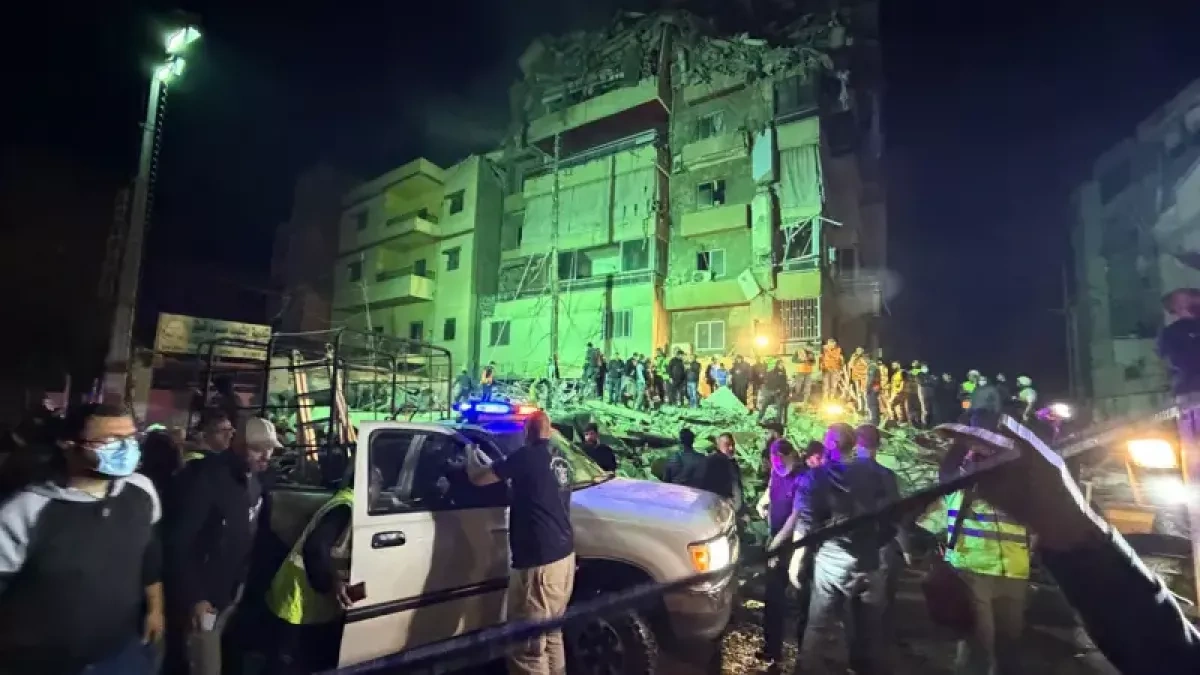
Israel has, for the first time since the ceasefire agreement in the war with the Lebanese group Hezbollah, carried out a strike on Beirut. The airstrike hit the southern suburbs of the capital, known as the Dahiyeh district, where the organisation’s command centres are located.
In the published footage, fires can be seen along with at least one heavily damaged building.
According to Prime Minister Benjamin Netanyahu and Defence Minister Israel Katz, the target of the operation was a commander of Hezbollah’s Radwan unit. The Israeli side states that this unit is involved in shelling Israeli settlements and attacks on military personnel.
At the end of April, the Israeli prime minister stated that he had ordered a “powerful strike” on Hezbollah targets, accusing the group of violating the ceasefire regime. This is the first strike on Beirut in the past month. The previous Israeli attack was recorded on April 8. On April 16, the sides agreed on a temporary ceasefire.
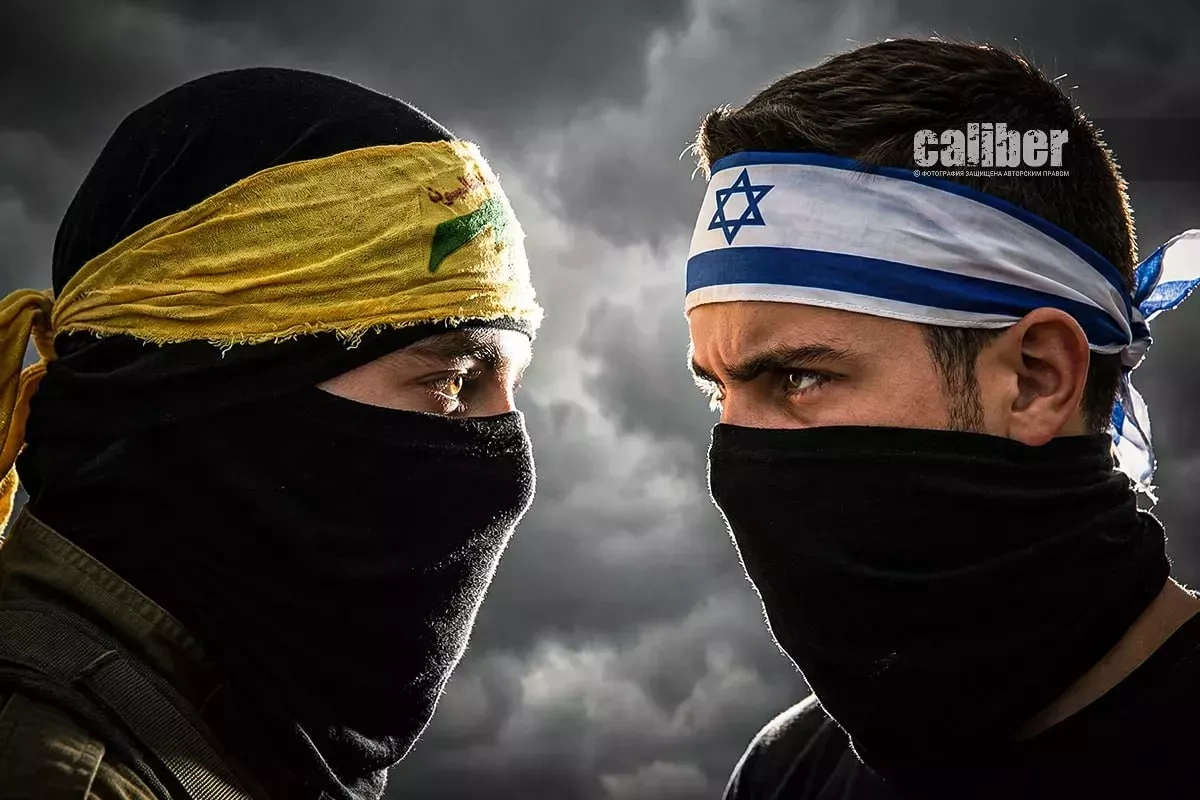
The Israel Defense Forces emphasise that they only strike infrastructure and individuals linked to Hezbollah — an Iran-backed armed group and political party.
Israel’s military also continues to hold a strip of Lebanese territory along the border. According to Israeli officials, the aim is to create a security zone free of Hezbollah in order to protect Israel’s northern regions.
The group, which did not directly participate in the ceasefire negotiations, initially stated that it would respect the agreement as long as Israel did the same.
On May 6, Israel called on residents of several villages north of the Litani River to evacuate, which may indicate an expansion of Israeli operational zones. Now, in light of the latest strike, concerns are growing that tensions between Israel and Hezbollah could once again escalate into a large-scale confrontation.
How likely is such a scenario? Could the war resume? Does Hezbollah have sufficient weapons and resources to confront the Israeli army?
Well-known regional experts have provided their answers to these questions for Caliber.Az.
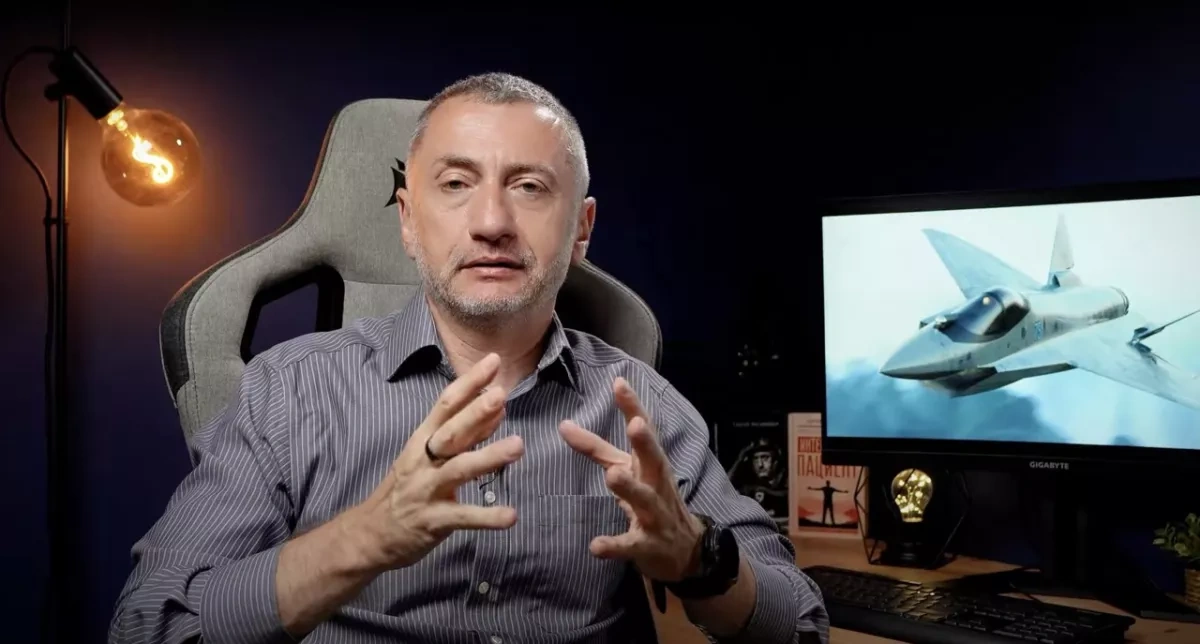
Israeli military expert and author of the military analysis YouTube channel Sergey Auslender stated that the likelihood of a serious escalation remains high, because as long as Hezbollah exists — whether weakened or not — it continues to pose a threat to Israel.
“Therefore, Israel will seek to eliminate this threat. The problem is that the Americans are currently intending to reach some kind of agreement with Iran, which, under any scenario, will demand that Hezbollah be included in this agreement so that hostilities cease not only in Iran but also in Lebanon, and so that the organisation retains at least some presence in the country. This is where the complexity lies.
On the other hand, such an agreement is not currently in sight, but that is a separate discussion. Therefore, the war could resume.
As for resources, they still have the capability to carry out strikes against Israeli military positions and border communities. That means they will still be able, for some time, to cause us various problems, inflicting damage and casualties.
Of course, Hezbollah is no longer the same organisation it was before October 2023 (or rather before September 2024, when Operation ‘Pager’ began and Sheikh Nasrallah was eliminated). It is significantly weakened, but it still remains a threat,” the military analyst said.
Middle East expert and NEST Centre analyst Ruslan Suleymanov believes that the ceasefire reached between Hezbollah and Israel through US mediation remains extremely fragile.
“This does not mean the end of the war. The conflict continues, and as long as Hezbollah exists, tensions between Israel and this Iran-backed group will persist.
Much will depend on the process of disarming Hezbollah and withdrawing its fighters from the Litani River area. So far, this process is progressing with difficulty. Lebanese authorities are unable to exert sufficient pressure on Hezbollah.
Hezbollah’s combat capability remains significantly higher than that of the Lebanese army. Therefore, the situation will remain extremely tense, with possible flare-ups and a risk of renewed full-scale hostilities,” Suleymanov stated.