BAKU, Azerbaijan, May 11. The development of
the Anaklia Deep Sea Port may become one of the most transformative
logistics projects in the wider Black Sea and Middle Corridor
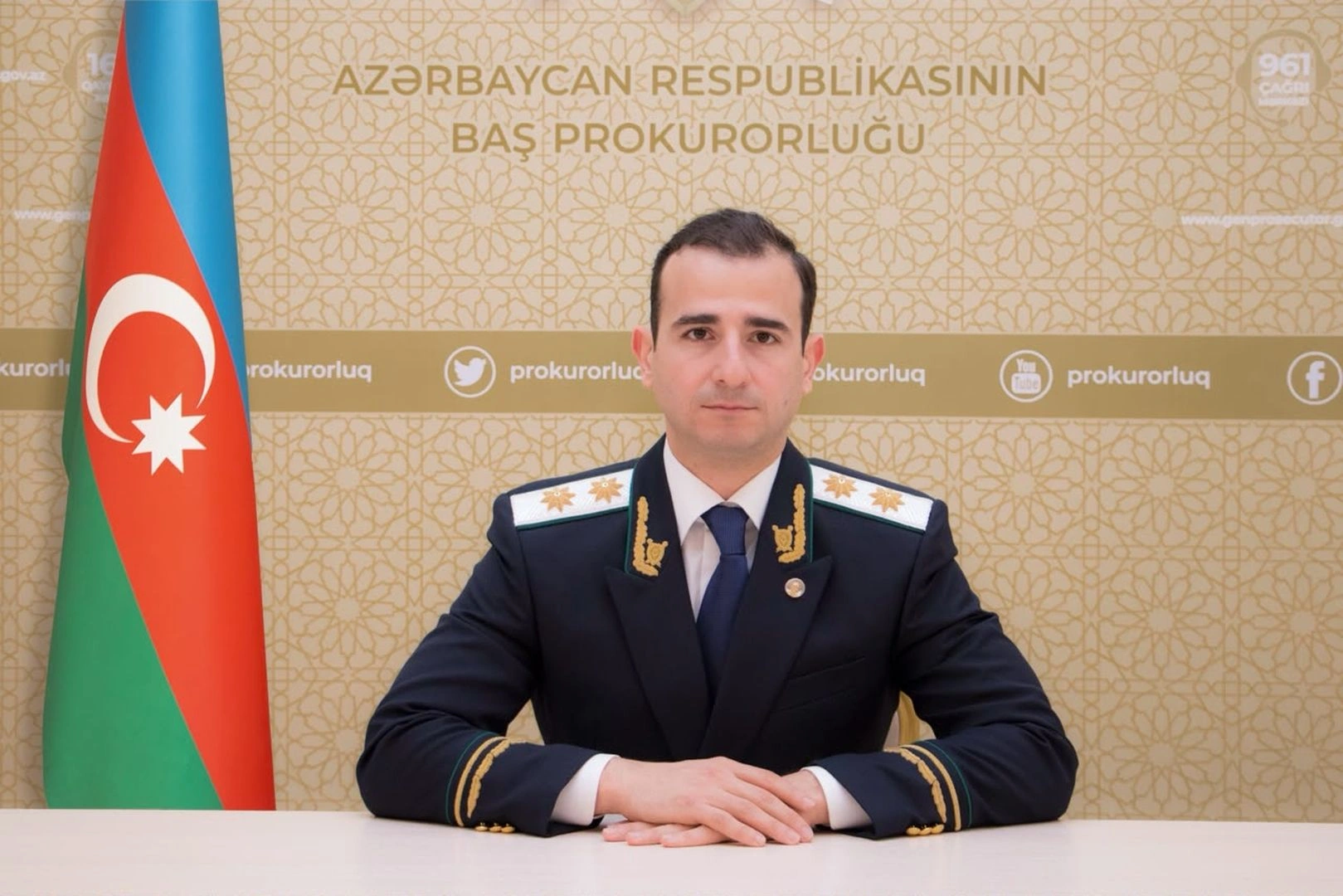
region during the next decade, Ziya Mammadov, Deputy Head of the
Marketing Division at the Marketing and Tariff Policy Department of
Azerbaijan Railways, wrote on his social media account, Trend reports.
He noted that as Eurasian trade routes continue diversifying,
Anaklia has the potential to strengthen the strategic connectivity
between China, Central Asia, the Caspian region, the South
Caucasus, and Europe.
“The port’s planned deep-sea infrastructure is particularly
significant.
With an estimated depth of around 16 meters and future capacity
expansion targets exceeding 1 million TEU annually, Anaklia could
eventually accommodate larger container vessels directly, something
many regional Black Sea ports still face limitations with,” he
added.
This creates potential benefits such as increased container
handling efficiency, reduced dependency on feeder shipping systems,
faster Black Sea–Europe cargo integration, improved multimodal
coordination between rail and maritime transport, and enhanced
regional supply chain resilience.
From a Middle Corridor perspective, Anaklia is not simply
another port project; it could become a strategic balancing node
for growing East-West freight volume as cargo traffic through the
Trans-Caspian corridor continues rising, and infrastructure
pressure across ports, railways, and customs systems will
inevitably increase. In this environment, additional maritime
capacity on the Black Sea side becomes strategically important,"
Mammadov added.
According to him, future synchronization between the Baku
International Sea Trade Port, the Baku-Tbilisi-Kars railway,
Caspian feeder operations, Georgia’s modernizing railways, and
digital customs integration systems could significantly enhance the
operational competitiveness of the Middle Corridor.
"Another key factor is geopolitical diversification. Global
supply chains are increasingly turning to alternative trade
corridors, reducing reliance on single-route logistics, adopting
flexible multimodal transport models, and seeking faster Eurasian
transit solutions.
This trend shapes the long-term strategic significance of the
South Caucasus.
“In my view, with effective integration into the regional
logistics architecture, Anaklia could become the largest container
hub on the Black Sea, as well as a key infrastructure pillar for
growing trade connectivity between the countries of the Persian
Gulf, Central Asia, and the Caucasus,” he emphasized.
Furthermore, Mammadov noted that in a broader context, Anaklia’s
future role could extend far beyond a purely transport function:
“The project has the potential to reshape the regional trade
landscape, strengthen transit economies, and enhance the
geopolitical significance of the Middle Corridor across
Eurasia.”
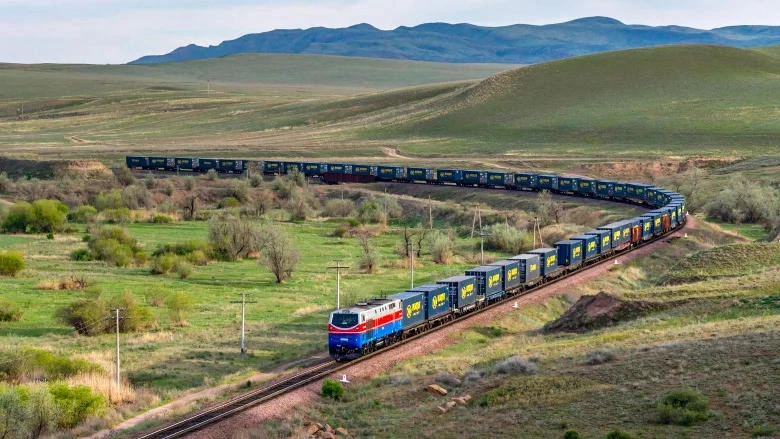
The Middle Corridor is a transport and trade route that passes
through a number of countries in the region and connects Asia with
Europe. It serves as an alternative to the traditional Northern and
Southern Corridors.
The route begins in China and runs through the countries of
Central Asia. It then crosses the Caspian Sea, Azerbaijan, Georgia,
and Türkiye, before reaching Europe. The Middle Corridor is a land
route that bypasses longer sea routes, connecting the eastern
regions of Asia, including China, with Europe.