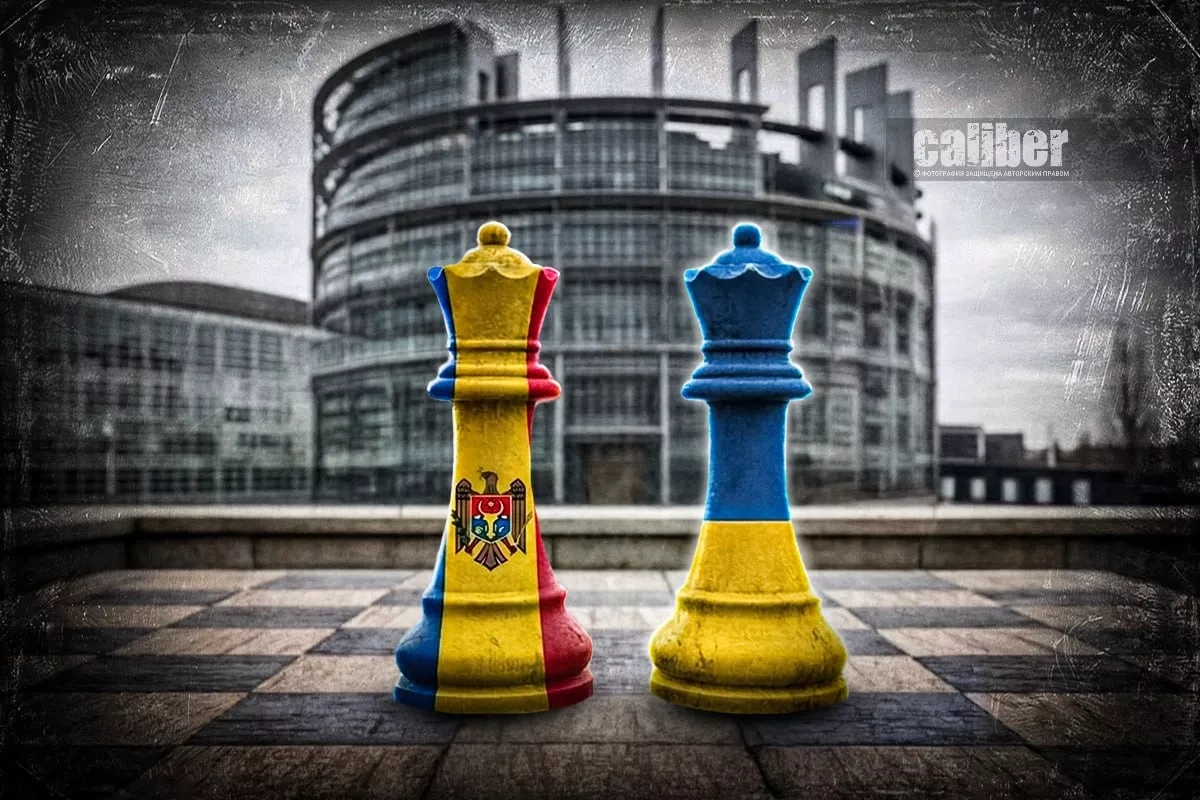
Today, the issue of Moldova’s accession to the European Union remains a constant focus of the Moldovan government. At the same time, judging by recent statements from EU officials, the topic also continues to stay on Brussels’ agenda.
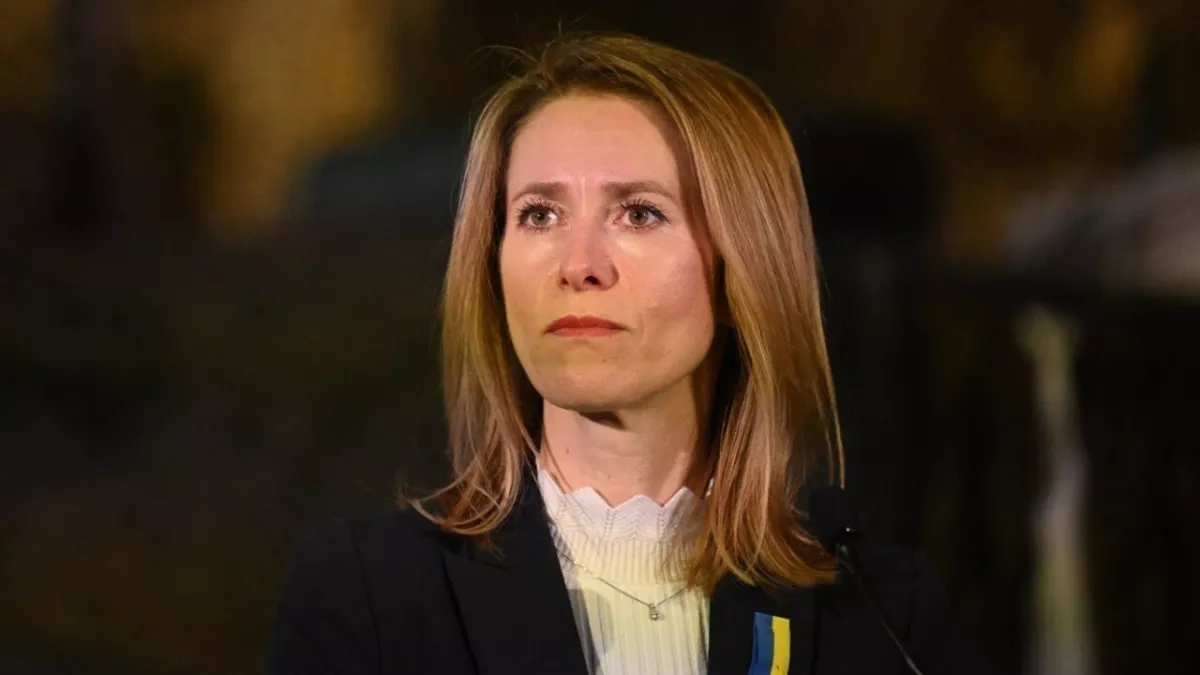
In particular, as reported by Reuters, EU foreign policy chief Kaja Kallas said at a joint press conference with President Maia Sandu on May 8 that the exact date for the start of official accession negotiations with Moldova has not yet been determined. However, she noted that the EU wants to move quickly on this issue while there is no opposition among member states, as bilateral political disagreements could emerge in the future.
She also stated that Chișinău has made progress in implementing reforms, and that the situation in the Transnistrian region will not become an obstacle to Moldova’s
In turn, Maia Sandu confirmed that the Moldovan state intends to sign an accession treaty with the EU by 2028.
Undoubtedly, this statement by the head of the European Union’s foreign policy service reflects an emerging consensus in Brussels: the window of opportunity for Chișinău is open, and it is important not to miss it. Indeed, in a context where relative unity on the Moldovan issue within the EU is still maintained, the logic of “moving now, while there is no opposition” appears not only pragmatic, but also strategically sound. Moreover, there are now a number of grounds to argue that Moldova could genuinely move closer to full EU membership in the near future.
At the same time, the key factor that sets Moldova apart from other candidate countries is the consistency and depth of its ongoing reforms. Under Sandu’s leadership, Chișinău has focused on meeting concrete Brussels requirements rather than limiting itself to declarative commitments. For example, the judicial system has undergone significant changes, including the so-called “vetting” procedure — the screening of judges and prosecutors for corruption and compliance with professional standards. This is a painful but crucial step, which the EU views as a key indicator of genuine political will for state transformation.
Secondly, efforts have been directed at combating corruption: anti-corruption institutions have been established and strengthened, the powers of relevant bodies have been expanded, and real investigations have begun against high-ranking officials. In the post-Soviet space, this is a rare example where anti-corruption rhetoric is accompanied by tangible practical action.
Thirdly, Moldova has implemented transformations in the energy sector aimed at reducing its dependence on Russian resources. The diversification of gas and electricity supplies, as well as integration into European energy markets, strengthens the country’s resilience and makes it a more predictable partner for the EU.
Fourthly, the reform of public administration is also of significant importance. Increased transparency, the digitalisation of public services, and efforts to reduce bureaucracy are steps aimed at improving the efficiency of state institutions. In addition, Chișinău demonstrates a consistent commitment to the European foreign policy line, including support for the EU’s sanctions policy and coordination of positions on key international issues.
It is also worth noting the evolving approach of the European Union to the Transnistrian issue. Just a few years ago, the existence of an unresolved territorial conflict was seen as a serious obstacle to EU accession. Today, however, there is an increasingly widespread view in Brussels that this factor should not block Moldova’s European integration. This represents an important shift, which effectively brings the country closer to membership negotiations by neutralising one of the key arguments of sceptics.
It is also worth recalling that the EU initially considered the possibility of synchronised progress of three countries — Moldova, Ukraine, and Georgia — on the
Georgia, in response to what it viewed as destabilising or counterproductive actions from Brussels, has in practice slowed down its course toward European integration, effectively pausing its EU trajectory.
As for Ukraine, its situation is even more complex. Despite its status as a candidate country and extensive political support from the European Union, Kyiv continues to face systemic challenges, most notably corruption. Moreover, the Ukrainian state has so far not demonstrated sufficient progress in meeting key EU requirements.
Nevertheless, President Volodymyr Zelenskyy has stated Ukraine’s ambition to join the EU as early as 2027. However, in European capitals such timelines are generally seen as overly optimistic. According to a number of analysts, the European Union still lacks a clear vision of how Ukraine could be fully integrated into its institutional framework, and is therefore discussing alternative models.
For example, France and Germany have been promoting the idea of so-called “associated membership”. The essence of this approach is that Ukraine would gain representation in EU institutions such as the Council of Ministers and the European Parliament, but without voting rights. At the same time, it would gradually integrate into the EU single market and participate in various EU programmes, while not immediately accessing key financial instruments, including agricultural and regional subsidies.
In addition, discussions are taking place on expanding defence cooperation, providing long-term support for the Ukrainian armed forces, and involving Ukraine in emerging security frameworks, including a possible European Security Council. Supporters of this model argue that it offers Ukraine a realistic membership perspective without overburdening the EU institutionally and financially.
However, in Kyiv such proposals may be perceived as “second-class membership” — the creation of a kind of “waiting room” without clear timelines for a transition to full integration.
Against this backdrop, Moldova appears to be a much clearer and more manageable case for the EU. A small economy, a relatively compact population, and the absence of large-scale structural imbalances all make the country’s integration less costly and more predictable. However, the decisive factor remains political will and consistency. Unlike Georgia, Chișinău does not show deviations from its European course; unlike Ukraine, it is not burdened by systemic problems that could paralyse the reform process.
This is precisely why, in Brussels, there is an increasingly common view that if there is a country ready for accelerated integration today, it is Moldova.