ASTANA, Kazakhstan, May 7. Central Asian
countries have approved irrigation water supply schedules for the
beginning of the summer agricultural season, following talks
between the heads of water and energy agencies of Kazakhstan,
Kyrgyzstan, and Uzbekistan in Tashkent, Trend reports via the Kazakh Ministry of
Energy.
The key outcome of the meeting was the signing of a trilateral
protocol outlining agreed water release volumes and discharge
schedules from the Toktogul reservoir for the next two months.
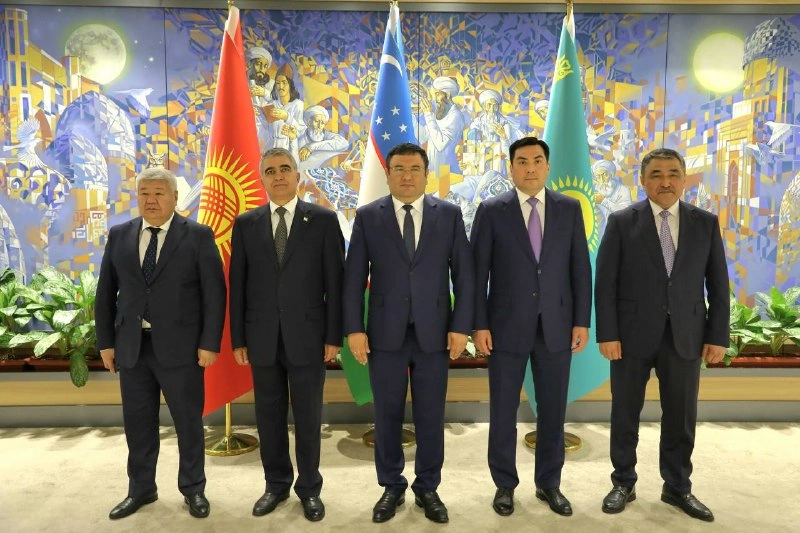
Kazakhstan’s delegation was led by Energy Minister Yerlan
Akkenzhenov and Minister of Water Resources and Irrigation Nurzhan
Nurzhigitov. The meeting was also attended by Kyrgyzstan’s Energy
Minister Taalaibek Ibraev, Uzbekistan’s Energy Minister Jurabek
Mirzamahmudov, and Uzbekistan’s Minister of Water Resources Shavkat
Khamraev.
Ensuring sufficient water supply for southern regions during the
vegetation period was the main issue on the agenda. The signed
protocol guarantees adherence to water discharge schedules from the
Toktogul hydropower plant in Kyrgyzstan and removes uncertainty for
farmers at the start of the irrigation season.
The agreement is expected to help farmers in Kazakhstan and
Uzbekistan carry out the initial phase of irrigation work smoothly
and without disruptions.
To ensure stable water supply throughout the agricultural
season, the countries agreed to continue coordination in stages.
The next in-person meeting of the ministers is scheduled for
mid-June in Bishkek, where the sides plan to finalize and approve
water discharge schedules for the critical months of July, August,
and September.
According to the parties, the successful agreement on summer
water releases was preceded by coordinated work during the
off-season. From September 2025 through April 2026, Kazakhstan
supplied more than 1.56 billion kilowatt-hours of electricity to
Kyrgyzstan’s power grid. This enabled Kyrgyzstan to avoid excessive
winter water releases for heating purposes and preserve water
resources in the Toktogul reservoir for agricultural needs across
the region.