ASHGABAT, Turkmenistan, May 4. Turkmenistan and
South Korea have discussed the progress of ongoing shipbuilding
cooperation during a visit to the Balkan shipyard, Trend reports via the Embassy
of South Korea.
The issues were discussed in a meeting between South Korea’s
Ambassador to Turkmenistan, Lee Wondea, and Guychmurat Amanov,
Director of the Balkan Shipbuilding Plant.
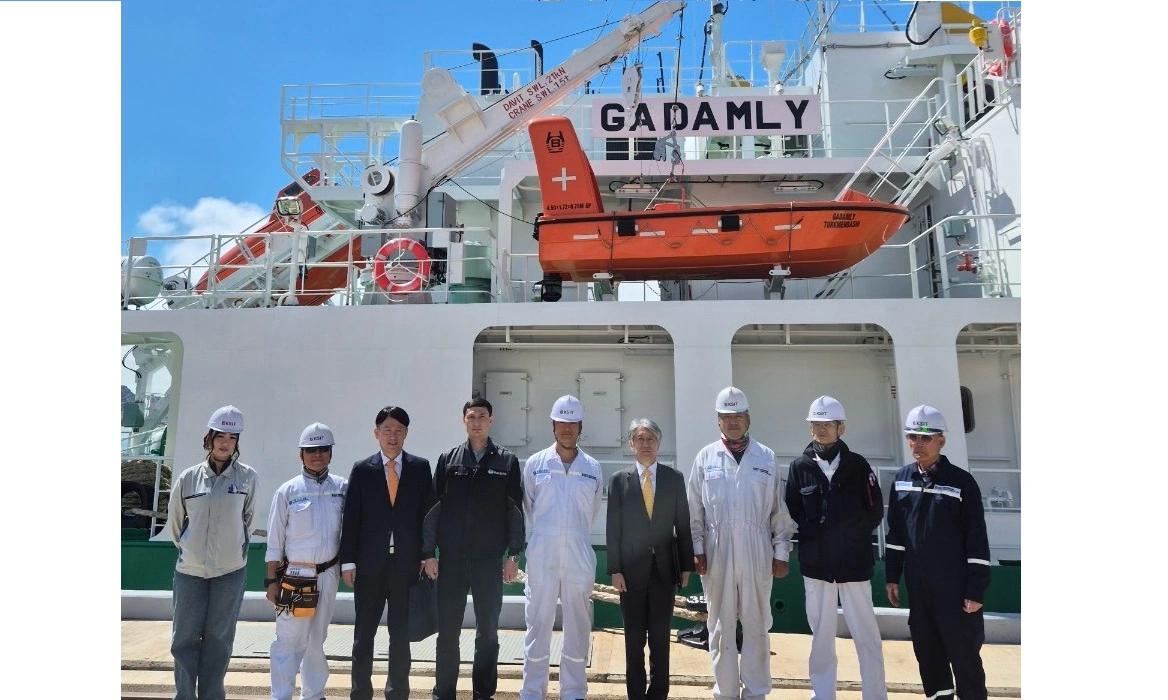
During the visit, the ambassador inspected the construction site
of multi-purpose carriers and met with representatives of Koryo
Shipbuilding Industry Technology, including a working dinner with
company employees.
The sides discussed the current status of the vessel
construction project, which was described as a successful example
of economic cooperation between the two countries, and outlined
prospects for further development of joint activities in the
shipbuilding sector.
The Balkan Shipbuilding and Ship Repair Plant is the first and
key shipbuilding enterprise in Turkmenistan, located at the
Turkmenbashi International Seaport. The facility specializes in the
construction and repair of cargo vessels and maritime equipment and
has been developed as part of the country’s strategy to strengthen
its national merchant fleet and expand Caspian maritime
infrastructure. The shipyard has a production capacity of several
vessels per year and plays a central role in modernizing
Turkmenistan’s transport and logistics capabilities.
The South Korean company Koryo Shipbuilding Industry Technology
(KSIT) is a Busan-based engineering and shipbuilding firm
specializing in ship design, construction technologies, and repair
solutions for commercial vessels of various types and sizes. The
company is part of South Korea’s wider maritime industrial
ecosystem and works closely with Korean marine equipment
manufacturers, including associations such as KOMEA, to export
shipbuilding expertise abroad.
In Turkmenistan, KSIT acts as a key technology and engineering
partner for the Balkan shipyard in joint projects, including the
construction of multi-purpose dry cargo vessels. Its role includes
transferring ship design documentation, introducing modern quality
management systems, and training local engineers in advanced
shipbuilding techniques, thereby contributing to the development of
domestic industrial capacity and international-standard production
at the Balkan facility.