BAKU, Azerbaijan, May 4. Georgia has made
steady progress toward bolstering Middle Corridor connectivity, the
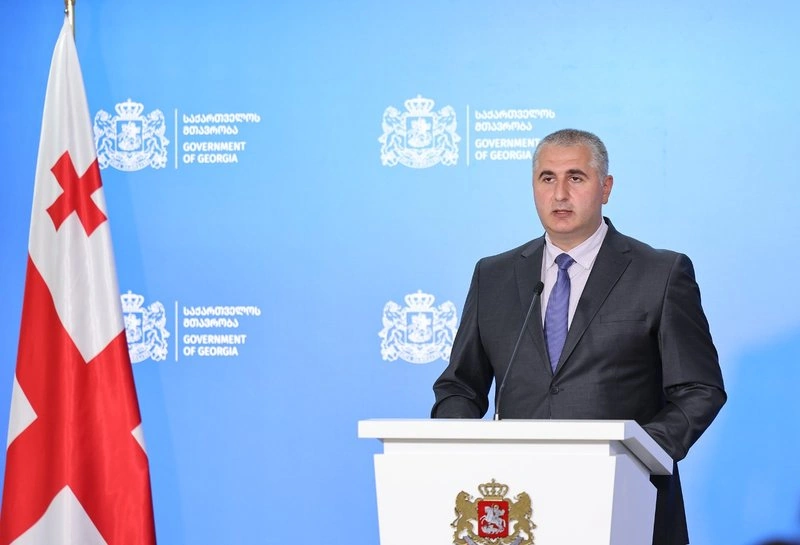
country’s Minister of Finance Lasha Khutsishvili said in his
statement for ADB Annual Meeting in Samarkand, Uzbekistan, Trend
reports.
“Countries of our region, whether we call it the Silk Road,
CAREC 2, Middle Corridor or Trans Caspian route, have been trained
in resilience for centuries and it is being realized that the
current challenges need the resilient efforts to be made
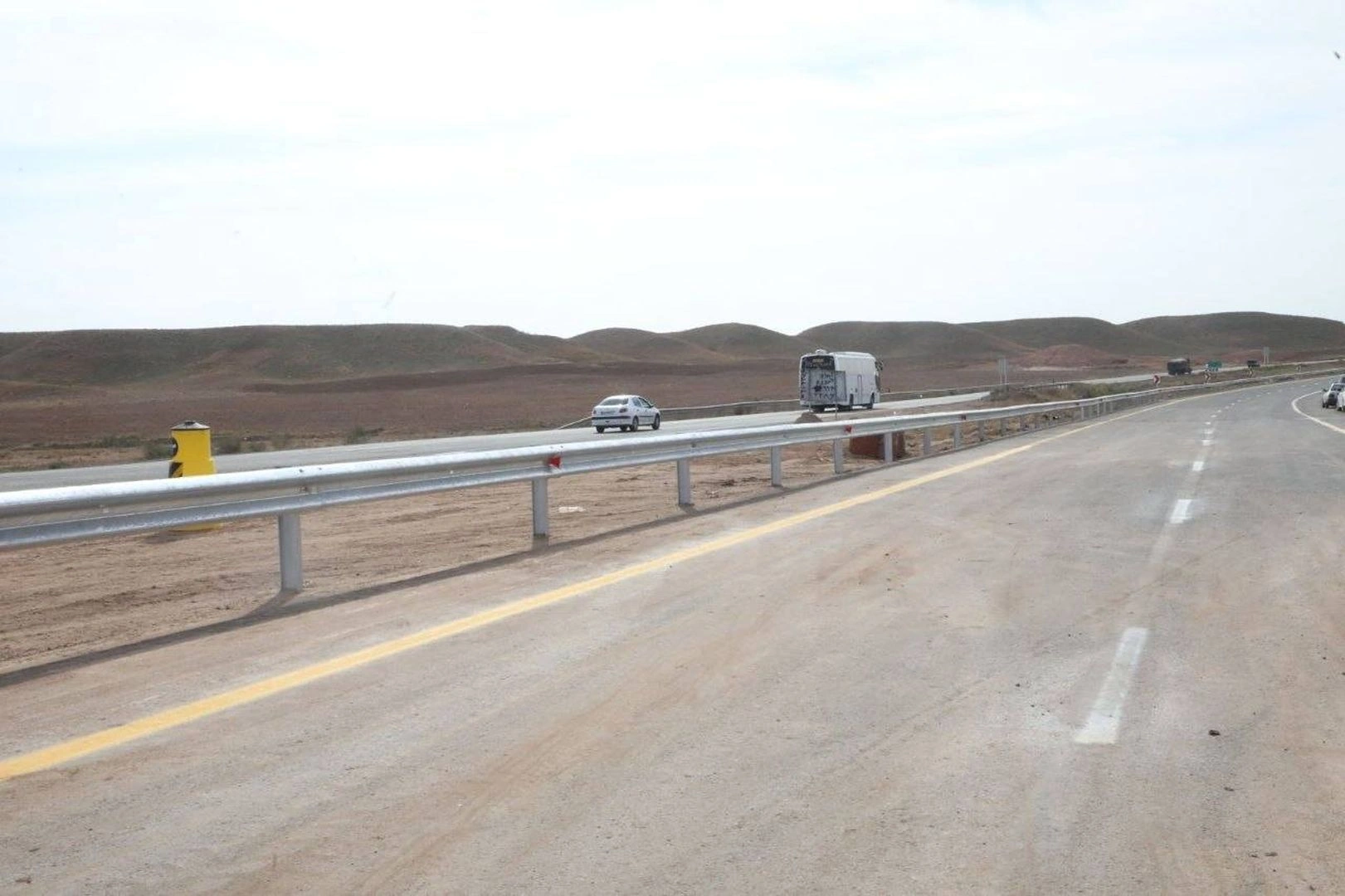
collectively. Georgia has made steady progress toward its strategic
objectives—completing core infrastructure of East–West highway,
bolstering Middle Corridor connectivity and has a strong agenda of
further enhancement of the road, rail, energy, and digital
connectivity and energy security and independence,” he said.
Khutsishvili pointed out that in this challenging landscape,
Georgia’s policy priorities remain steadfast: safeguarding
macroeconomic stability, mitigating adverse effects, preparing for
any reversal of transient positives, and securing the long-term
viability of structural reforms, major investment projects, and
responses to surrounding geopolitical shifts.
“As a result, the economy of Georgia has been growing on average
above 9.3% for the past five years, while bringing all the fiscal
parameters to low-safe levels (1.4% deficit, 34.4% debt) and
keeping Capex at high 7%–8% of gross domestic product,” he
added.
The minister went on to add that Georgia enjoys a successful
partnership with ADB through our diversified portfolio, valued at
approximately $6 billion across public and private sectors.
“We look forward to deepening this collaboration in Georgia's
key priority areas further, as the 20-year anniversary of our
partnership approaches: enhancing connectivity via expanded rail
and road connectivity; green and renewable generation; battery
storage for energy independence and security; improved transmission
connectivity—including the forthcoming Black Sea Submarine Cable
project; advancing digital infrastructure; upgrading water and
municipal services; and reforming corporate governance. But we
recognize that domestic efforts must be complemented by strong
international partnerships. This means deepening cooperation across
governments, multilateral institutions, and the private sector,” he
added.