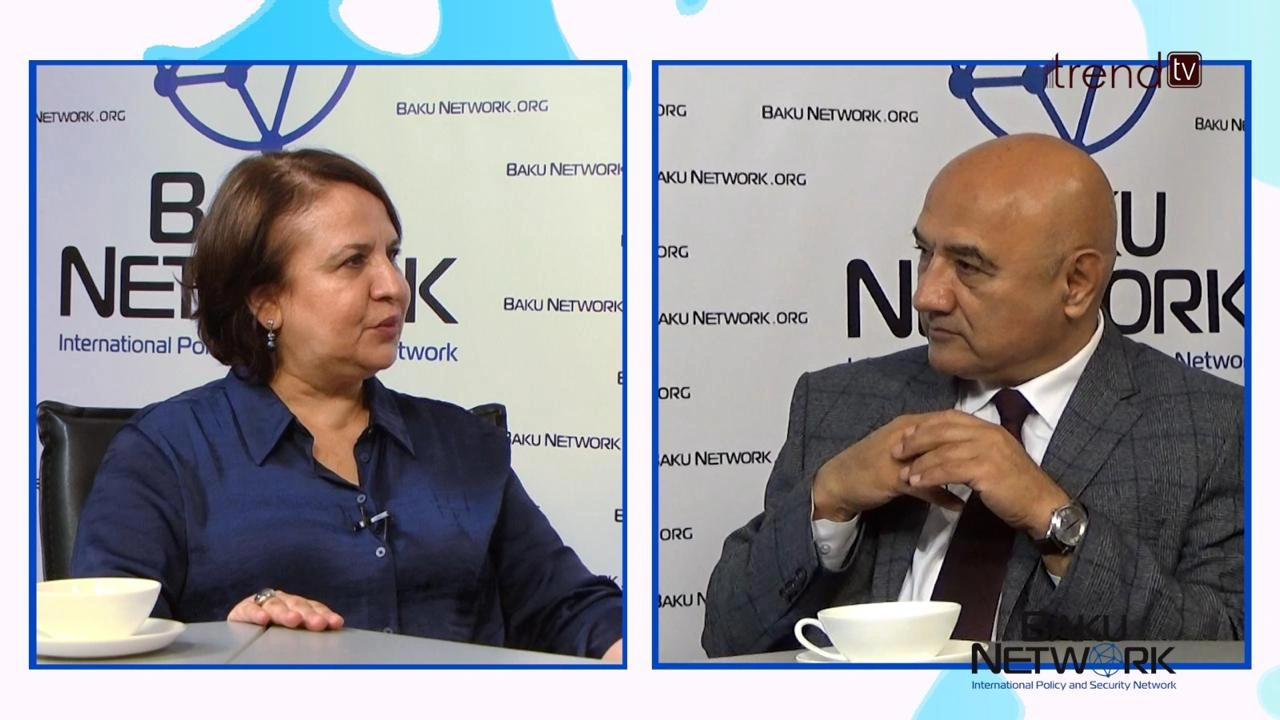
BAKU, Azerbaijan, May 4. The Baku Network
platform has released the latest episode of the analytical video
project “Dialogue with Tofig Abbasov,” dedicated to issues of
culture, history, and statehood, Trend reports.
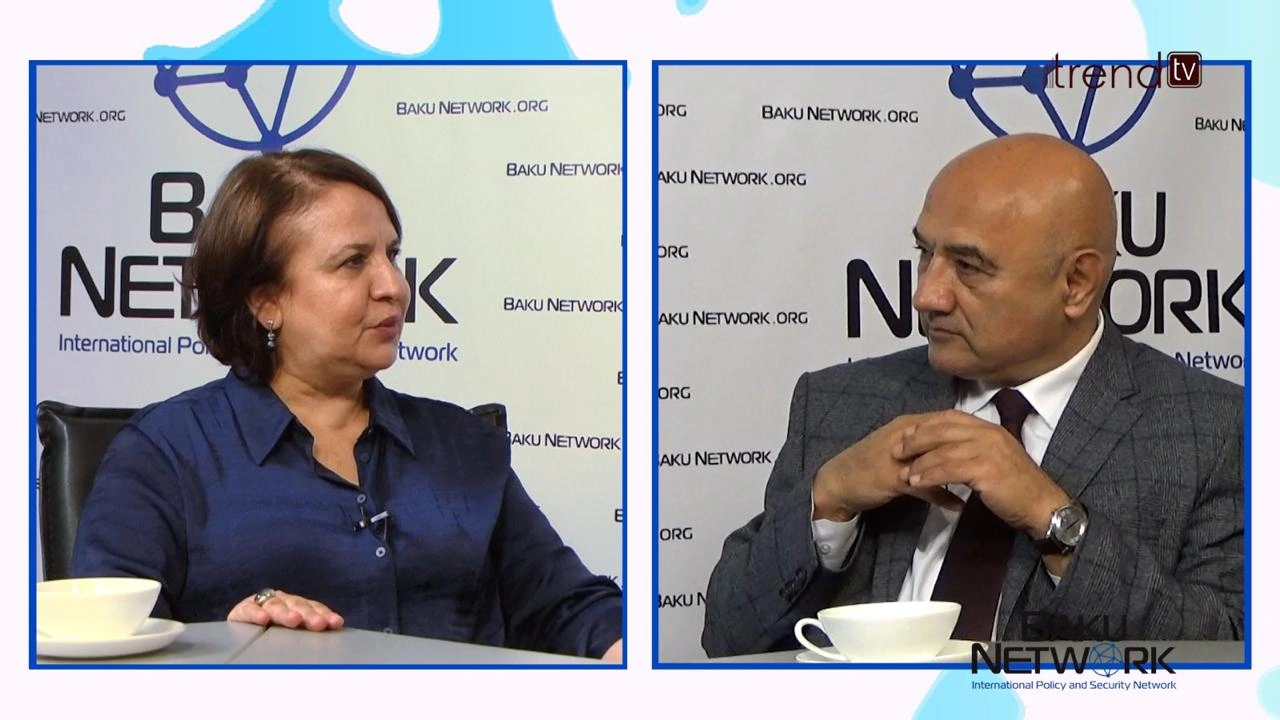
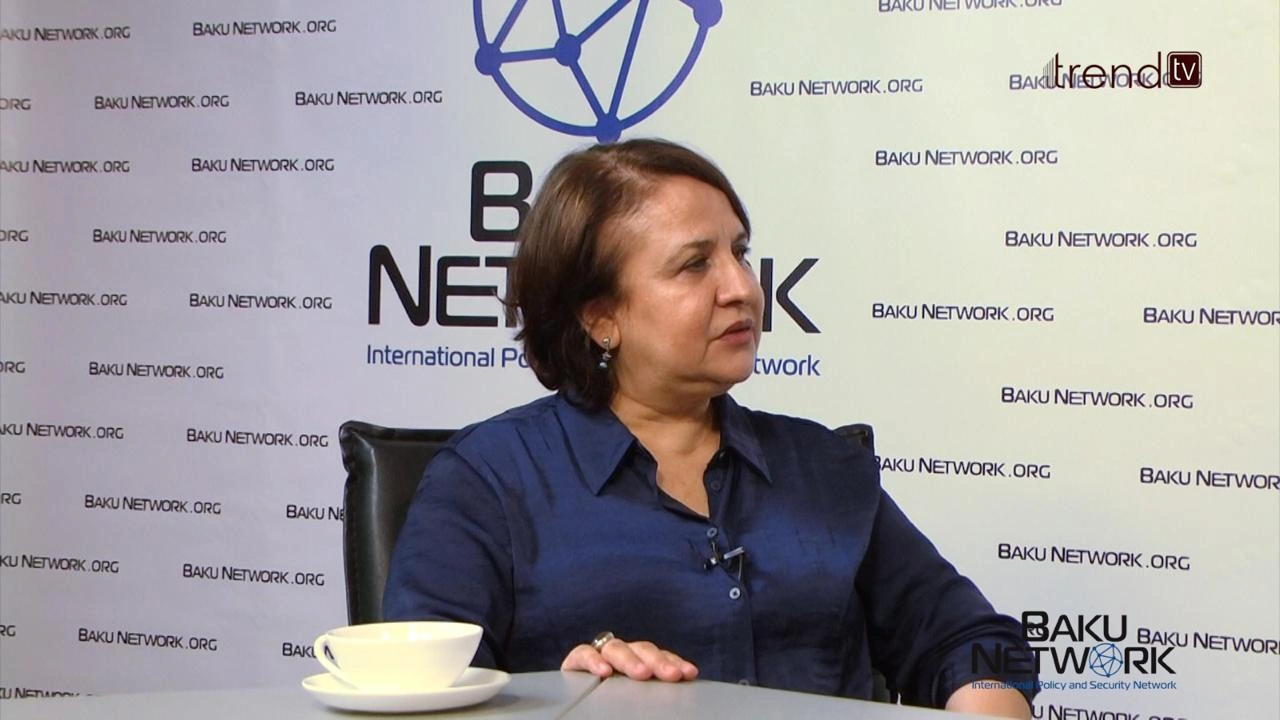
The guest of the program was People's Artist of Azerbaijan,
laureate of the Golden Dervish and Zirva awards, ballet master and
choreographer Madina Aliyeva.
According to her, during the years of severe political and
military upheaval, Azerbaijani cultural figures were deeply
distressed by the distorted perception of events in the South
Caucasus.
Speaking about the First Karabakh War, the People's Artist noted
that it was a difficult period for the entire country and for the
theater. According to her, a curfew was in effect in Baku, and
theatrical life was forced to adapt to the new reality.
"Of course, performances weren't held during that time. It was a
difficult, heavy time, but we survived it with dignity," she
said.
At the same time, Aliyeva emphasized that even during the
crisis, the Azerbaijani theater wasn't completely isolated. Tours
continued, although less frequent. She noted that the theater
maintained creative contacts both within the post-Soviet space and
beyond.
The conversation highlighted the issue of cultural bridges in
the South Caucasus. Aliyeva recalled that in 1987, the first
Transcaucasian Ballet Competition was held in Baku, with
representatives from Azerbaijan, Georgia, and Armenia
participating. According to her, this experience could serve as the
foundation for future cultural dialogue.
Aliyeva also spoke about the school in which Azerbaijani ballet
emerged. She explained that there are three main schools of
classical ballet in the world—Italian, French, and Russian—and that
the Azerbaijani tradition is historically linked to the Russian
academic school. She recalled that this line was established by the
first Azerbaijani ballerina, Gamarkhanum Almaszade, who studied in
St. Petersburg.
Speaking of the younger generation of artists, Aliyeva noted
that working with young people gives her great energy and
professional satisfaction. At the same time, she emphasized that
it's harder for modern students to maintain concentration due to
the overwhelming amount of information and the need to combine
creativity with education.
"Ballet is a profession that requires complete immersion. If you
want good results, you have to give it your all," she said.
According to Aliyeva, ballet requires not only technique,
discipline, and physical fitness, but also inner preparation. Only
a fluent mastery of technique, she emphasized, allows a dancer to
express a character and live the life of a hero or heroine on
stage.
The People's Artist also pointed out the richness of
Azerbaijan's ballet heritage. According to her, there are few
countries in the world where so many composers have created ballet
works.
"This is an enormous treasure, a true treasure trove. We must be
proud of it, appreciate it, and pass it on to the next generation,"
Aliyeva concluded.
The full video recording of the program is presented to
readers: