BAKU, Azerbaijan, May 2. In the heart of
ancient Baku – Icherisheher – narrow streets, stone walls and
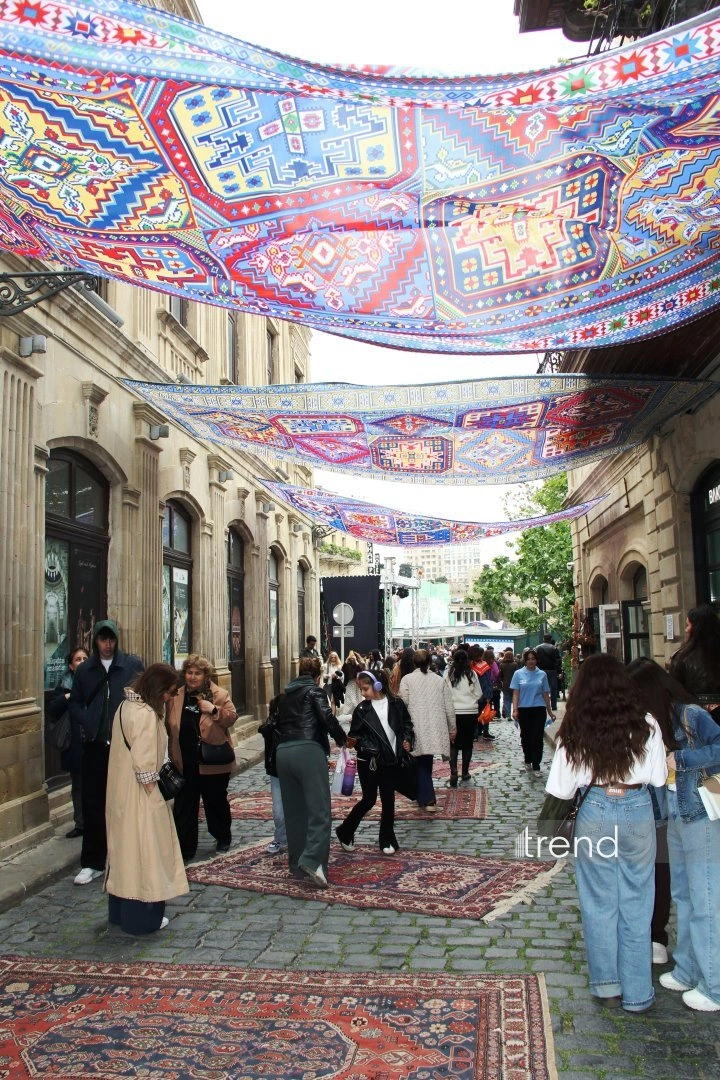
caravanserais were transformed for a few days into a living fabric
woven from ornaments, traditions and contemporary art, Trend
reports.
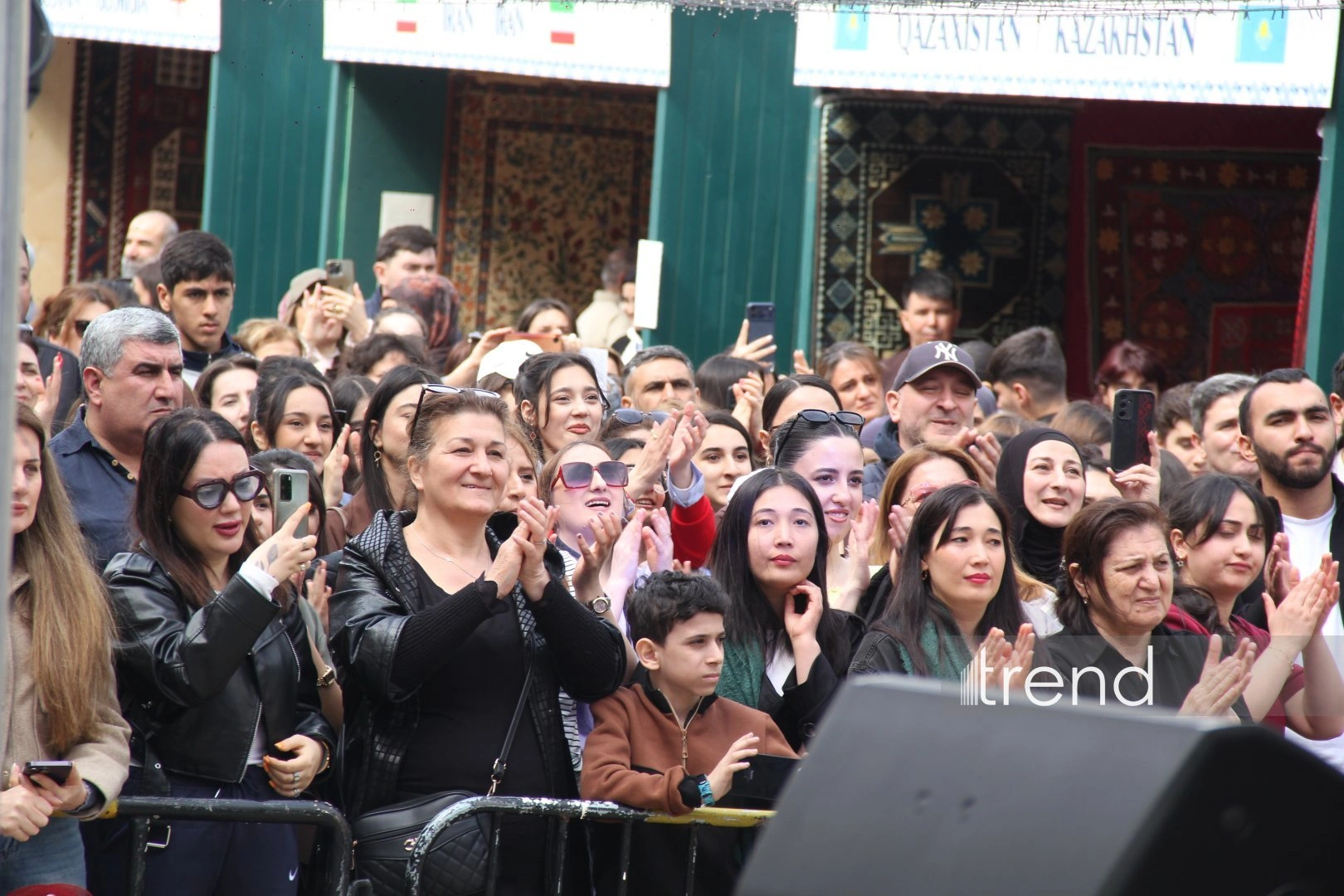
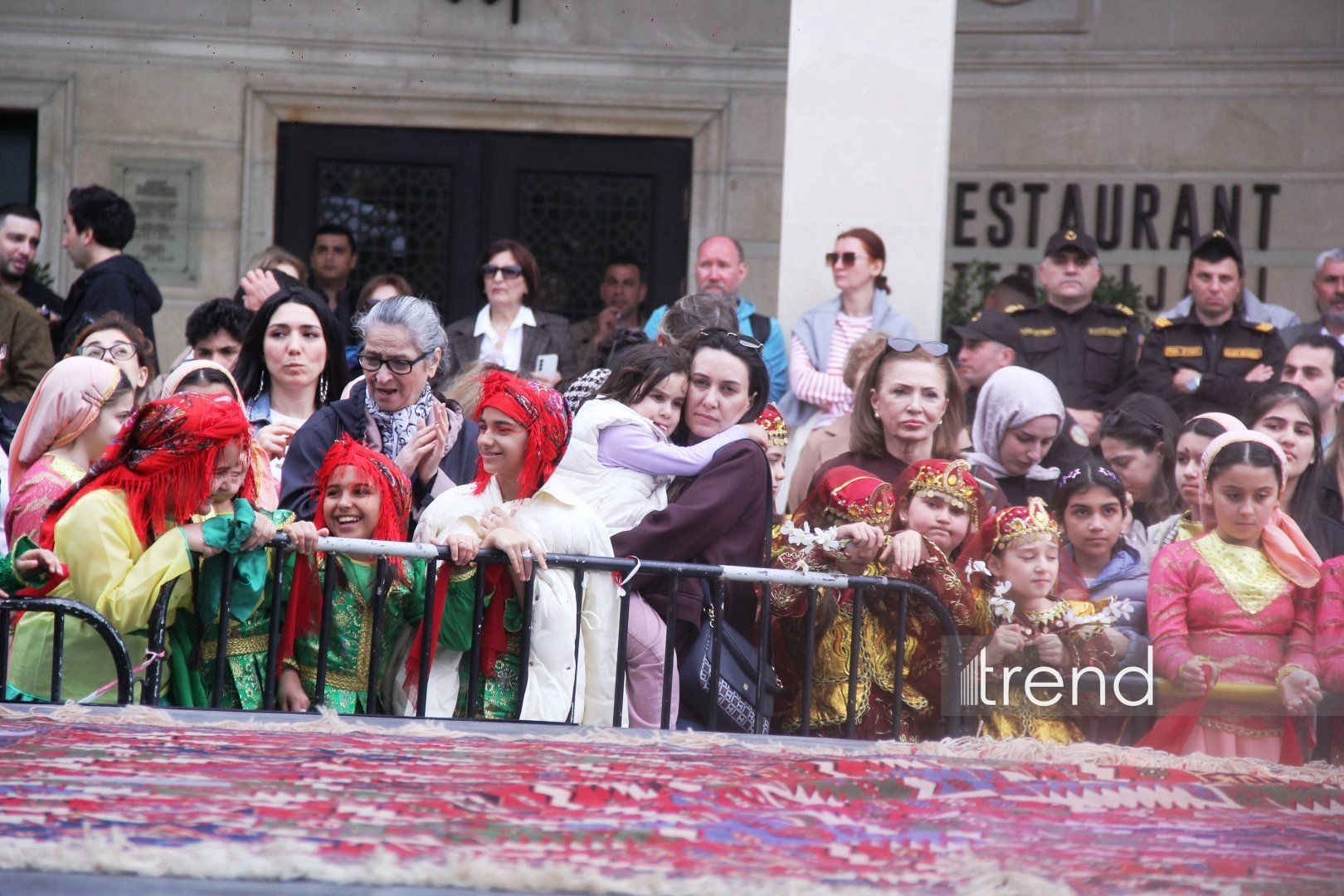
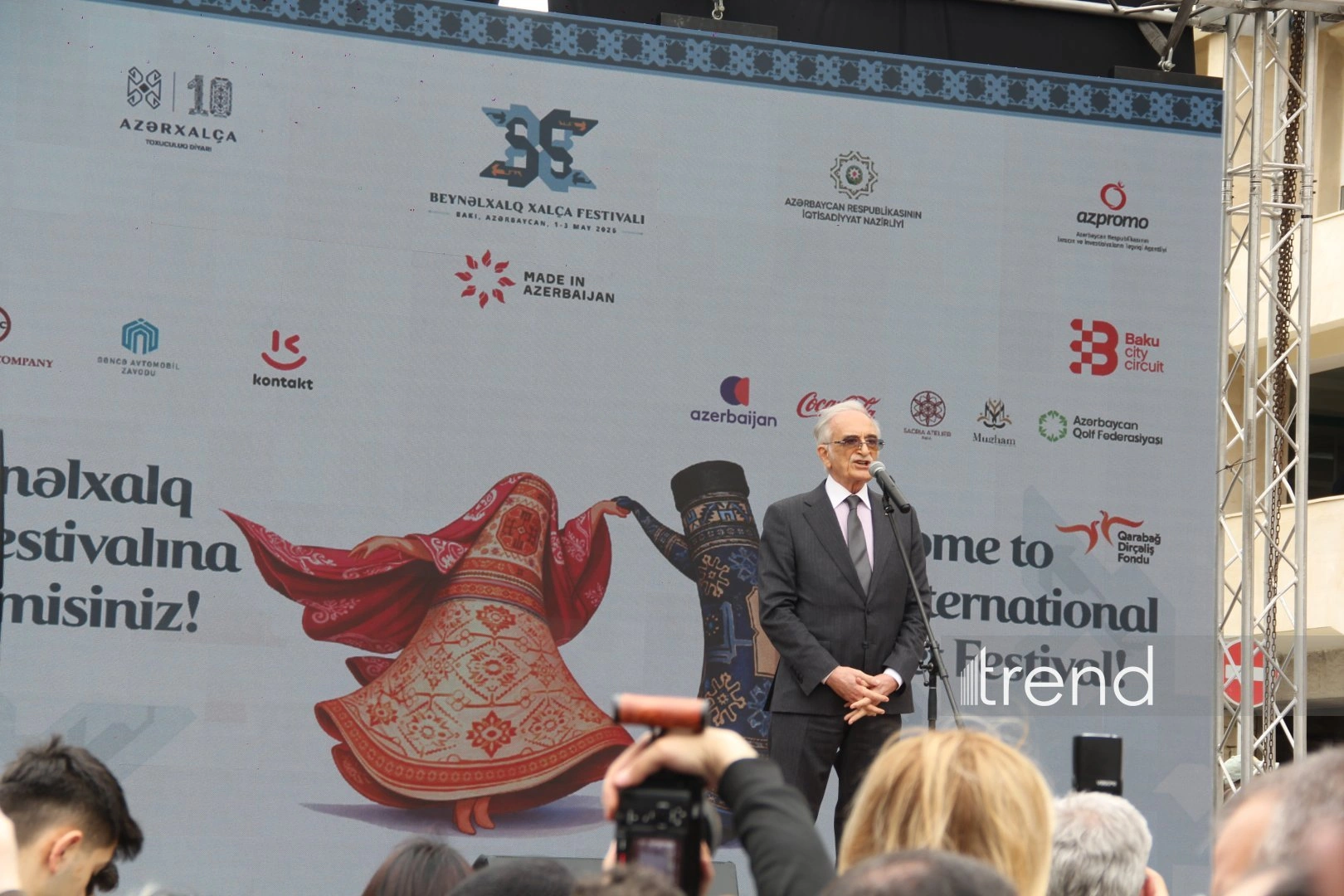
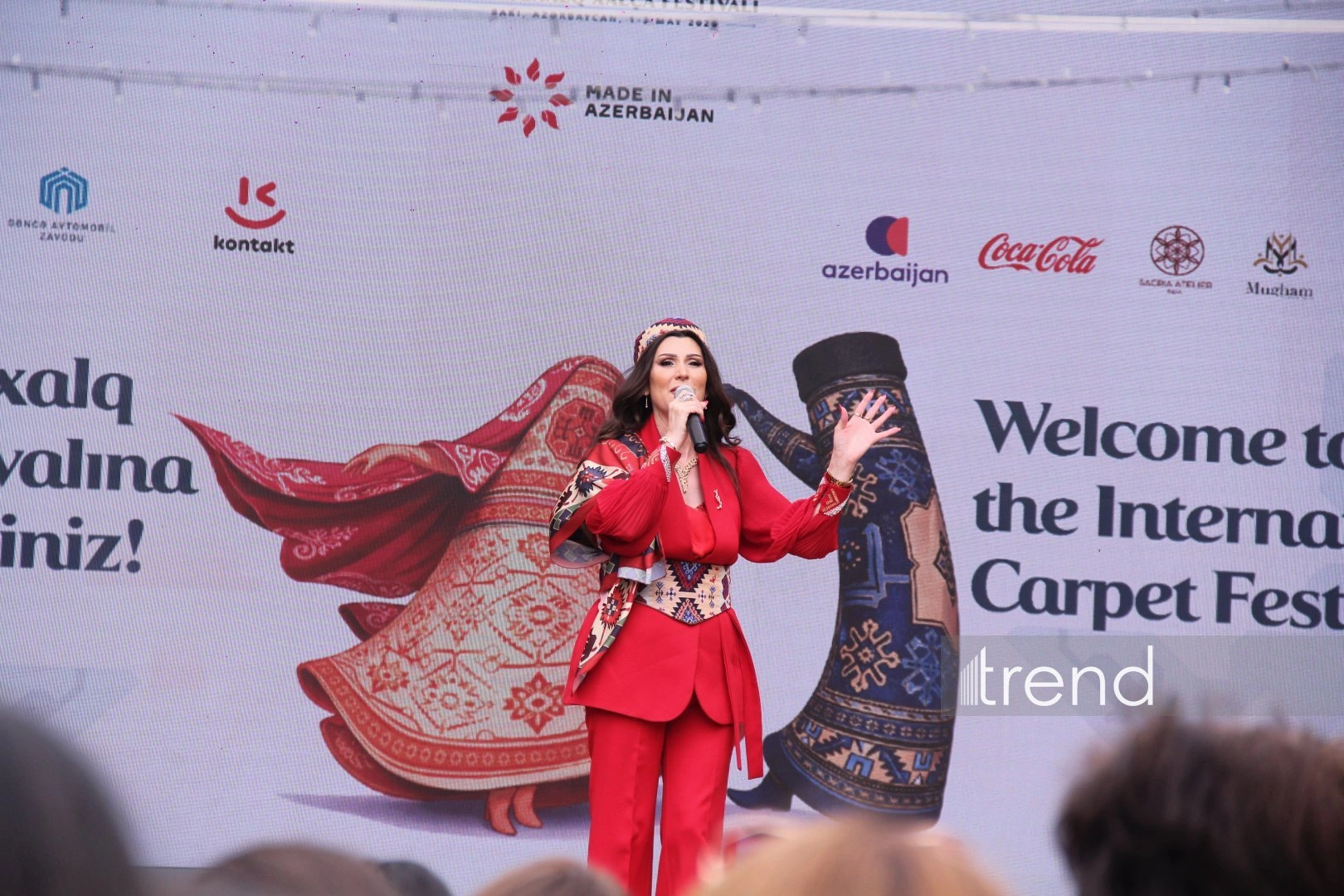
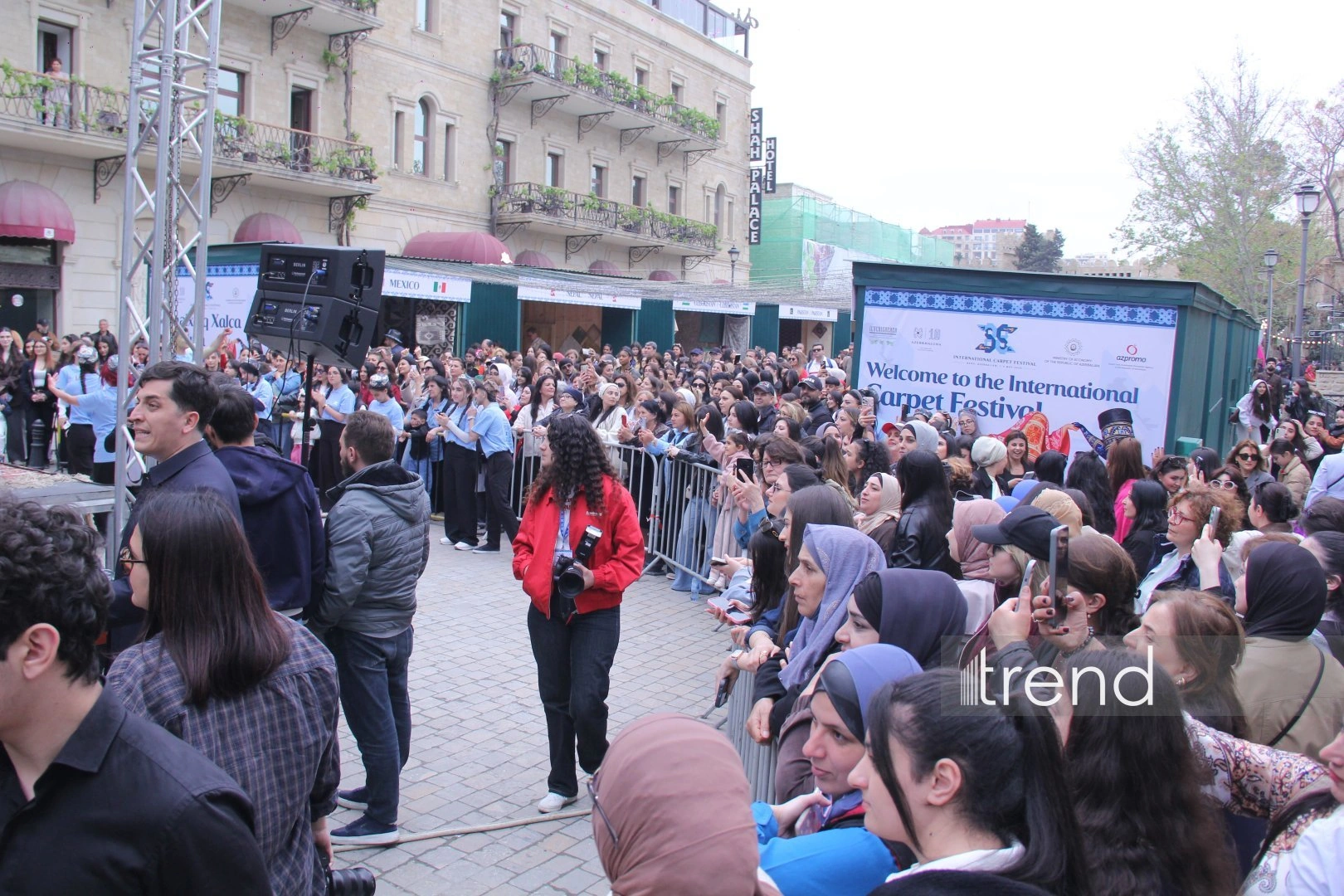
The third International Carpet Festival opened here – a
world-class event that brought together thousands of local
residents and foreign guests.
These days, Baku is becoming more than just the world's carpet
capital—it's becoming a place where the past and future are
literally woven into a single canvas. Ancient caravanserais,
squares, and historic houses have become venues for carpet
exhibitions, master classes, and musical events.
The festival's main mission is to present Azerbaijani carpet
weaving to the world not as a museum exhibit, but as a living,
evolving art. Carpet weaving in Azerbaijan has long ceased to be
simply a craft. It is a visual code that encodes regional patterns,
family traditions, and the aesthetics of entire eras.
The festival kicked off on May 1 at the Baku Business Center,
where the second International Carpet Forum was held on the theme
"Carpet Industry: Values, Design, and Competitiveness." It brought
together leading experts, designers, manufacturers and researchers
from around the world, serving as an intellectual prelude to a
large-scale cultural marathon.
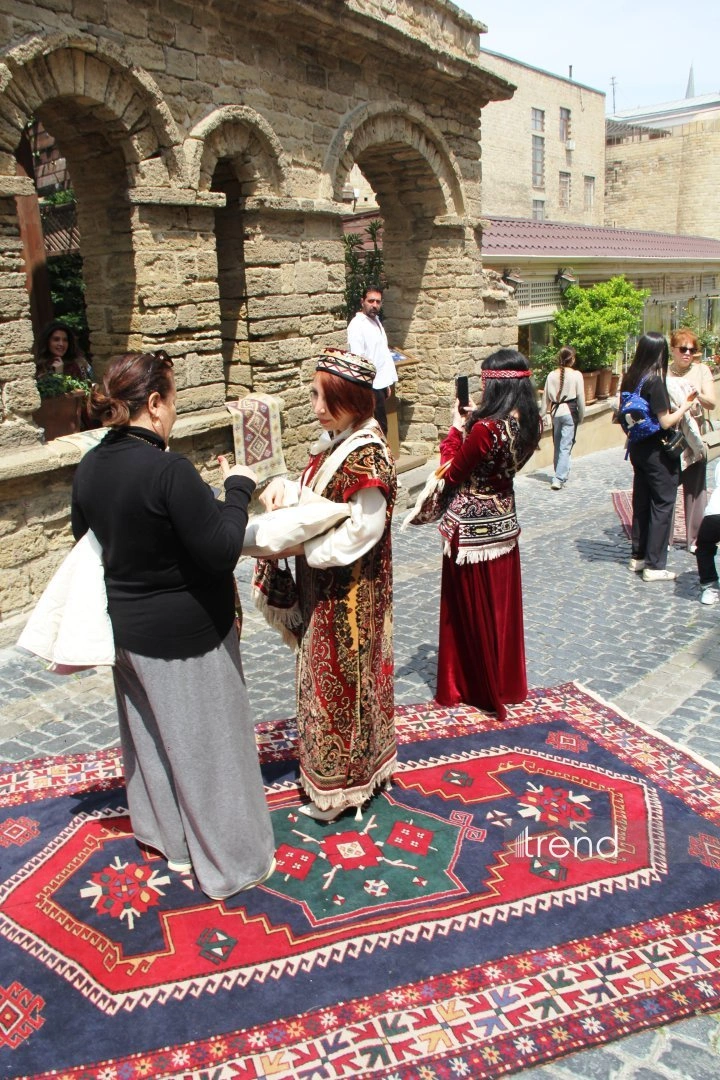
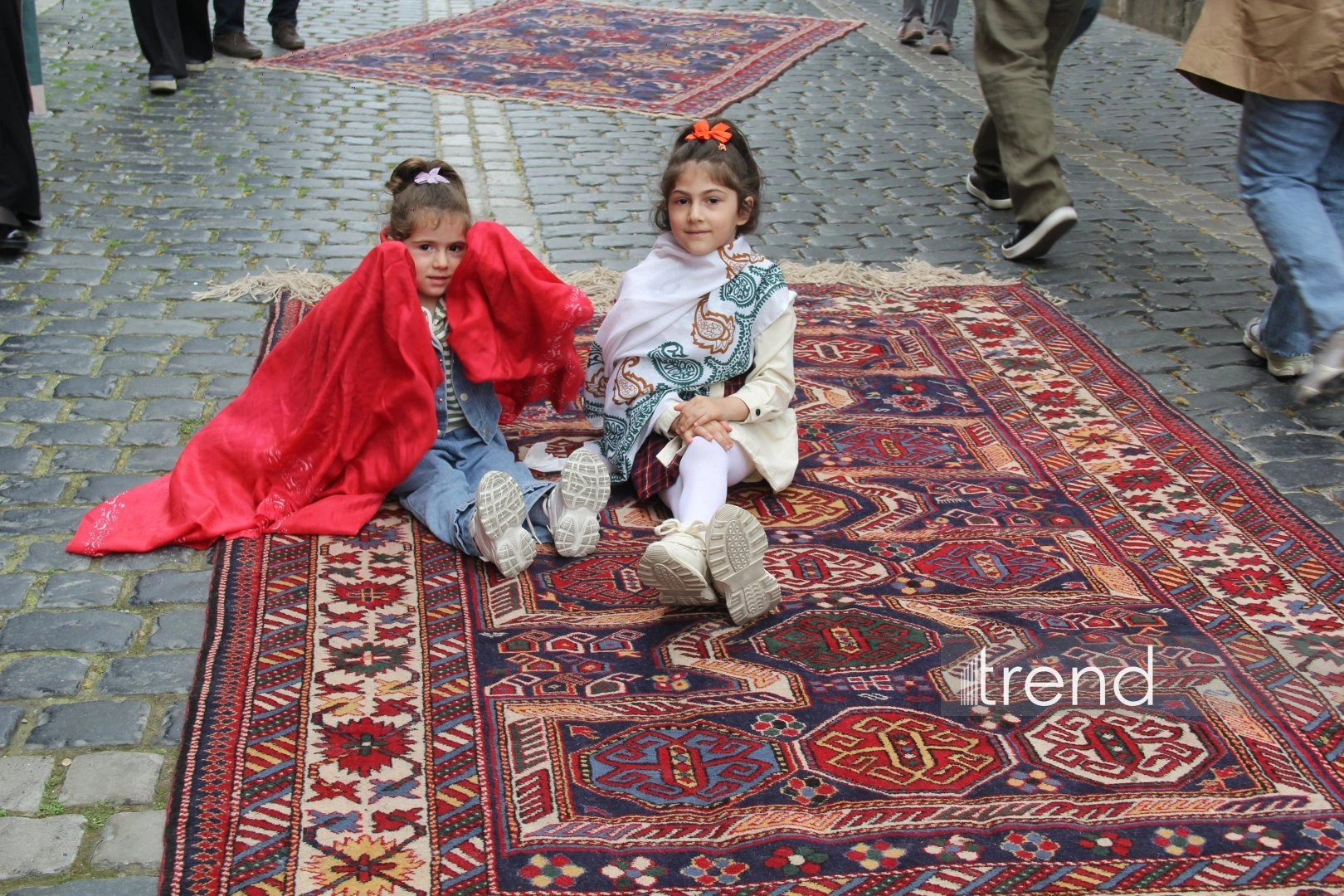
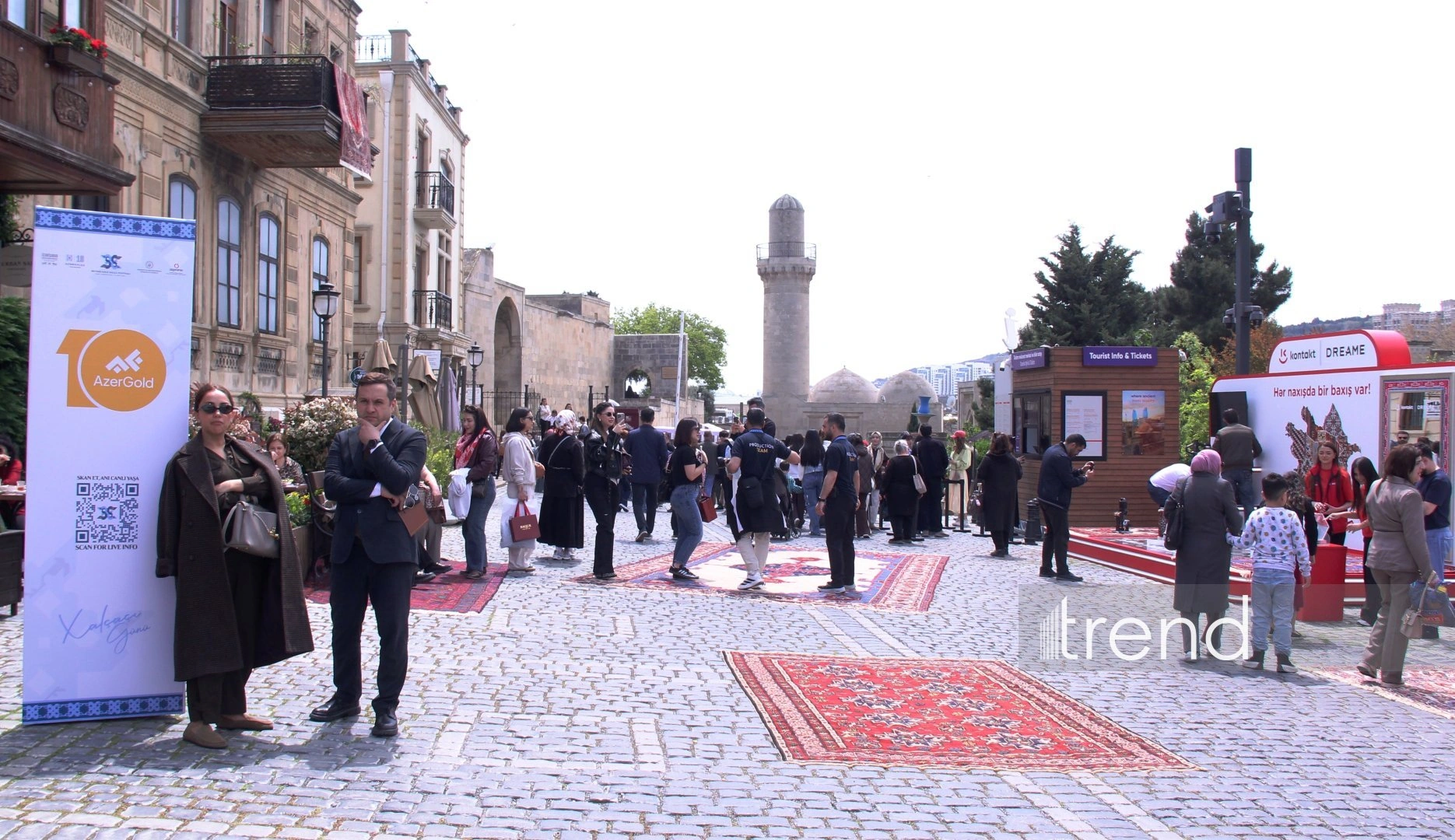
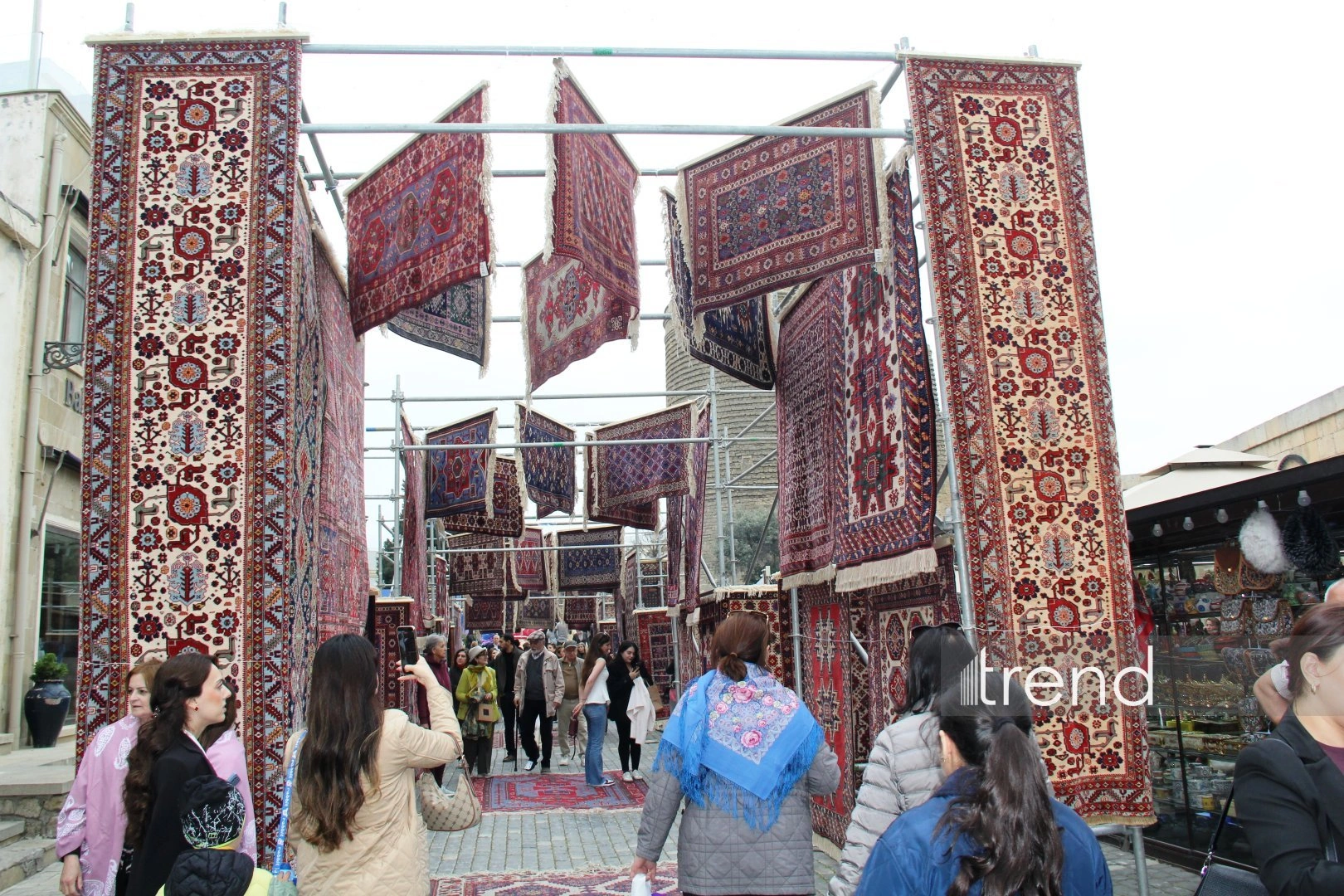
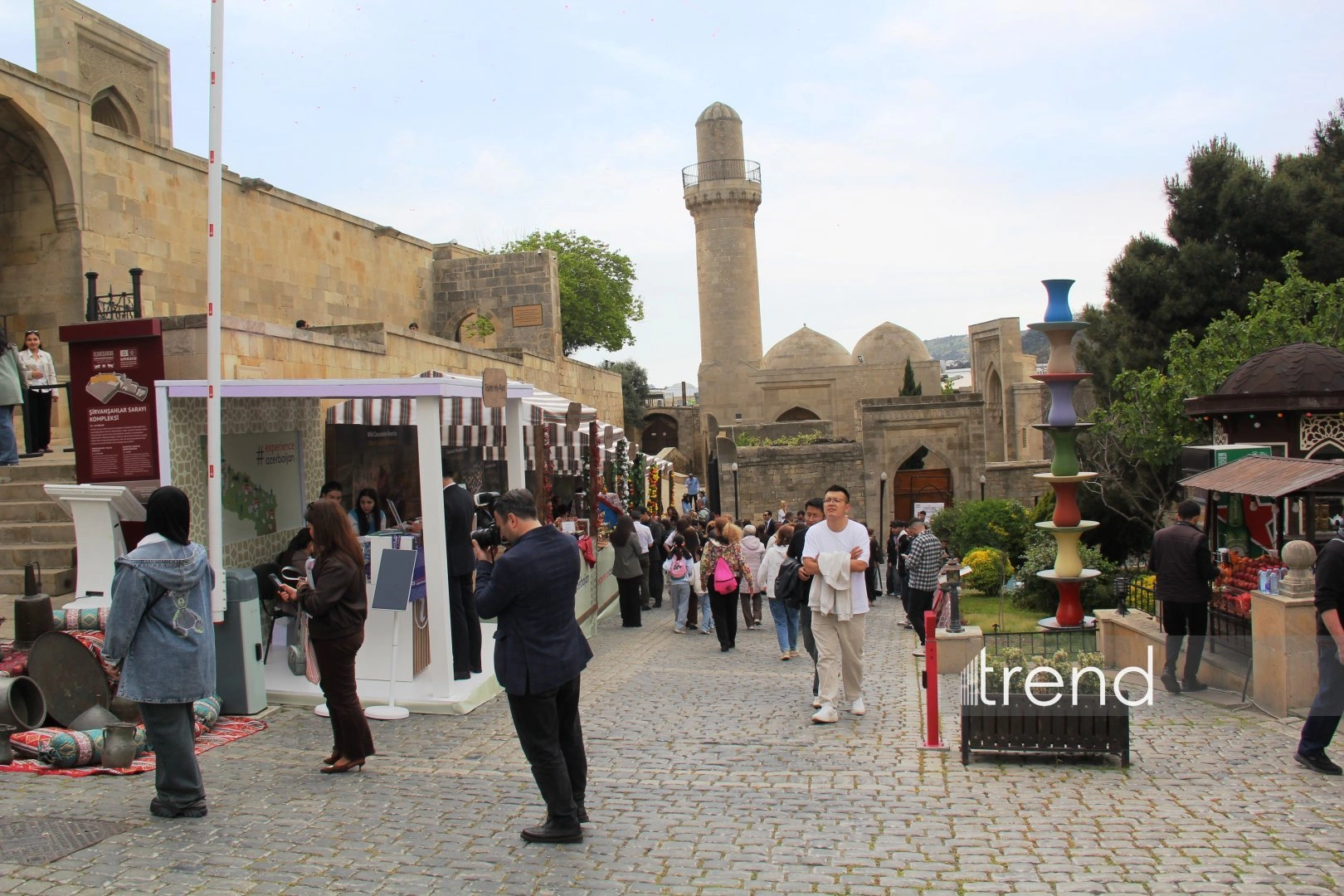
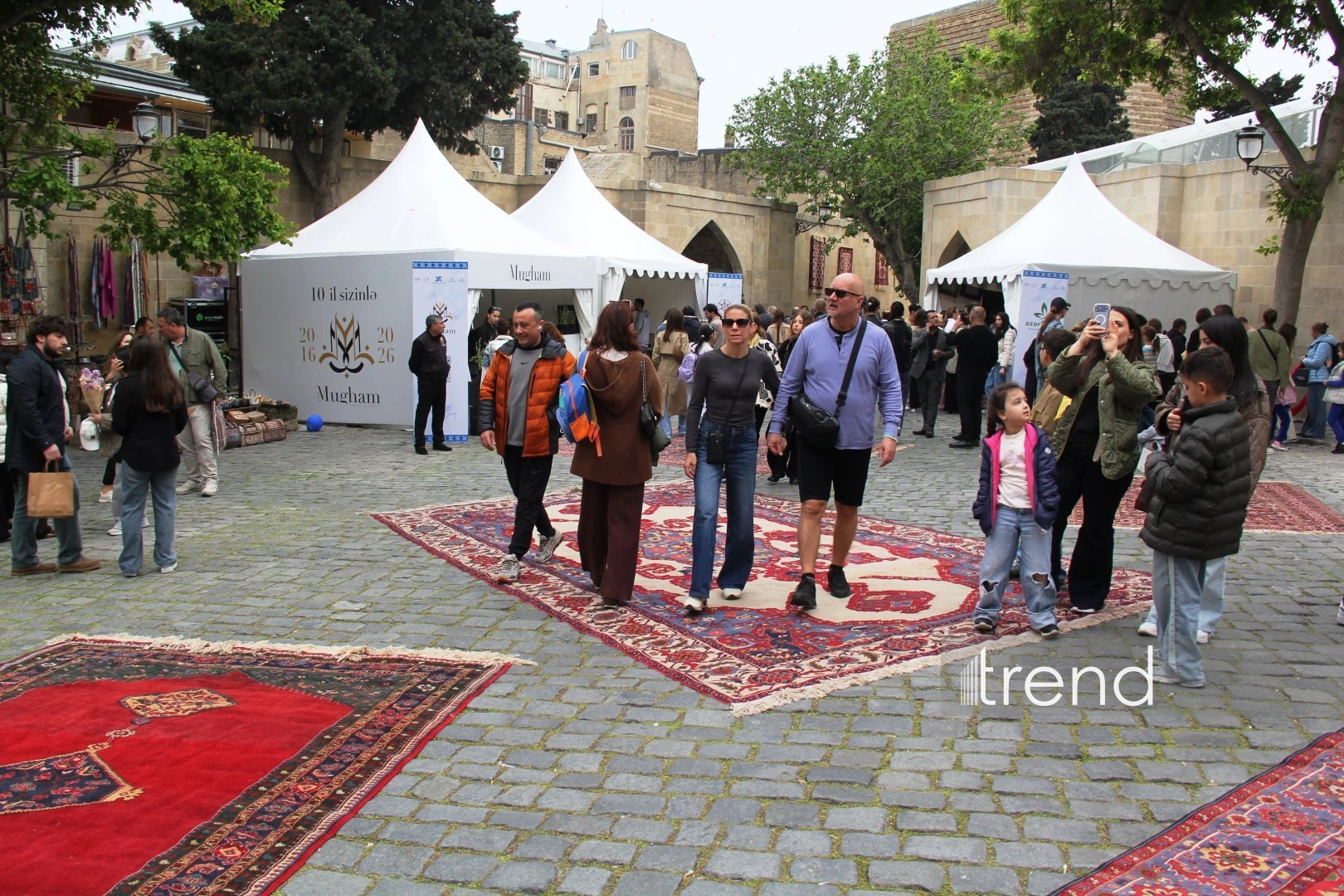
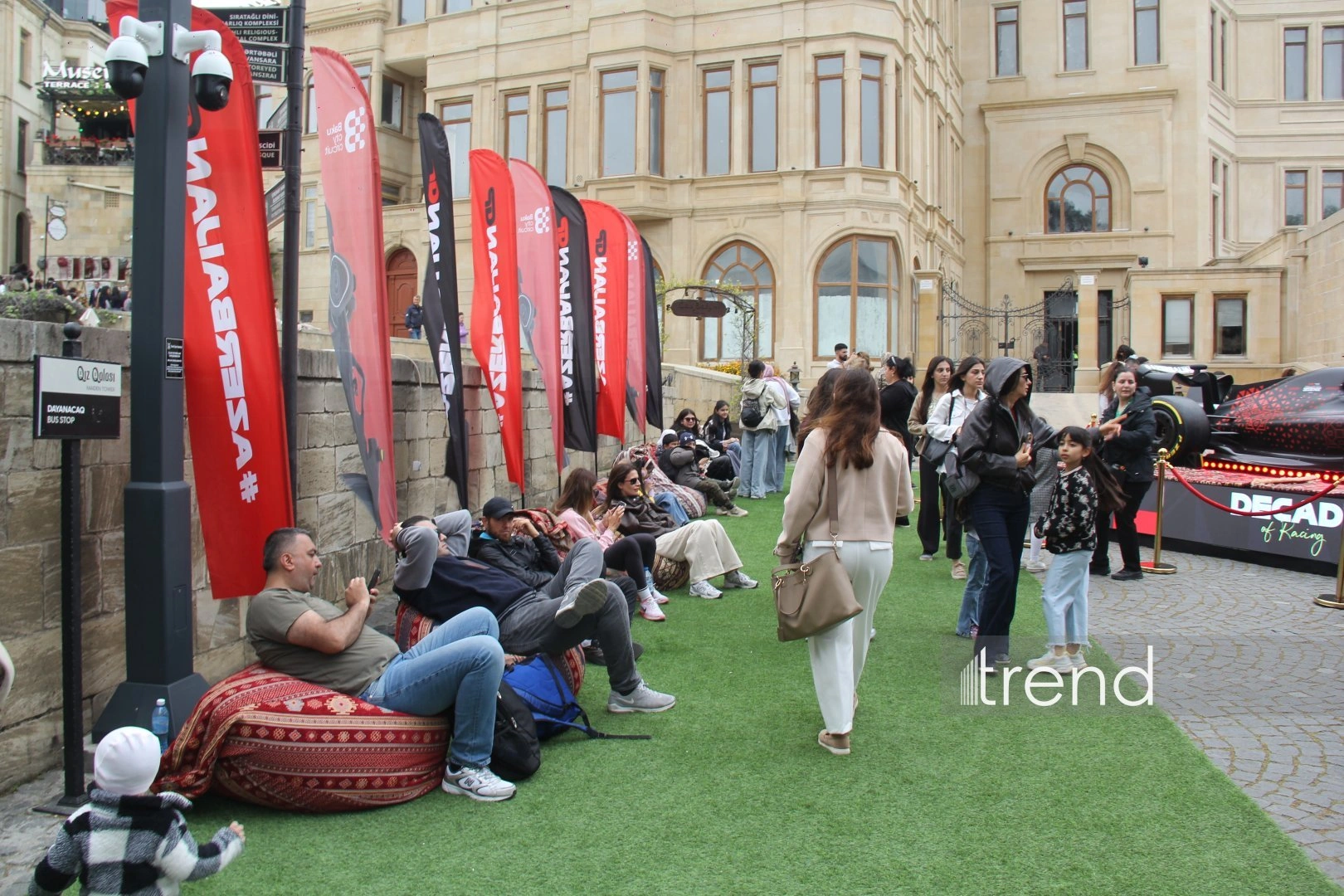
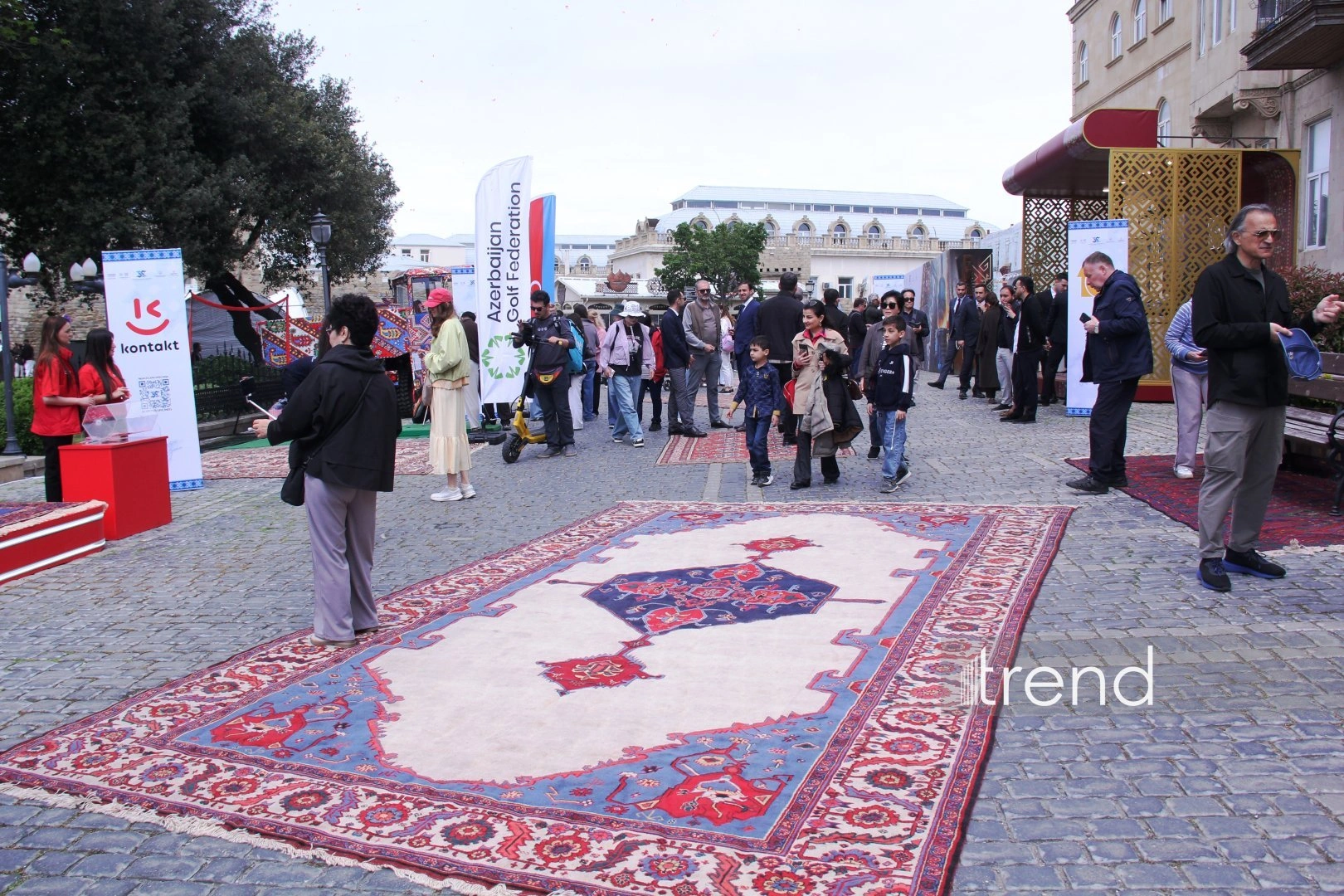
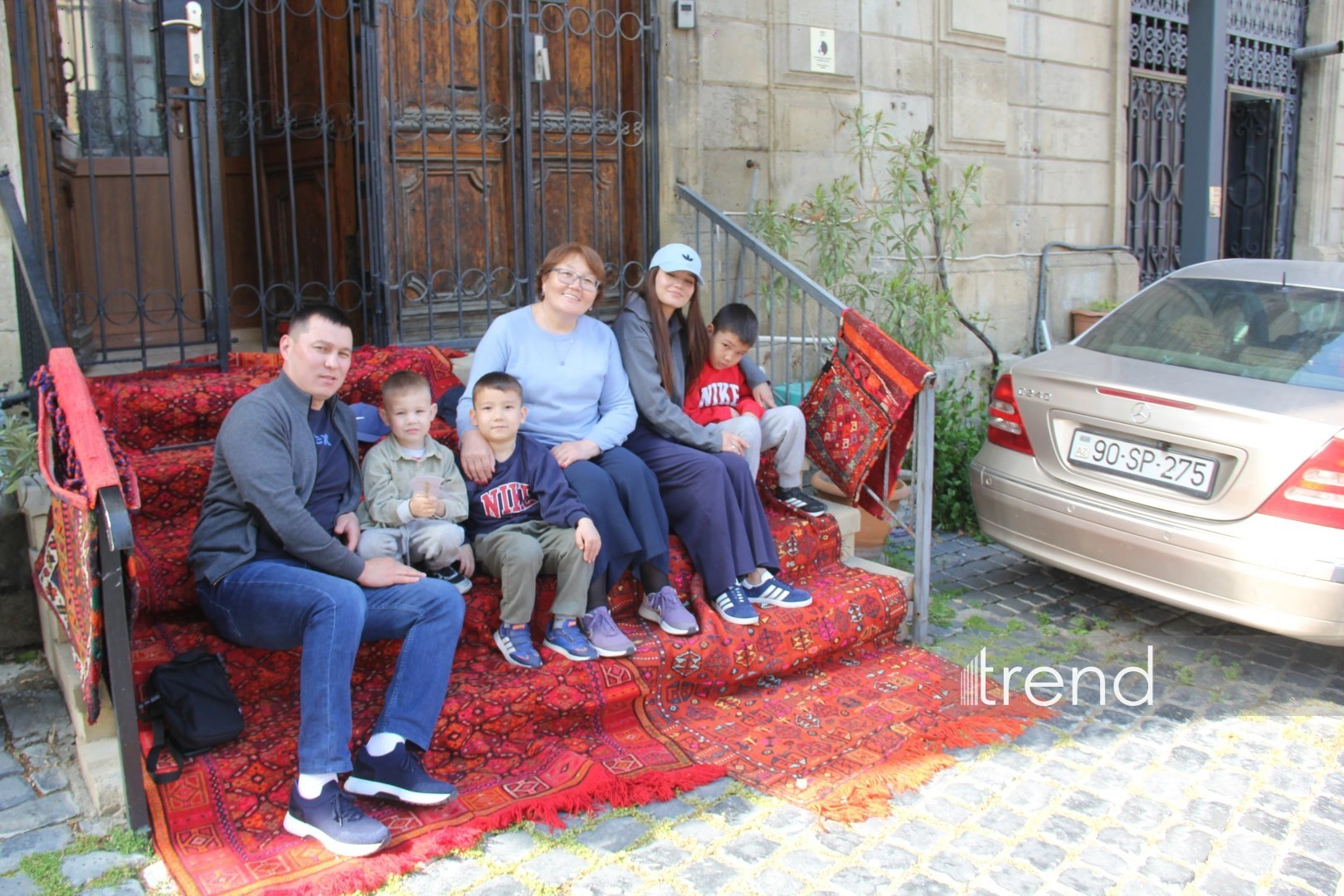
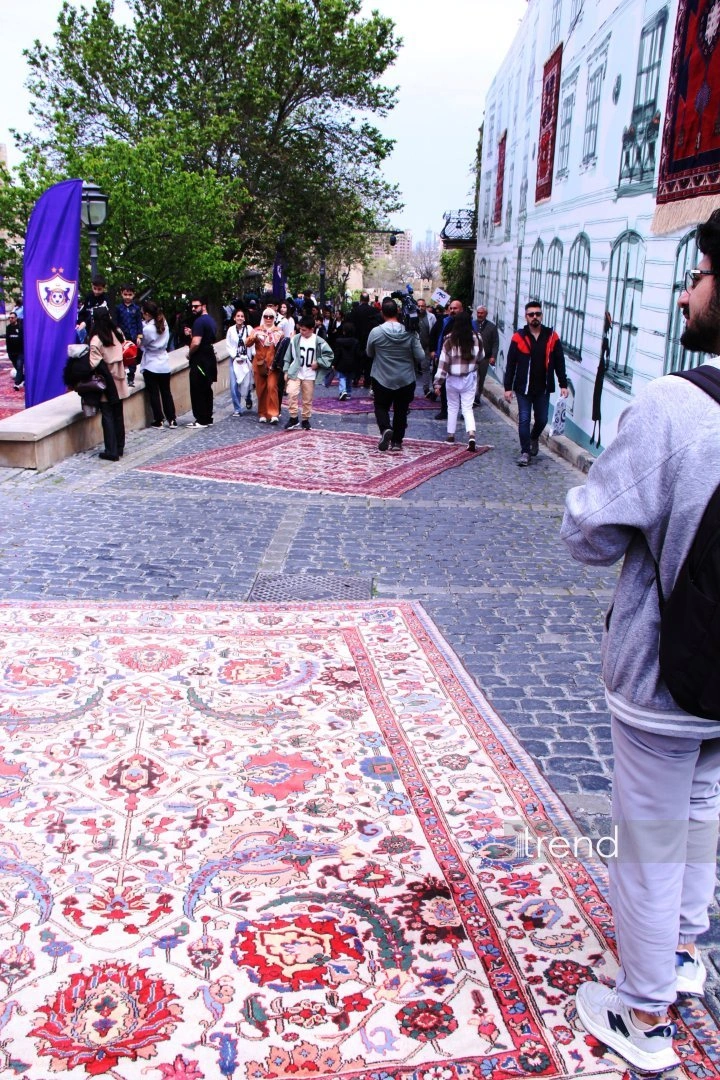
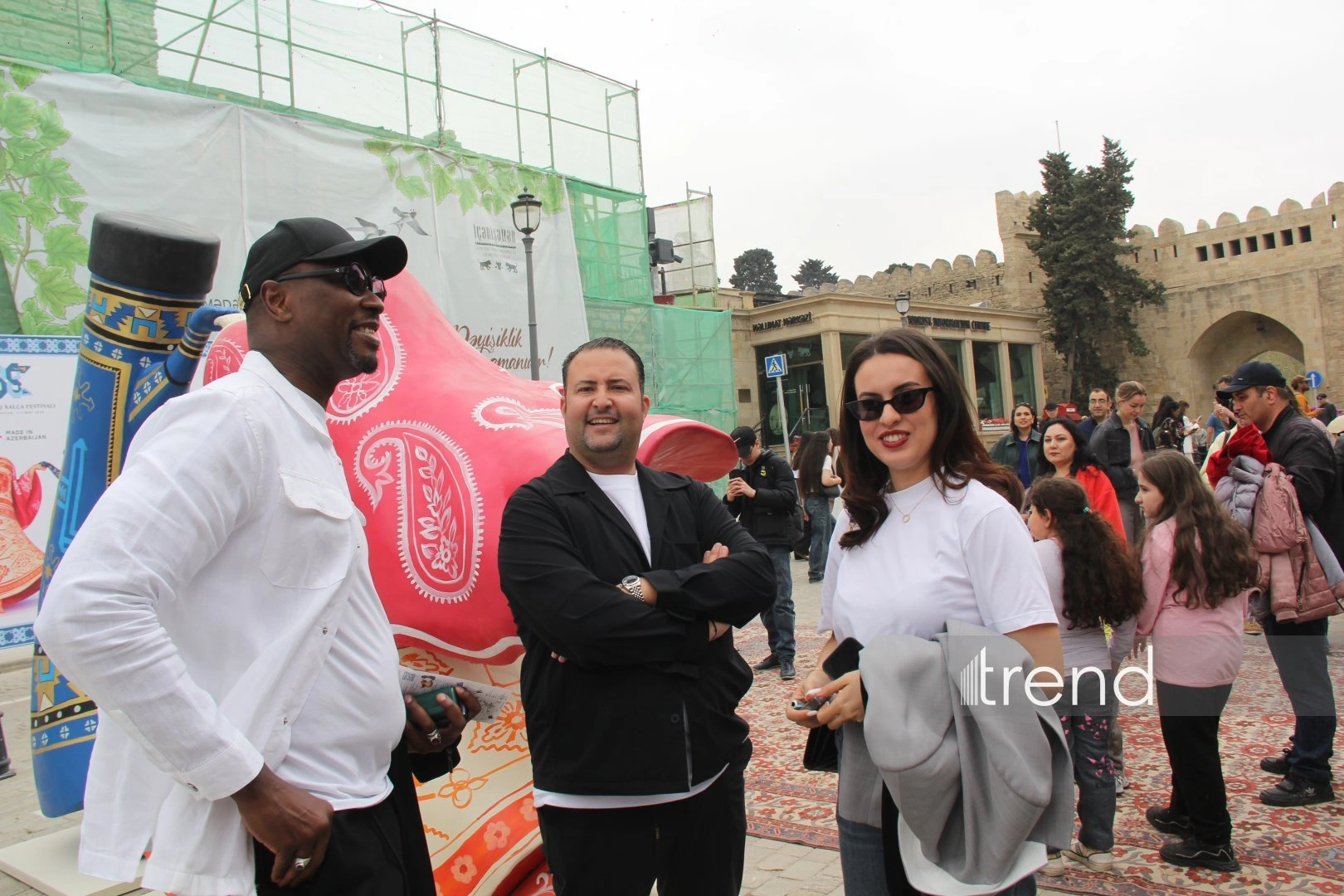
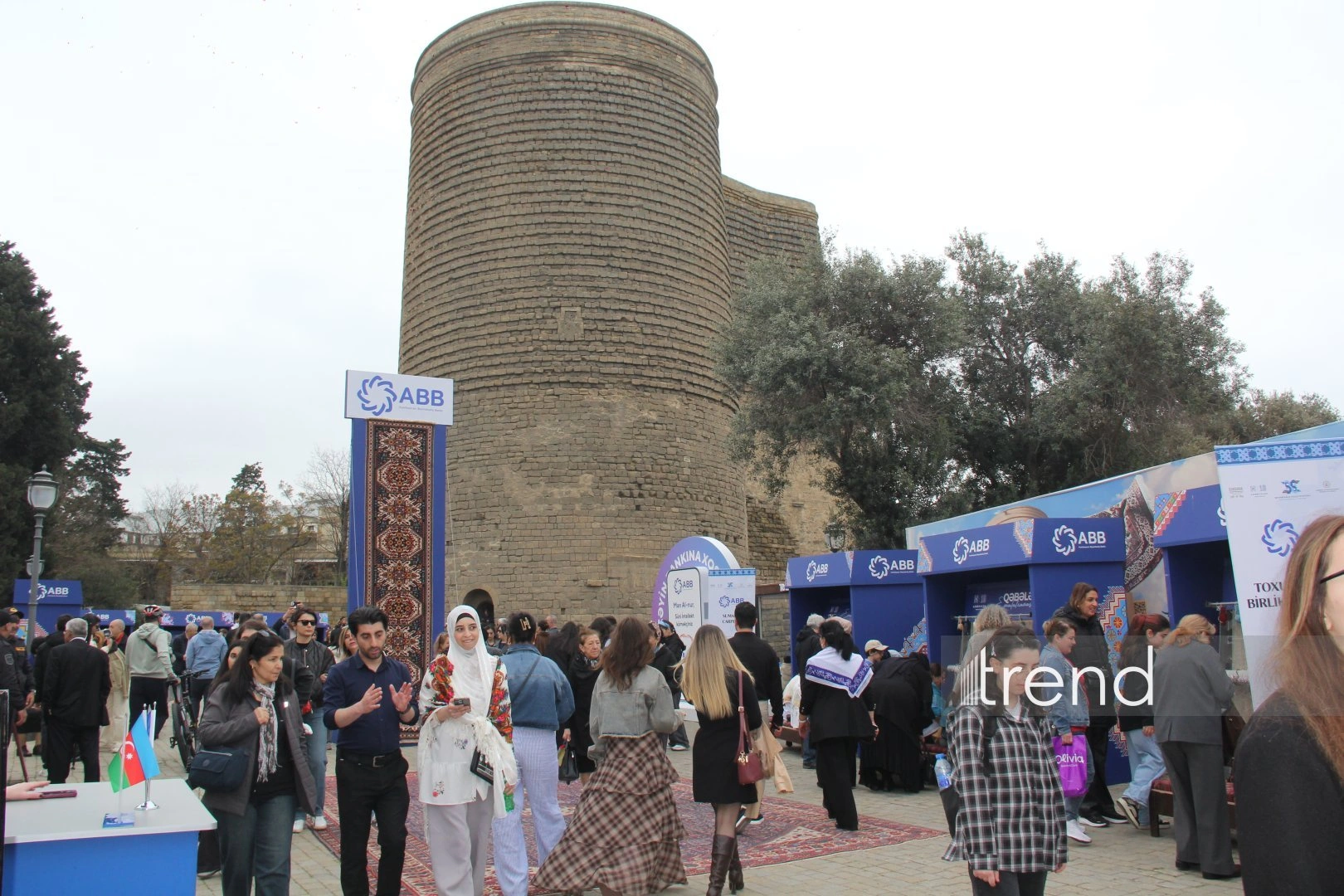
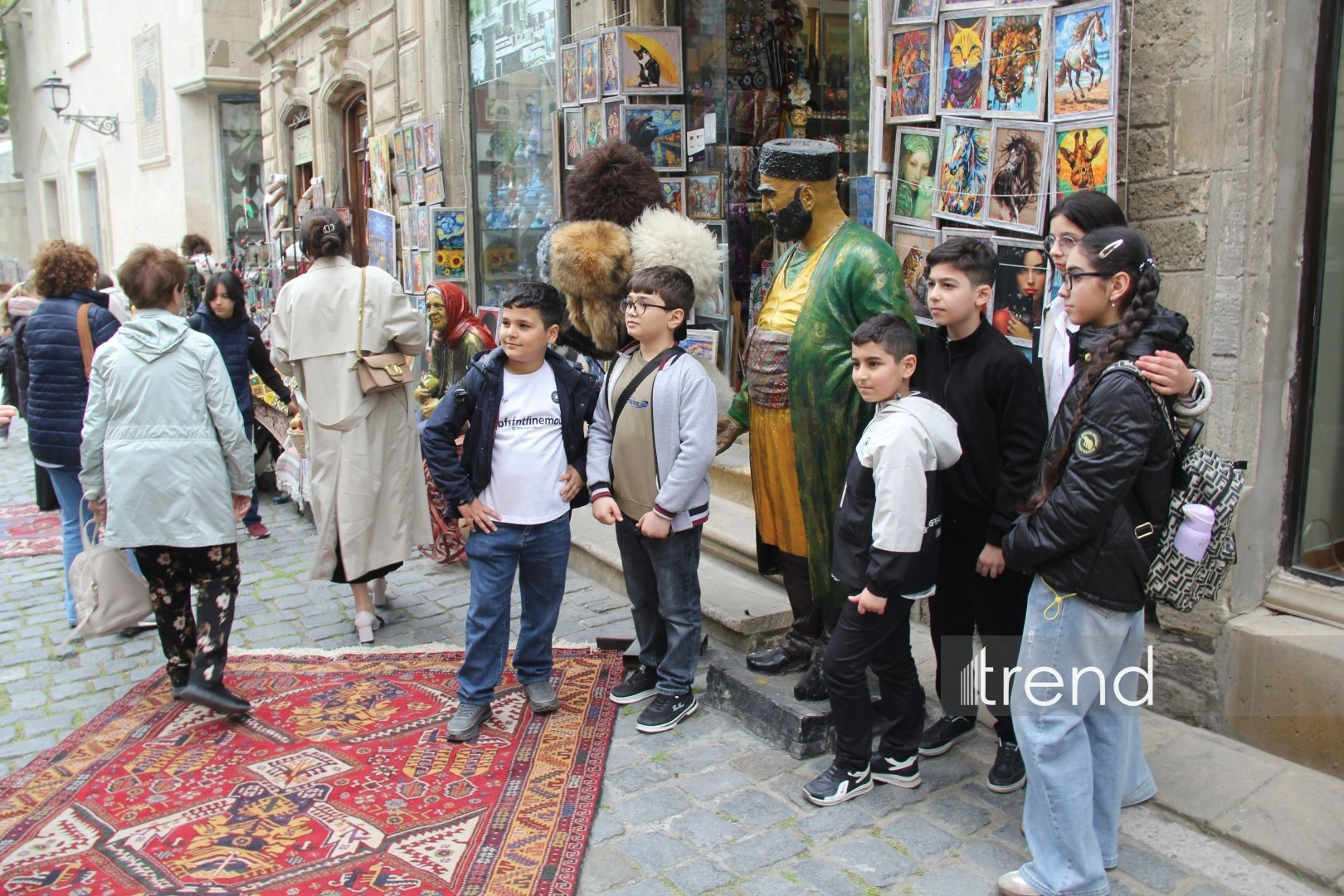
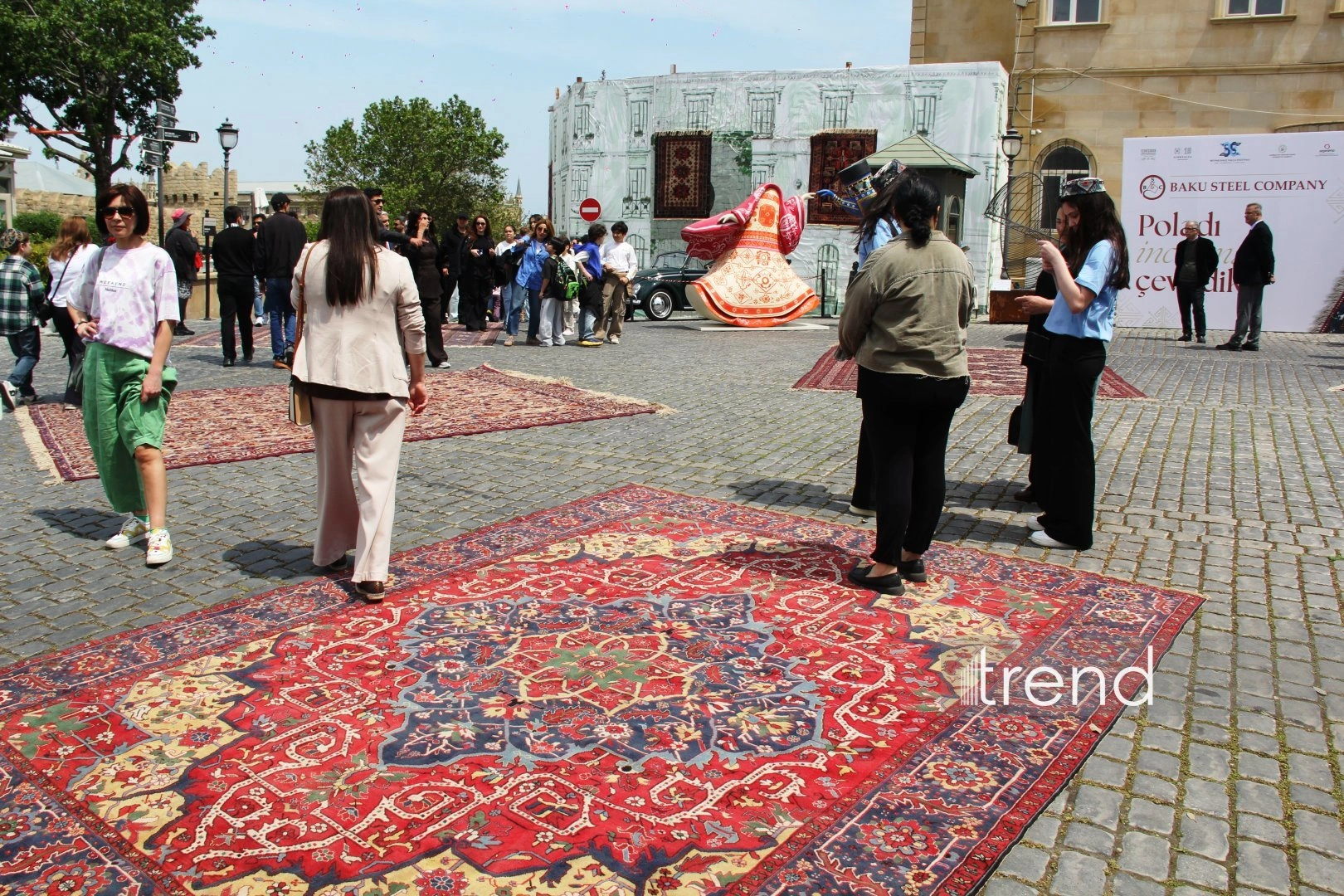
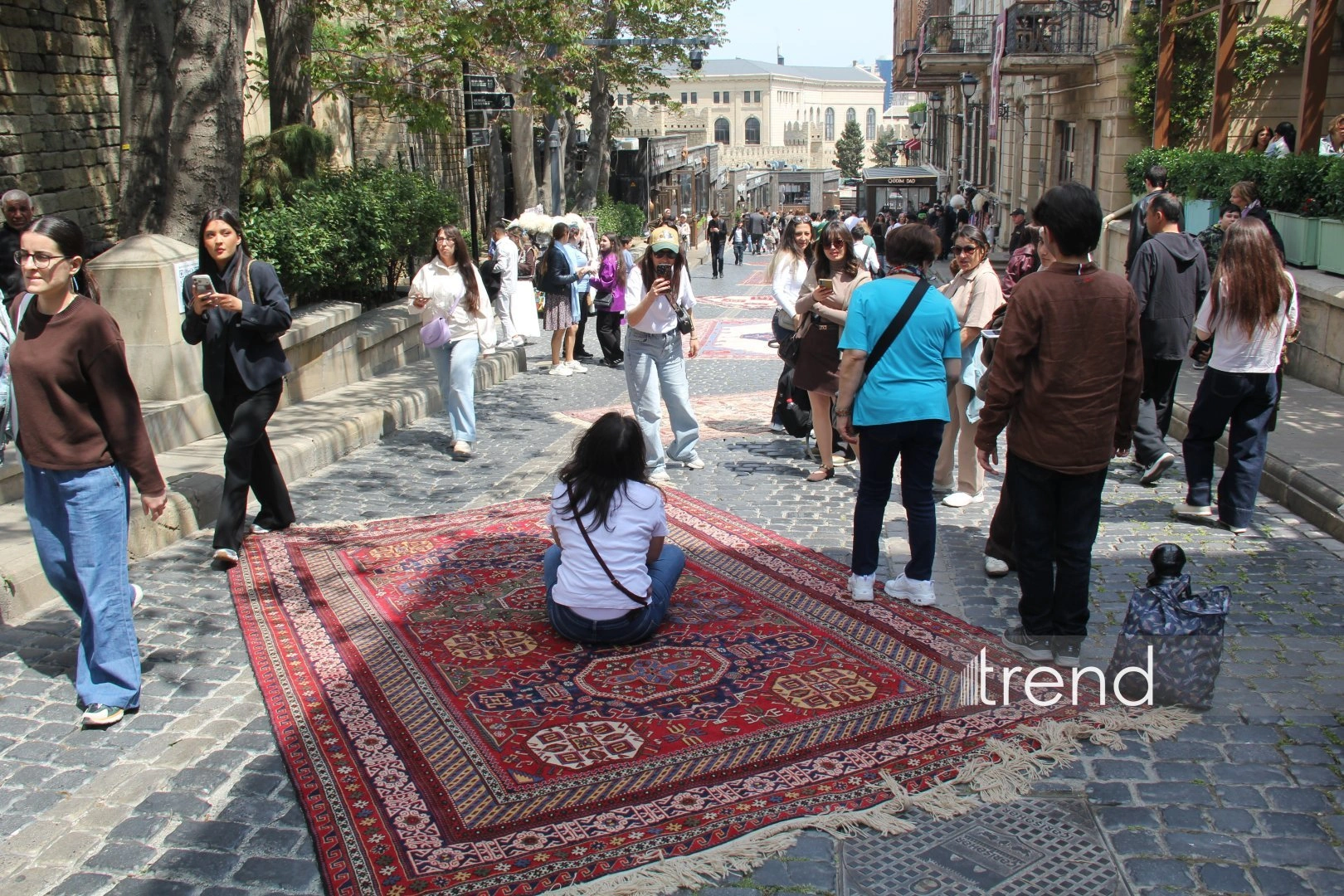
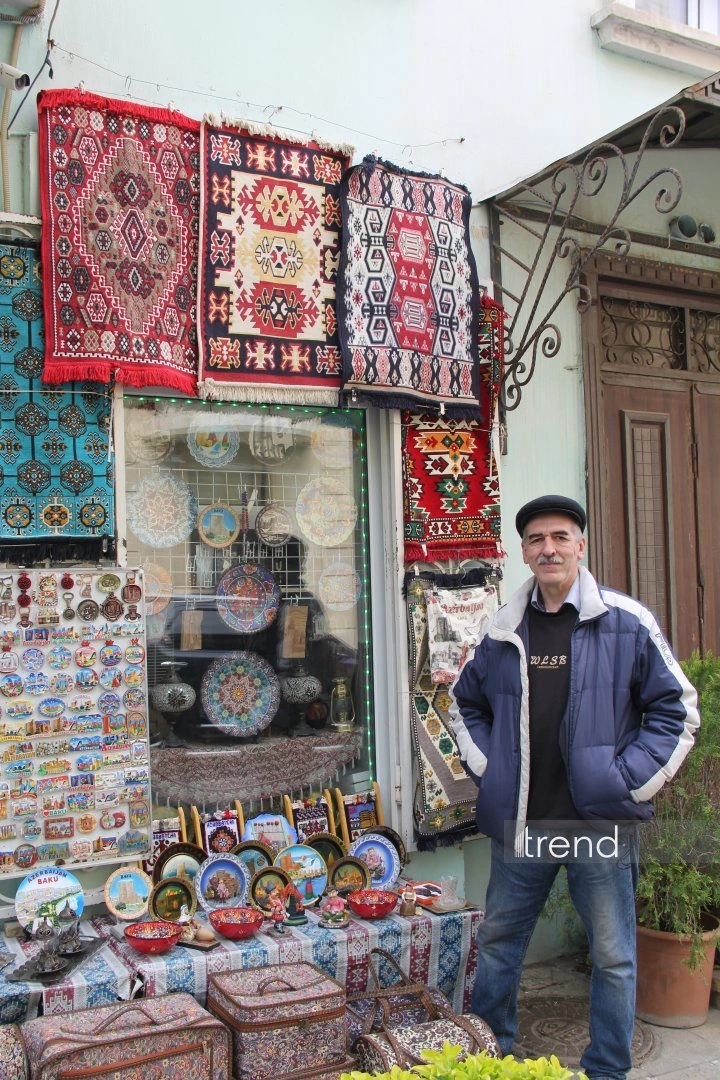
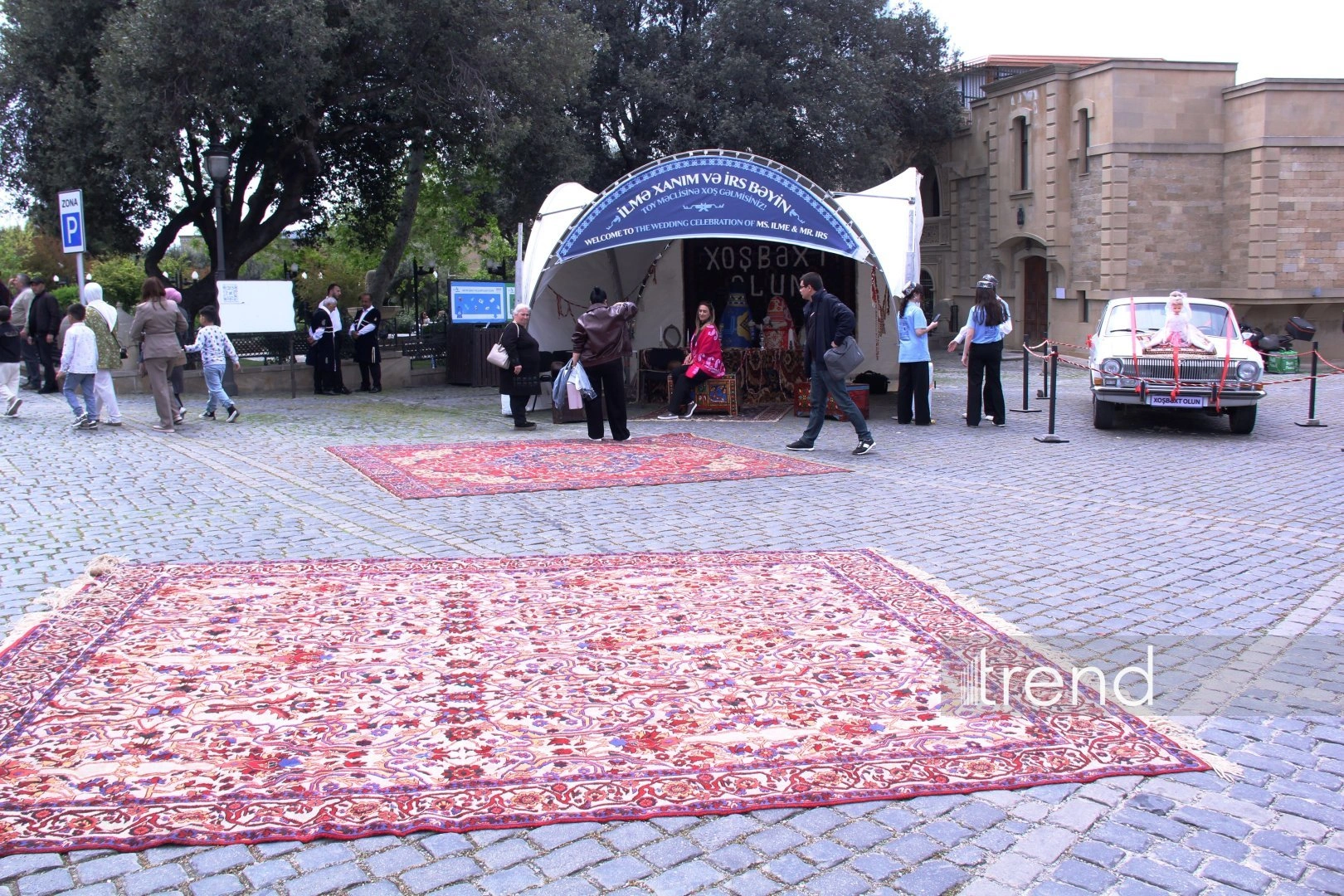
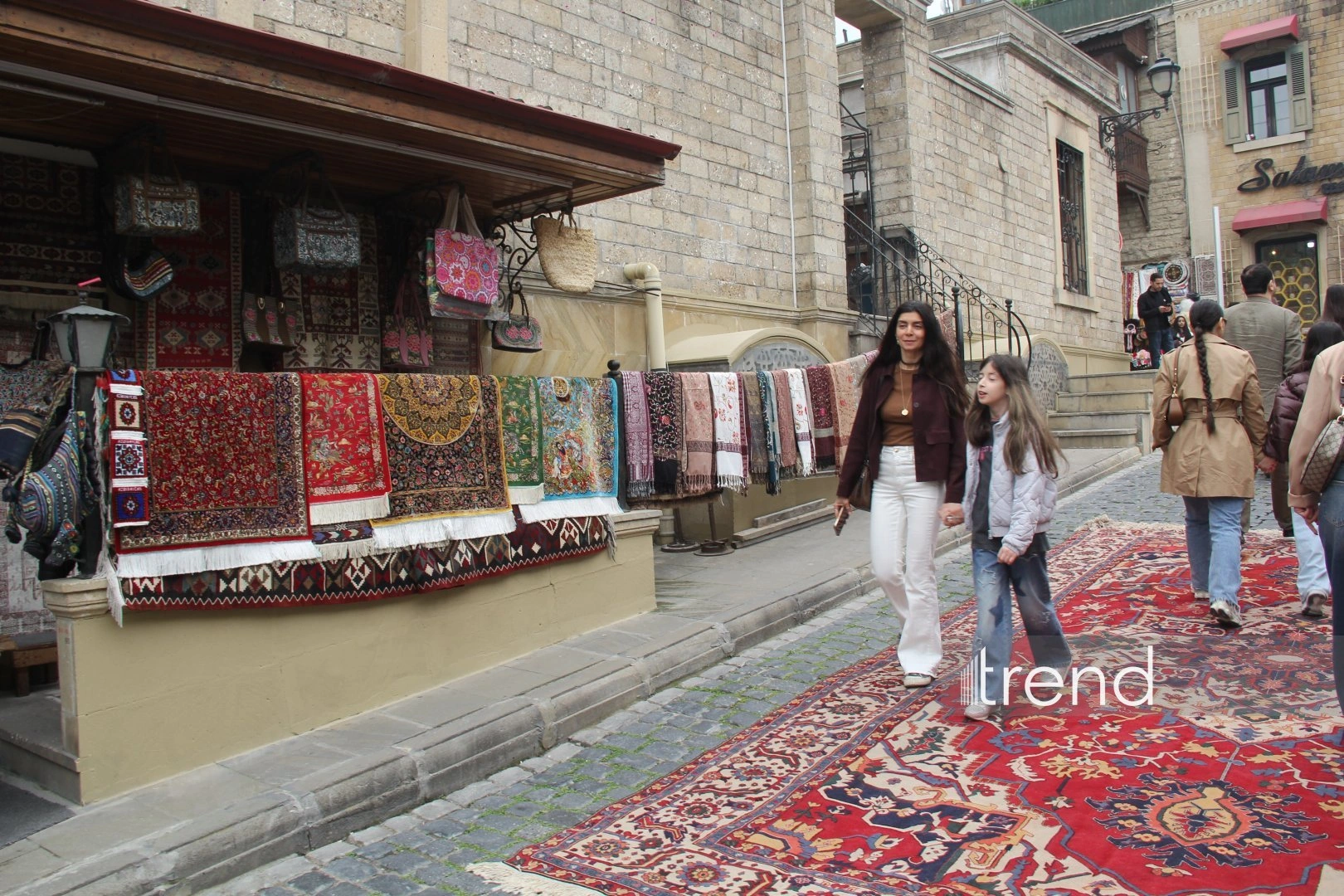
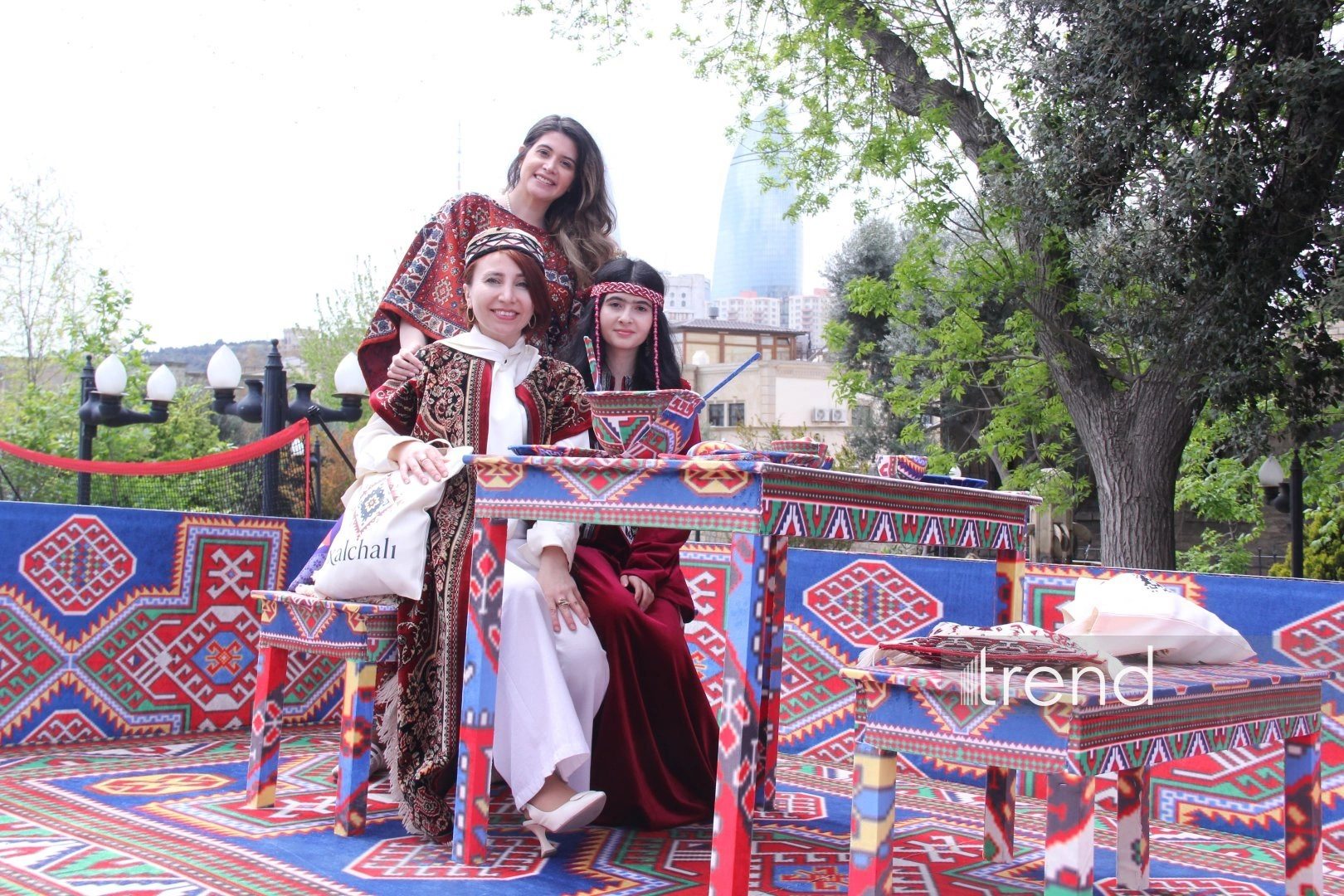
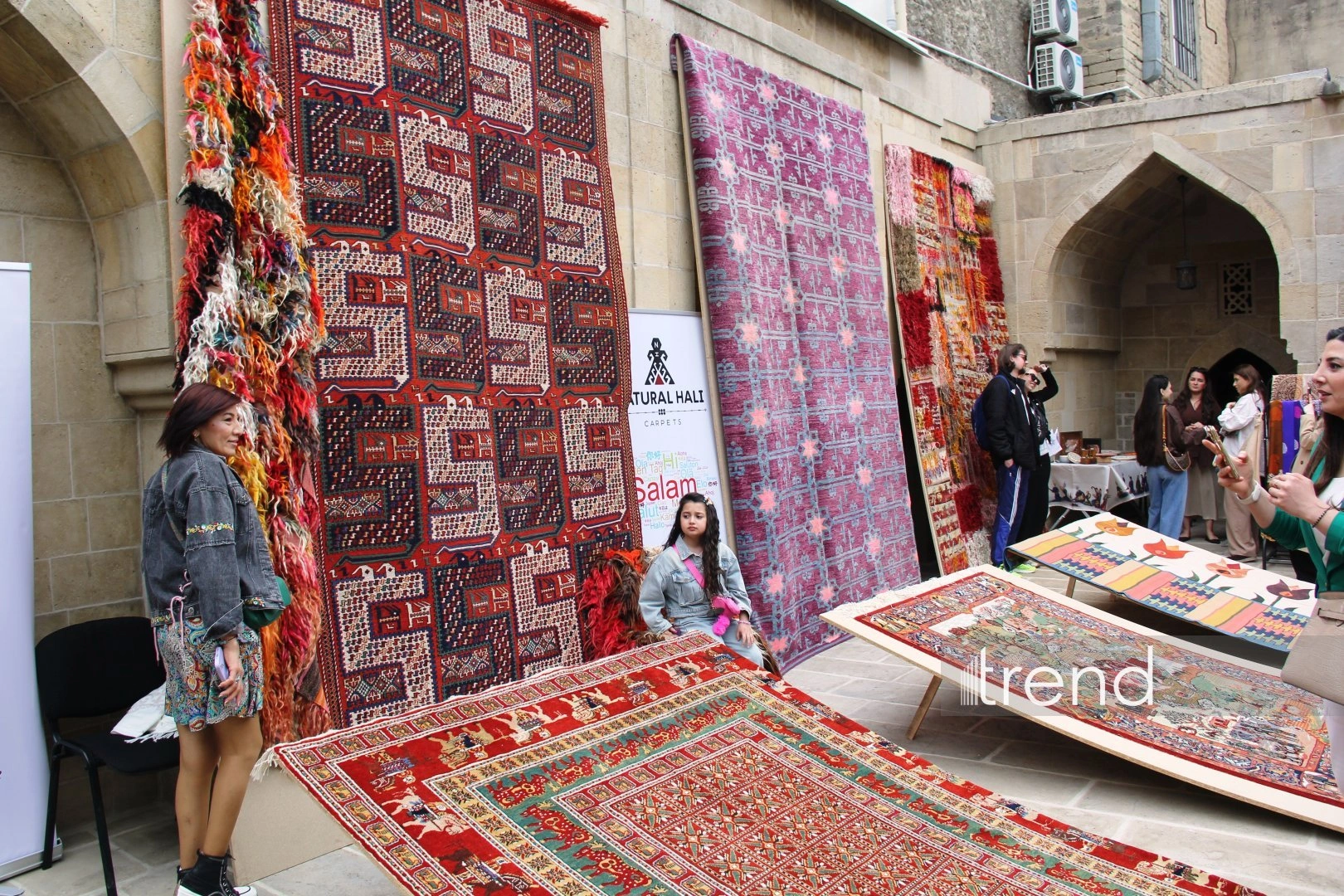
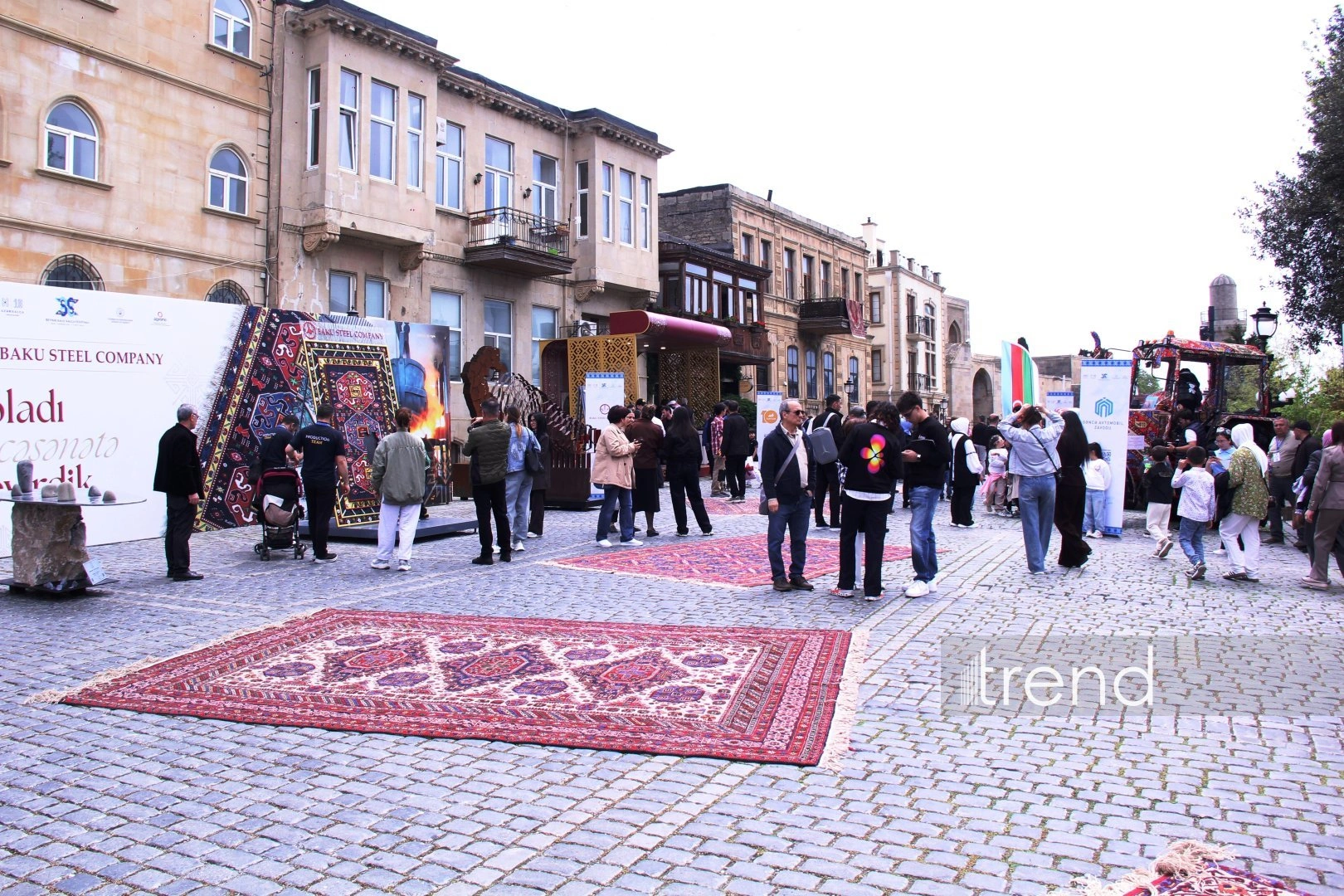
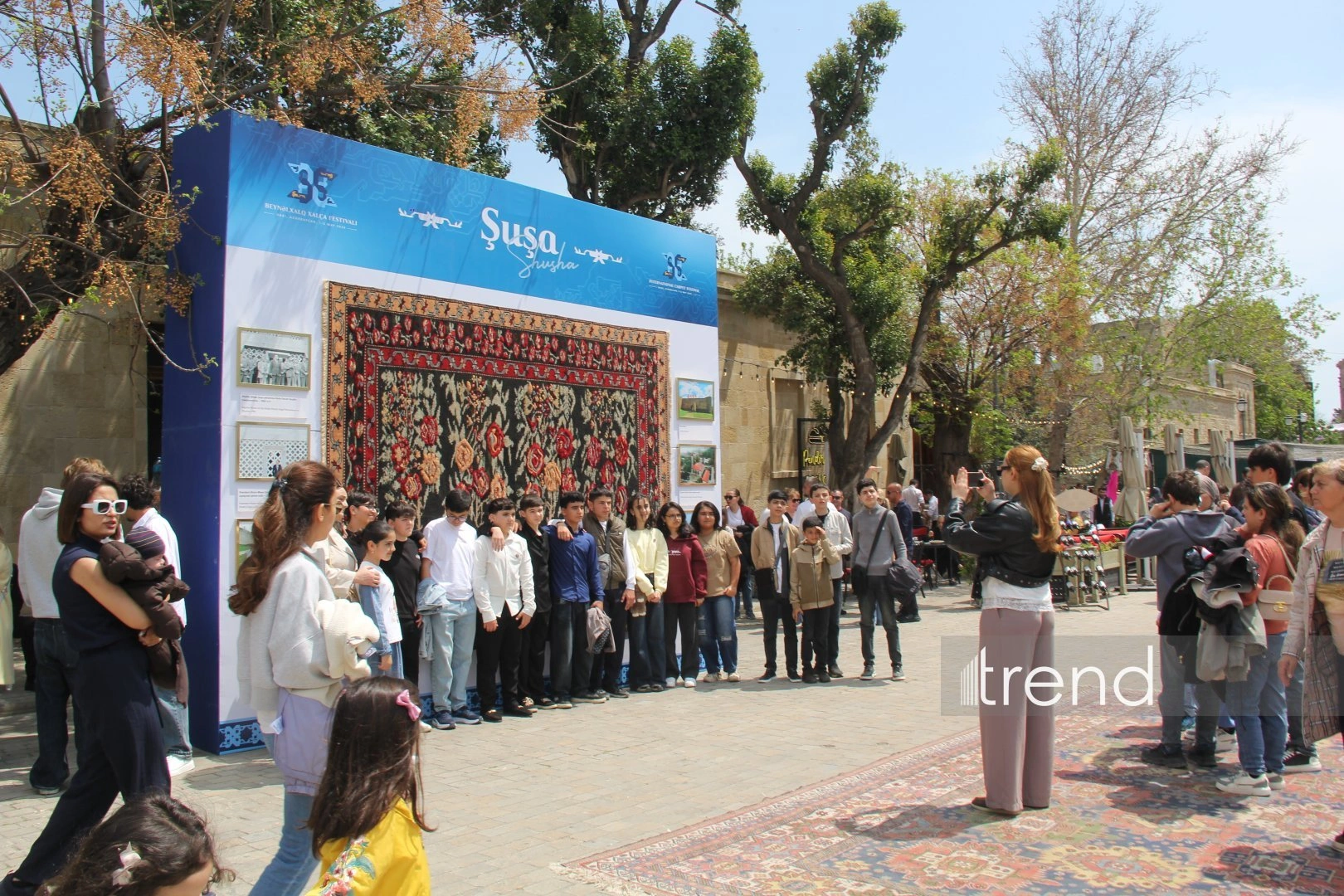
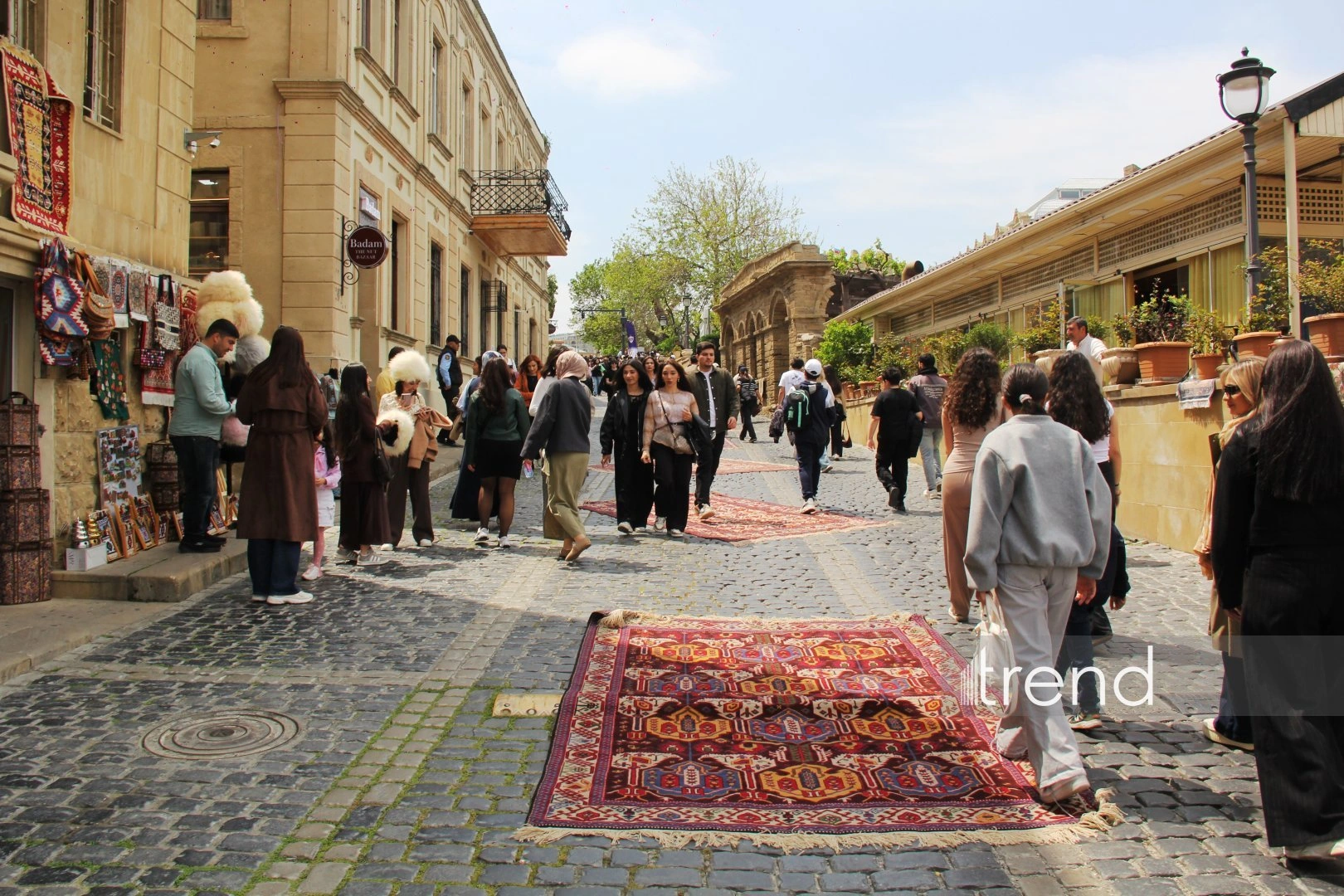
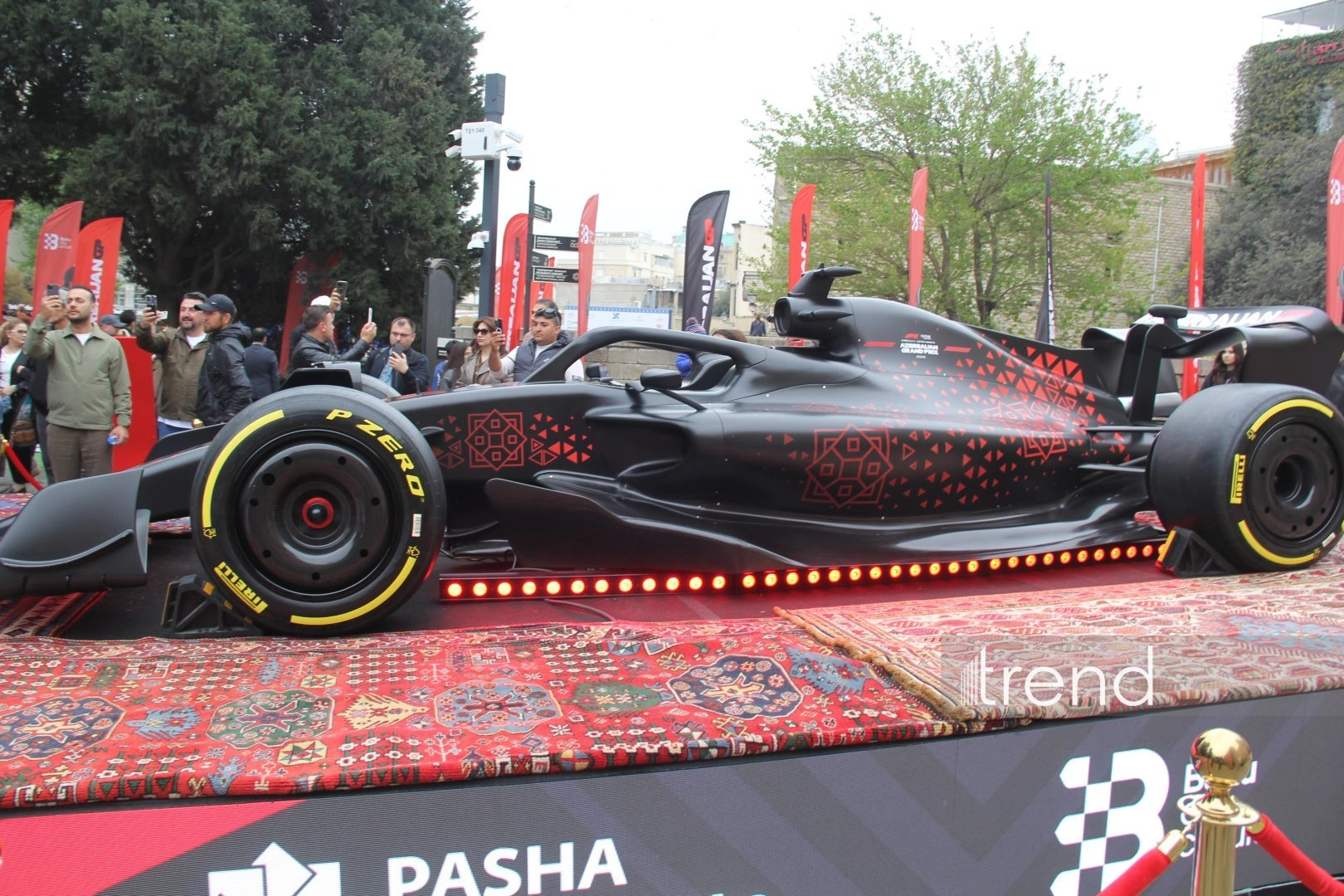
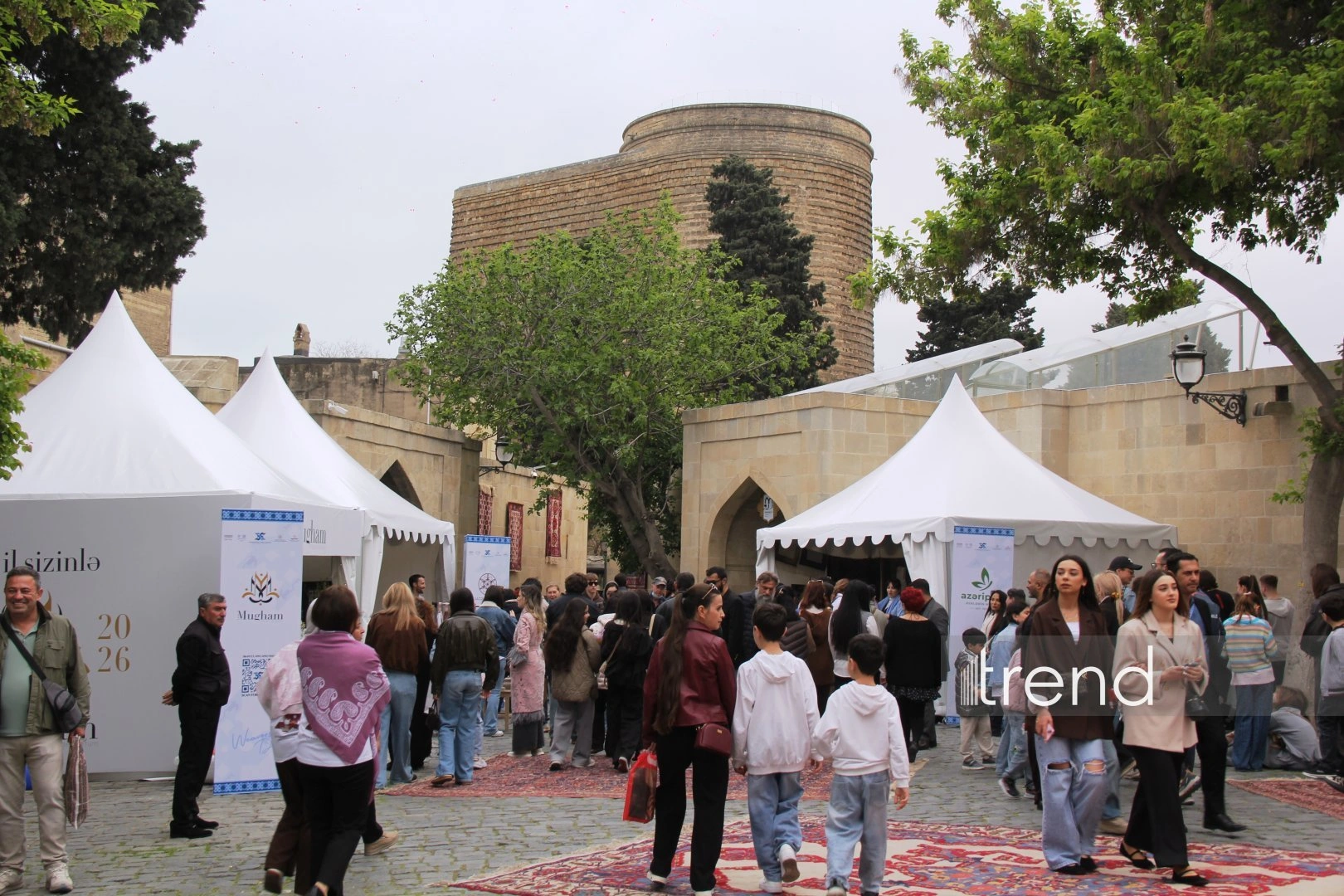
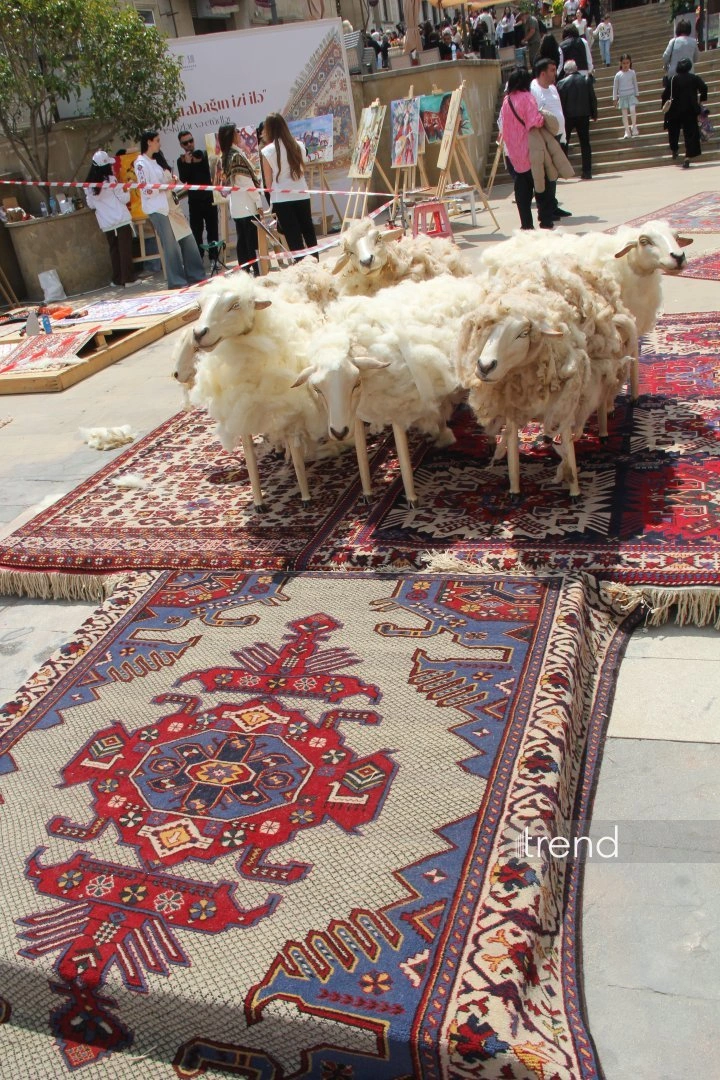
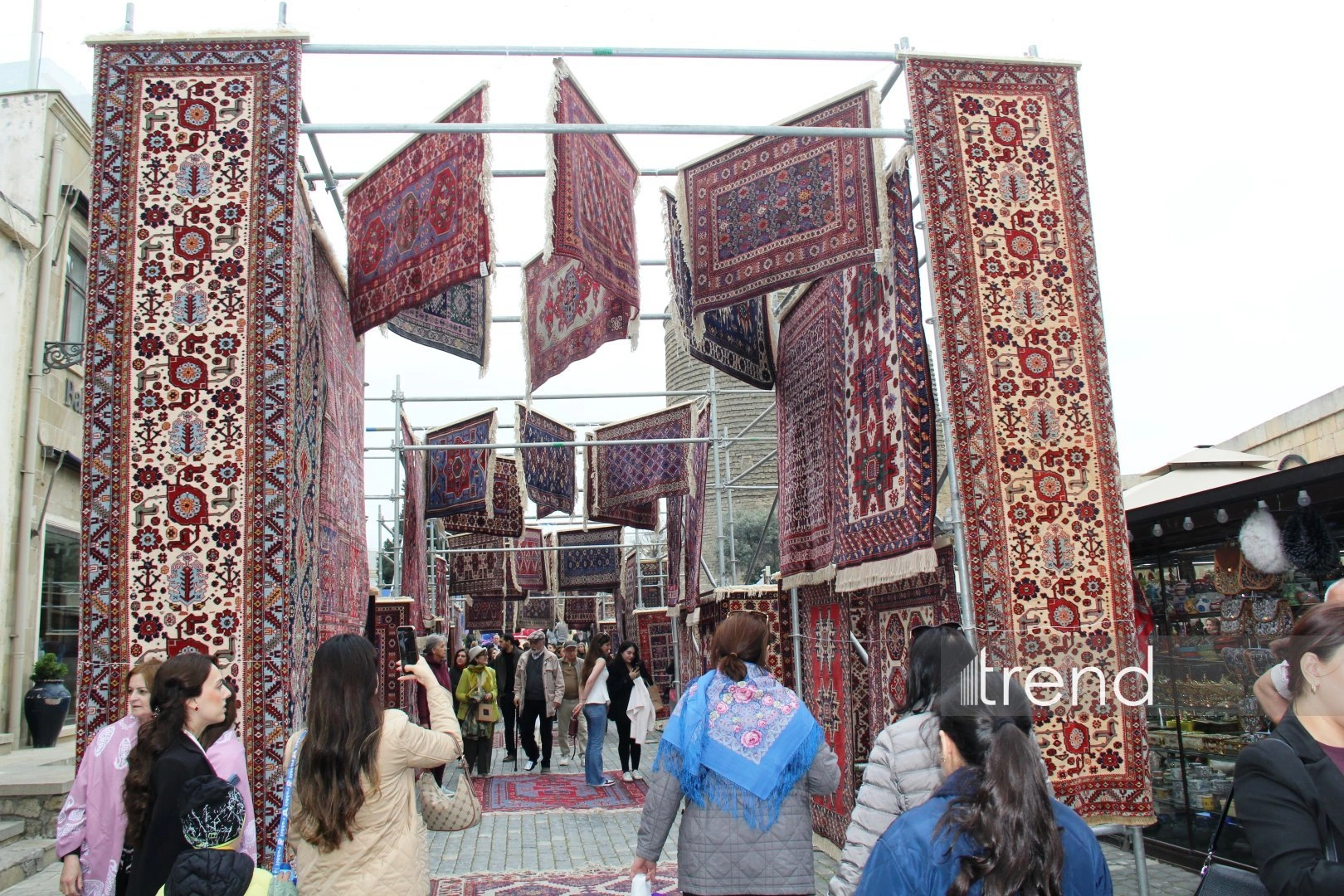
But the real magic unfolded in Icherisheher. From that day on,
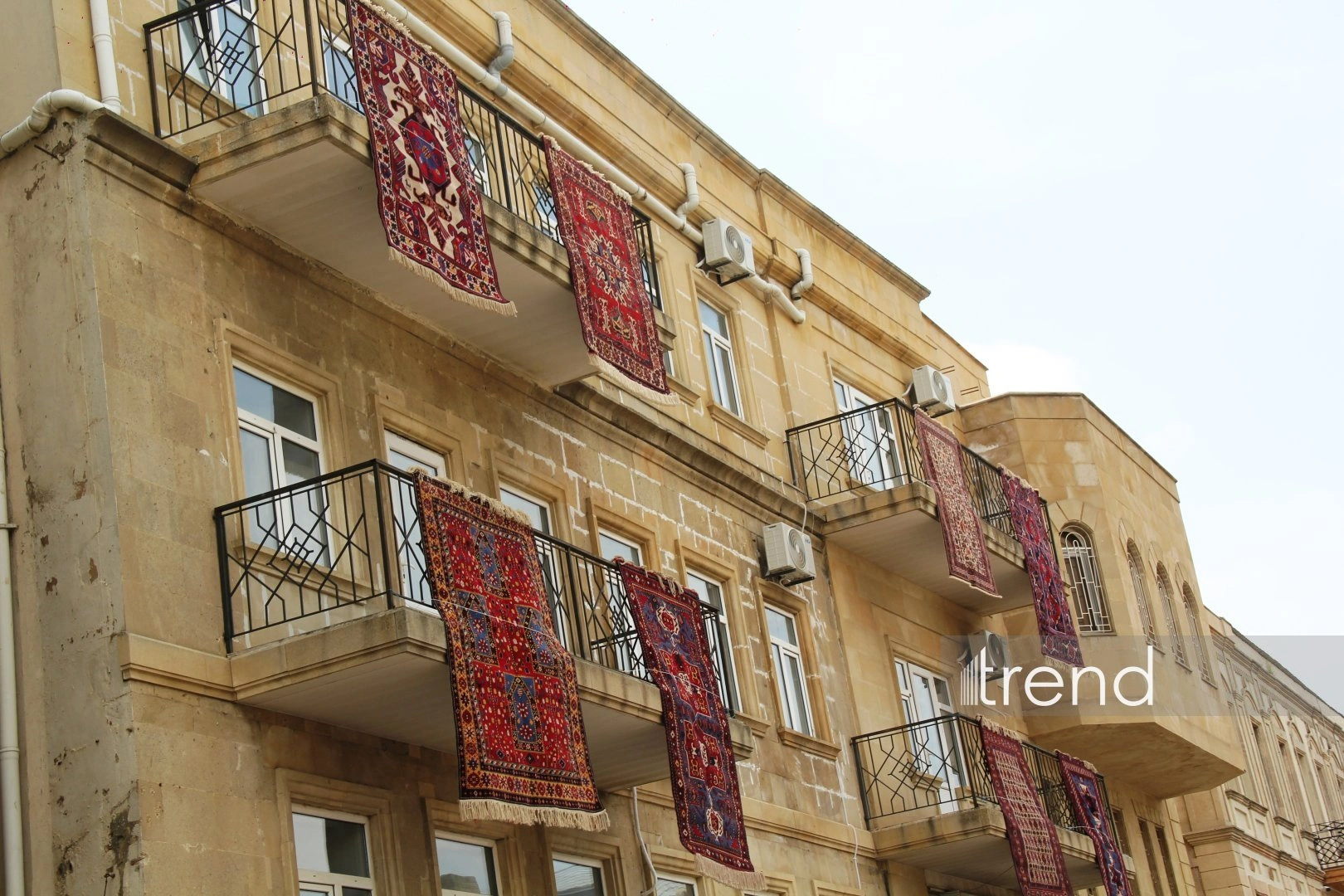
the ancient city was transformed into an open gallery: carpets
adorned squares, courtyards, and even the walls of historic
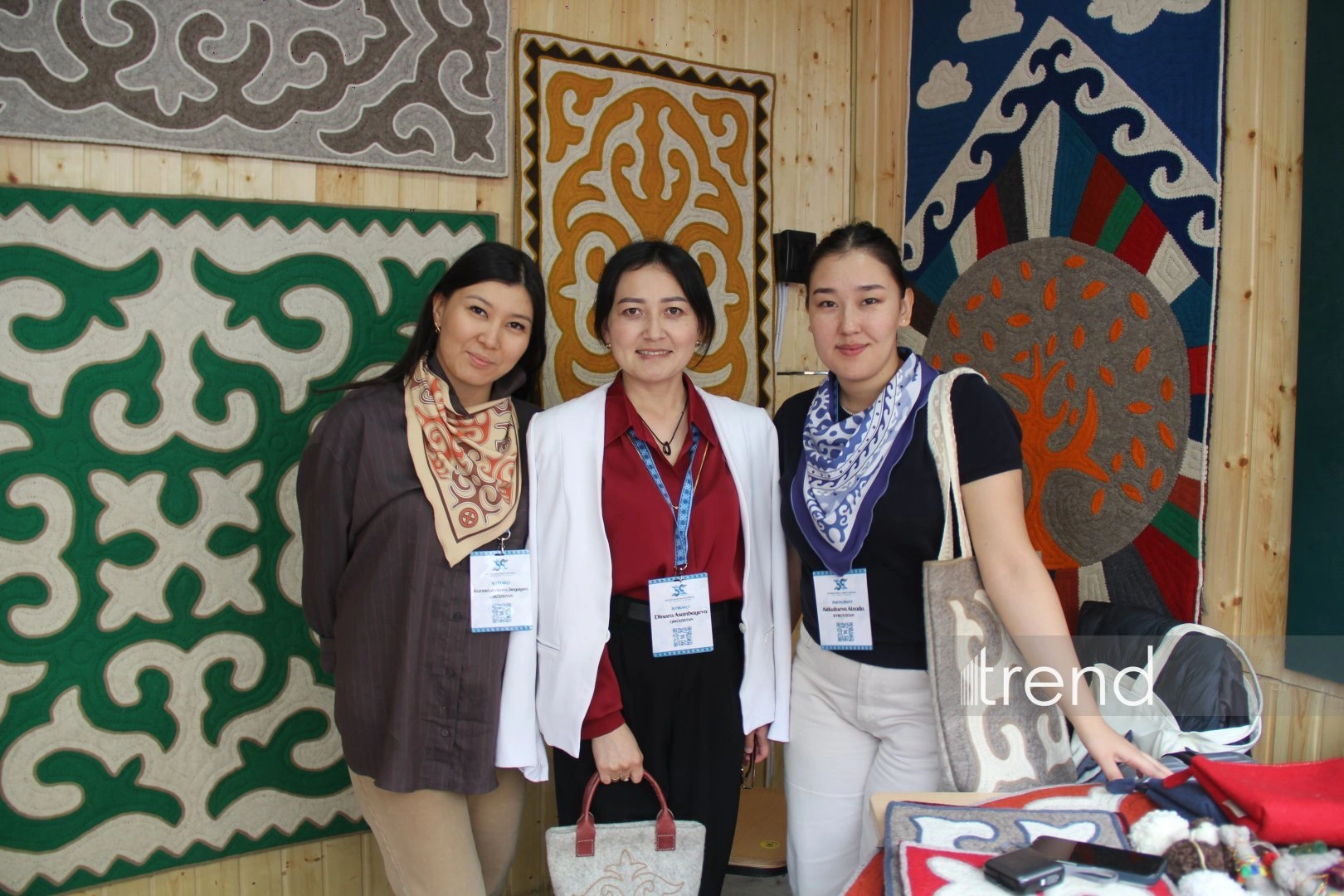
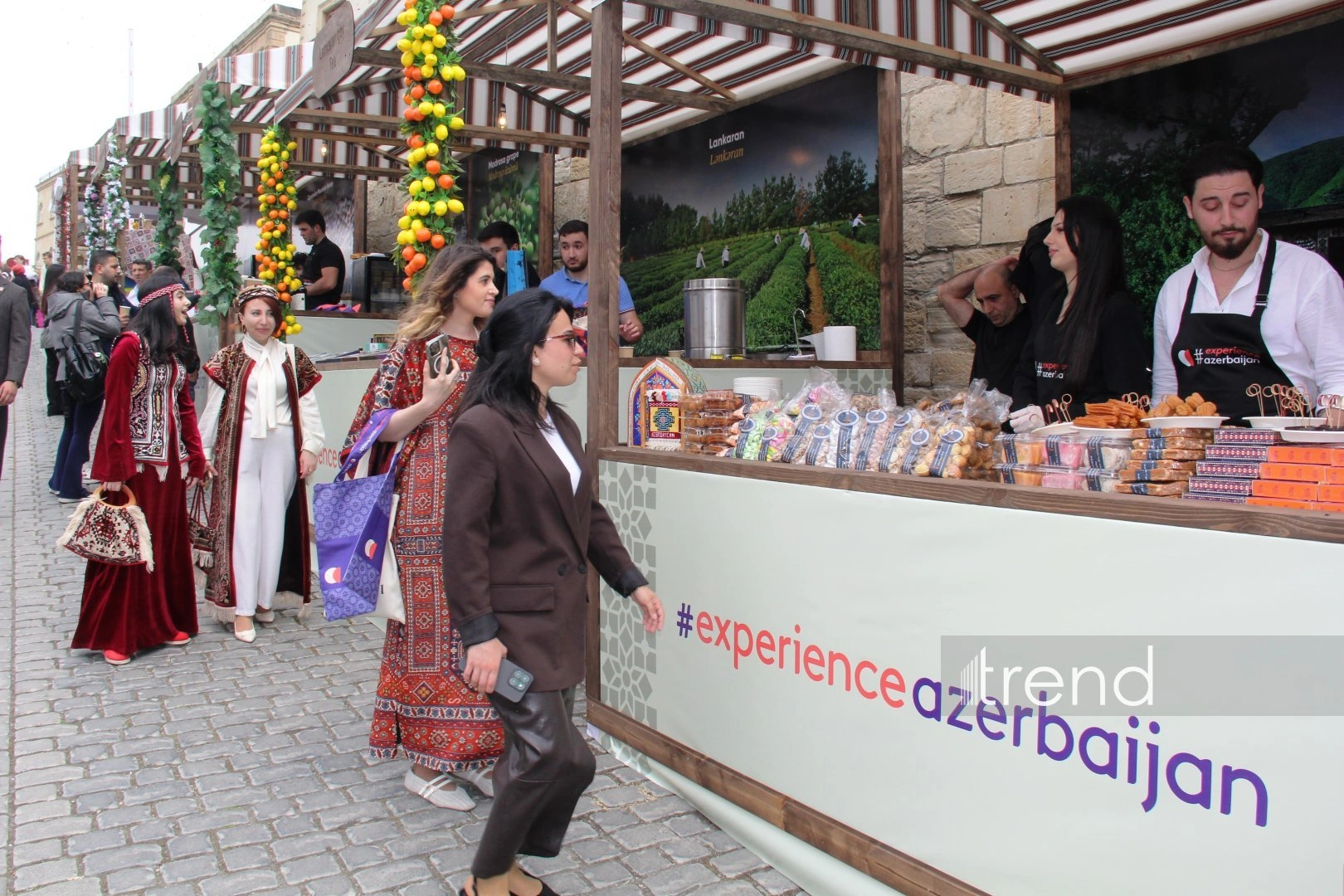
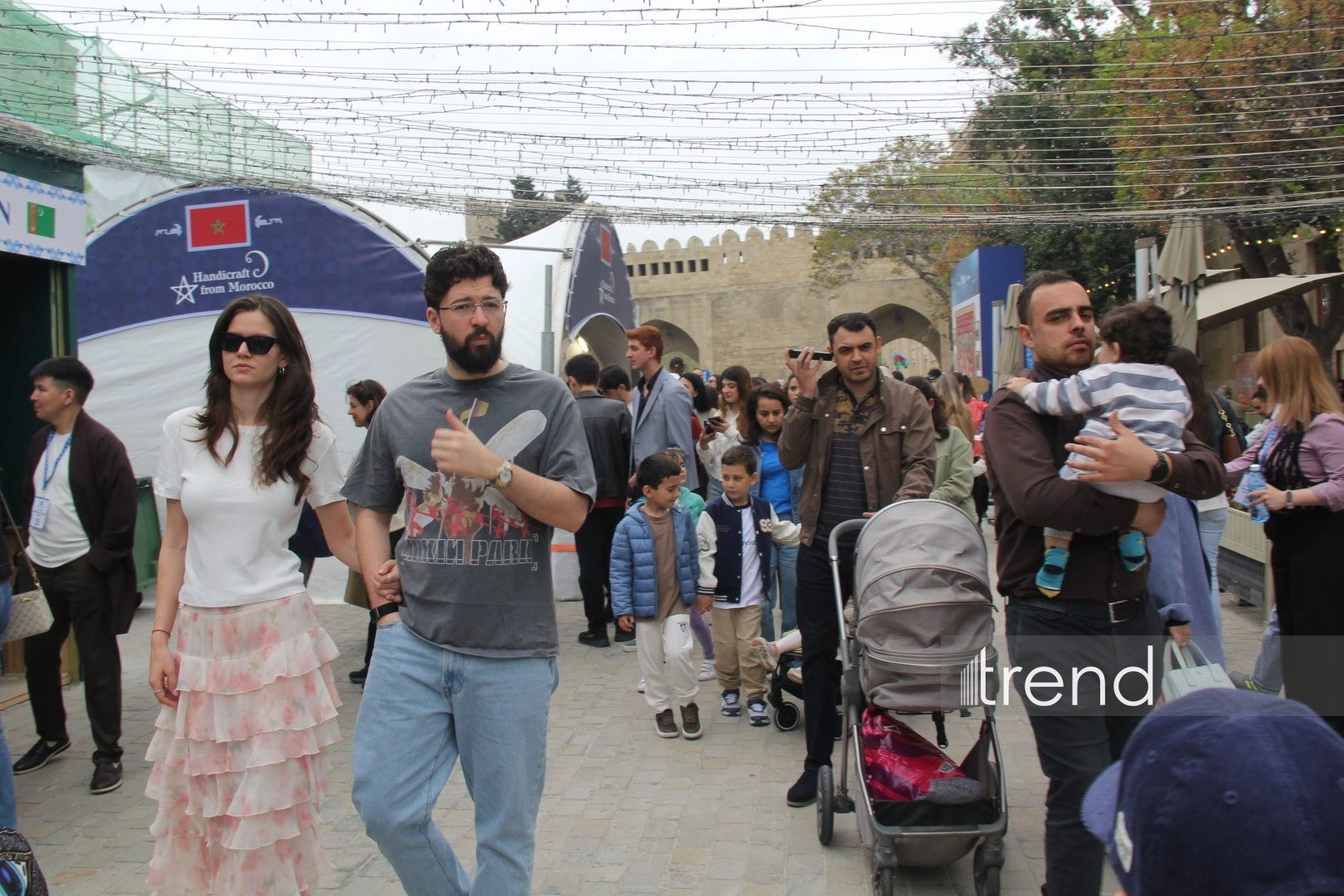
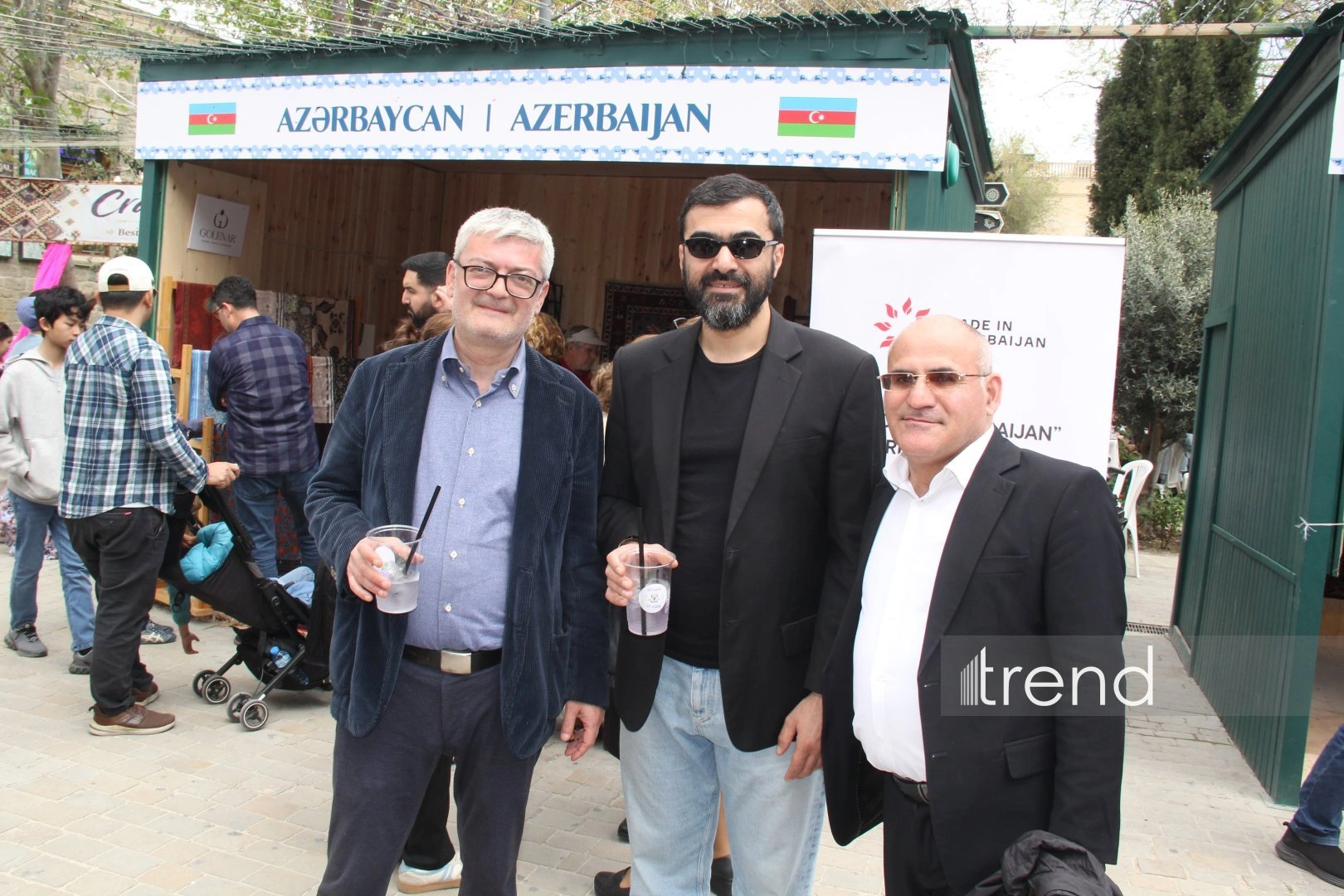
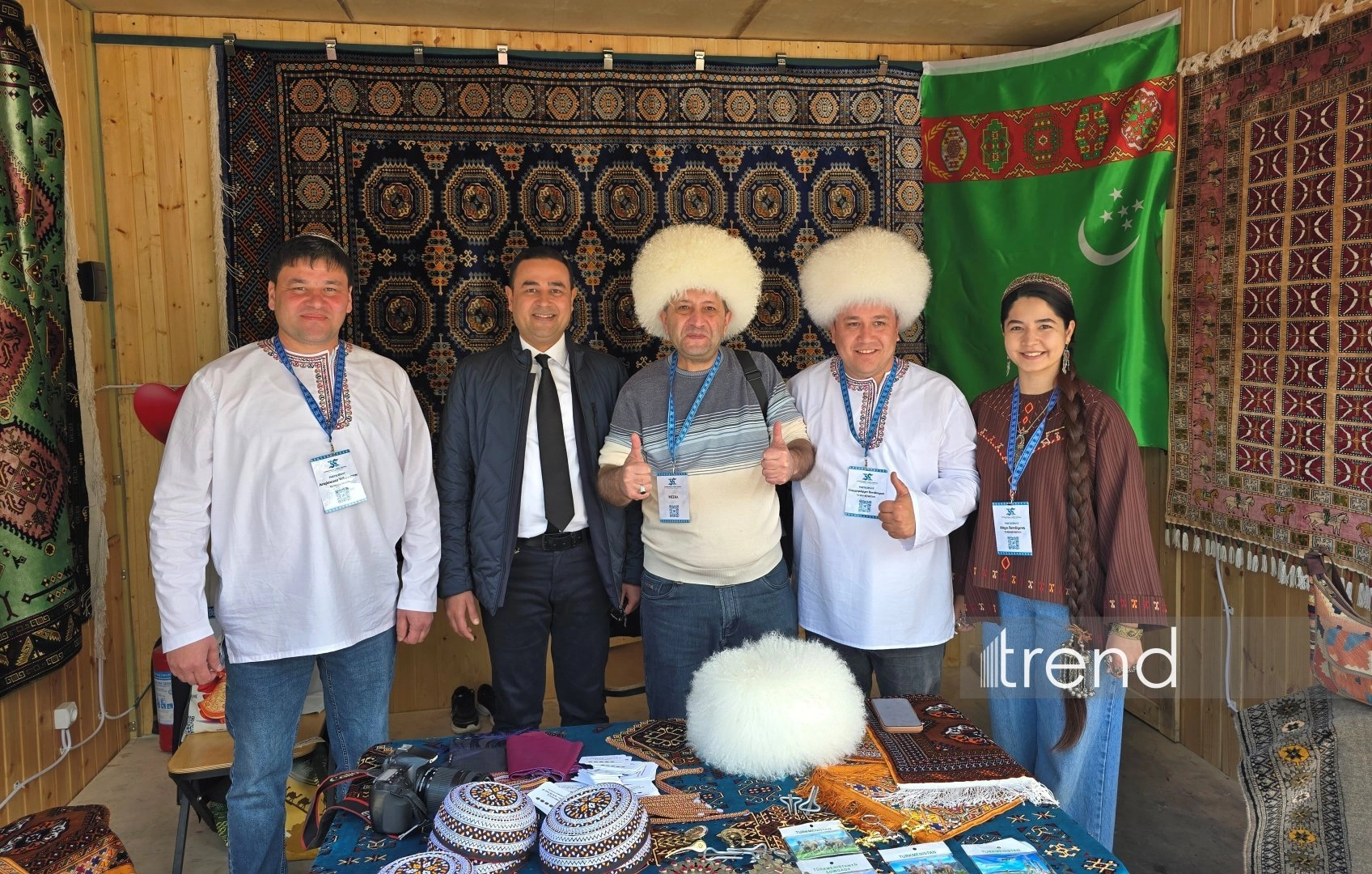
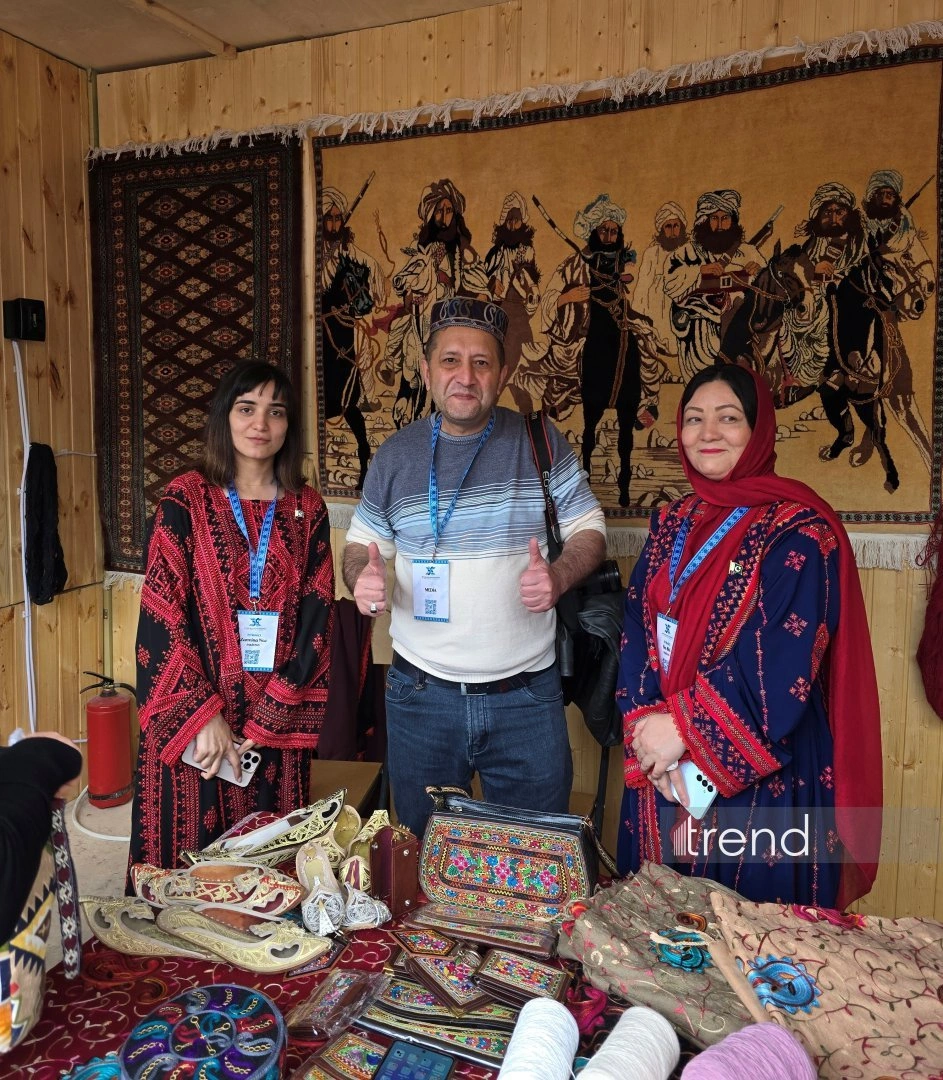
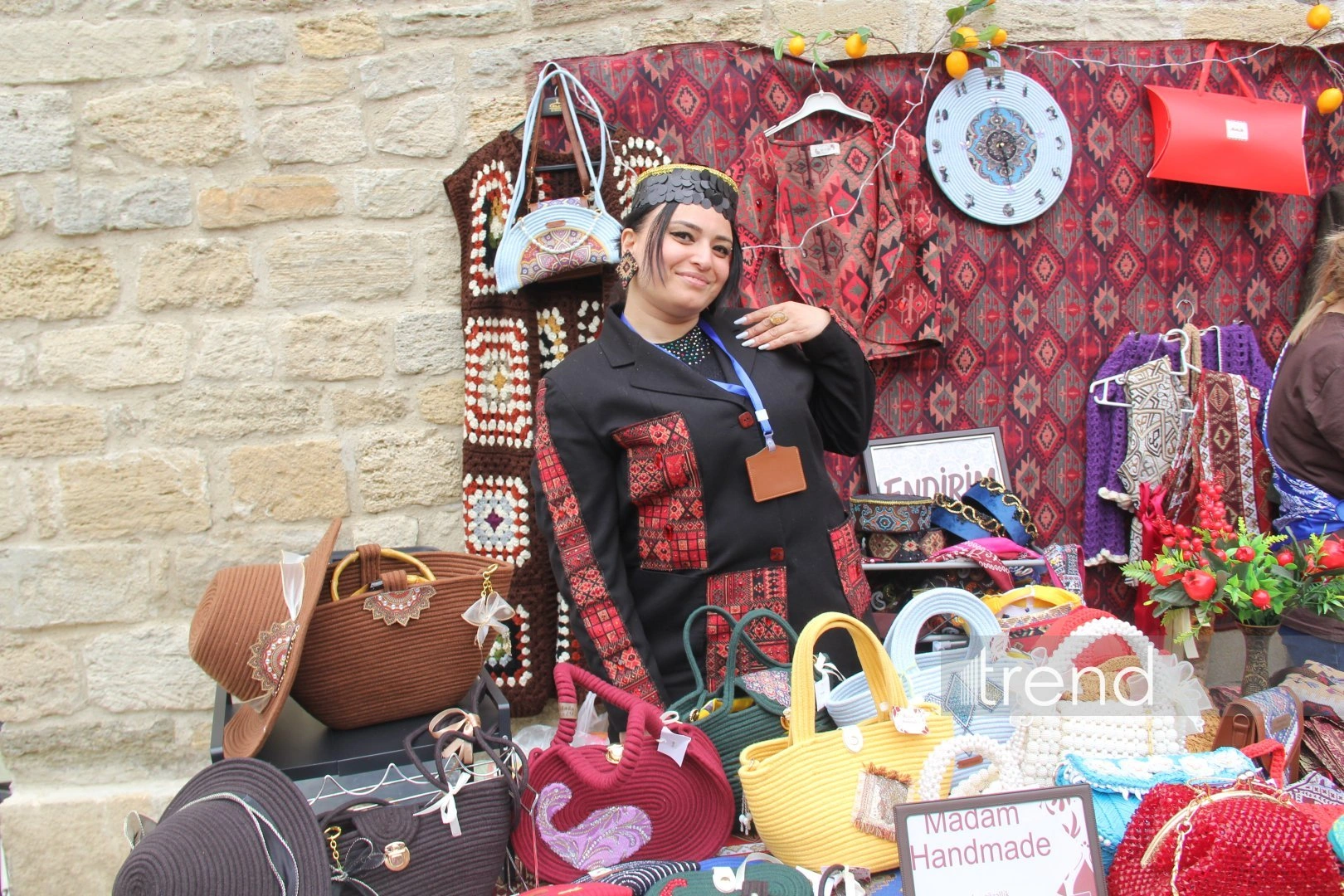
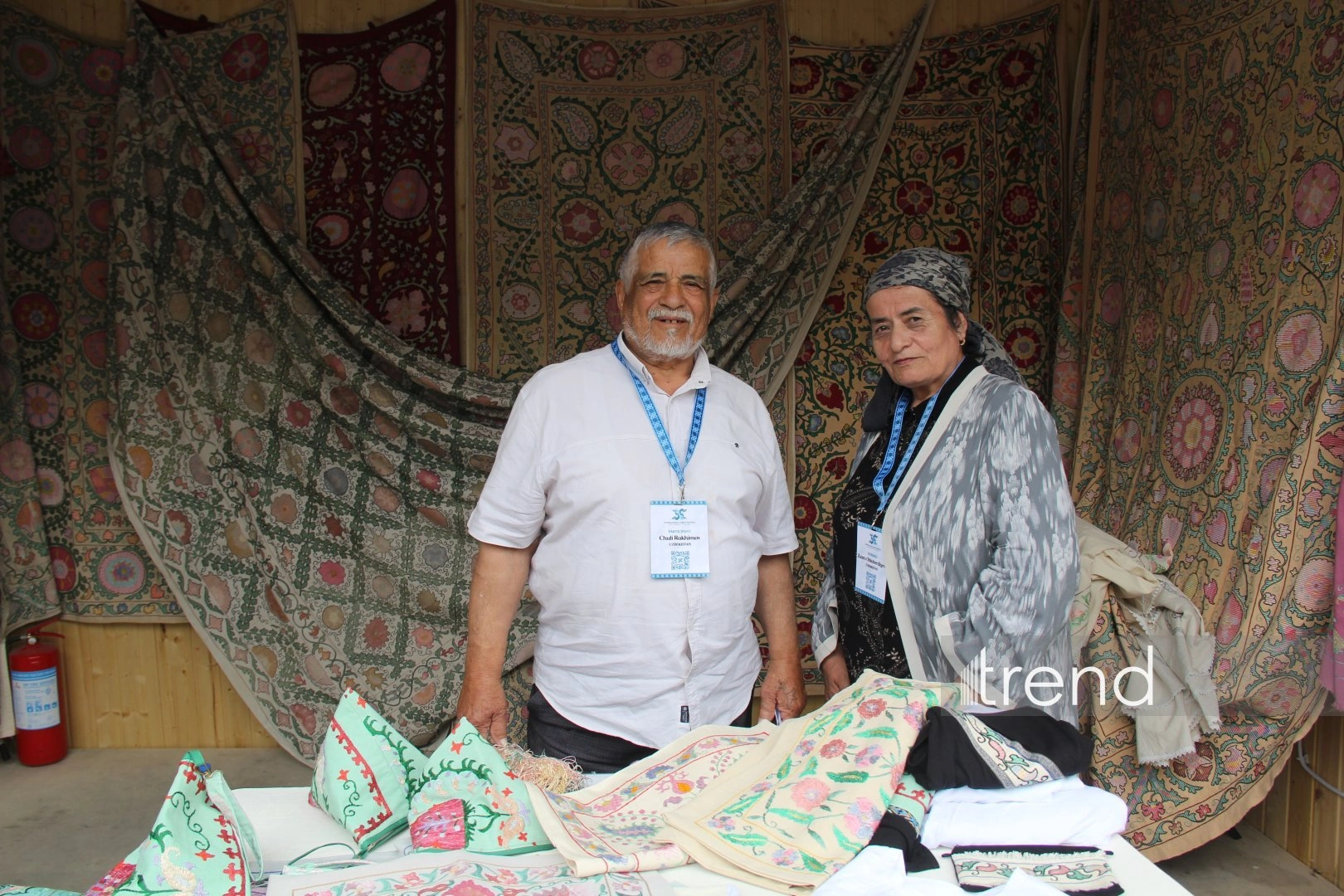
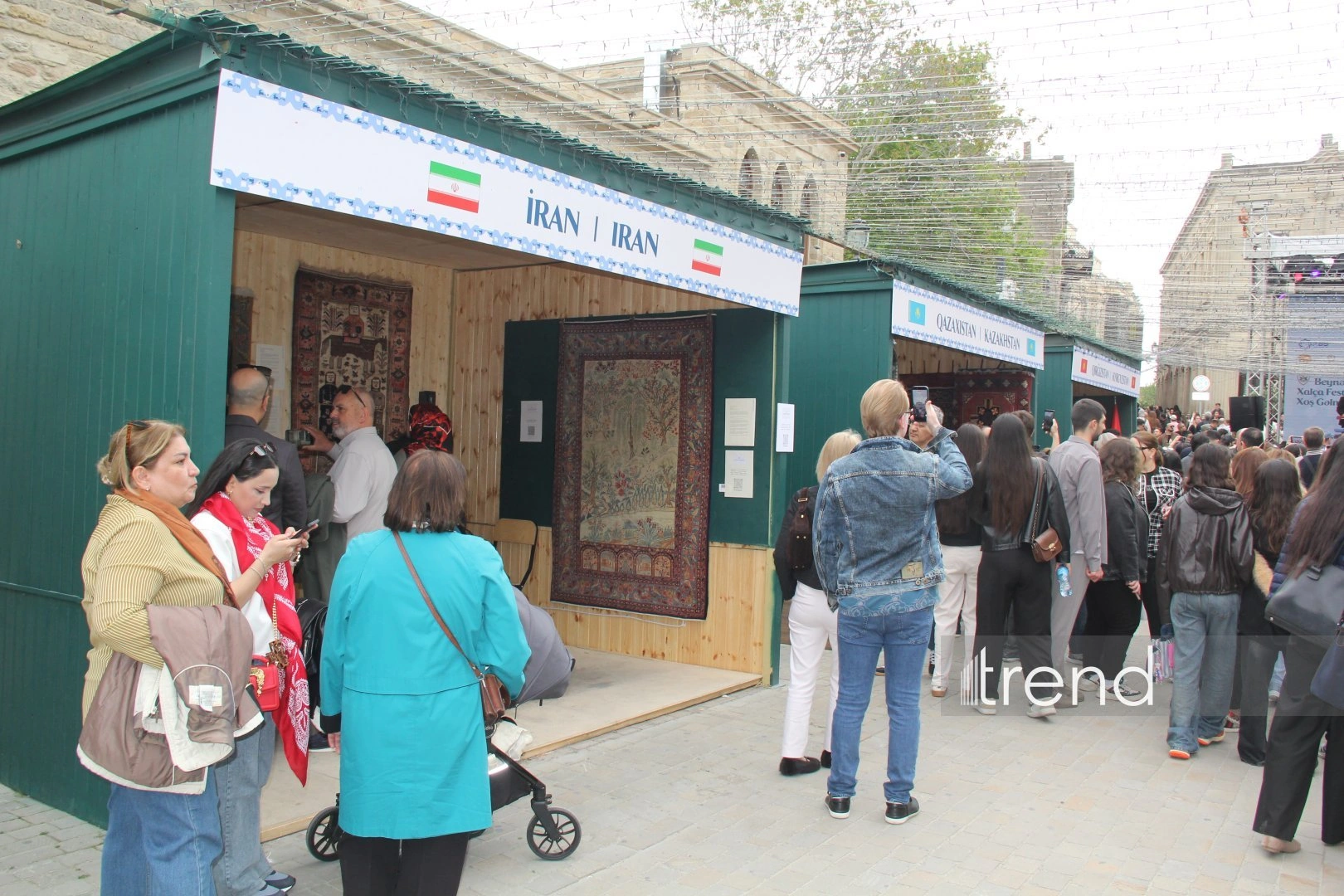
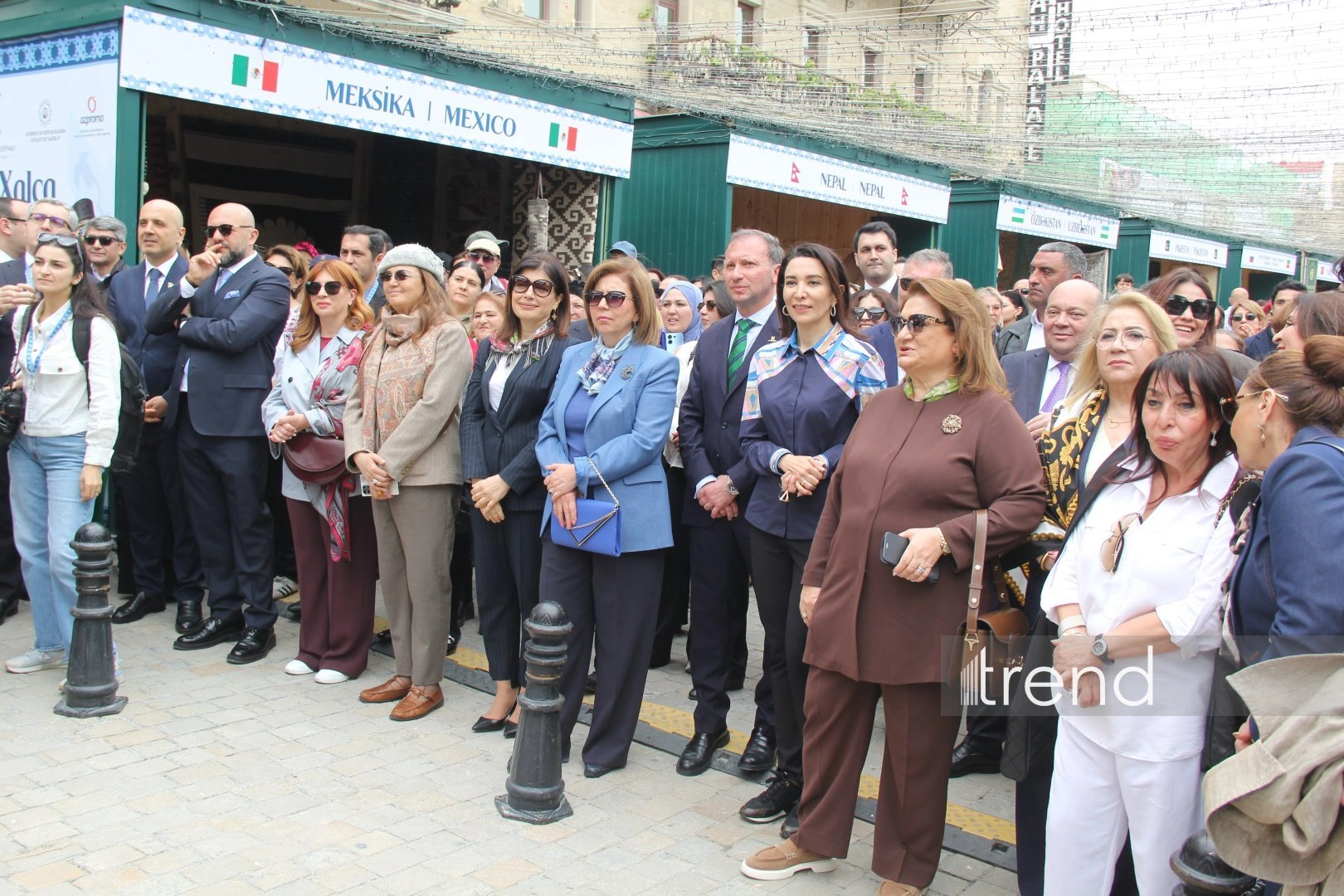
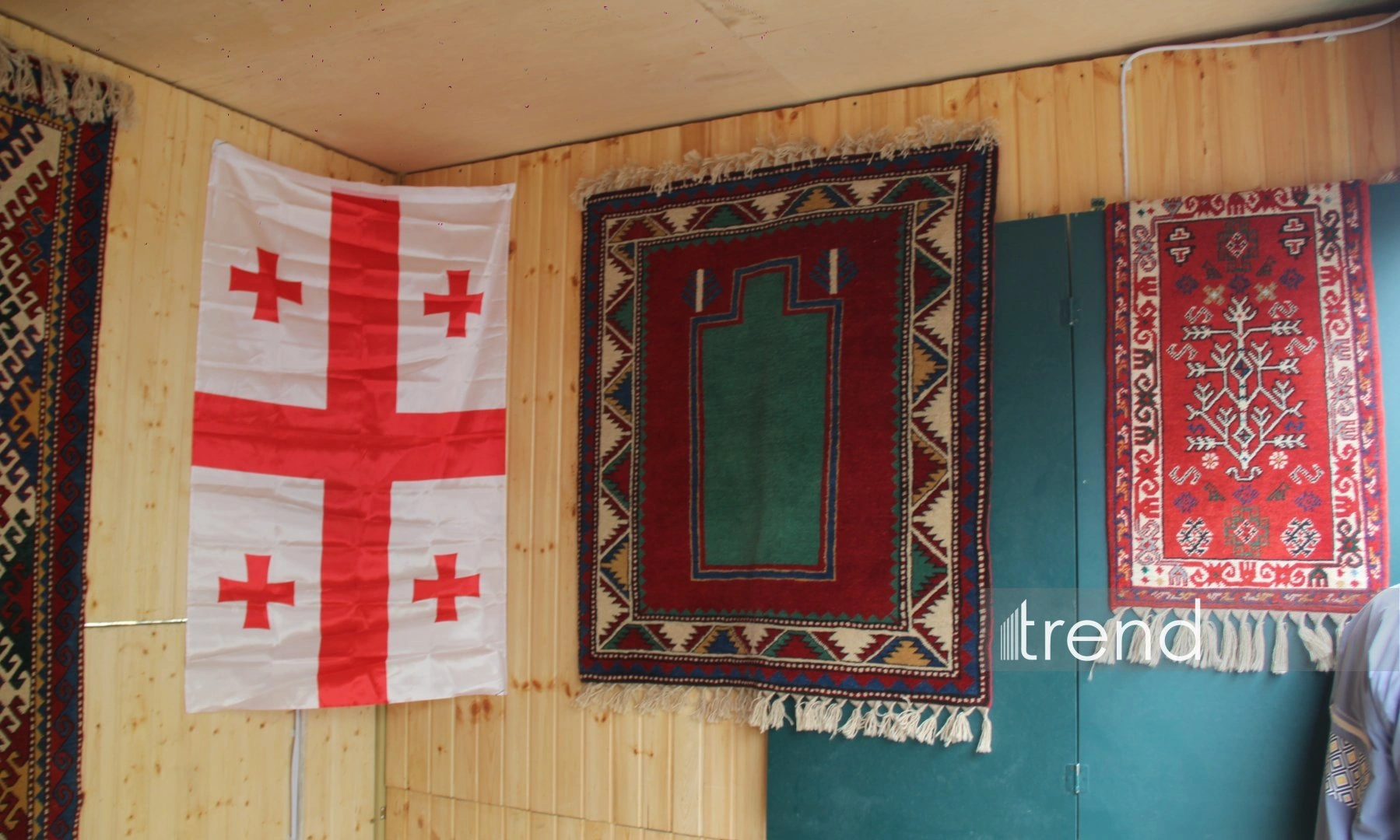
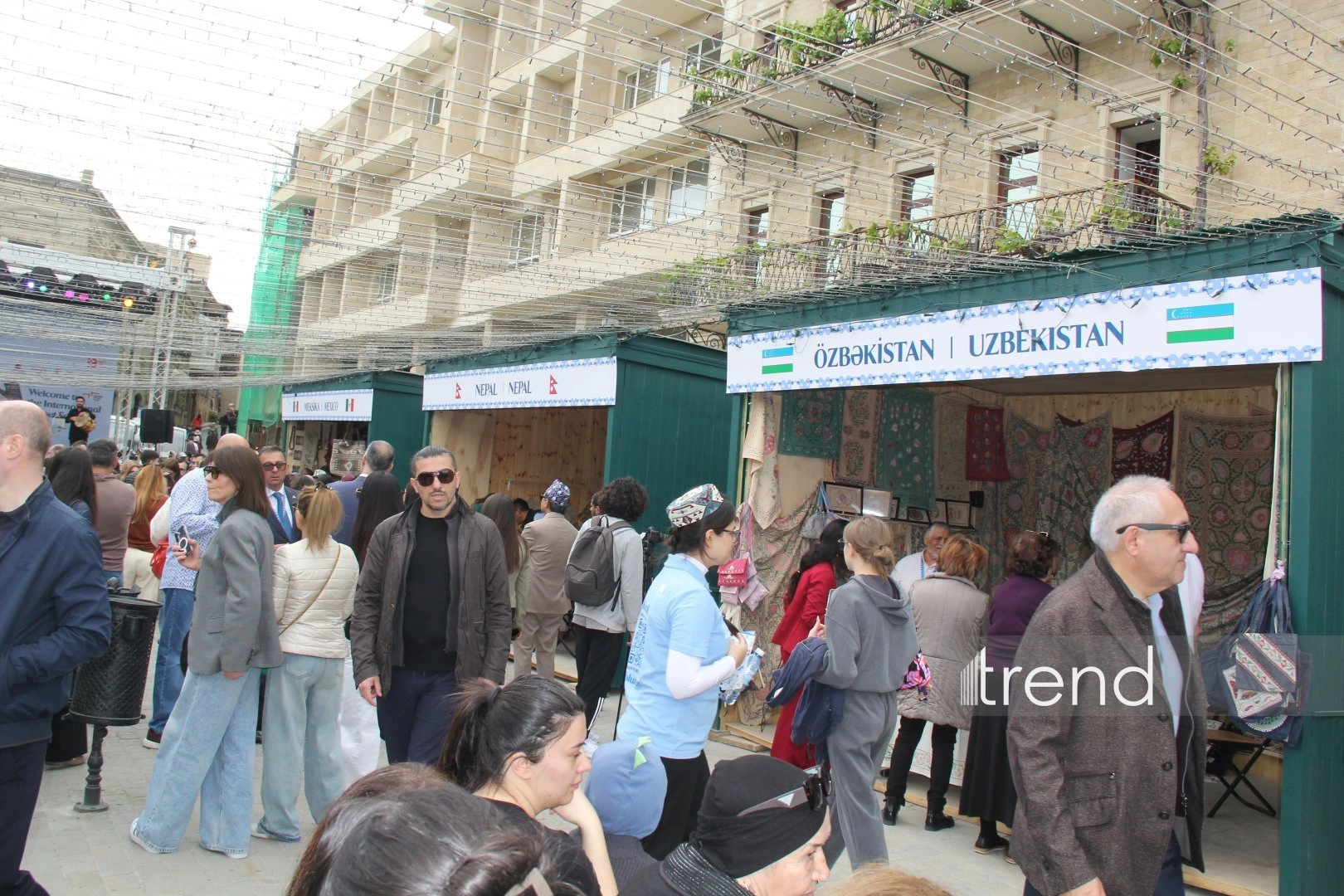
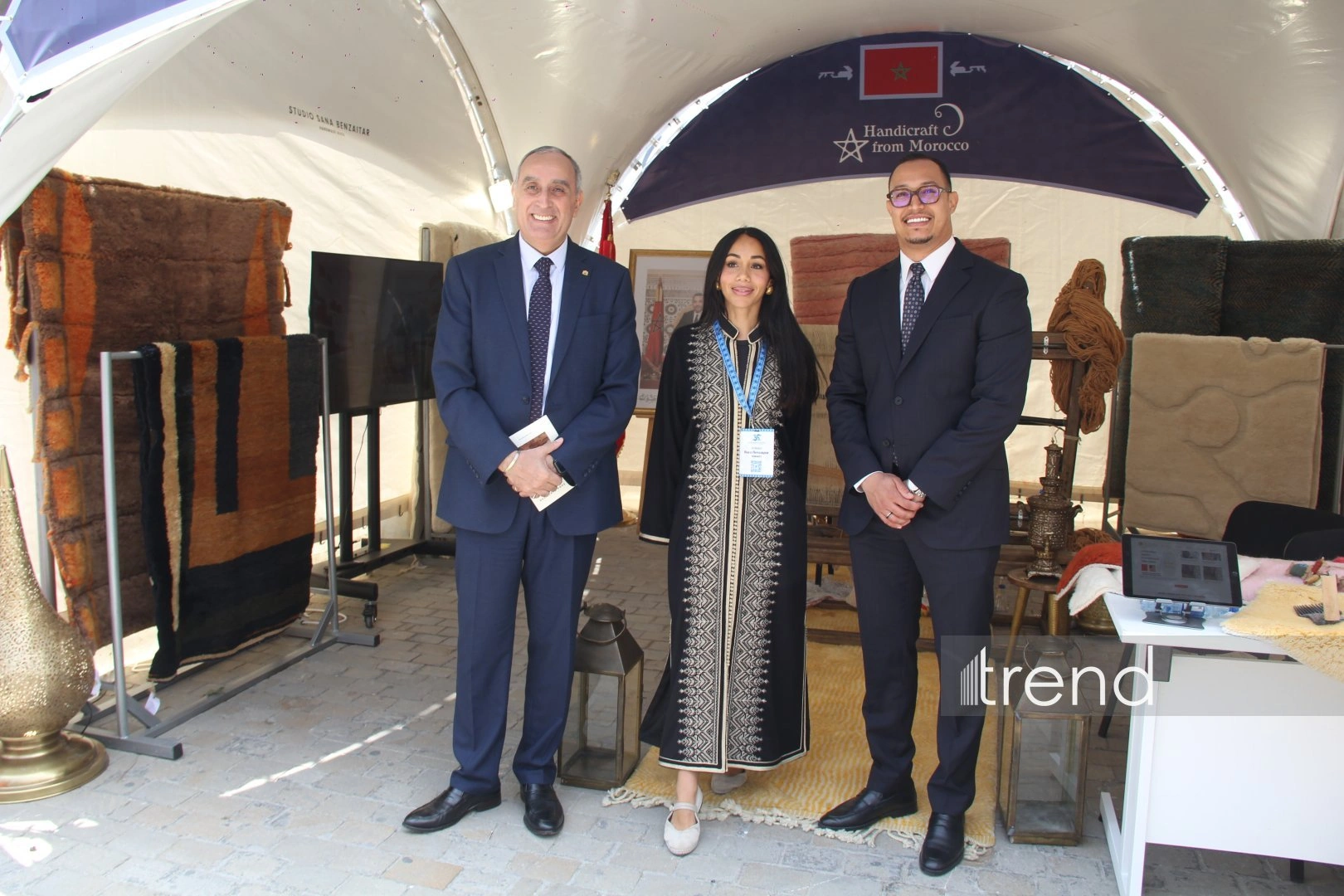
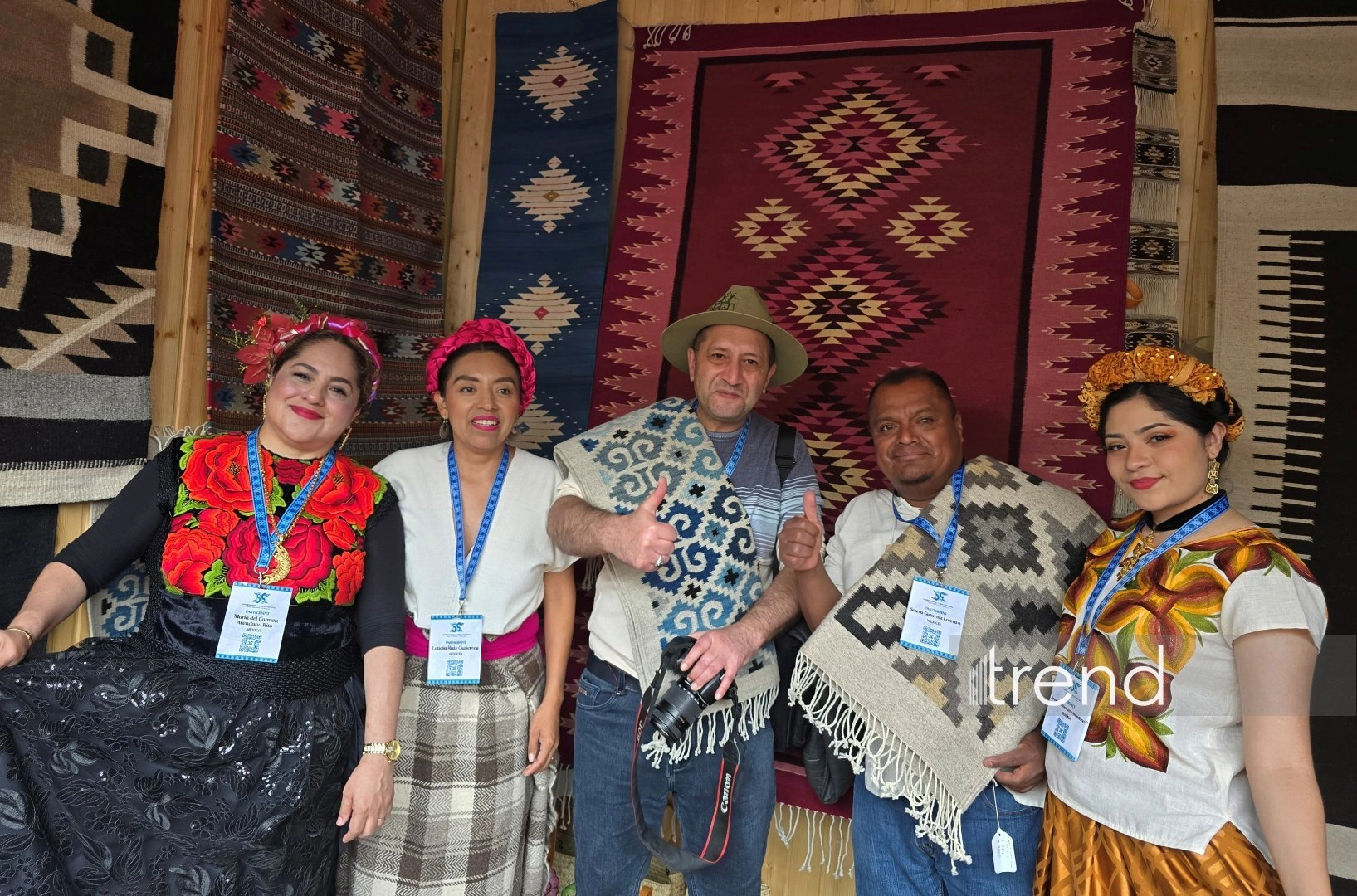
buildings. National pavilions have appeared in Gosha Gala Square,
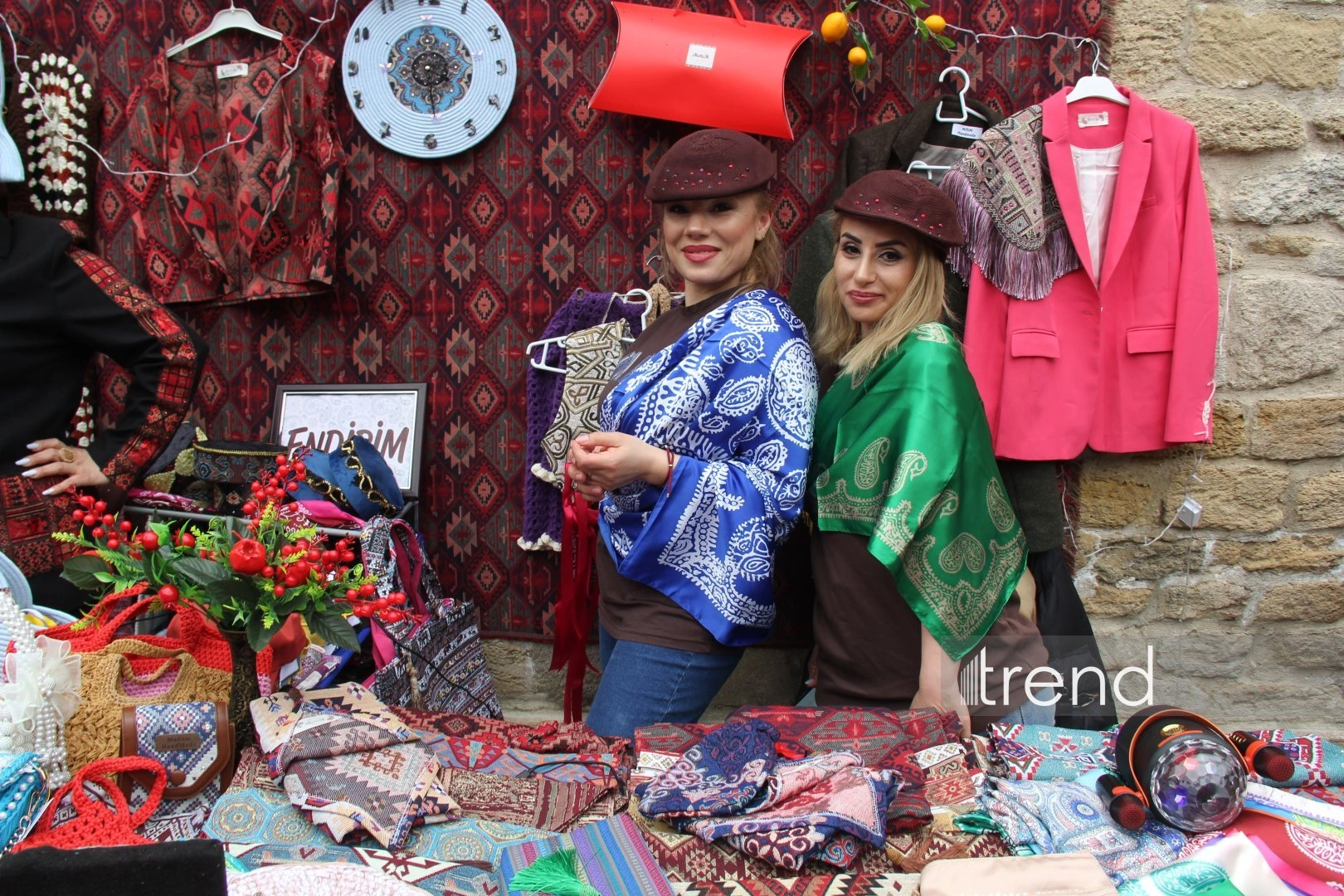
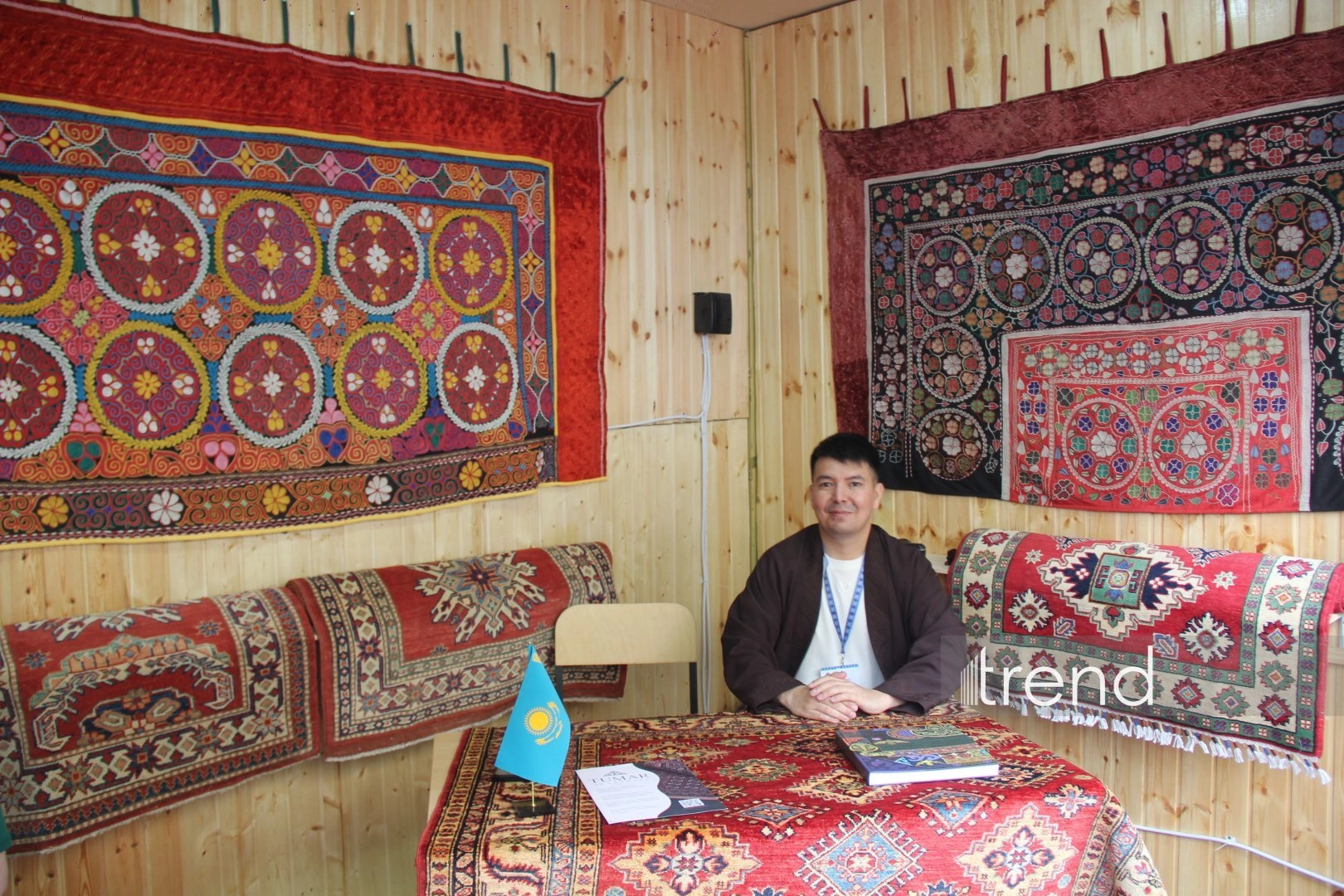
where artisans from various countries showcase their weaving
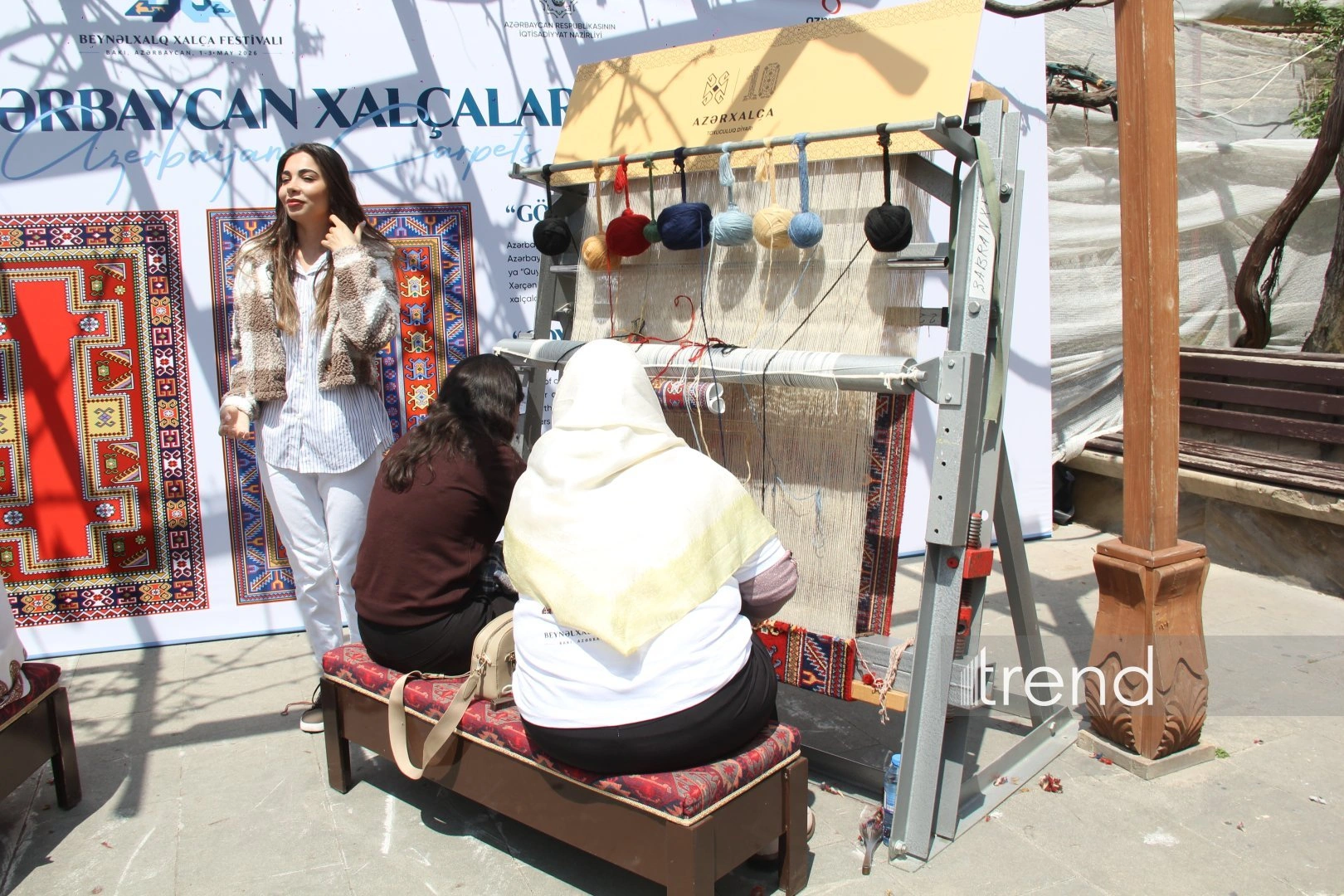
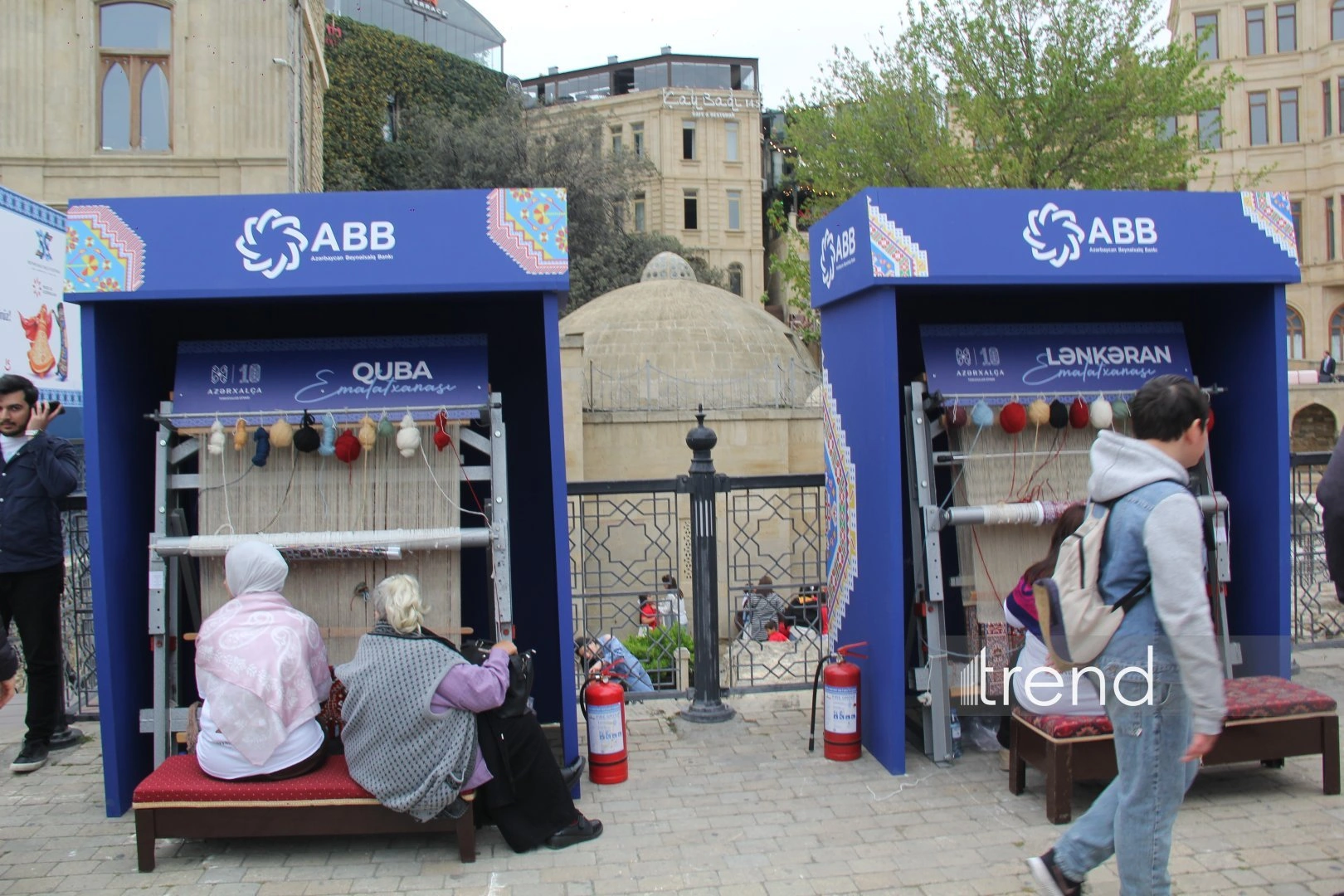
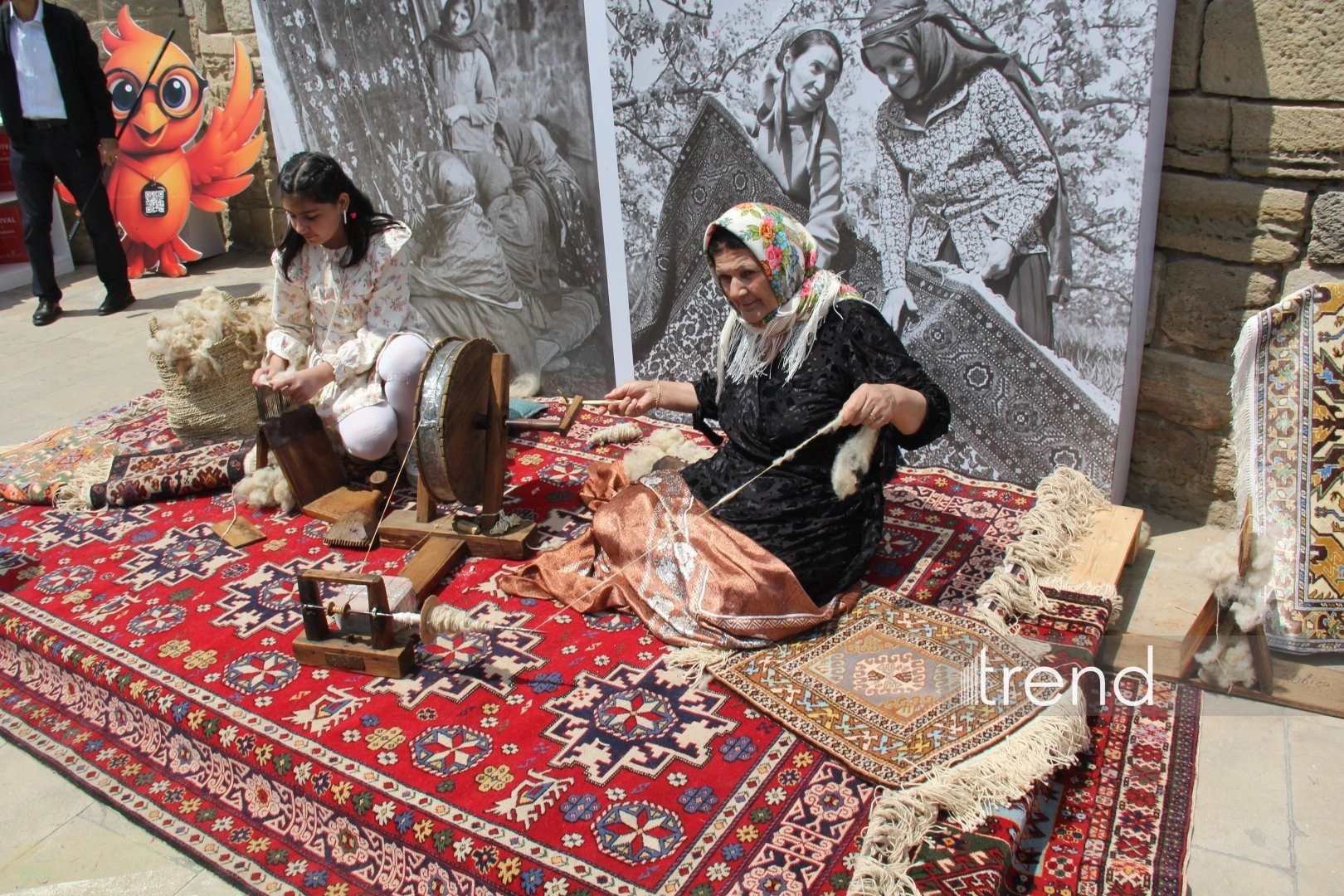
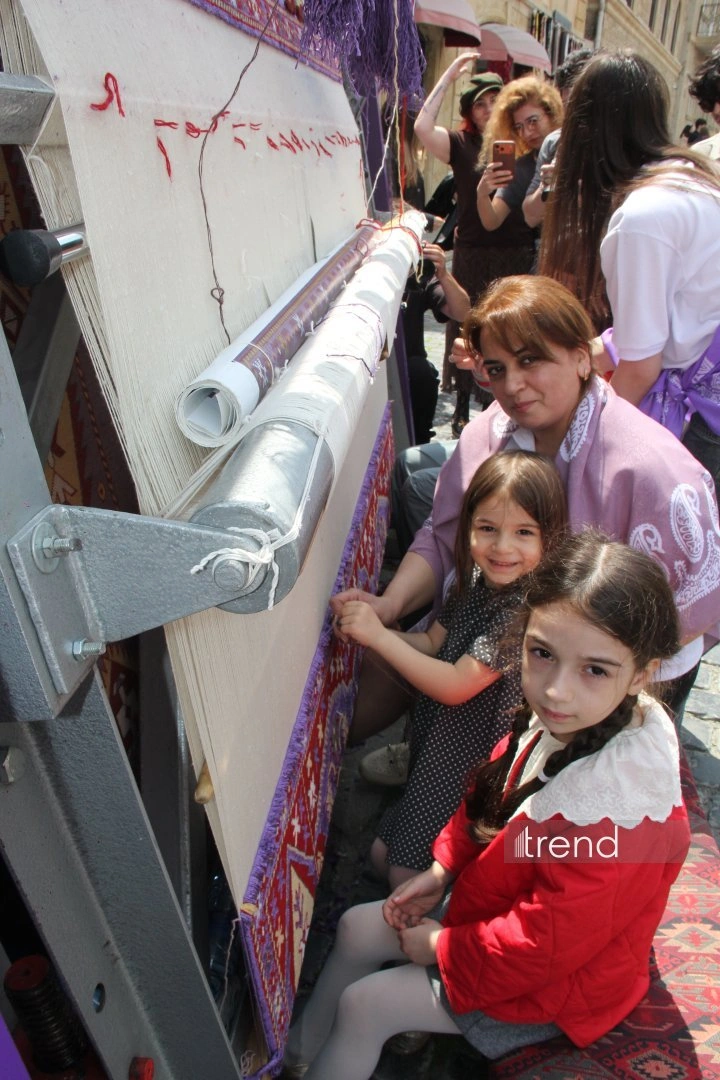
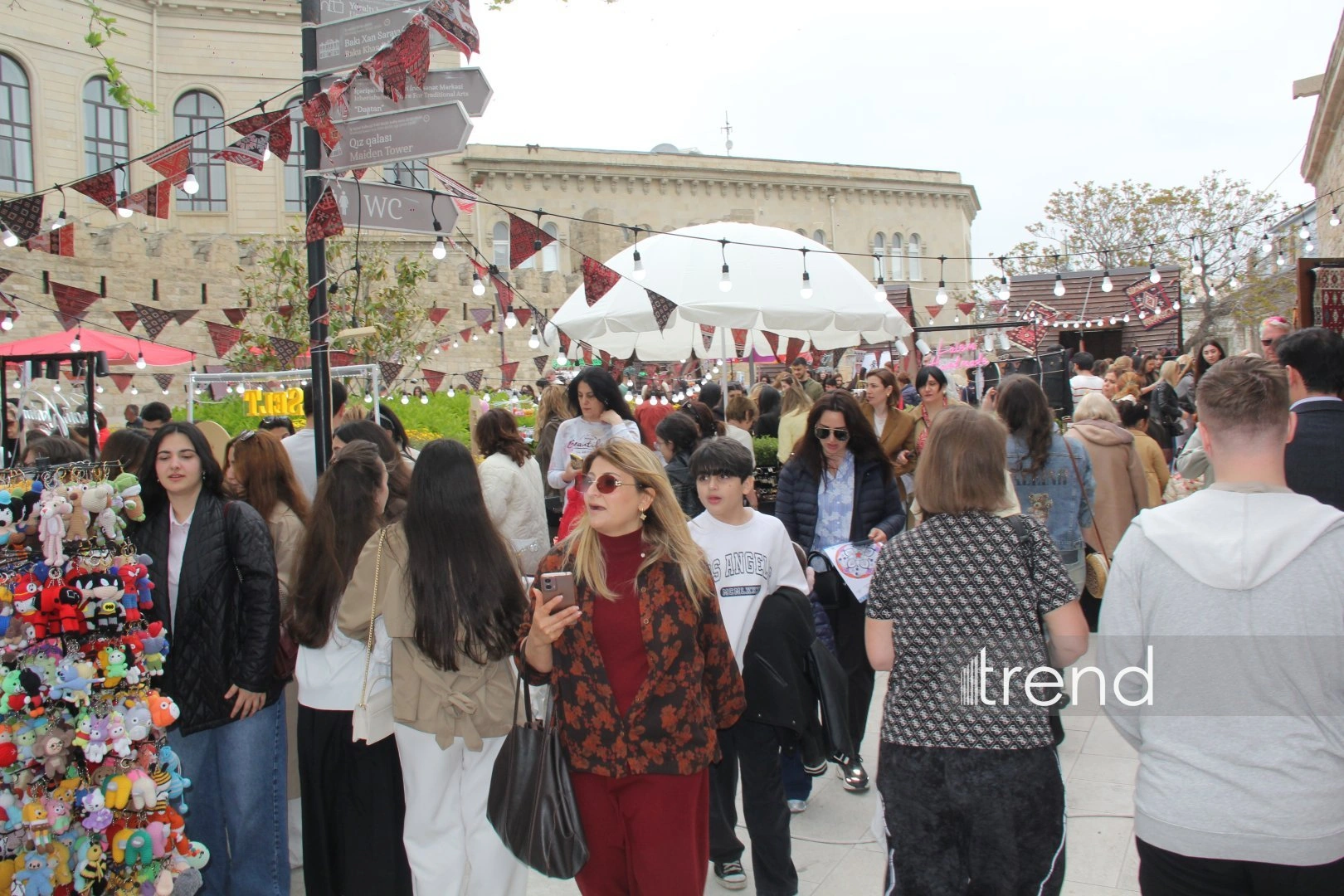
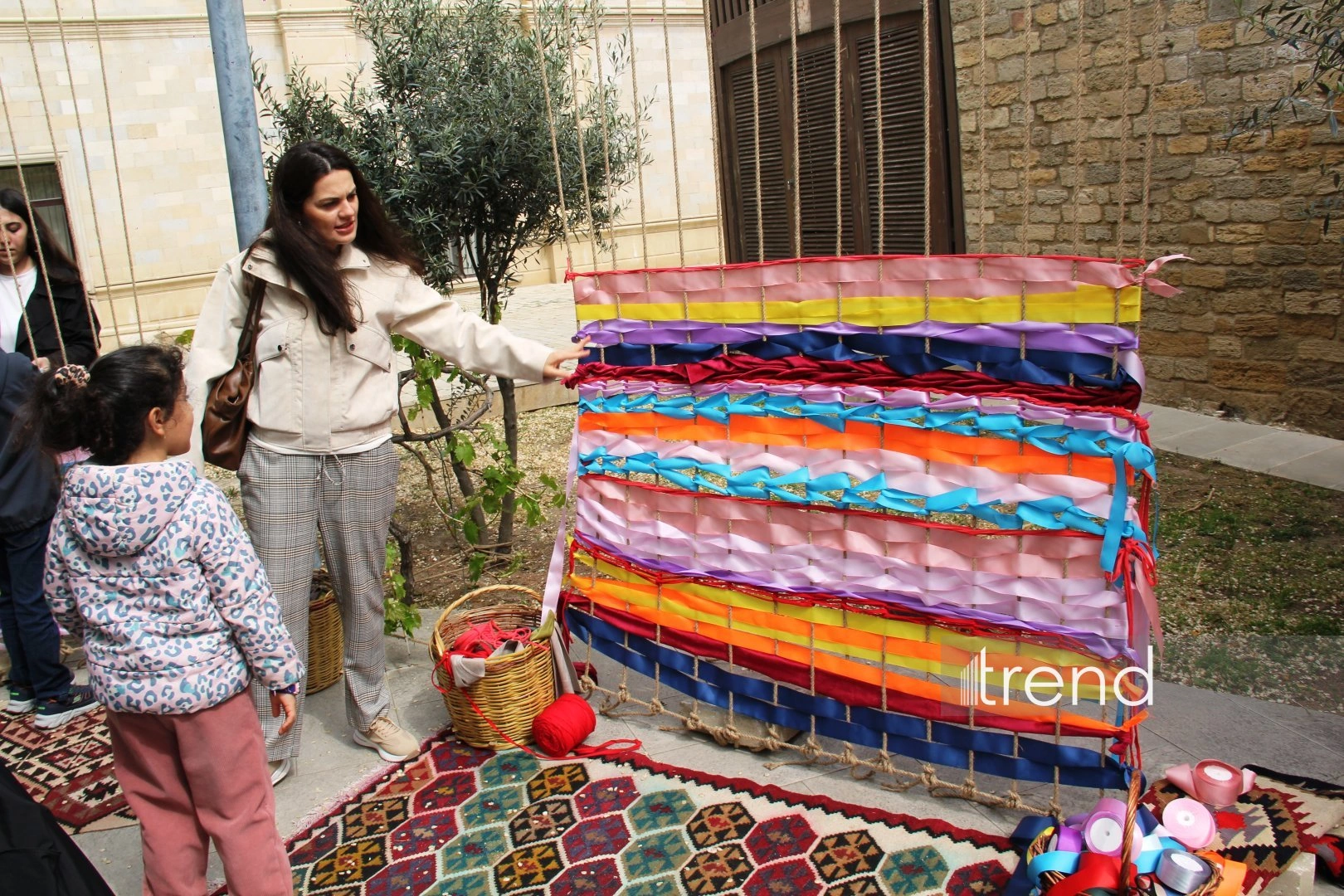
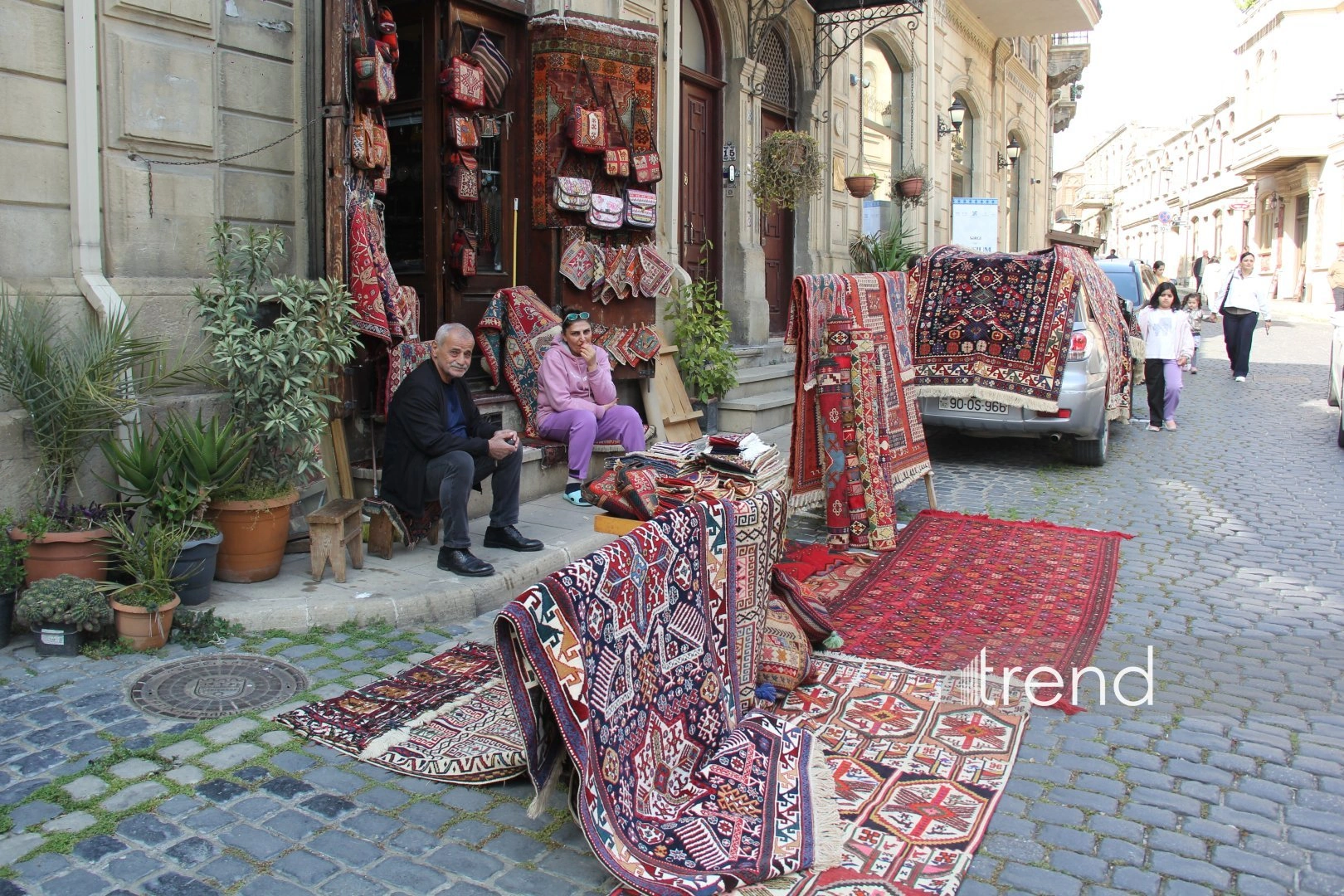
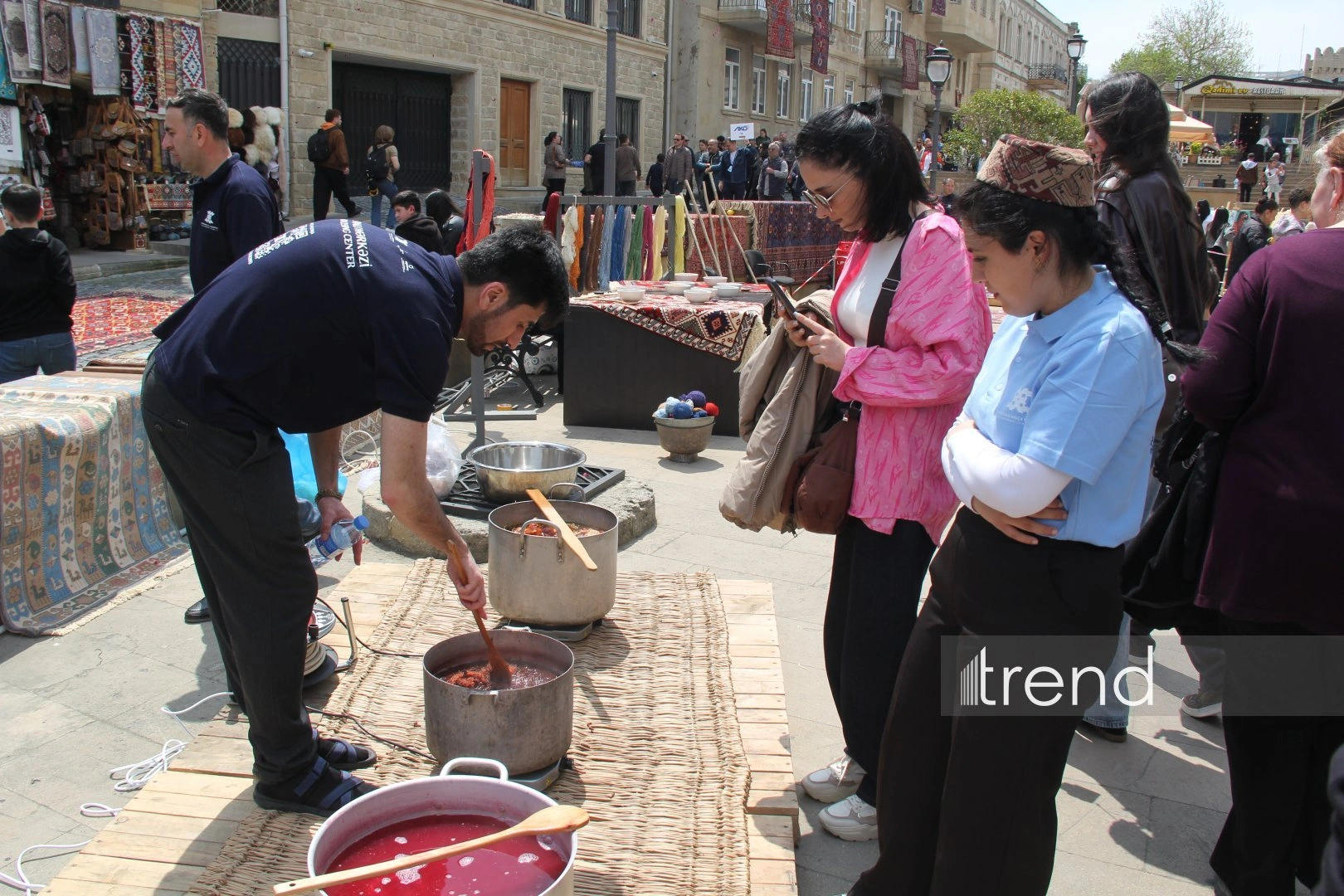
traditions. Various events, stands, pavilions, and master classes
are held in the caravanserais and on the cobbled streets, where you
can literally see how a carpet is "born."
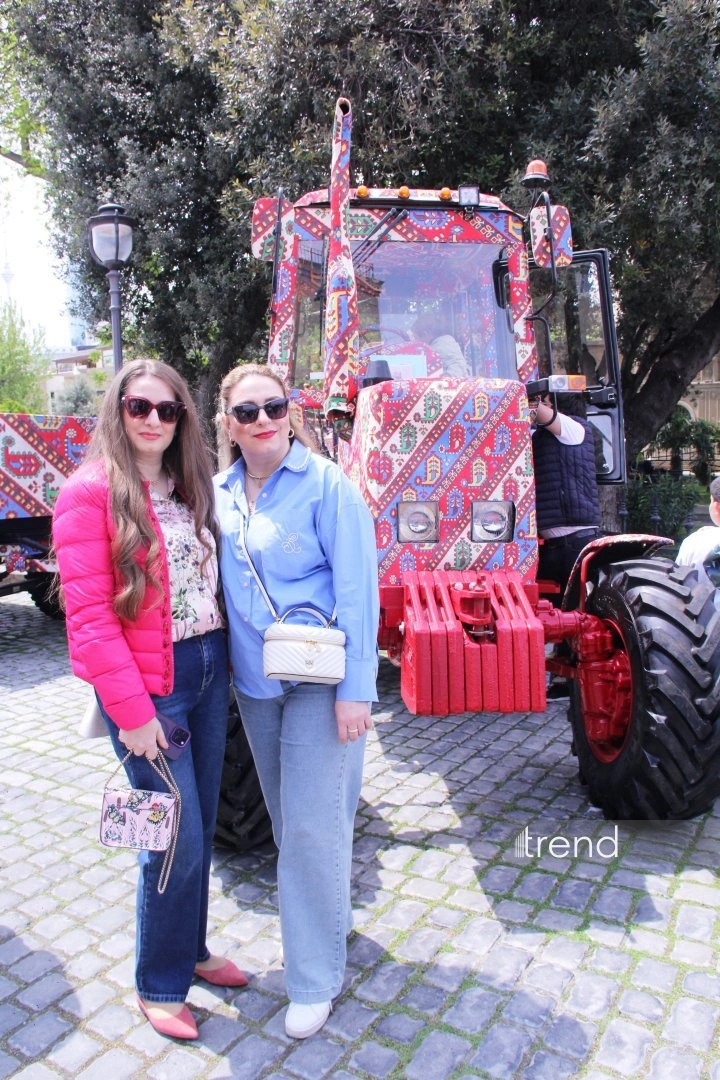
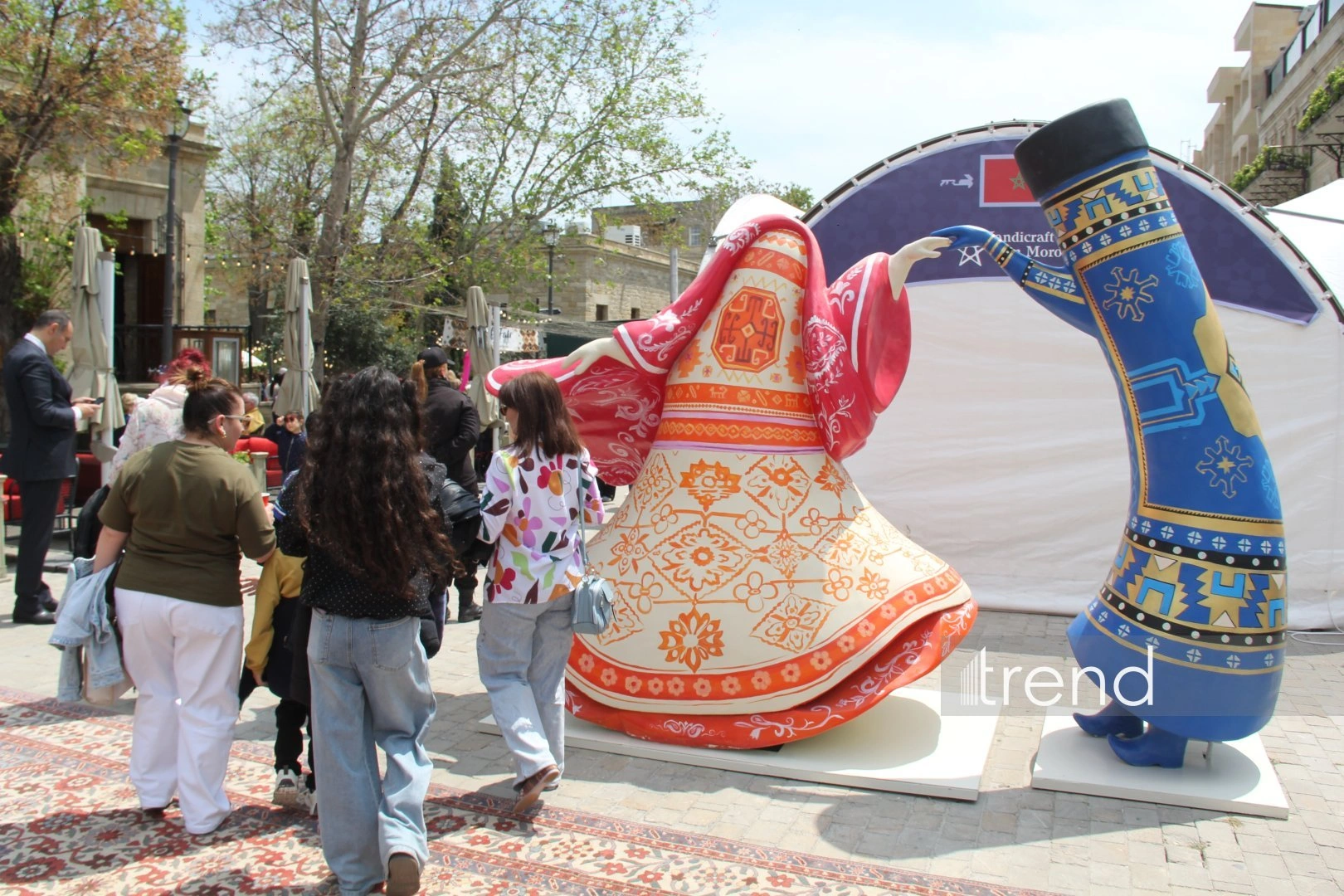
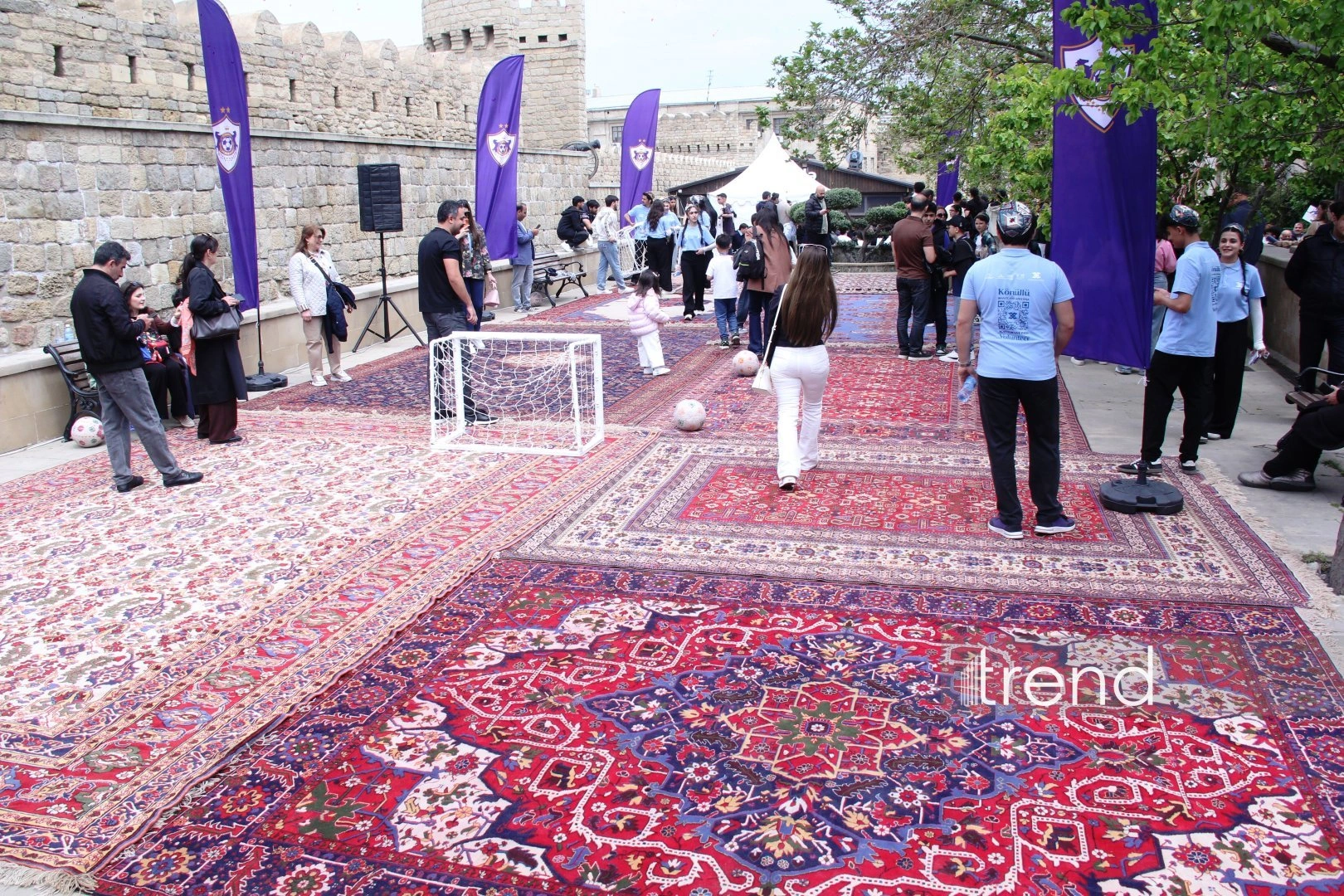
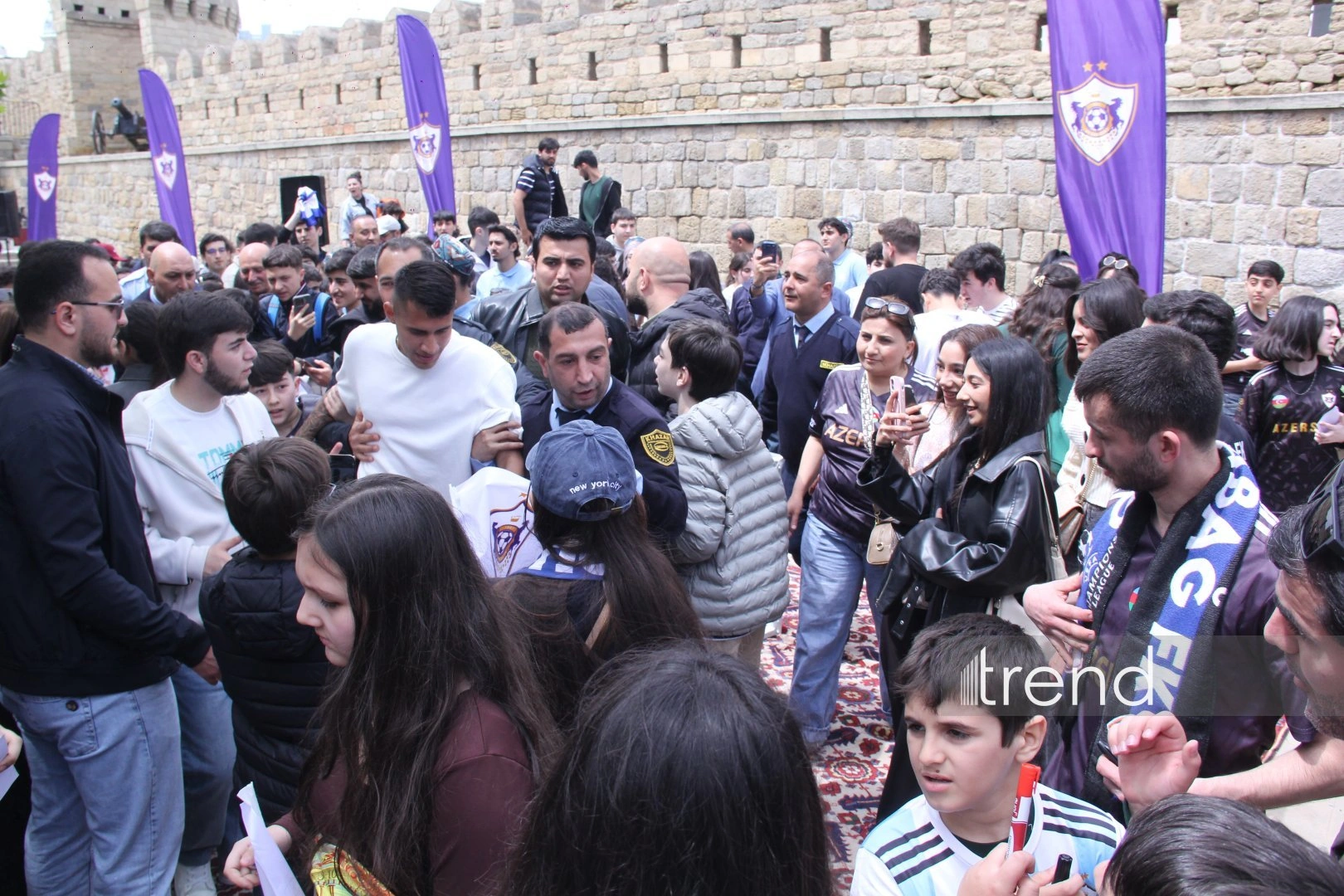
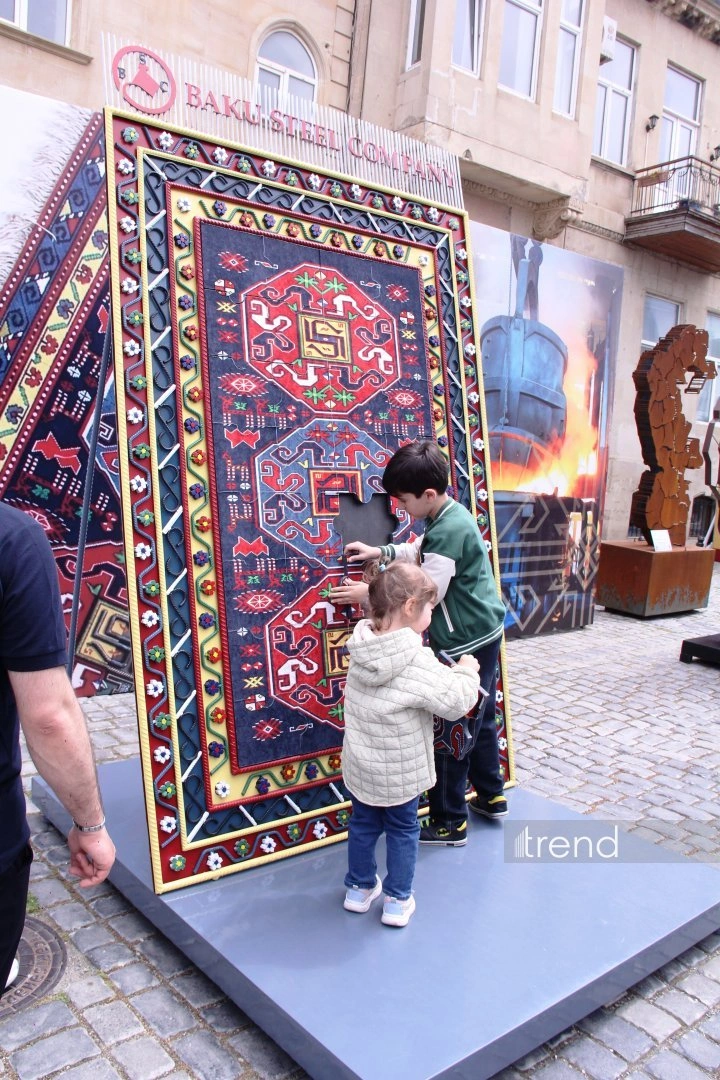
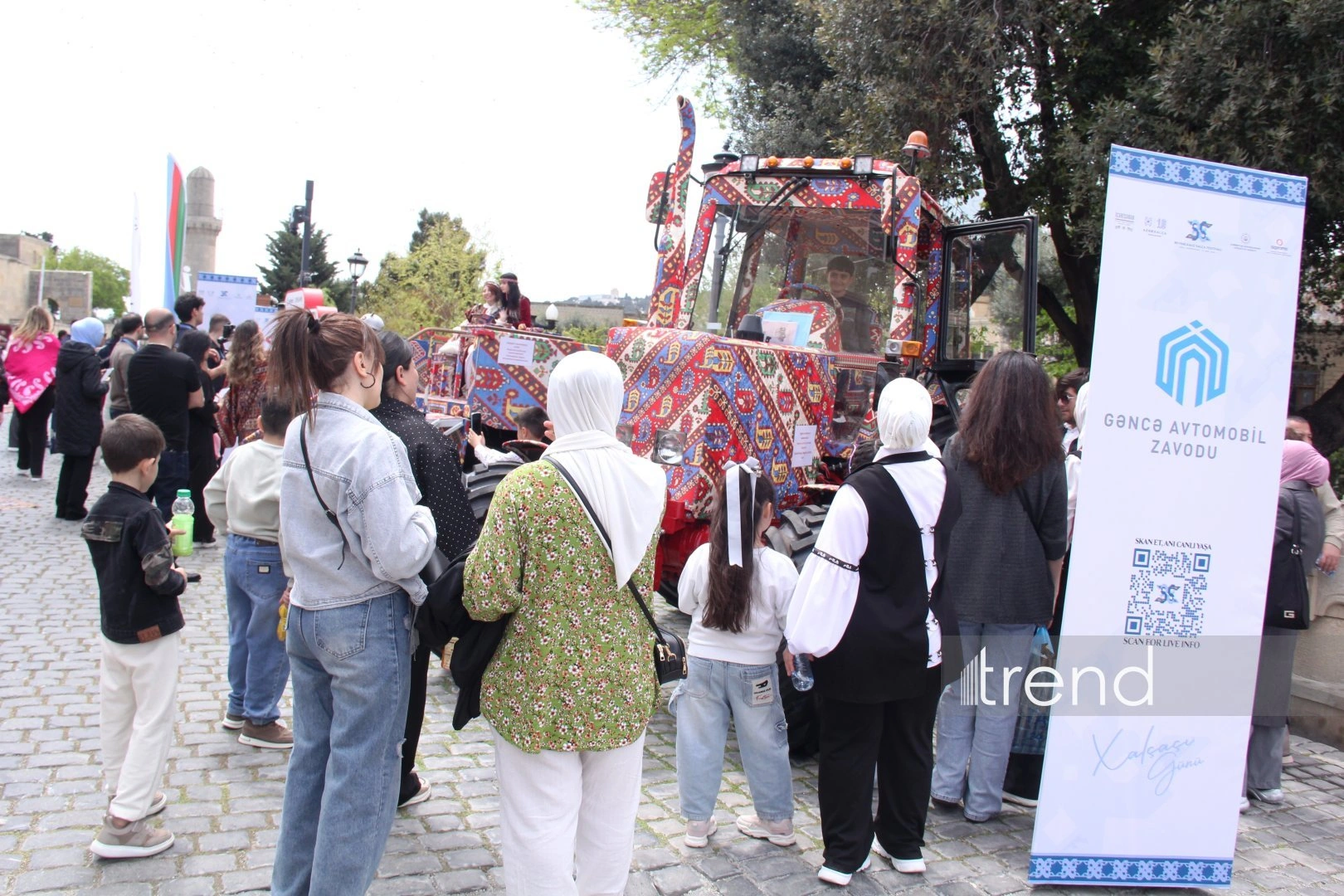
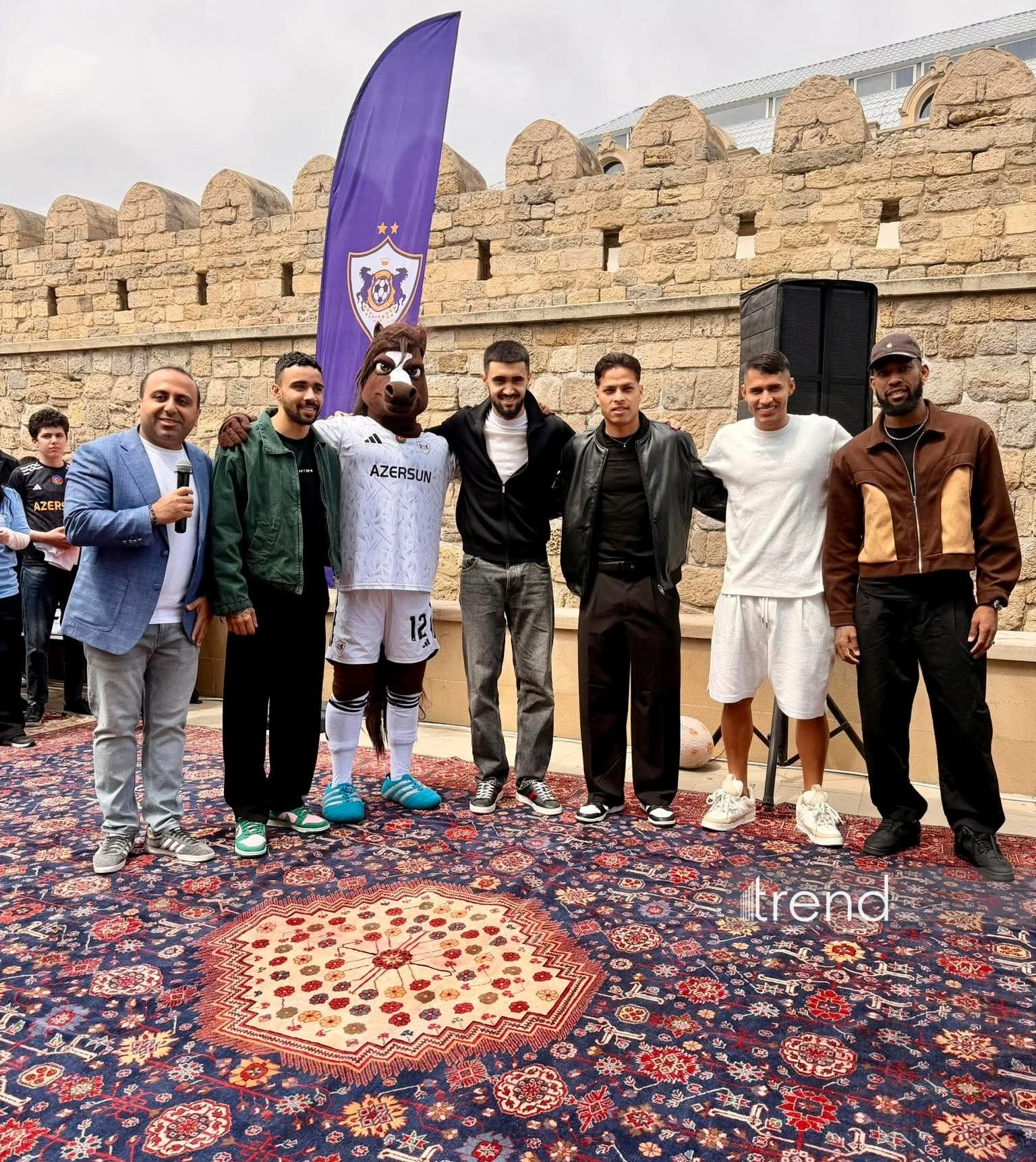
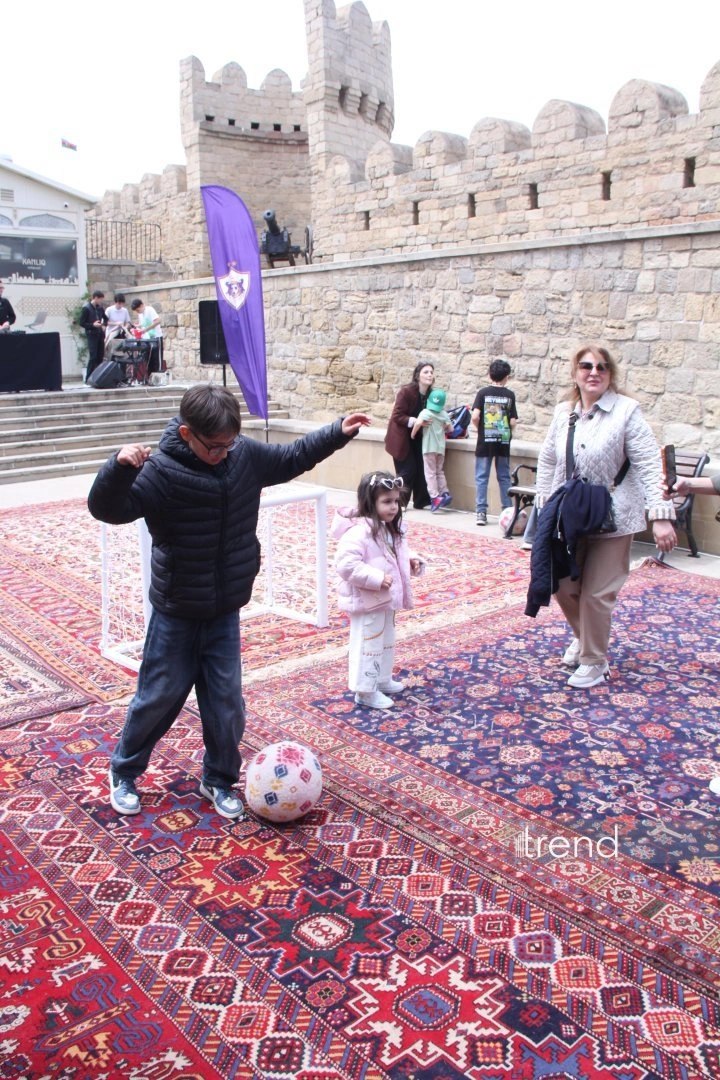
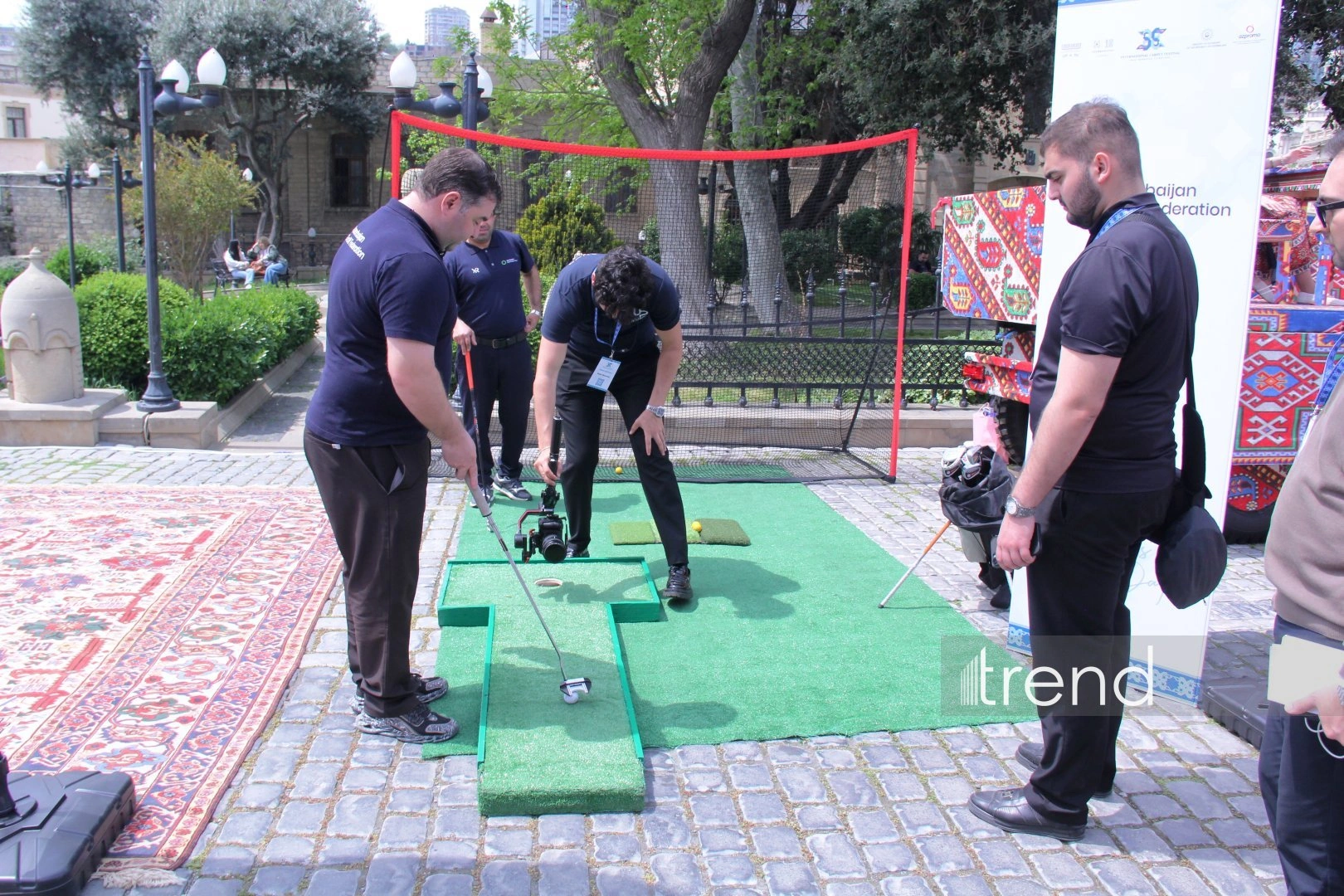
Particular interest was generated by unusual artistic solutions:
for example, an improvised football field, created entirely from
carpets, which was visited by Karabakh football players, causing a
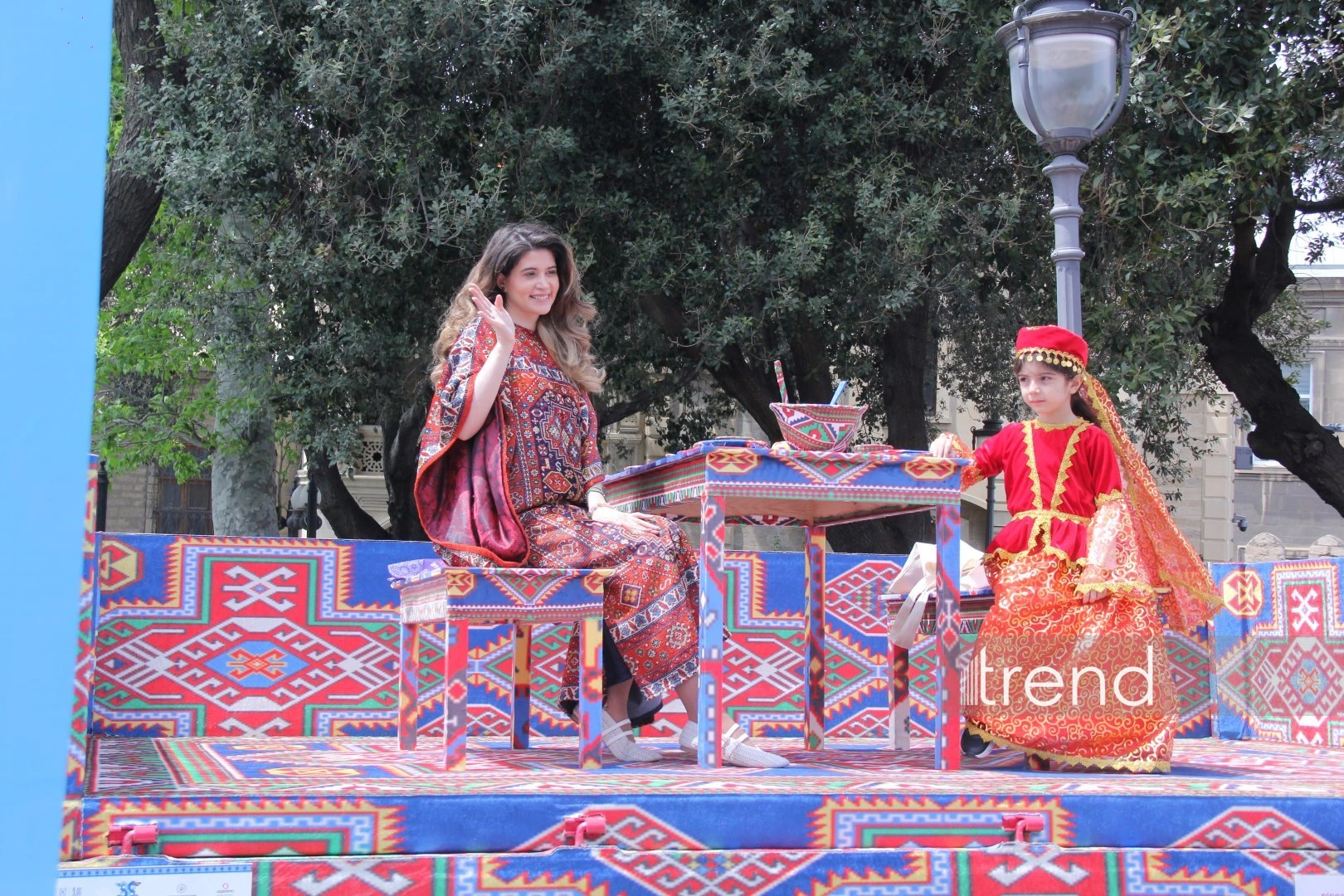
stir. One of the most discussed performances was the symbolic
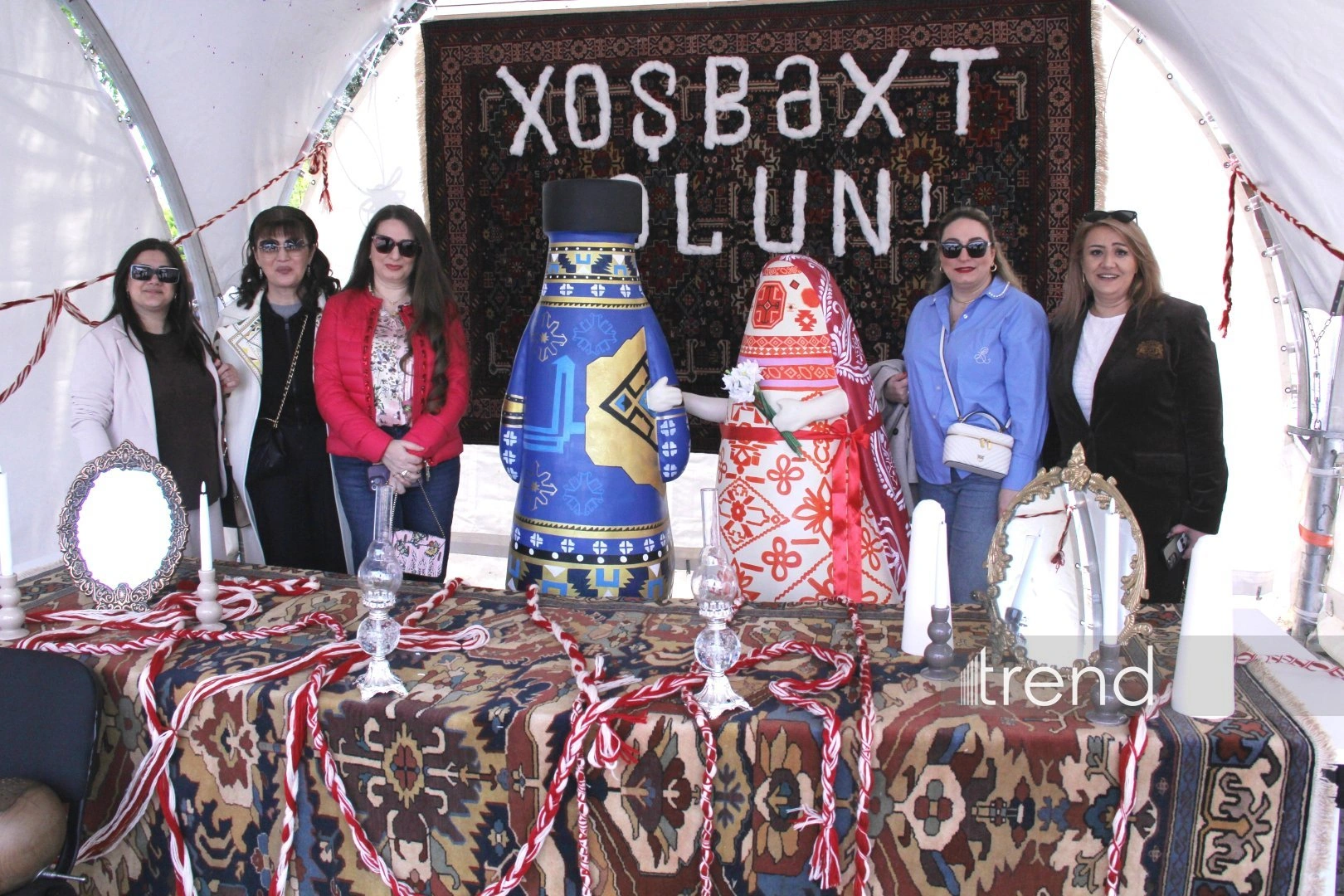
"carpet wedding," where traditions took on an almost theatrical
form.
These days, Icherisheher has become more than just a venue – it
has transformed into a living space for carpet art, where the past
and the future intertwine in a single pattern.
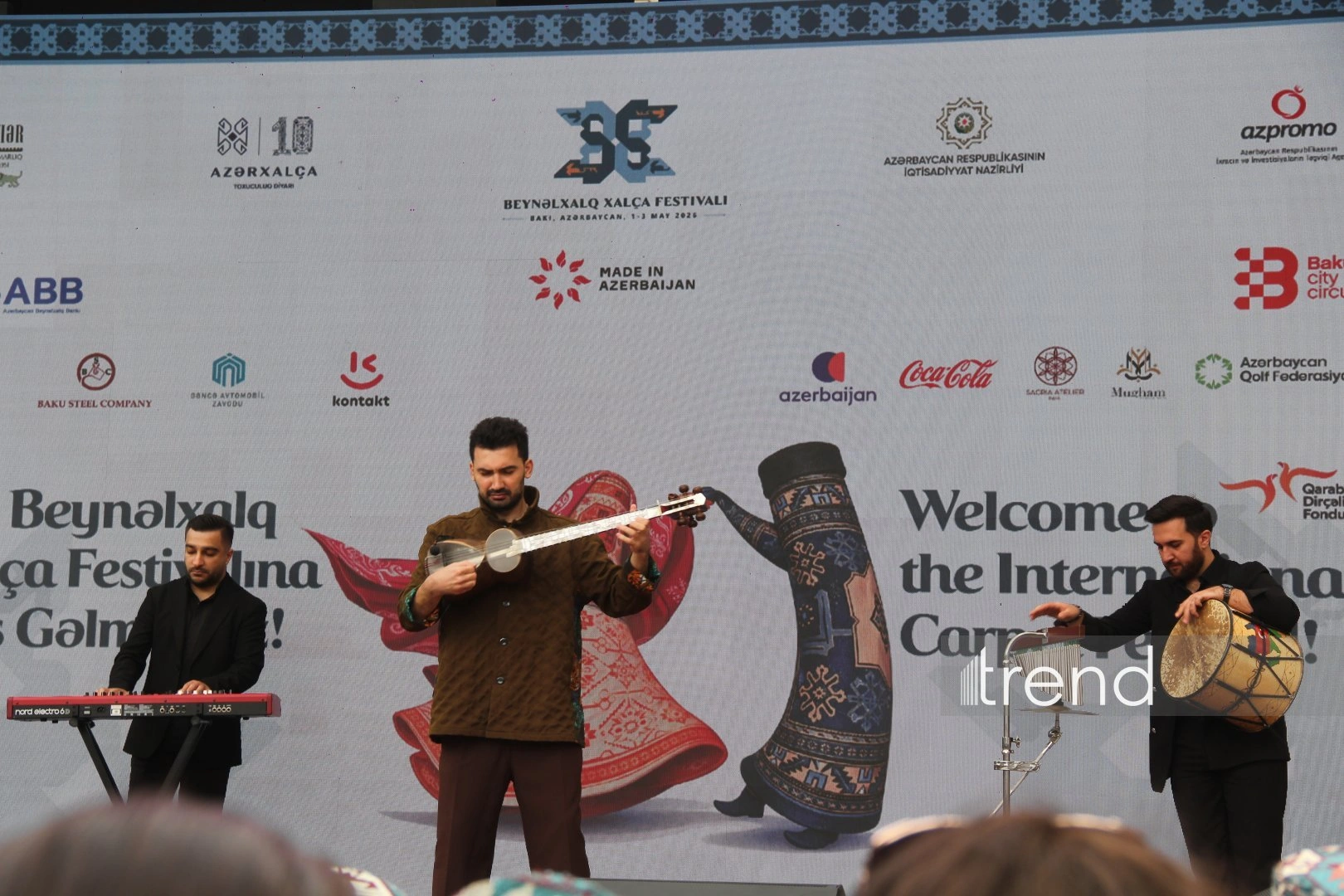
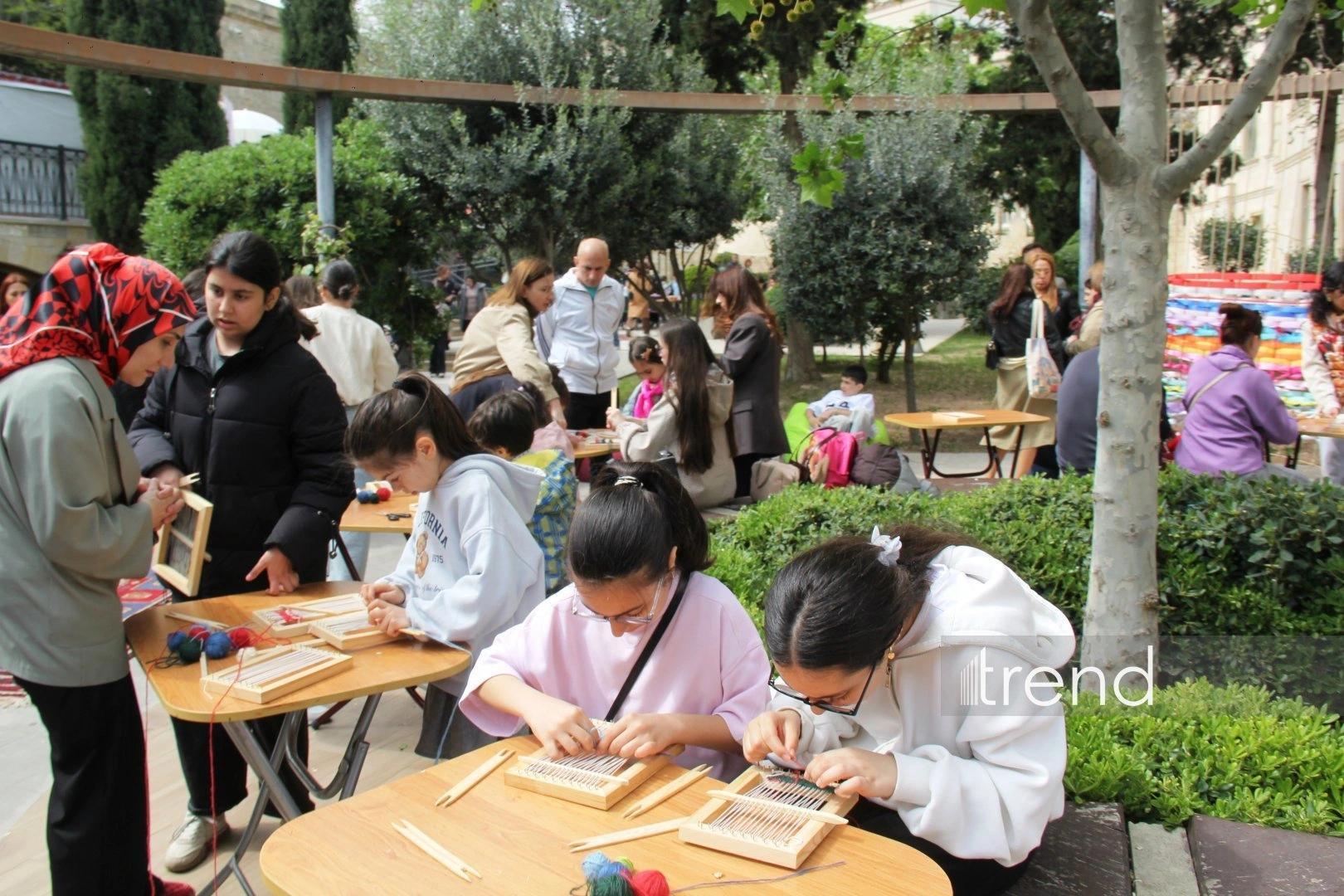
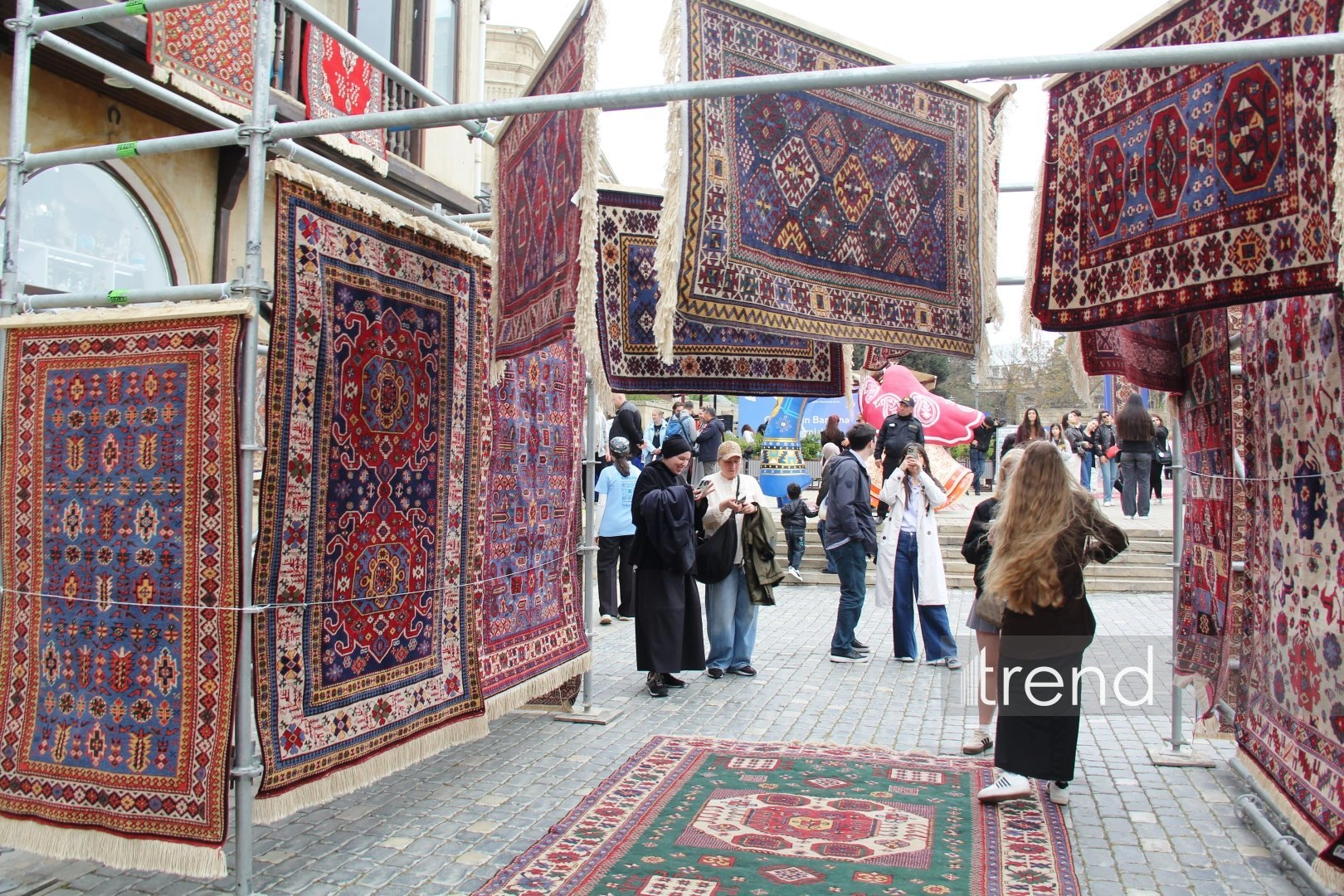
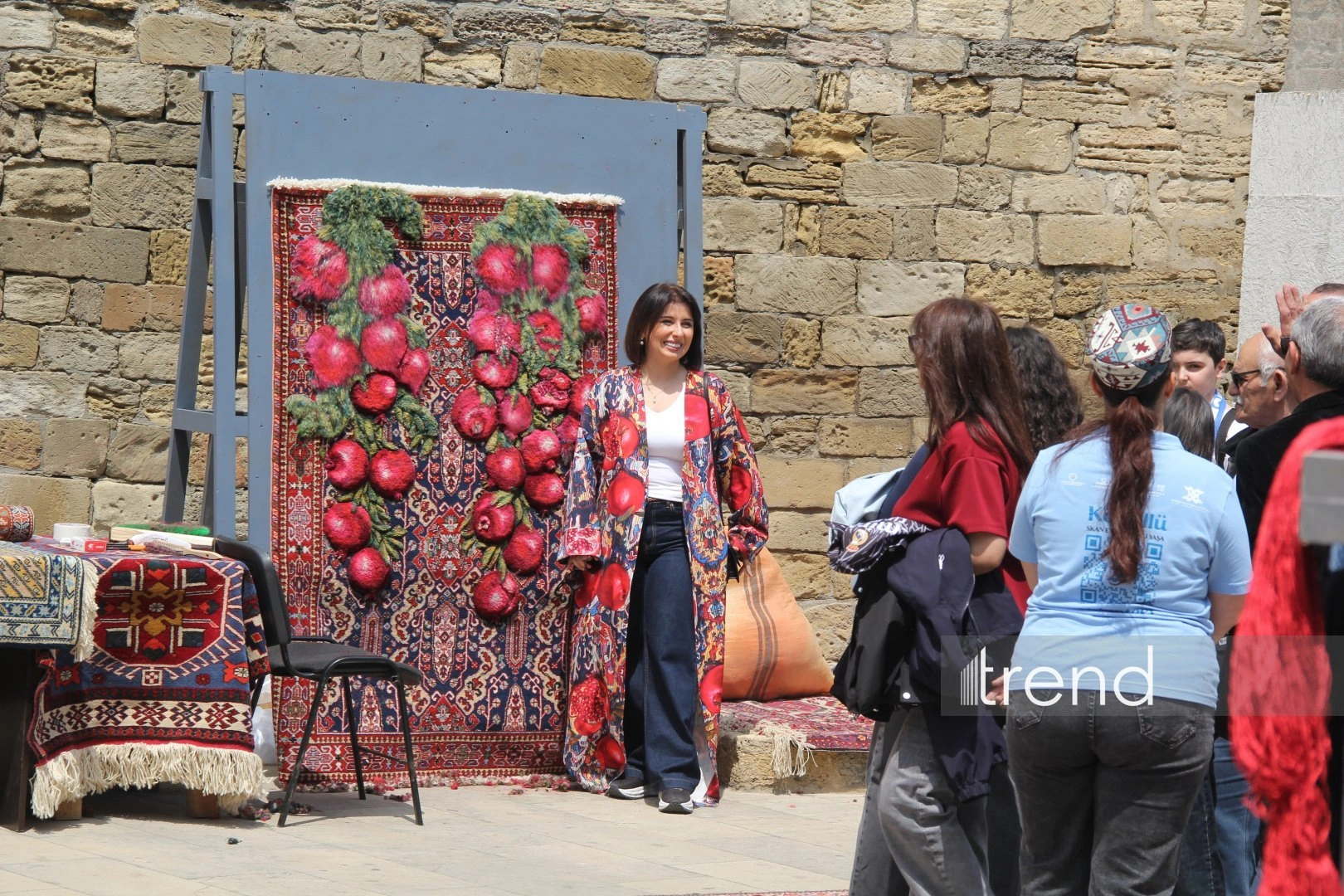
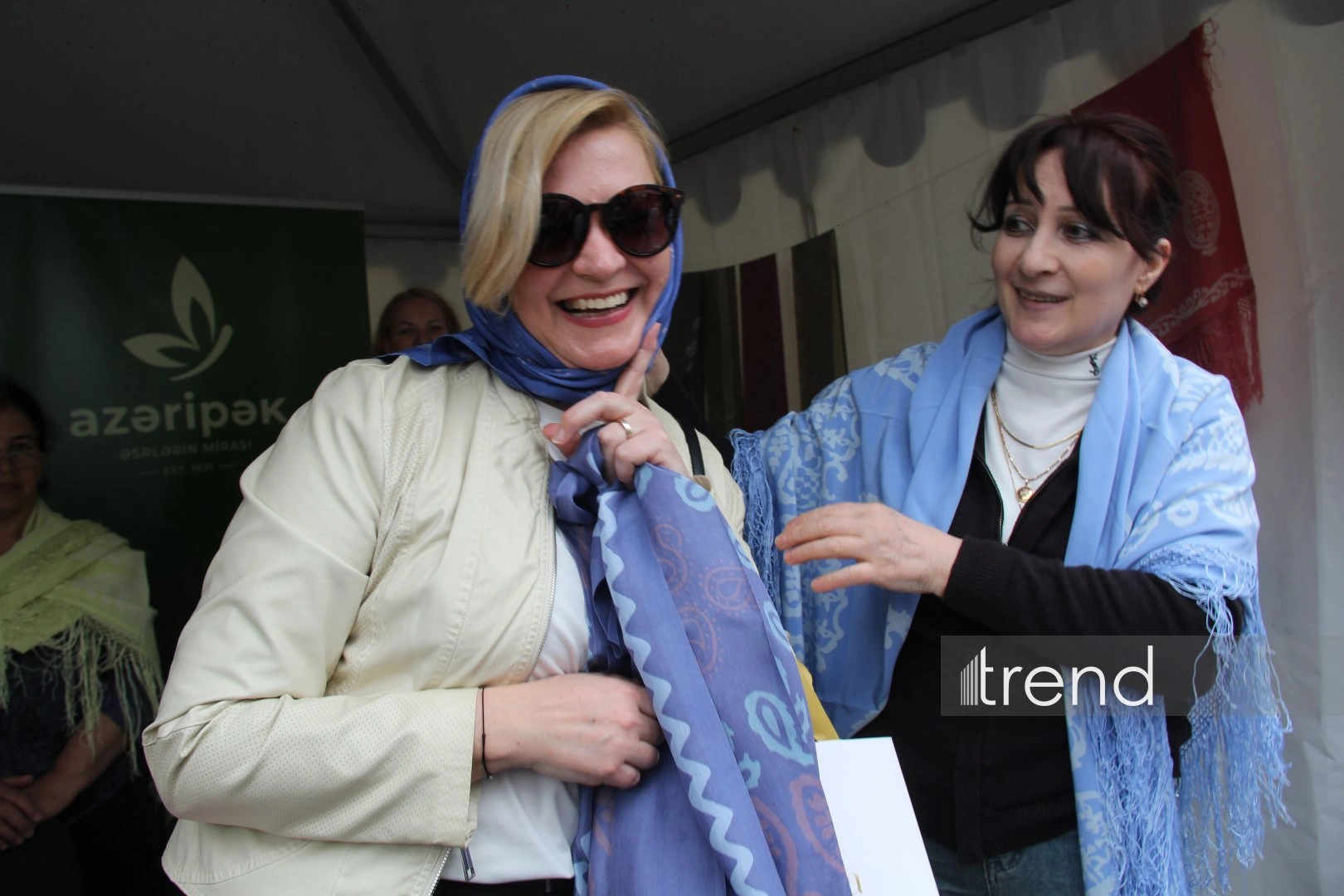
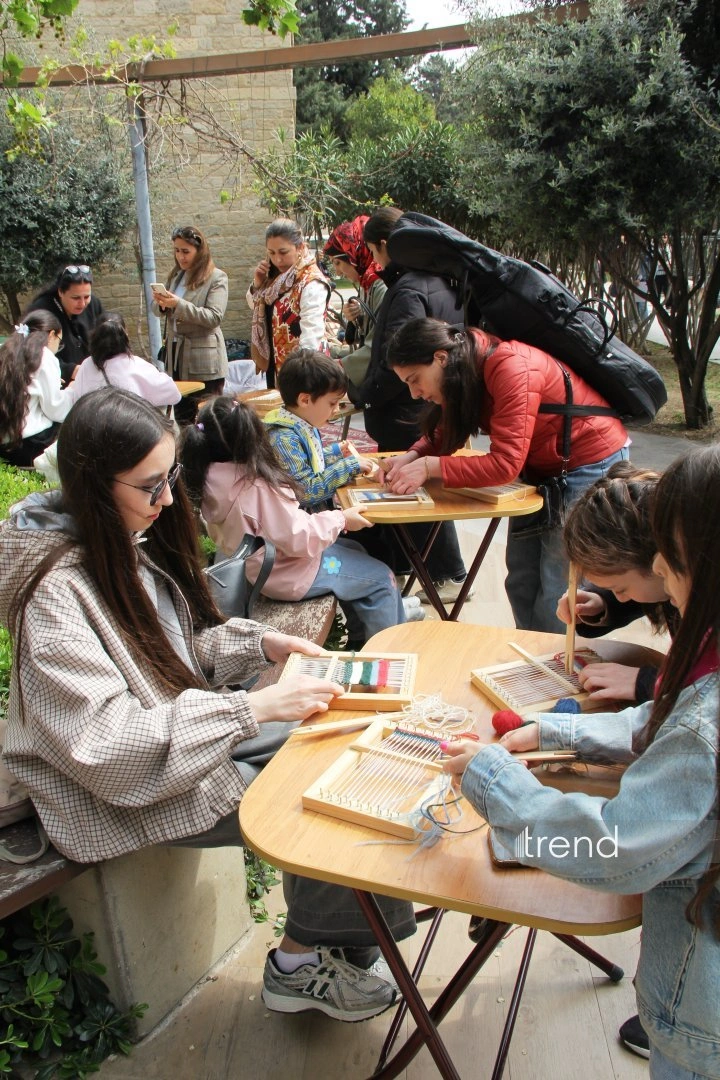
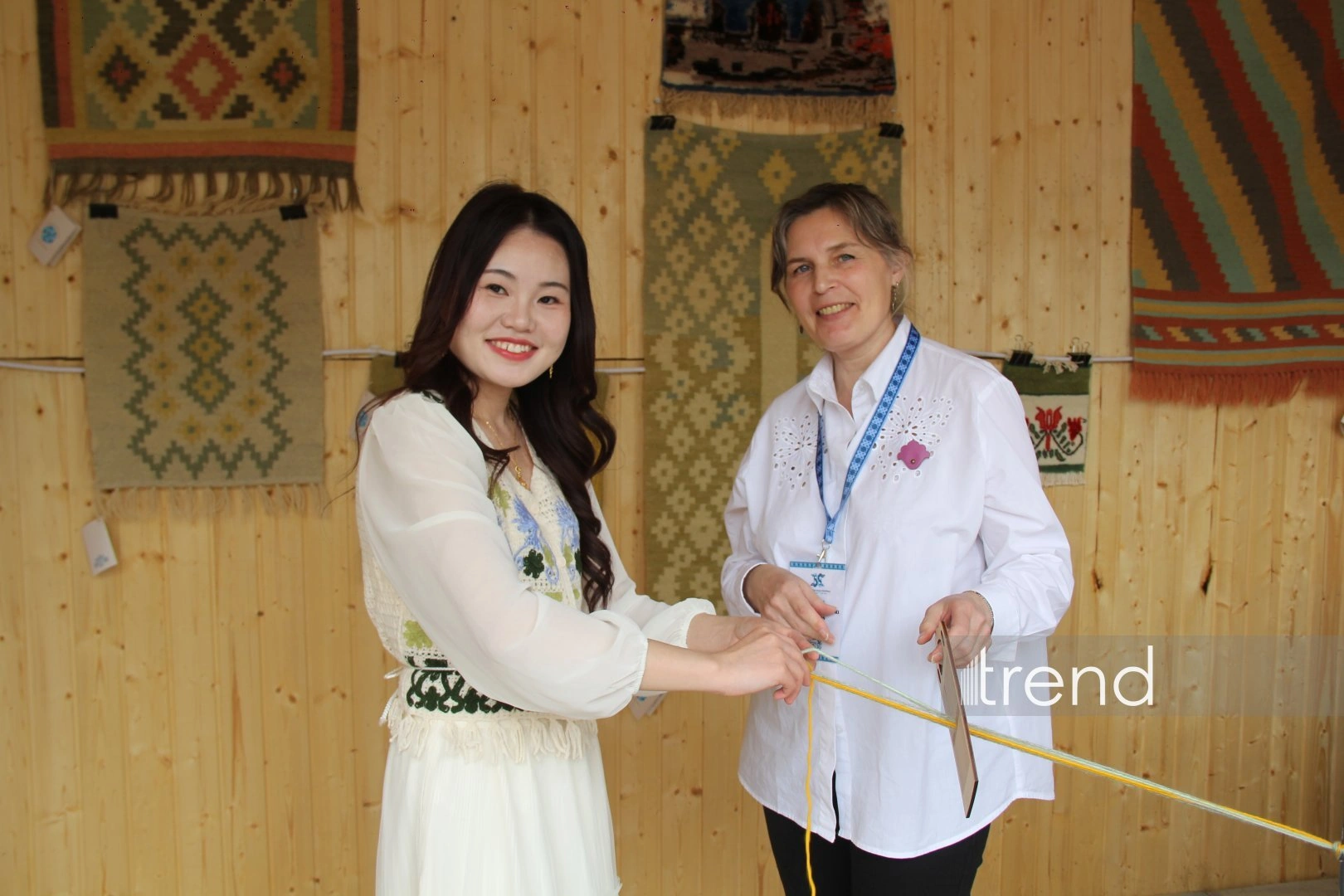
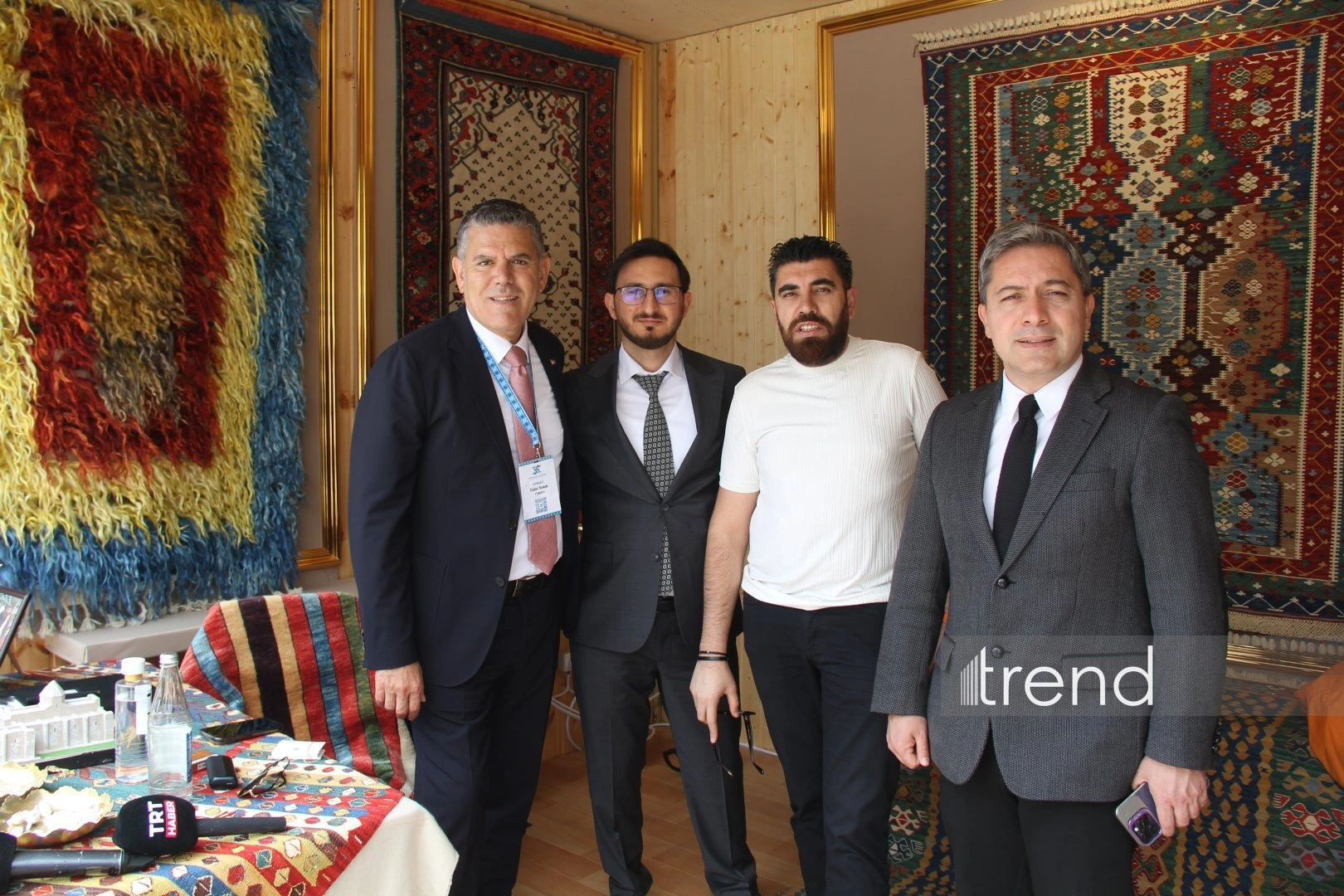
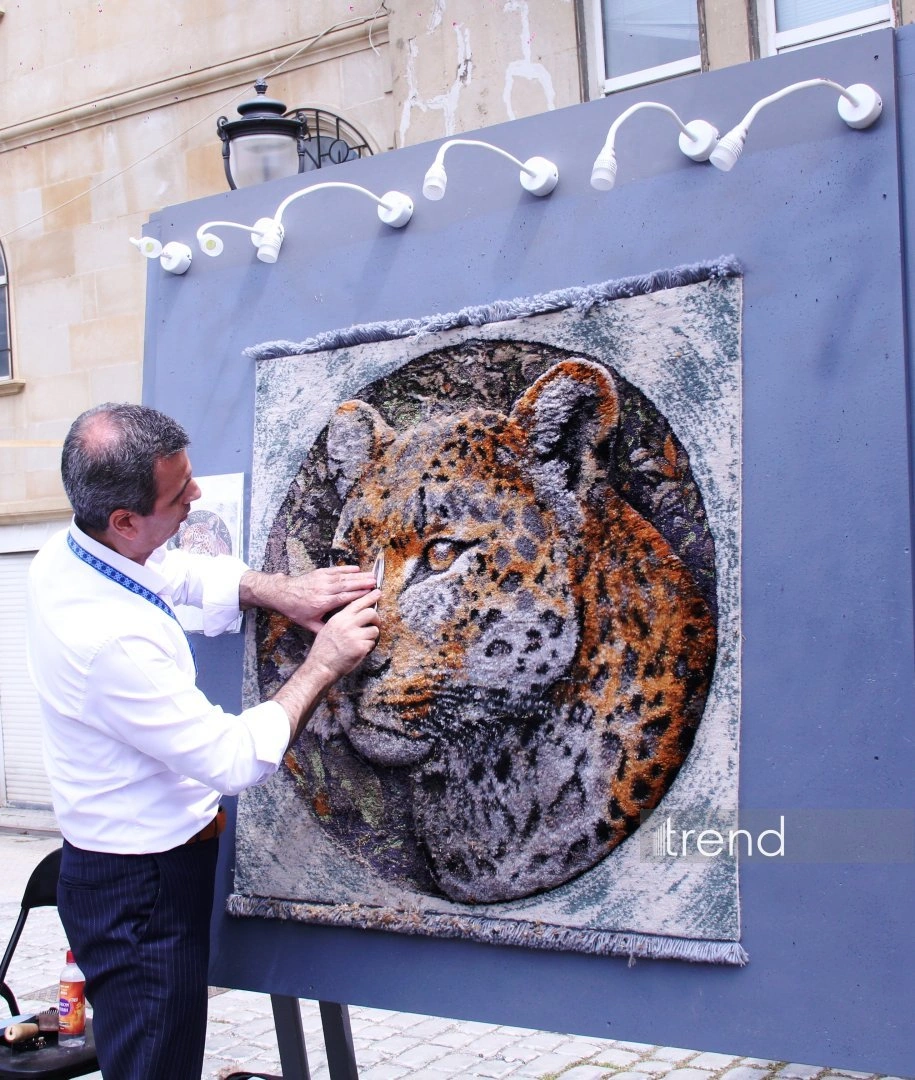
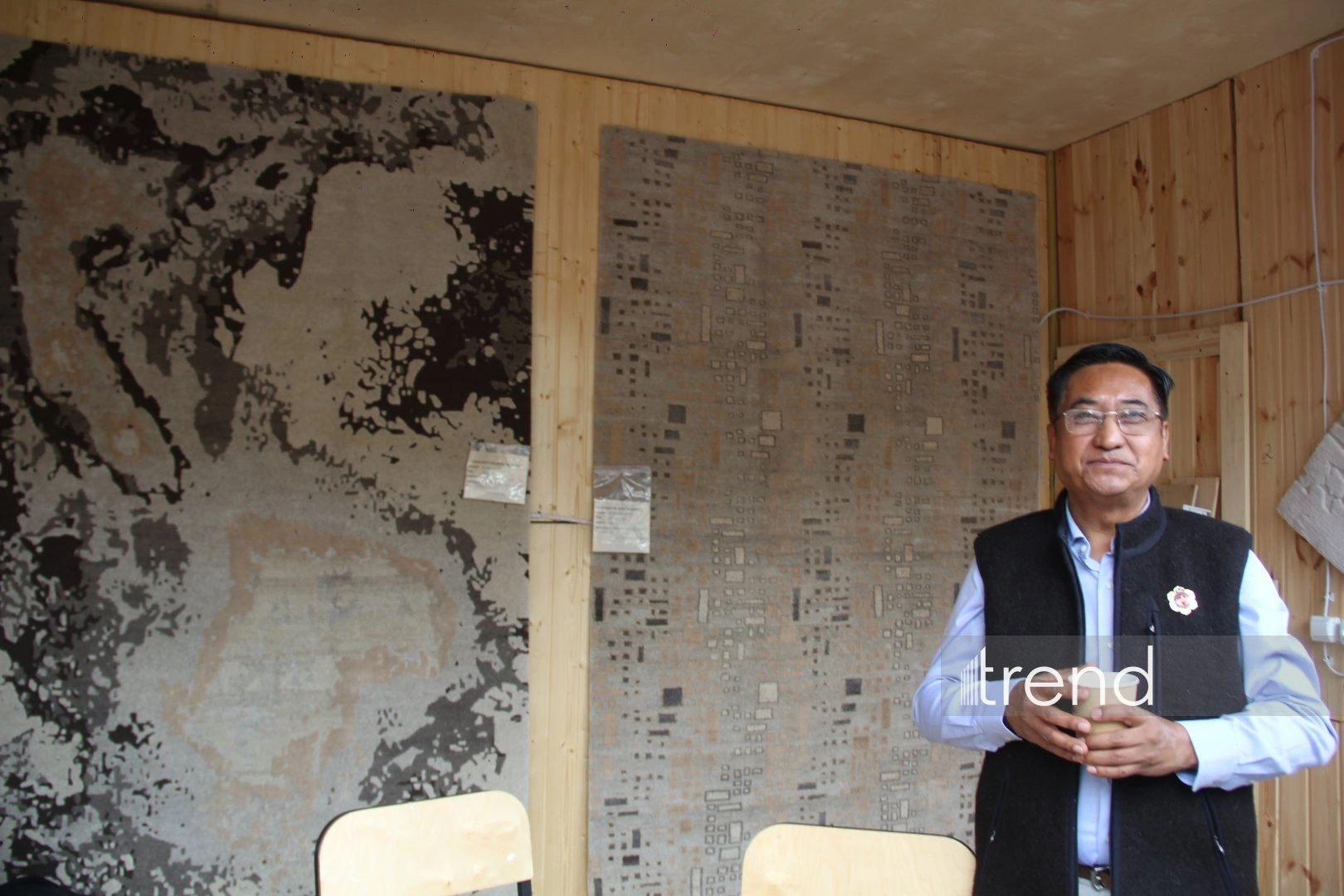
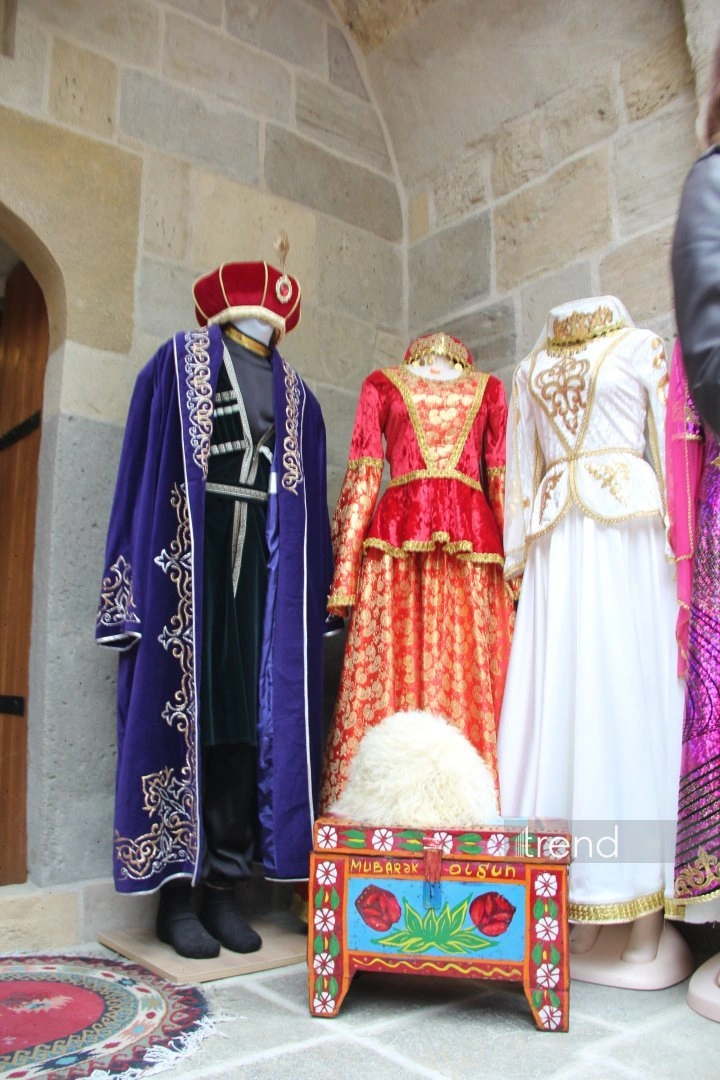
The festival also features exhibitions of unique carpets from
various regions, weaving workshops where you can witness the
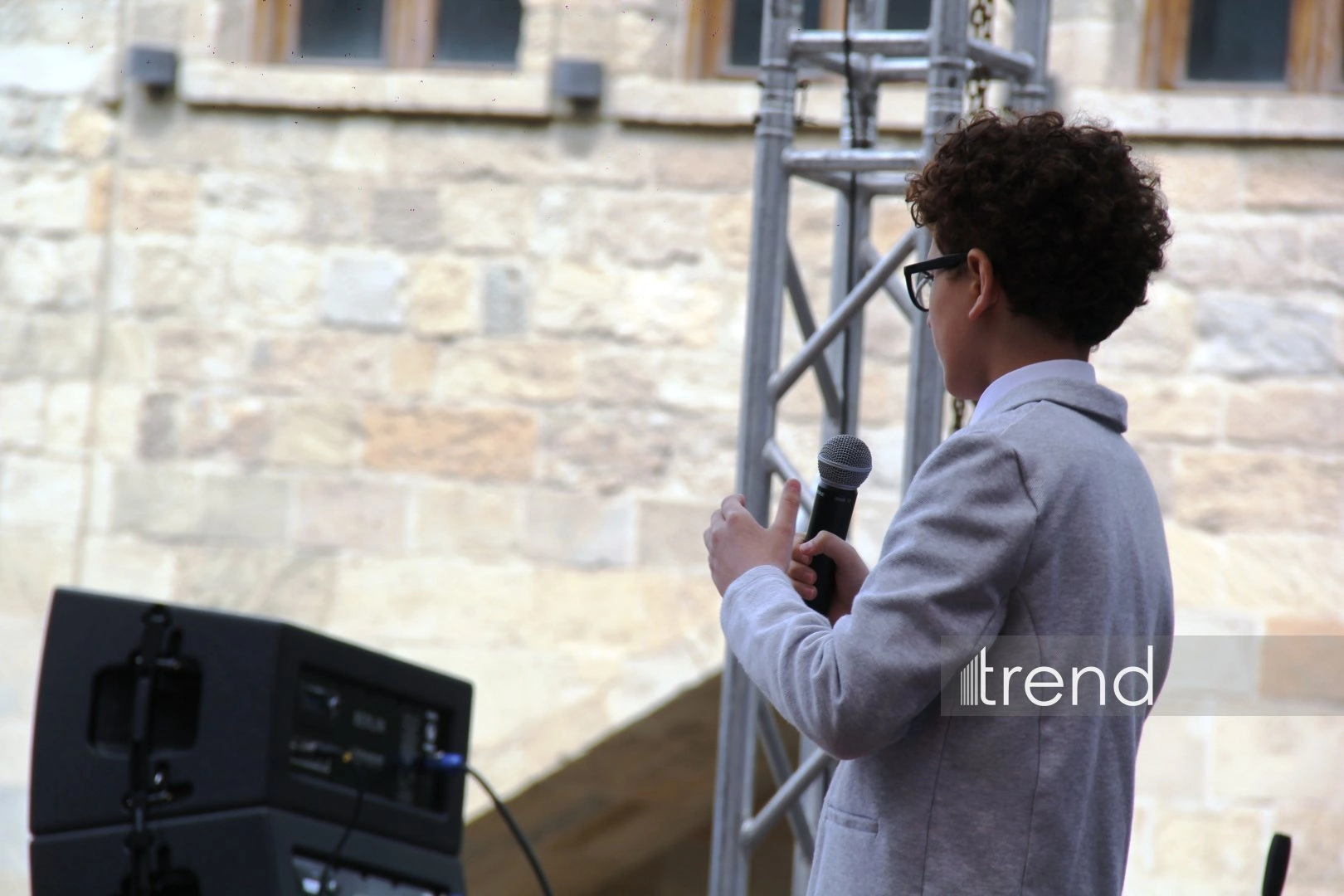
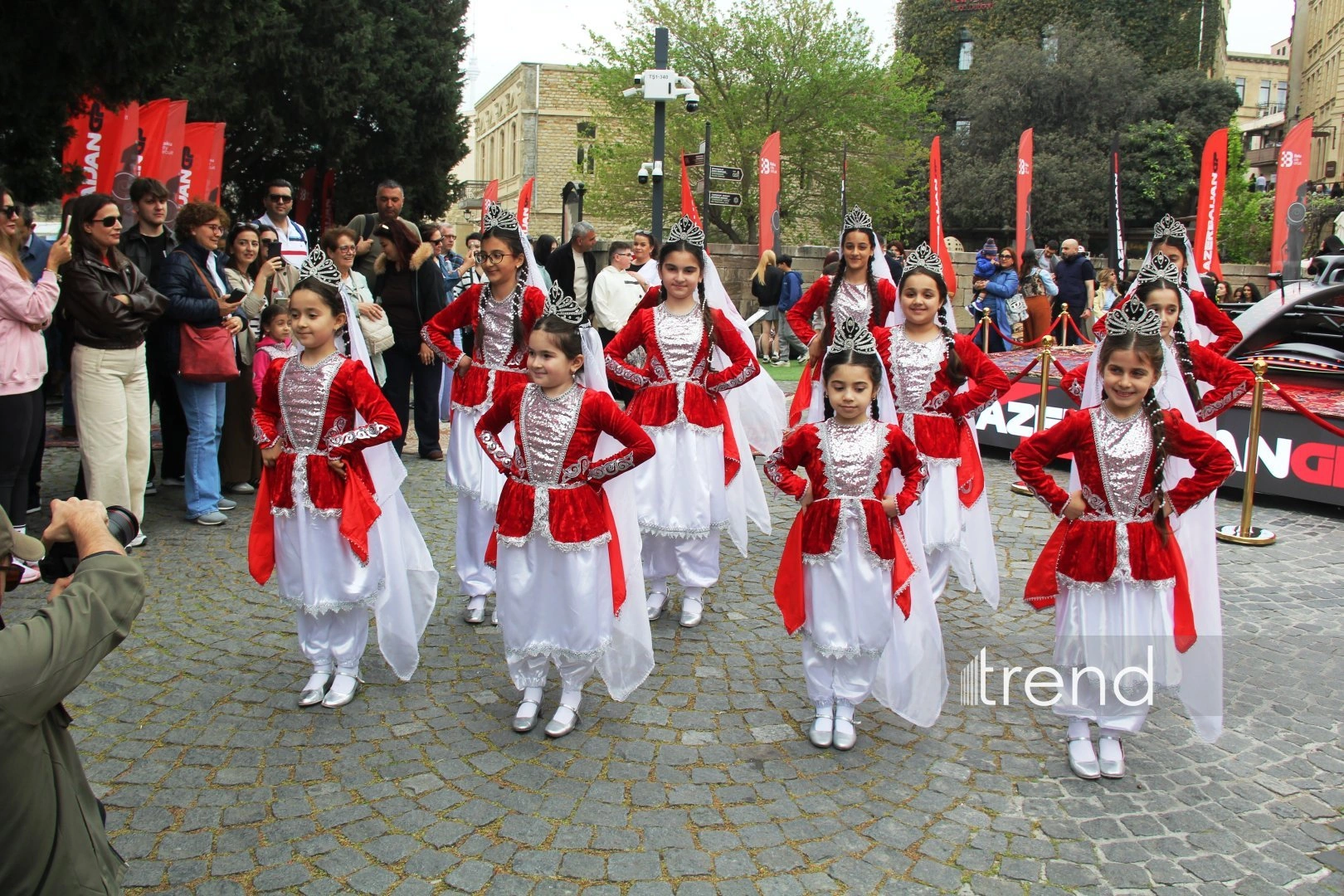
process of creating a pattern, performance programs, and special
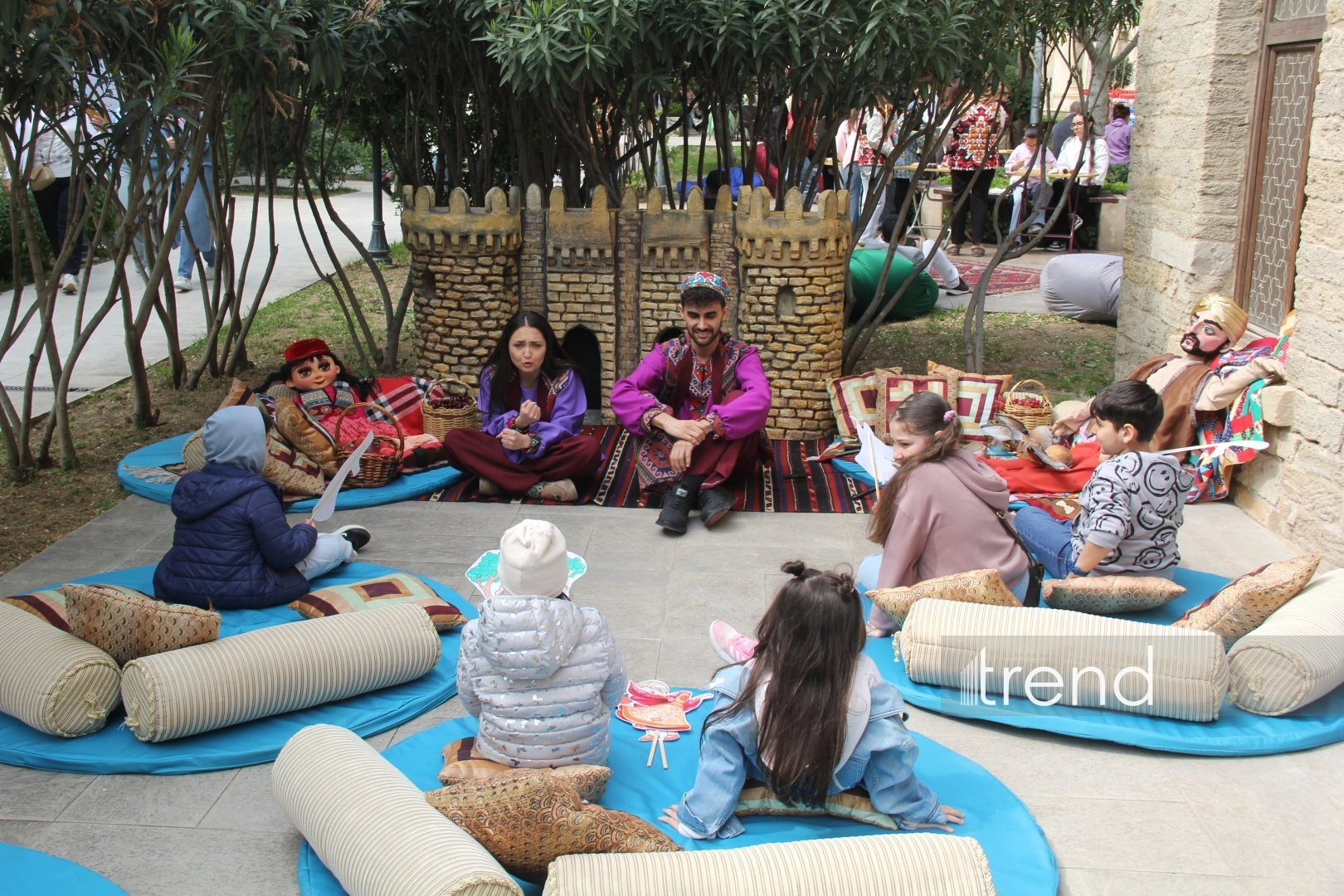
educational activities for children.
The event was organized by Azerkhalcha OJSC and the Icherisheher
State Historical and Architectural Reserve with the support of the
Ministry of Economy and the Export and Investment Promotion Agency
(AZPROMO).
The festival was timed to coincide with Carpet Weaver's Day and
the 10th anniversary of "Azerkhalcha". One of the festival's
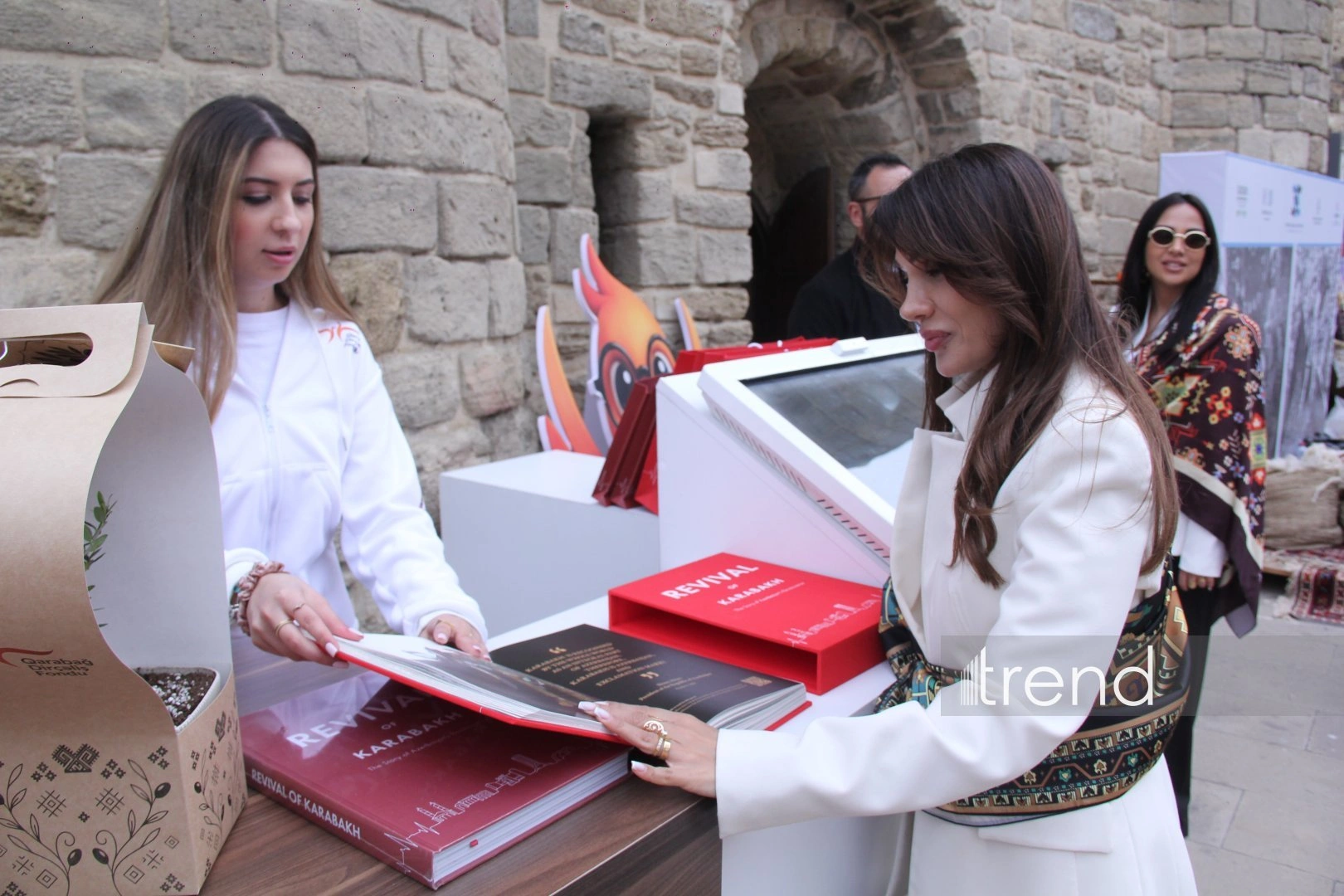
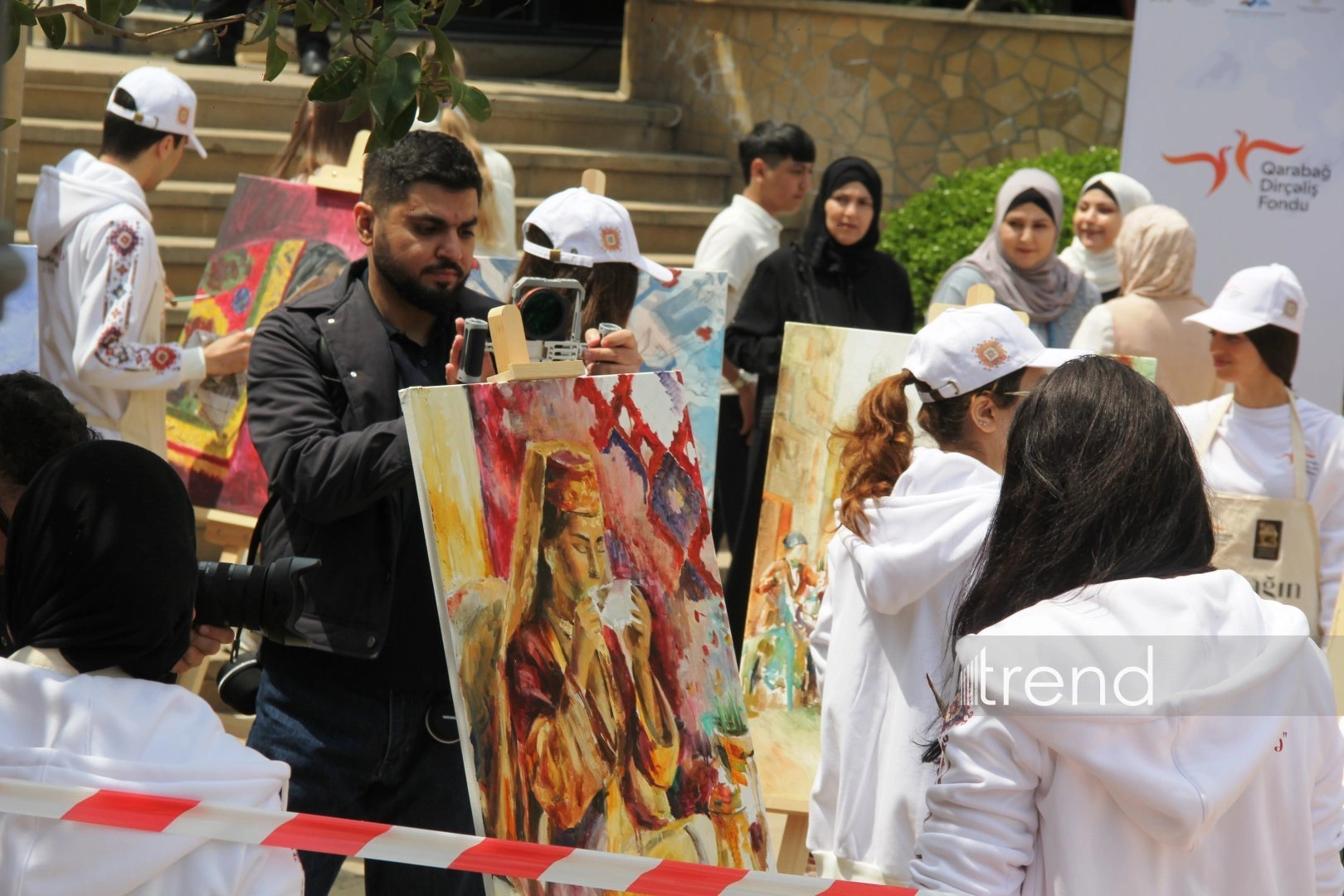
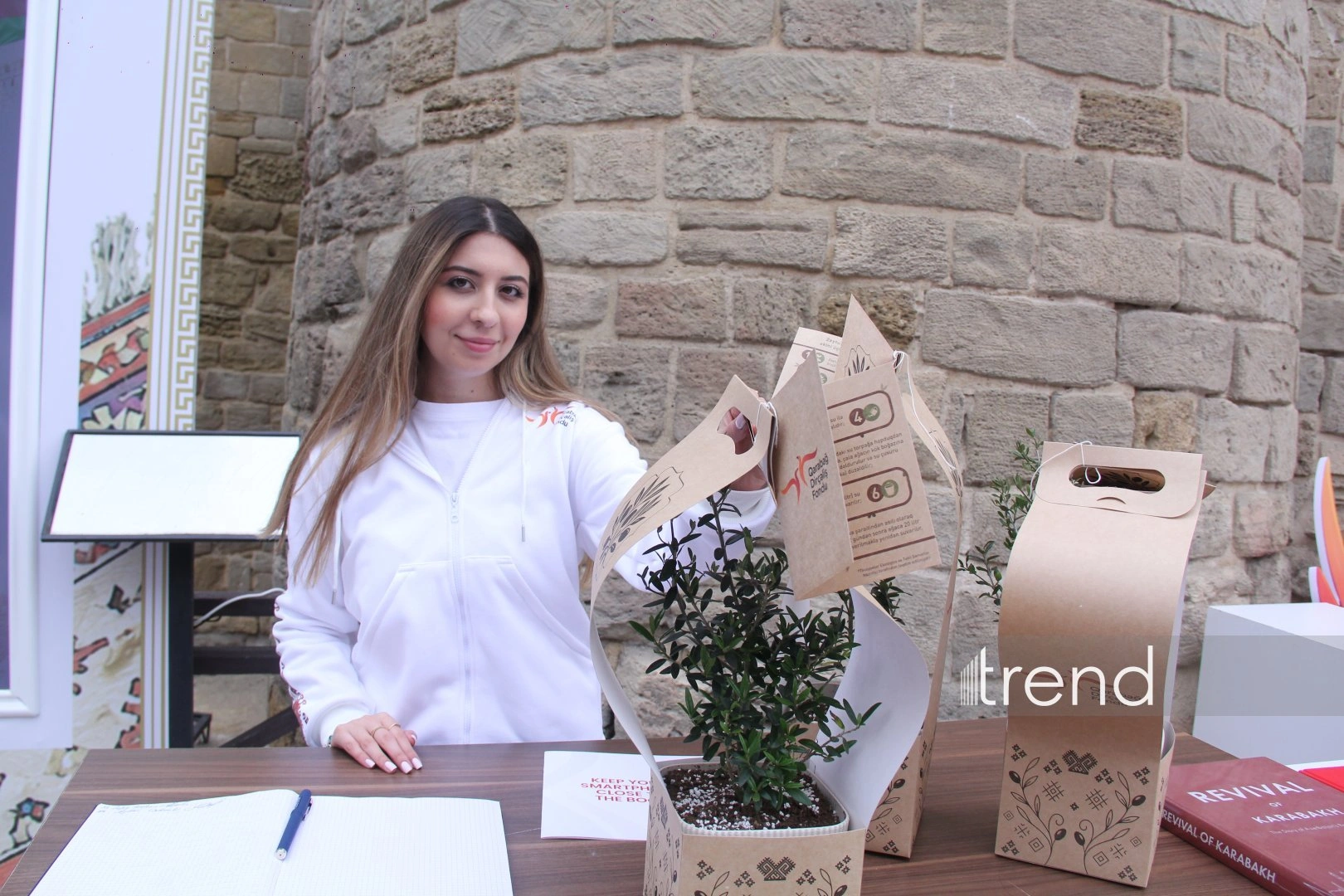
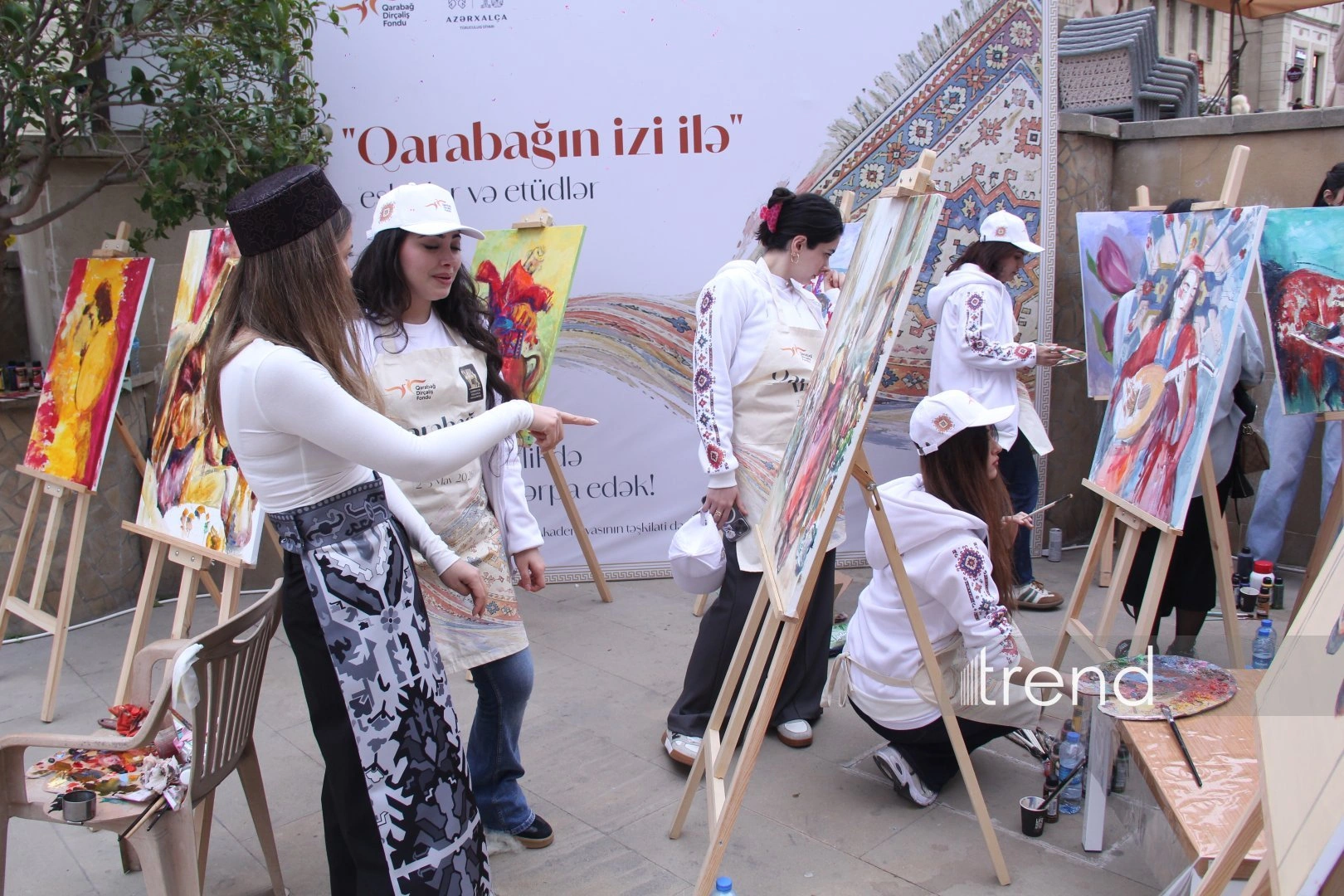
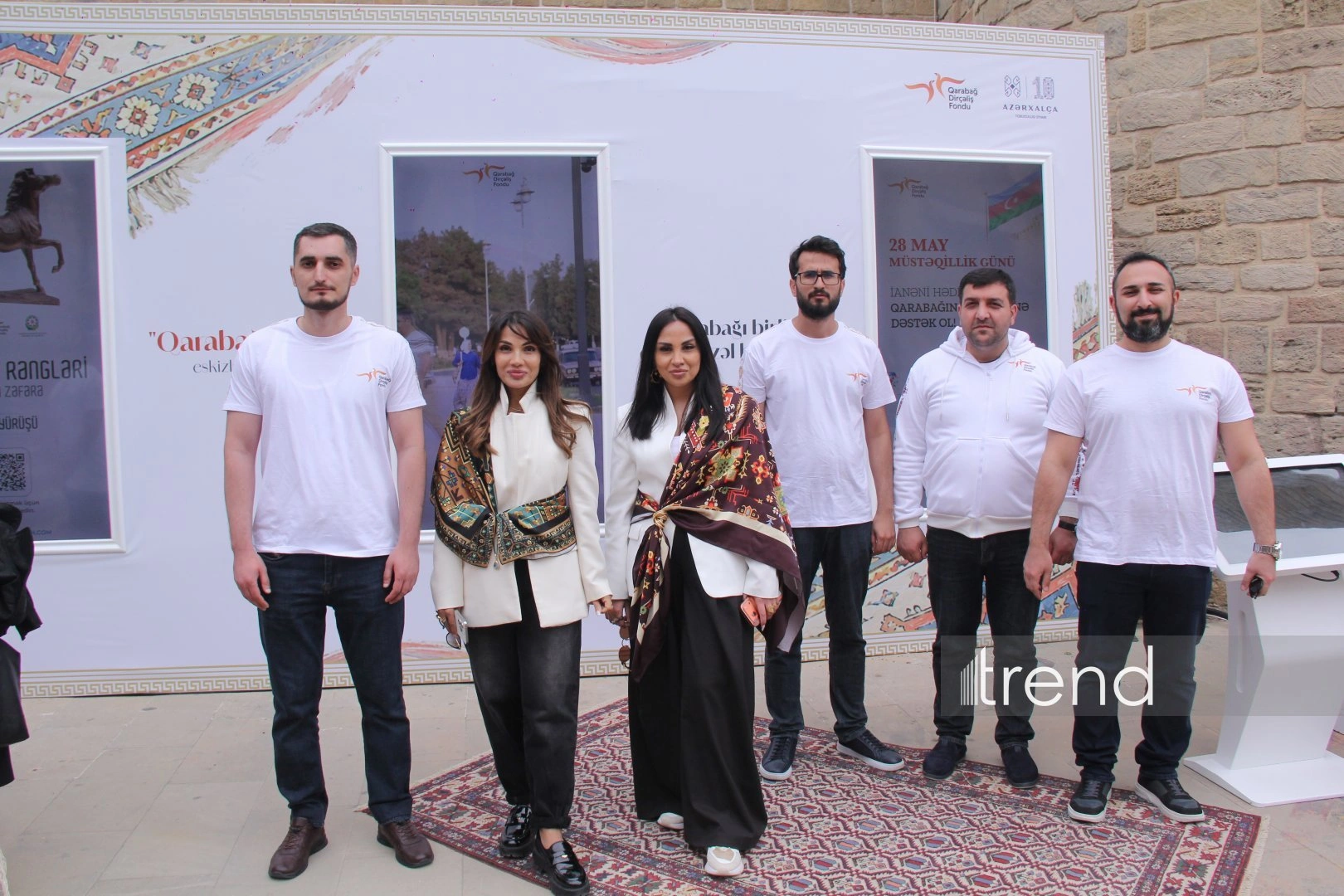
partners was the Karabakh Revival Foundation, which presented the
project "In the Footsteps of Karabakh," implemented jointly with
the Azerbaijan State Academy of Arts. Specialized literature was
also on display, along with an information board.
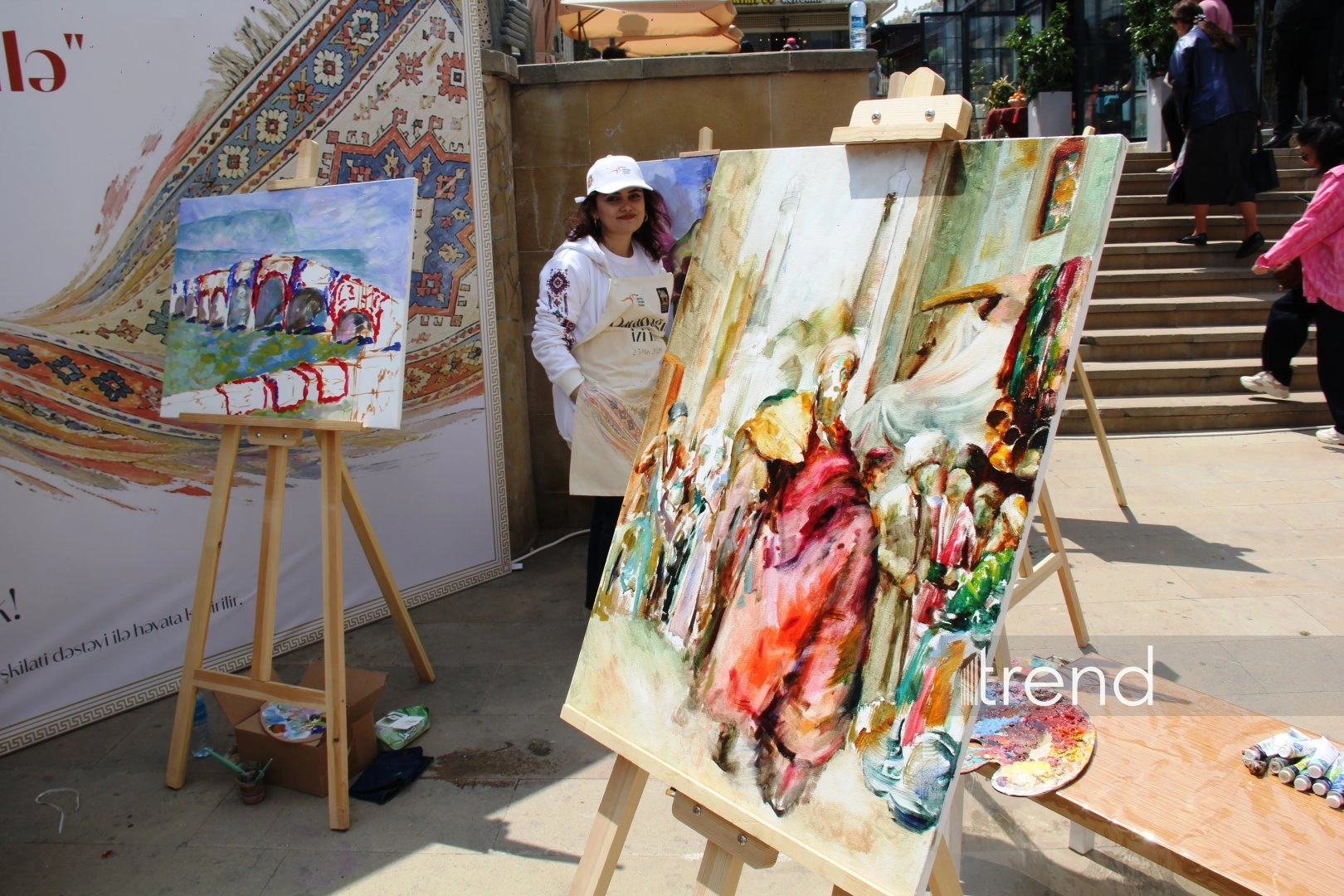
As the foundation's public relations coordinator, Parvin
Mamedova, noted, children create artwork inspired by the patterns
of Karabakh carpets:
"Our collaboration with the Academy of Arts has been ongoing for
several years. The first stage was the "Colors of Karabakh"
project, and we plan to present its second part soon. The unique
feature of the project is that the created works are donated in
exchange for donations. We categorically avoid using the term
"sale"—it's a form of charitable donation. All funds raised go
toward the restoration of Karabakh's cultural heritage.
The work from the previous phase generated great interest among
donors and companies and was donated in exchange for significant
donations. Furthermore, the foundation is committed not only to
cultural restoration but also to environmental protection.
Therefore, olive tree saplings are on display at the stand. Anyone
can scan a QR code to make a donation for tree planting in
Karabakh. As a token of gratitude, participants are presented with
symbolic olive sapling".
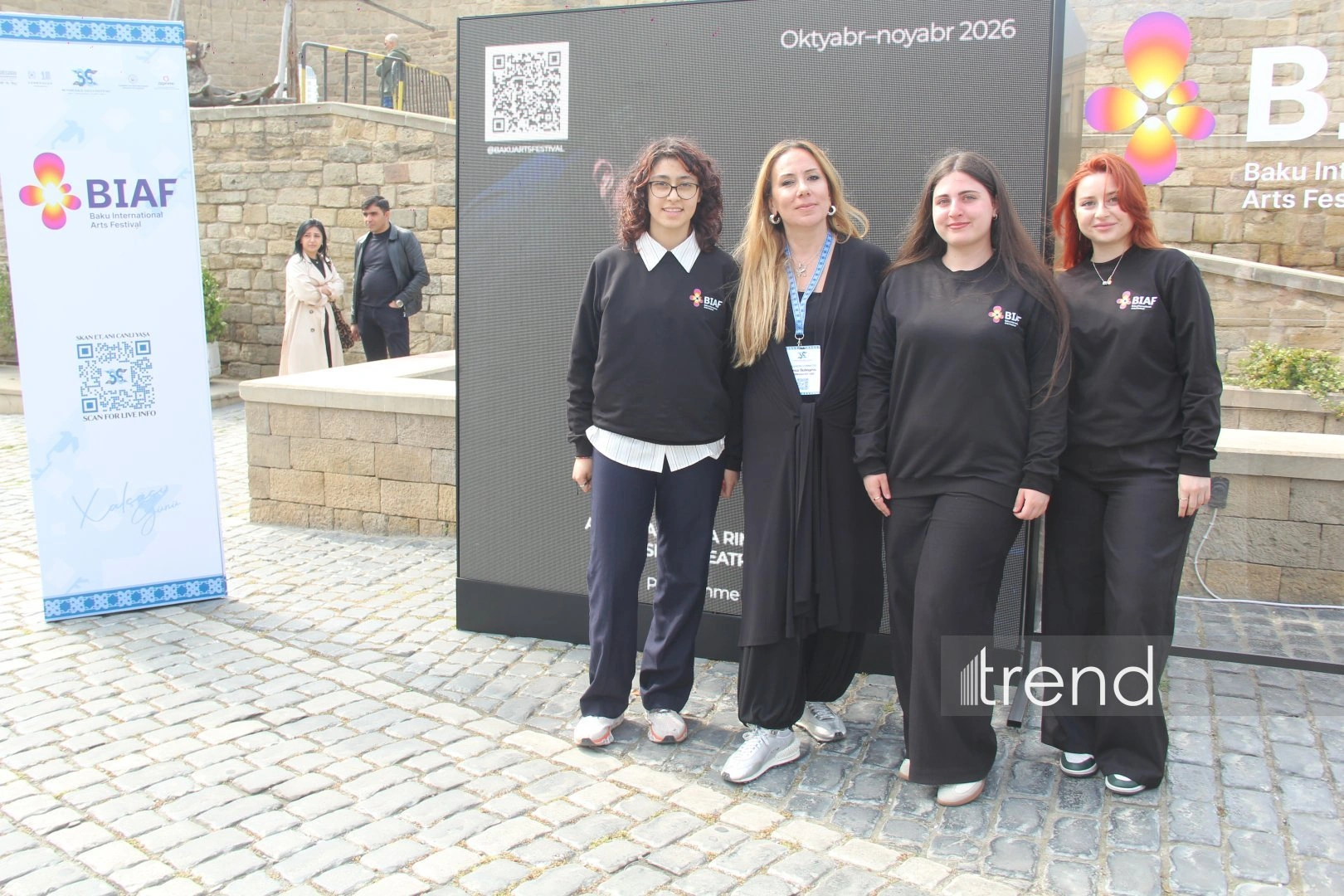
Another partner is the Baku International Art Festival. BIAF's
main mission is to bring world-class art to Baku, present local
talent on an international platform, and create a unity between
tradition and modernity through the prism of art. Asmar Babayeva,
Creative Director and Board Member of Azerkhalcha OJSC, emphasized
the importance of synthesizing musical and carpet art:
"The festival's events will take place at leading cultural
venues in Baku. The festival will feature both international and
local artists, presenting new ideas and contemporary art forms. Our
goal is to contribute to the development of contemporary culture in
Azerbaijan and create a platform for creative exchange. We strive
to unite music, dance, theater, and visual arts on a single
platform, creating not just events, but a complete emotional
experience".
The festival becomes a meeting point for cultures, ideas, and
eras. Baku once again confirms its status as a city where East
meets West, and tradition seamlessly merges with modernity.
And perhaps it is here today that one can best appreciate that a
carpet is not just an everyday object, but a language spoken by
history. A language that resonates particularly vibrantly and
modernly in Baku.