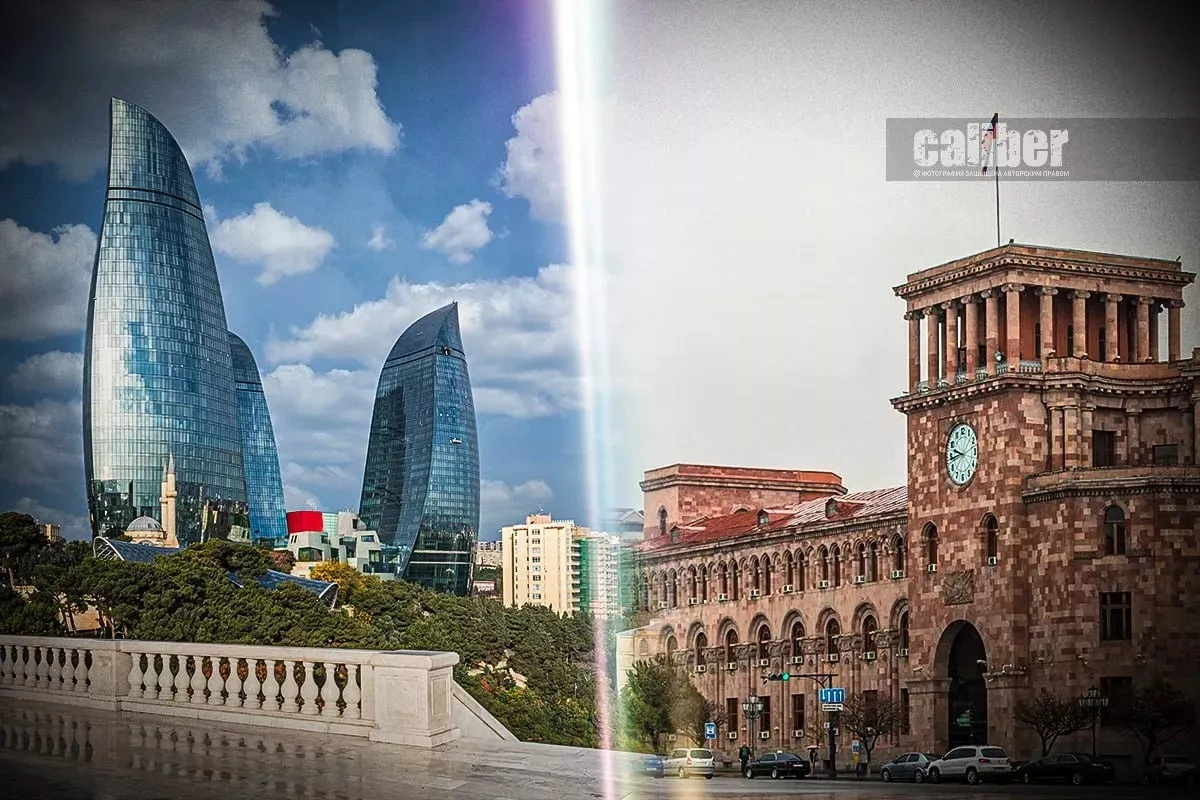
Yerevan is actively preparing to host two major events for the country—the summits of the European Political Community (EPC) and the Armenia–EU format, which are expected to be attended by the President of the European Council, António Costa, and the President of the European Commission, Ursula von der Leyen.
In principle, given the current pro-European policy pursued by the Armenian authorities, this development is not surprising. However, it raises well-founded questions in Baku—both towards Yerevan and Brussels—related to regional security. The key concern among them is undoubtedly of a humanitarian nature.
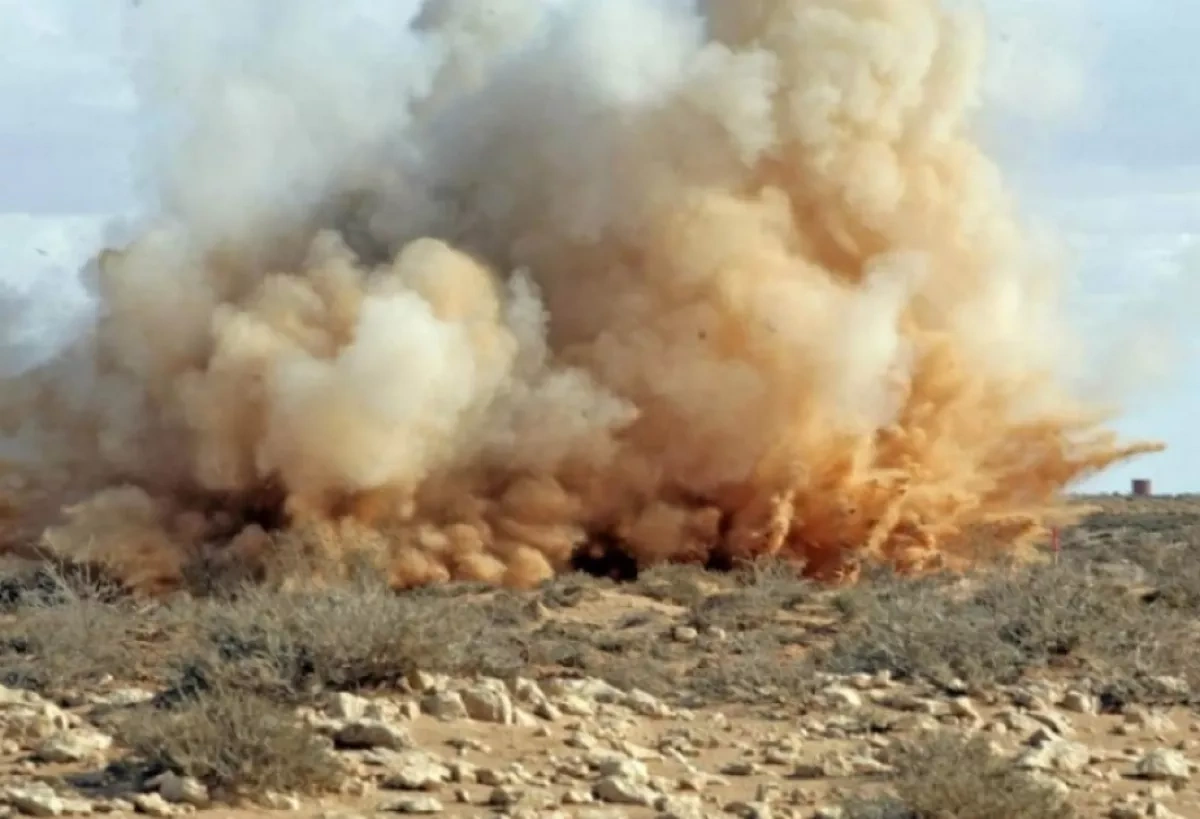
As is well known, the legacy of the Armenian occupation in the form of landmines and unexploded ordnance continues to pose a threat to the lives and health of Azerbaijani citizens. Thus, from November 10, 2020, to April 26 of the current year, 261 mine-related incidents were recorded, resulting in 423 victims, of whom 73 were killed and 350 injured. In total, since 1991, more than 3,400 people have fallen victim to landmines. These are dry statistics, but behind them lie shattered lives, unfulfilled hopes, and the pain of loss.
The Azerbaijani state attaches great importance to this issue. President Ilham Aliyev has repeatedly stated from the highest platforms that the mines left behind by Armenia hinder the safe return of formerly displaced persons to their homes and obstruct the implementation of reconstruction projects in the territories liberated from occupation.
At the same time, in addressing this issue, Baku relies not only on its own resources but also puts forward relevant humanitarian initiatives at the international level. For instance, in April 2022, Azerbaijan proposed the establishment of a Global Trust Fund for Mine Action. This was stated by Hikmet Hajiyev, Assistant to the President of Azerbaijan and Head of the Foreign Policy Affairs Department of the Presidential Administration, speaking in Baku at the international conference “Humanitarian Mine Action and the Sustainable Development Goals.”
However, Armenia’s refusal—despite the de facto establishment of peace between the two countries—to provide the Azerbaijani side with accurate maps of minefields postpones the resolution of this dangerous issue for an indefinite period. Such behaviour by Yerevan provokes justified indignation in Azerbaijan and effectively renders meaningless the Armenian authorities’ loud statements about their commitment to the peace process.
At the same time, Brussels, in line with its long-standing practice, prefers to turn a blind eye to yet another Armenian demarche that grossly violates the norms and principles of international law, including the Geneva Conventions, and runs counter to the Armenian government’s declared course towards democratic values. Thus, we are once again witnessing the EU’s one-sided and biased policy, as well as the presence of the well-known double standards within its structures, which, however, no longer comes as a surprise.
Azerbaijan has repeatedly faced such an anti-Azerbaijani approach—both during the period of occupation, during the Second Karabakh War, and in the post-conflict period. This trend continues today, as clearly evidenced by the “recent” resolution of the European Parliament.
This “document,” presented as a programme of assistance to an ally—namely Armenia—in substance functions as an instrument of hybrid pressure on the peace process between Baku and Yerevan. It contains direct accusations and unacceptable demands directed at Azerbaijan. Thus, in effect, the title of the “document” refers to Armenia, while its content amounts to an accusatory indictment against Azerbaijan, packaged within a framework of a support programme. Baku’s response, accordingly, did not take long: Azerbaijan decided to suspend cooperation with the European Parliament.
Against this background, it can be stated with confidence that the mine threat stemming from Armenia will not be included on the agenda of the two summits in Yerevan, just as the refusal of the Armenian side to provide Baku with reliable information on the locations of mass burial sites of Azerbaijanis—also a gross violation of international humanitarian law—will not be addressed.
However, both Brussels and Yerevan should take into account that Azerbaijan possesses all legal and moral grounds to compel Armenia to provide minefield maps, while acting strictly within the framework of international law. For instance, Baku may proceed by analogy with the claim filed last year at the Permanent Court of Arbitration in The Hague against Armenia on the basis of the 1979 Bern Convention, seeking compensation for ecocide committed in Karabakh during the period of occupation.
Given the lessons of previous years, there can be little doubt that the Azerbaijani state will, sooner or later, achieve the restoration of justice in this matter as well.