Against the backdrop of profound geopolitical changes and regional conflicts, one of the key priorities for states pursuing an independent foreign policy is the effective protection of national interests grounded in the principles of humanism. In this regard, Azerbaijan stands out as a prominent example, primarily due to its ability to flexibly pursue a multi-vector foreign policy both in the region and within the broader system of international relations.
Azerbaijan’s strategic location, rich energy resources, and balanced and pragmatic diplomacy have turned it into one of the important partners of post-Soviet countries, particularly Ukraine. In this context, it should be noted that diplomatic relations between Baku and Kyiv were established in February 1992, although historical contacts between the two countries date back to 1918–1919.
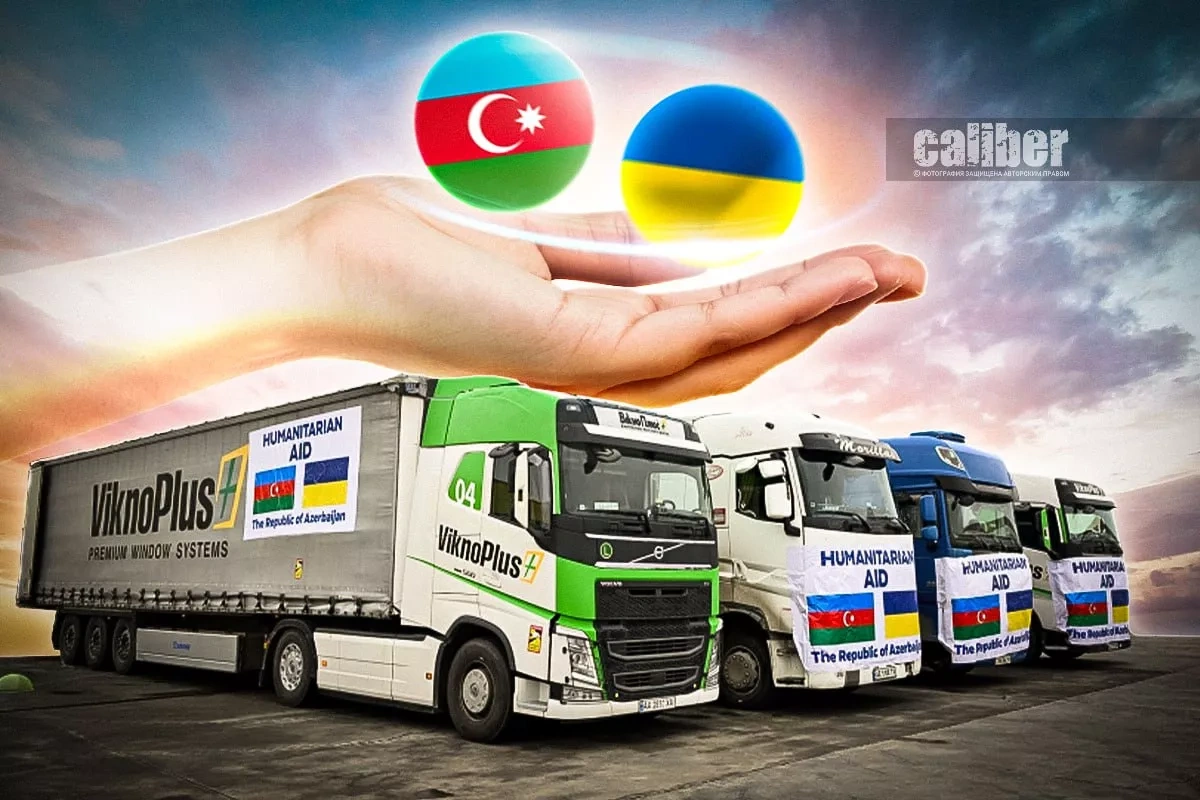
Today, in the context of a complex international environment, the key feature of cooperation between Baku and Kyiv is not political conjuncture, but the consistent development of the humanitarian dimension, which is gradually becoming the foundation of a long-term partnership. Baku has traditionally provided support to countries and peoples affected by conflicts, a policy driven not only by international responsibility but also by its own historical experience.
For decades, Azerbaijan has faced serious consequences of military confrontation, which has fostered a deep understanding of the scale of humanitarian challenges, including those with a significant psychological component.
In this sense, Baku’s programme for the rehabilitation of Ukrainian children is particularly indicative. It is not only a gesture of solidarity, but also an investment in the future of Ukrainian society, as well as a state initiative that envisages, in the near future, the launch of rehabilitation programmes for Ukrainian students. In other words, through such steps, the Azerbaijani state is expanding the humanitarian agenda of bilateral cooperation.
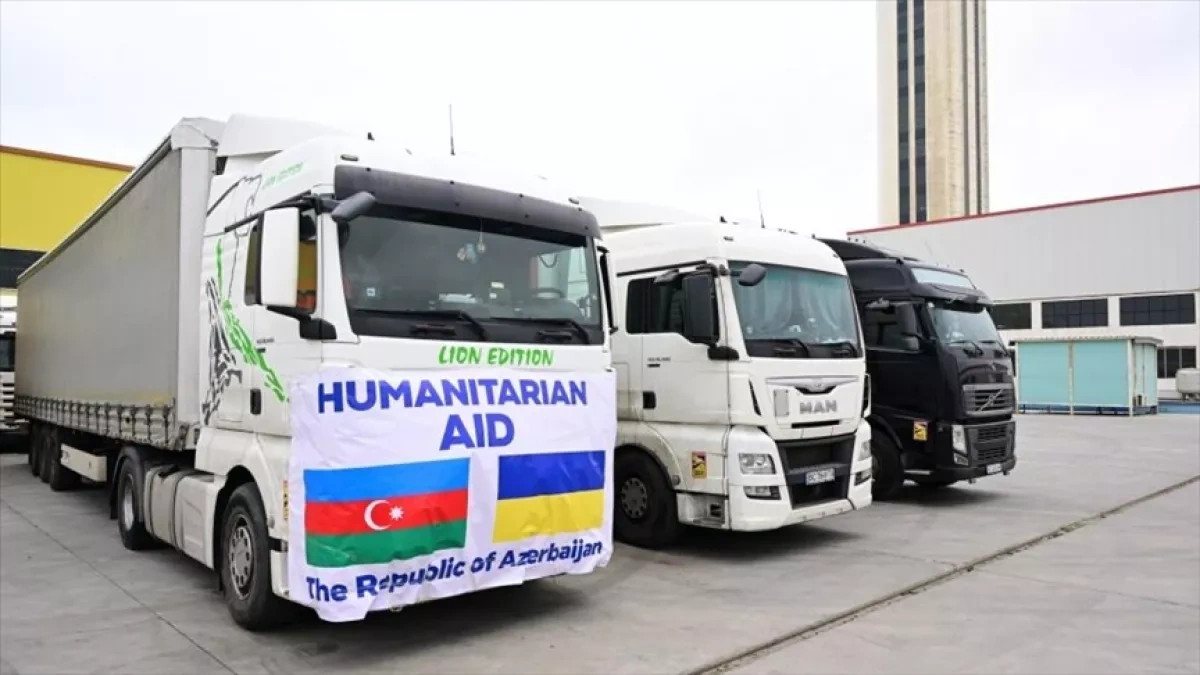
Equally significant in this context is Azerbaijan’s contribution to supporting Ukraine’s civilian infrastructure. In the conditions of a damaged energy system, electrical generators play a particularly important role, ensuring the functioning of vital facilities, including medical institutions. By supplying Ukraine with this equipment, Baku demonstrates that its humanitarian policy is aimed at addressing the concrete needs of the population.
Special attention should also be given to the potential for cooperation between Baku and Kyiv in the fields of demining and post-war reconstruction. Given Azerbaijan’s accumulated experience and the scale of the challenges facing Ukraine, these areas could become another important element of bilateral engagement. On this basis, it can be confidently stated that the humanitarian dimension is a dominant factor in the development of bilateral cooperation, which is quite natural, as the foundation of a long-term partnership is built through support, recovery, and the development of human potential.
Speaking about relations between the two countries, it is also important to highlight the factor of bilateral economic cooperation, particularly in the energy sector. In this regard, the operation of SOCAR-branded petrol stations in Ukraine contributes to the strengthening of economic ties.
As for the political component of relations between the two states, it is characterised by balance and consistency. As noted above, Baku shapes its foreign policy based on national interests, avoiding involvement in confrontational scenarios. The principled position of the Azerbaijani side is to support the sovereignty and territorial integrity of all states within the framework of international law. At the same time, it is important to note that Azerbaijan, in the Russia–Ukraine conflict, while distancing itself from the military dimension, advocates the resolution of contradictions through dialogue rather than force, which allows it to maintain the trust of both sides.
In this regard, it is noteworthy that the Azerbaijani side has repeatedly expressed its readiness to provide a platform for Russia–Ukraine negotiations. One such example is the statement made in July 2025, when Assistant to the President of Azerbaijan and Head of the Department for Foreign Policy Affairs of the Presidential Administration, Hikmet Hajiyev, in an interview with the German publication Berliner Zeitung, declared Baku’s readiness to create all necessary conditions for peace talks between Moscow and Kyiv, should both sides express interest.
At the same time, it should be emphasised that Azerbaijan has extensive experience in hosting international negotiations: meetings between representatives of Moscow and Washington, Russia and NATO, Türkiye and Israel, as well as Syrian and Israeli parties have taken place in the Azerbaijani capital.
The proposal by Ukrainian President Volodymyr Zelenskyy, who is currently on a working visit to Azerbaijan, to hold another round of negotiations with Russia on Azerbaijani territory—made in Gabala during a press conference with President Ilham Aliyev—fits naturally into this broader context.
Thus, Azerbaijan’s ability to simultaneously develop contacts with various centres of power not only strengthens its diplomatic potential, but also serves as one of the pillars of a foundation upon which mutually respectful relations with other countries are built—a fact clearly illustrated in the case of Ukraine.