ASTANA, Kazakhstan, April 24. Kazakhstan aims
to complete the primary infrastructure of the Almaty Superski
project by September 2027, marking a significant milestone in the
broader development of the Almaty Mountain Cluster, Trend reports via the press
service of the Kazakh government.
The government’s master plan outlines 73 initiatives across the
cluster, with 49 scheduled for 2026–2027. The second phase of
development will commence in 2027, focusing on the expansion of the
Oi-Qaragai Mountain Resort and other ski areas, all interconnected
by a unified cable car network.
Under the Almaty Superski project, construction of a 6-km access
road is scheduled to begin in June 2026, accompanied by the
building of bridges and water infrastructure within the same year.
Gas and sewage networks are planned for installation in 2027, with
the full engineering infrastructure and road system targeted for
completion by September 2027.
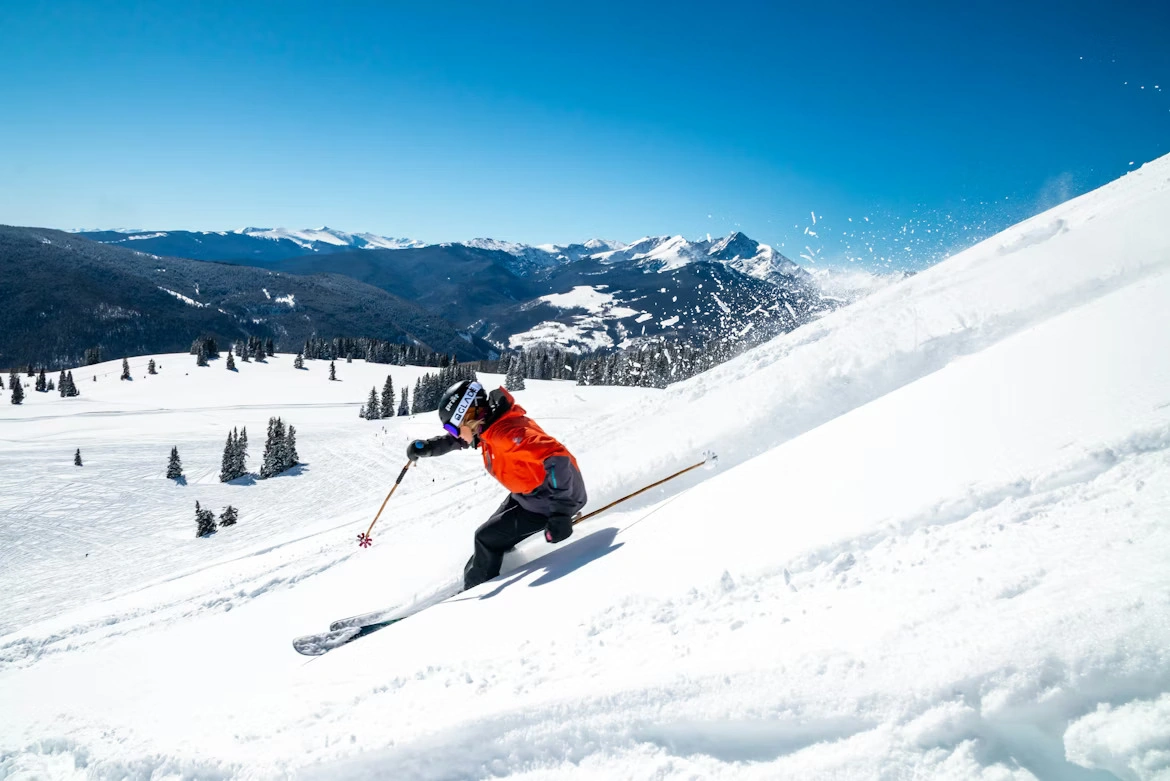
At Shymbulak Ski Resort, seven new cable car lines are set to
begin construction in May 2026, with two expected to be operational
by the end of that year. This expansion will add over 5 km of ski
slopes to the existing 18 km network, alongside the modernization
of two existing lifts.
The Almaty Mountain Cluster program for 2025–2029 comprises 15
projects valued at 92.8 billion tenge ($200 million), including
83.8 billion tenge ($180 million) in private investment. At
Oi-Qaragai, several facilities are already operational, including
gondola and chair lifts, ski runs, and a paragliding platform.
Officials have also confirmed plans for a centralized transport
hub to connect cable car routes across major resorts, positioning
2027 as the year when core connectivity and infrastructure across
the cluster will come into operation.
Meanwhile, Kazakhstan’s tourism sector has been steadily
expanding, supported by infrastructure development and increasing
international arrivals. In 2024, the country recorded approximately
15.3 million foreign visitors, while the first half of 2025 alone
saw inflows of around 7.5 million, reflecting ongoing post-pandemic
recovery and rising regional mobility. Key source markets include
China, India, Türkiye, neighboring Central Asian states, and
increasing flows from Europe.
Investment activity in the sector has accelerated, with
tourism-related investments estimated at over 590–900 billion tenge
($1.3–1.9 billion) in 2025, while revenues from accommodation
services reached roughly 151 billion tenge ($325 million) in the
first half of the year. Authorities are increasingly emphasizing
mountain and nature-based tourism, positioning Almaty-centered
projects as central drivers of long-term industry growth.