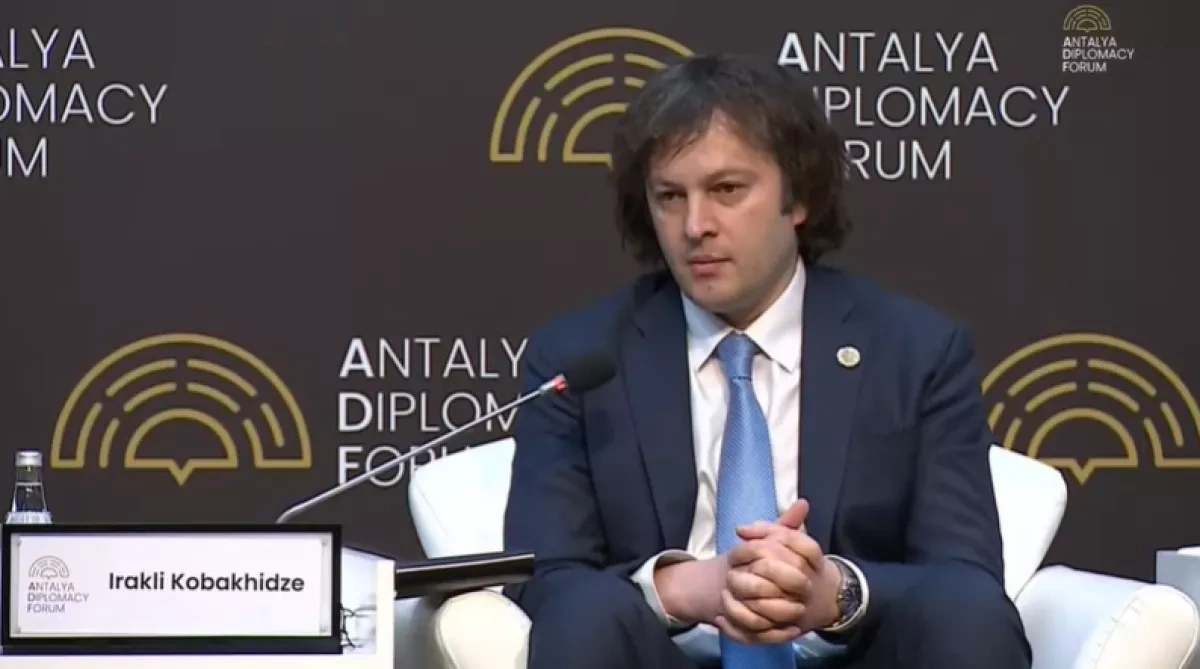
On April 17, Georgian Prime Minister Irakli Kobakhidze took part in the Antalya Diplomacy Forum. During his speech, he addressed pressing issues of global politics and emphasised the growing importance of the South Caucasus region in a global context.
“The Antalya Diplomacy Forum, which is taking place in our neighbouring and friendly country — Türkiye — is a very important platform for us. We are participating in this forum for the second time already. This year, I also had the opportunity to take part in a panel discussion where we discussed global politics, including emphasising the importance of our region and our country in a global context. This forum also gives us the opportunity to engage with various political leaders, and naturally, we are making the most of this opportunity,” noted Irakli Kobakhidze.
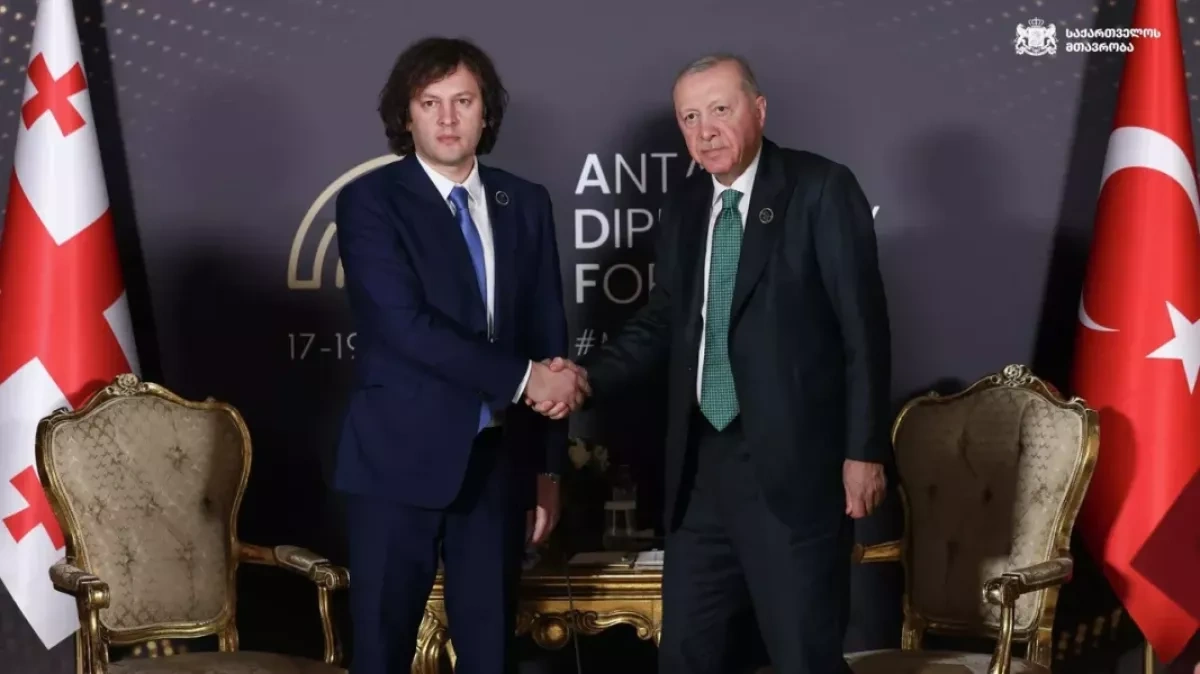
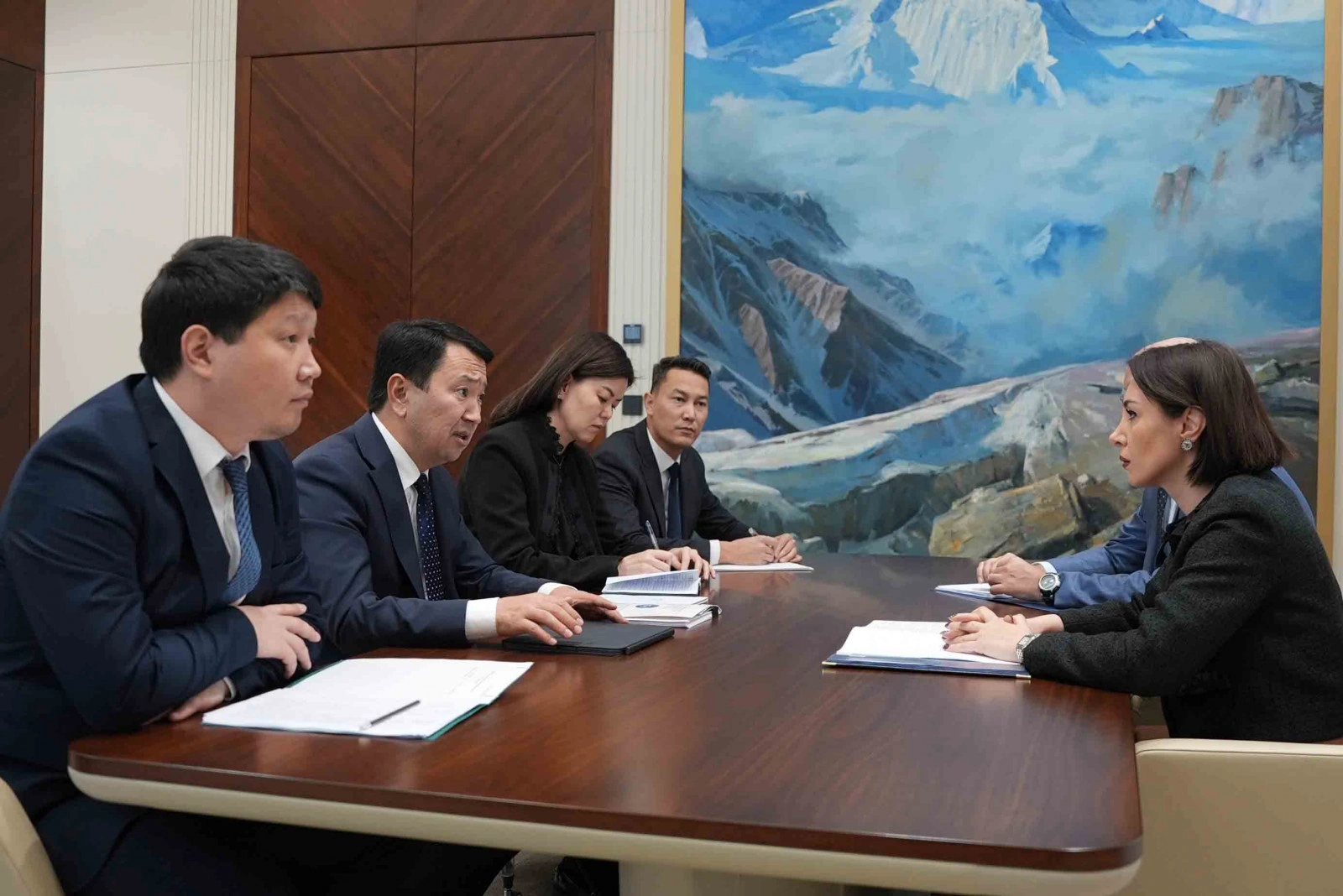
As part of the Antalya Diplomacy Forum, a meeting took place between Georgian Prime Minister Irakli Kobakhidze and Turkish President Recep Tayyip Erdoğan. According to the Georgian government administration, particular attention was paid to joint infrastructure and energy projects linking the South Caucasus and Europe.
The meeting was held against the backdrop of growing risks to global energy supplies related to the situation around the Strait of Hormuz — one of the key routes of global energy trade. Restrictions on shipping in the region due to military risks have already led to rising energy prices, heightening concerns over potential supply disruptions to Europe. In this context, the importance of cooperation between Türkiye, Georgia, and Azerbaijan in the transit of energy resources from the Caspian region has significantly increased.
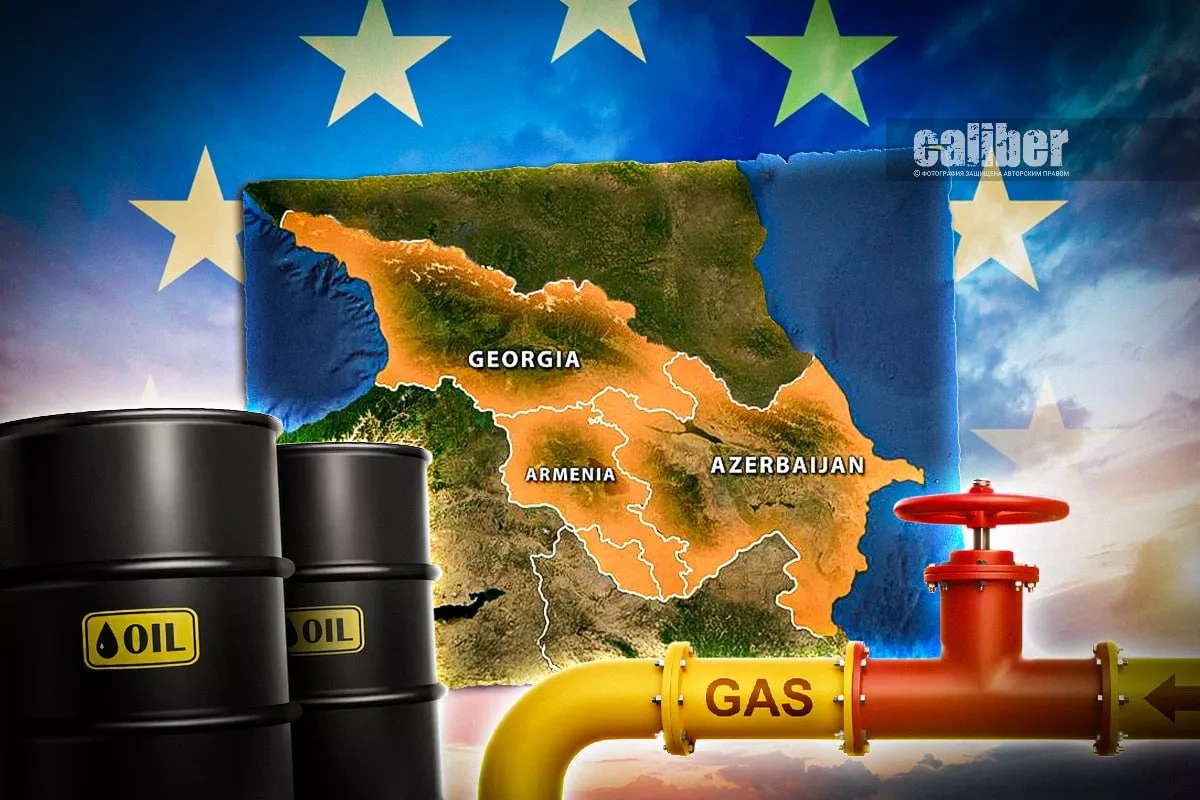
During the meeting between the leaders of Türkiye and Georgia, discussions focused on the Baku–Tbilisi–Kars, Baku–Tbilisi–Ceyhan, Baku–Tbilisi–Erzurum projects, as well as the Southern Gas Corridor, all of which play an important role in enhancing regional connectivity and ensuring Europe’s energy security. The sides also reviewed prospects for the development of the Middle Corridor.
“Georgia highly values its long-standing strategic partnership with Türkiye and remains committed to advancing cooperation in all areas of mutual interest,” noted Irakli Kobakhidze.
It is already clear today that military hostilities in the Persian Gulf region will not come to an end in the near future. Any agreements on a “ceasefire” are likely to remain unstable, which puts maritime energy supplies through the Strait of Hormuz at risk. As a result, international demand has emerged for “land-based alternatives,” and one such route has become the corridor through Azerbaijan, Georgia, and Türkiye for transporting oil and gas from the Caspian basin to Europe and the Mediterranean. In particular, Turkmenistan and Kazakhstan are interested in this route for transporting their energy resources.
After the expansion of the geographical scope of the Russia–Ukraine war and the start of drone attacks on oil pipeline infrastructure on Russian territory, as well as on Russian ports on the Black Sea (Novorossiysk) and the Baltic Sea (Ust-Luga), the stability of Kazakh oil transit through Russia has come under threat.
The role of energy transit through Georgia is sharply increasing both due to the escalation of the Russia–Ukraine conflict and the situation in the Middle East. This has become particularly evident after February 28, 2026.
Notably, already in early March 2026, Georgian Minister of Economy Mariam Kvrivishvili, who participated in the 12th Ministerial Meeting of the Southern Gas Corridor Advisory Council in Baku, stated that amid the military conflict in the Middle East, gas transportation through Georgia has acquired “a new, critical importance” for the diversification of European markets.
“The Southern Gas Corridor is a clear example of what we can achieve through joint efforts. This corridor has significantly strengthened energy security and diversification. Georgia is proud to participate in this process in its role as a reliable transit country. Our country has proven to be an active supporter and indispensable participant in the Southern Gas Corridor, and is also committed to strategic partnership and mutually beneficial cooperation between all parties involved,” said Mariam Kvrivishvili.
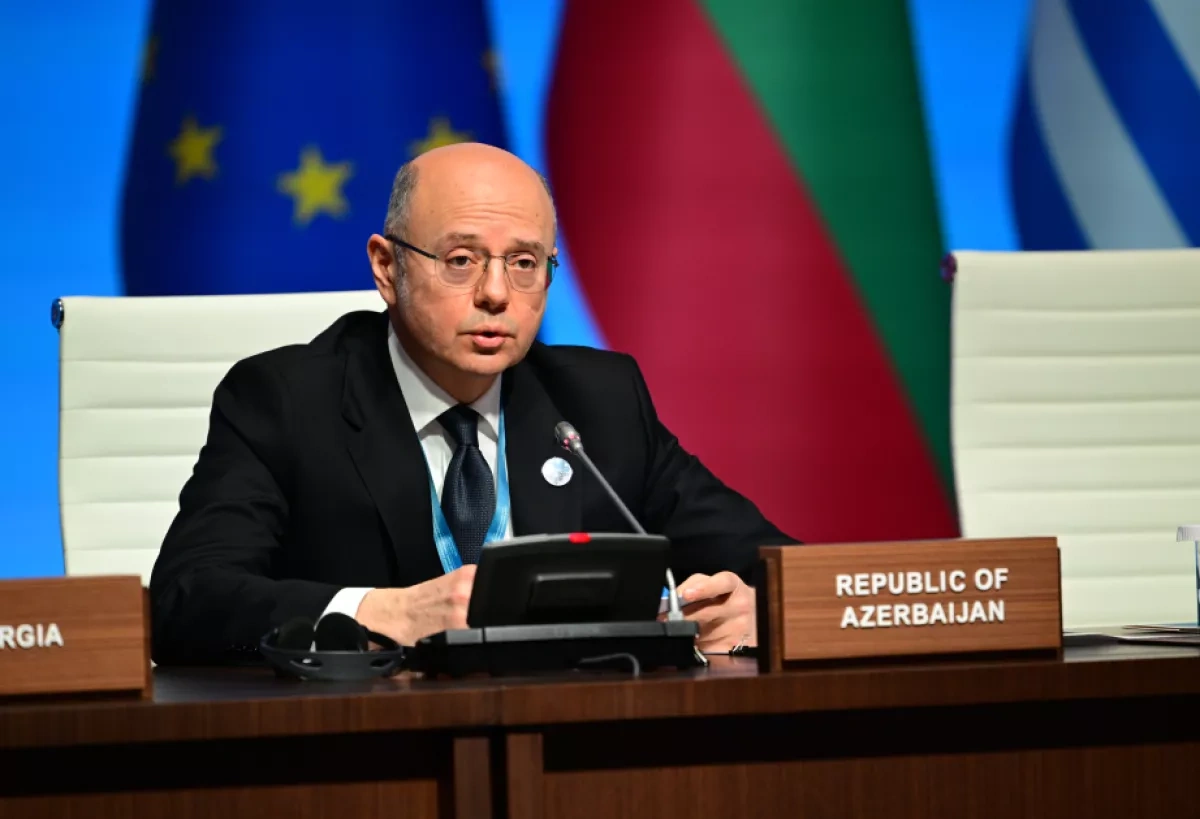
In his speech at a panel session within the Antalya Diplomacy Forum, Azerbaijani Minister of Energy Parviz Shahbazov also noted that the Baku–Tbilisi–Ceyhan and Baku–Tbilisi–Erzurum projects are regarded as key elements of Europe’s energy security. He emphasised the relevance of increasing the capacity of the Southern Gas Corridor in the current geopolitical environment.
“We invite many countries to cooperate, we are in constant dialogue with our partners and we always think about the future. For example, the Southern Gas Corridor, which supplies more than 16 billion cubic metres of natural gas per year, has the potential to double these volumes. However, to a certain extent, it is underinvested by the participants, including due to the ‘green’ policies of the European Union,” said Parviz Shahbazov.
Meanwhile, in recent years, the European Union’s policies have shown clear imbalances — and not only those related to the “green” agenda, the accelerated promotion of which is causing economic damage to EU countries themselves. Not long ago, EU authorities also took steps that could destabilise the political situation in Georgia, supporting a radical pro-Western opposition in its efforts to bring about an unconstitutional change of power.
At the same time, it was evident that political chaos and military risks in the event of a coup in Georgia could deal a blow to energy transit from the Caspian basin and create problems for Europe itself. At a critical moment, it was precisely the support for Georgia’s sovereignty by Türkiye and Azerbaijan, as well as respect for the will of the Georgian people expressed in the parliamentary elections of October 2024 and the local elections of October 2025, that made it possible to preserve peace and stability both in Georgia itself and across the entire South Caucasus region.
Today, however, the importance of oil and gas supplies from the Caspian basin to Europe has sharply increased. There are grounds to believe that this will force Brussels to reconsider its recent policy towards Baku and Tbilisi — including abandoning attempts at an unconstitutional change of government in Georgia, which could lead to the country being drawn into a military conflict with Russia.
By Vladimir Tskhvediani, Georgia, exclusively for Caliber.Az