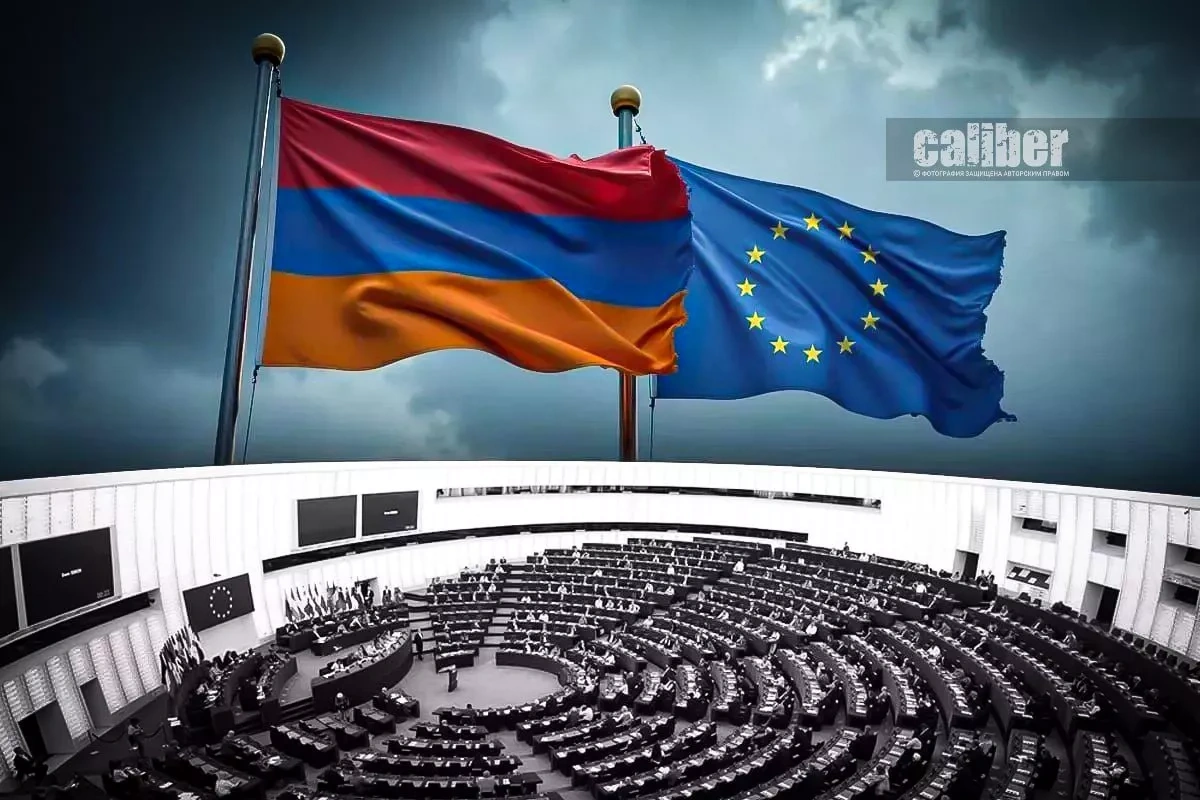
Recently, the European Union delivered a rather unpleasant surprise to Armenia, expressed in Brussels’ suspension of €50 million in financial assistance to Yerevan, which—given the upcoming parliamentary elections in the country—was intended to be used to combat “hybrid threats and disinformation.”
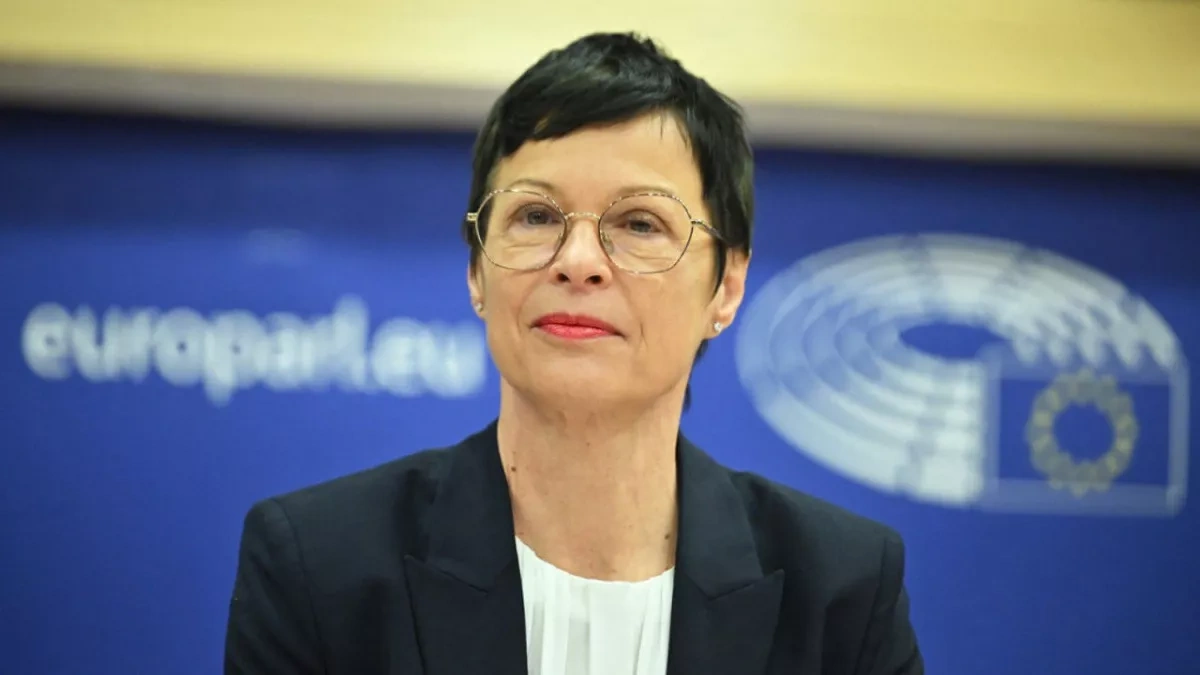
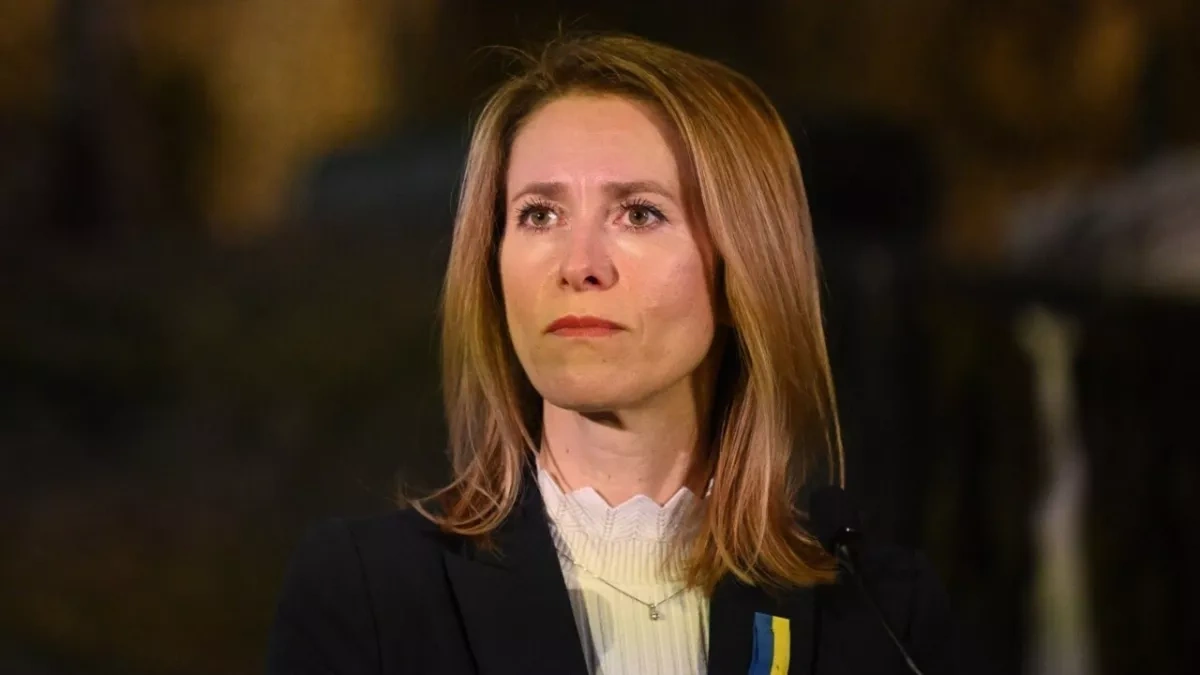
According to the Armenian newspaper Hraparak, Prime Minister Nikol Pashinyan instructed Foreign Minister Ararat Mirzoyan during a meeting with the EU High Representative for Foreign Affairs and Security Policy, Kaja Kallas, in Brussels, to clarify the conditions for the transfer of these funds. However, the head of European diplomacy reportedly disappointed the minister, stating that the aid had been postponed because priority in fulfilling EU commitments had been given to Ukraine, while assuring that the organisation would “make every effort to resolve this issue.”
Such a development caused open dissatisfaction from Pashinyan, who stated the following: “Right now, we need this money more than Ukraine does. These €50 million will not help Ukraine change the situation, but they are very much needed by us.”
Thus, let us consider this fact within the framework of the Yerevan–Brussels format. As is known, EU delegations regularly visit Armenia to deepen cooperation in various fields.
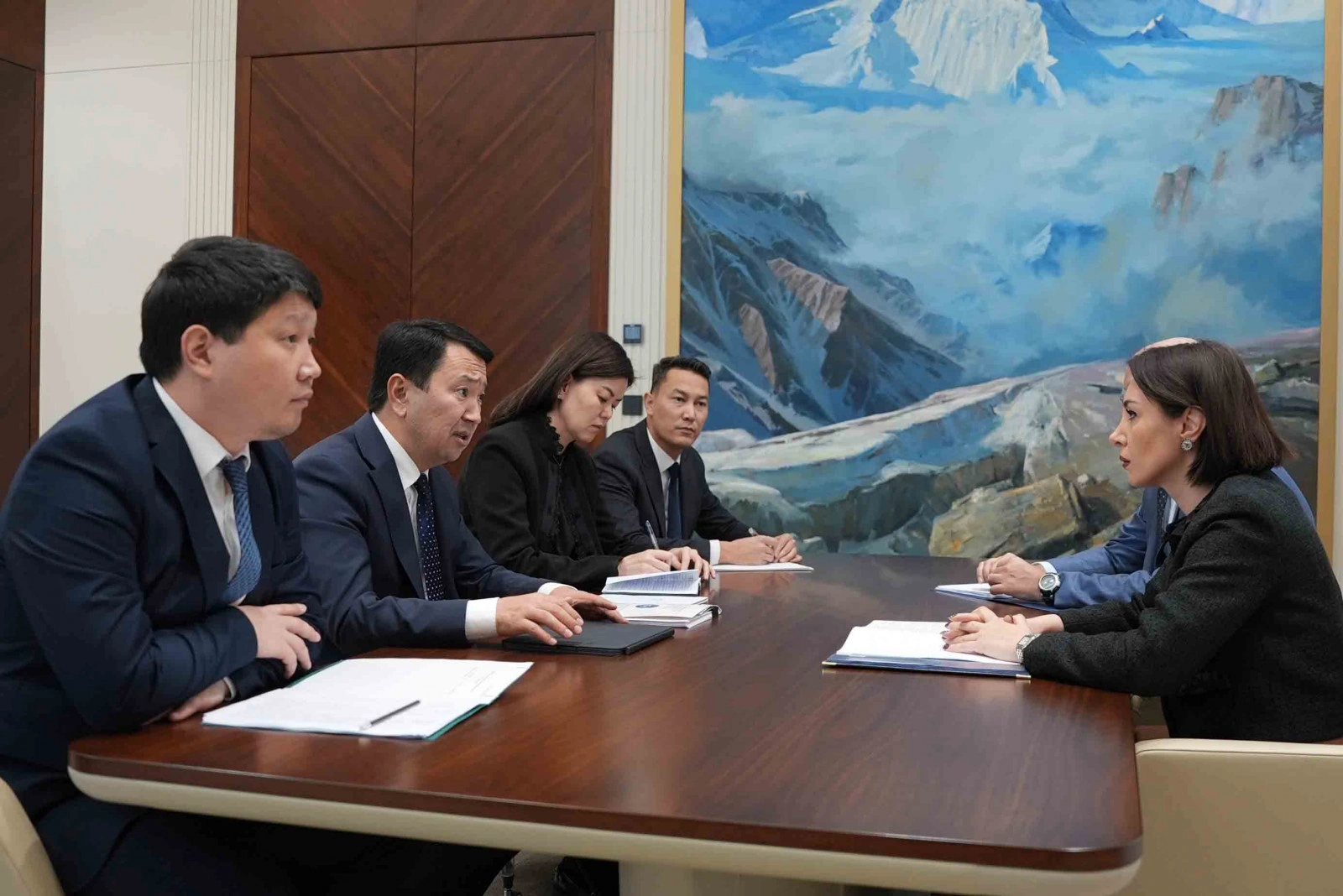
In March, European Commissioner for Enlargement Marta Kos visited the Armenian capital. During this visit, the parties signed a financing agreement for 2025–2027 under the EU programme “Resilience and Growth”, which provides for €140 million in support to the Armenian side. From this, it can be assumed that the €50 million whose disbursement has now been suspended is part of this €140 million package, the full payment of which is expected by the end of next year.
At the same time, touching upon the issue of the upcoming parliamentary elections, the EU representative assured that the bloc would assist in countering hybrid threats and combating disinformation.
Brussels’ heightened interest in the country’s domestic political developments, as well as its intention to closely monitor the upcoming parliamentary elections, is also confirmed by a recent visit to the Central Election Commission by the Head of the EU Delegation, Ambassador Vassilis Maragos, and his deputy, Tereza Vorlova. According to Armenian media, citing a statement from the Central Election Commission of the Republic of Armenia, the EU ambassador inquired about the progress of election preparations.
This pattern is further reinforced by the deployment in Armenia, at Yerevan’s request, of a second EU observation mission. The mission is expected to operate in the country with the aim of countering hybrid threats ahead of the elections, including external information manipulation, cyberattacks, and illicit financial flows. It will operate for two years and function independently of the EU Mission in Armenia (EUMA), which has been deployed since February 2023 and “patrols” areas along the border with Azerbaijan.
In other words, if we call things by their proper names, the new mission represents an attempt by the European Union to entrench itself within Armenia’s institutional framework and reflects Brussels’ strategic interests in the region. Within this same context, one should also consider the first-ever Armenia–EU bilateral summit scheduled for May 4–5 this year, which is expected to focus on elevating relations to the level of a strategic partnership. The summit will take place immediately after the meeting of the European Political Community in Yerevan.
Thus, taking into account the above-mentioned factors, it can be argued that Brussels intends to keep its hand on the pulse of both the pre-election environment and the electoral process itself. This naturally raises a logical question: “So what lies behind the EU’s refusal to disburse the aforementioned €50 million to the Armenian side?”
Even if one were to assume, in theory, that the EU budget has been somewhat strained due to the large-scale and prolonged financing of Kyiv, €50 million is by no means a critical sum for Brussels. If there were political will, the EU could have refrained from suspending funding to Armenia—at least at this stage, when, according to Armenian authorities, there is an urgent need for it. This is the first point.
The second aspect is that, through such a method, the EU is likely sending a political signal to Yerevan regarding the importance of strengthening a pro-European line. This assumption is supported by the fact that Armenia continues to remain a member of the Eurasian Economic Union (EAEU) and formally of the Collective Security Treaty Organisation (CSTO), both of which are structures under Russia’s direct patronage.
While Armenia’s participation in the CSTO can be characterised as virtually non-existent, its engagement in the EAEU remains more active, as reflected in economic indicators. This very factor is most likely a source of irritation in Brussels, which would probably prefer to see Armenia make a definitive choice in favour of withdrawing from these organisations.
Thus, it is most likely that the delay in the €50 million tranche by Brussels is part of a broader strategy aimed at encouraging Armenia’s irreversible distancing from Russia, while also sending a message that European support depends not only on declarations, but also on concrete actions in foreign policy orientation. Whether such an approach by the European Union will prove effective remains to be seen.