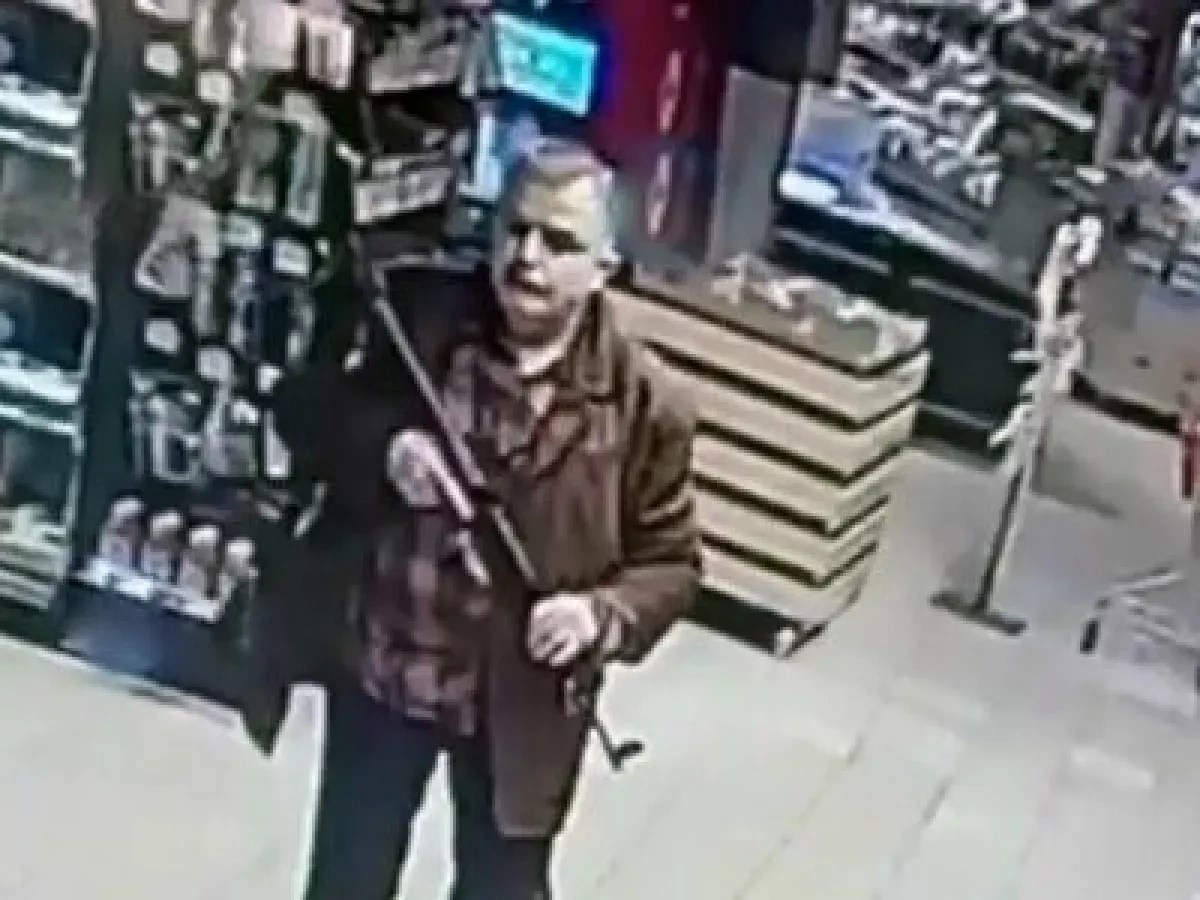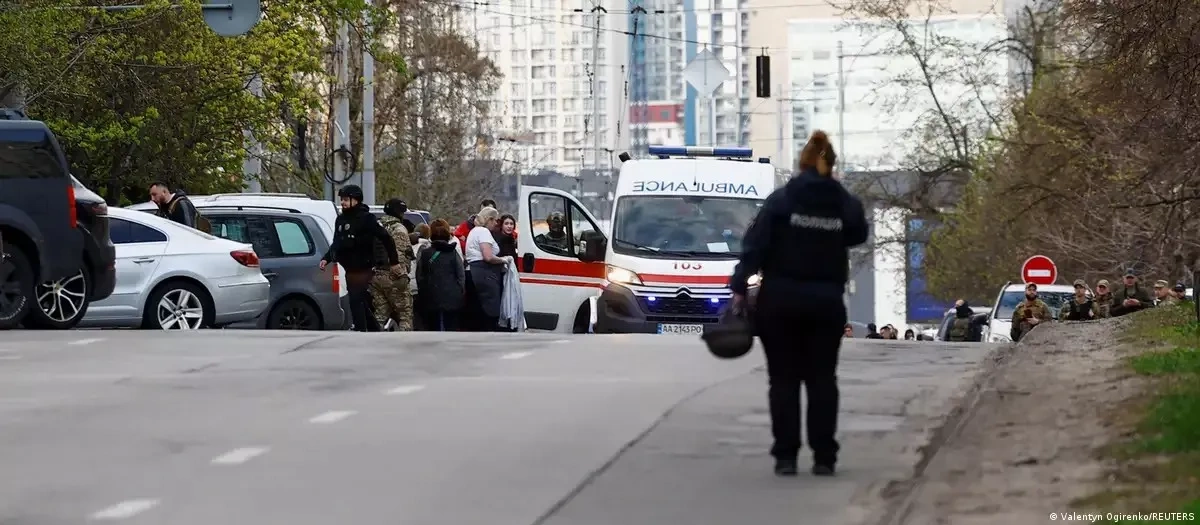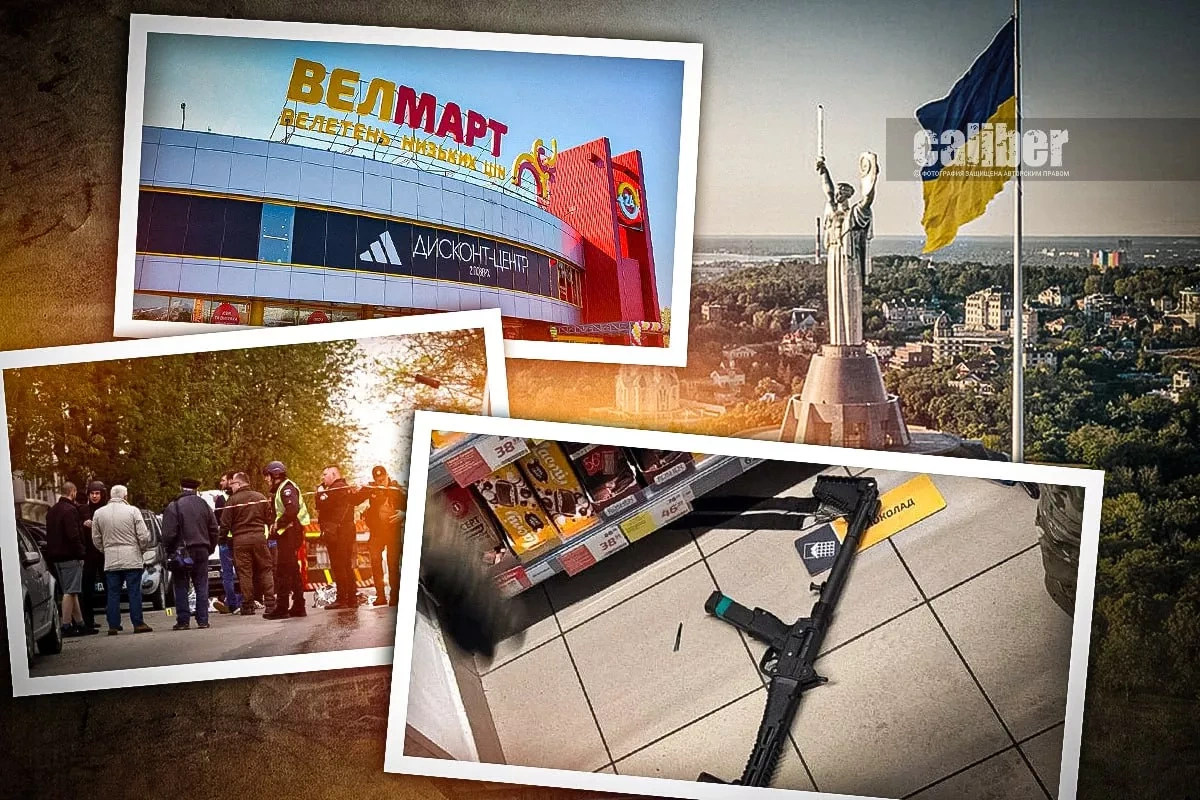
What happened in the Ukrainian capital on April 18 can only be described as a nightmare. The whole of Ukraine watched in real time as a man walked through the streets of Kyiv and shot random passersby at point-blank range. He then stormed into the “Velmart” supermarket, where he took shoppers hostage. The outcome of this tragedy is devastating — six people were killed, and 15 were injured, including a child. The shooter was neutralised by special forces.
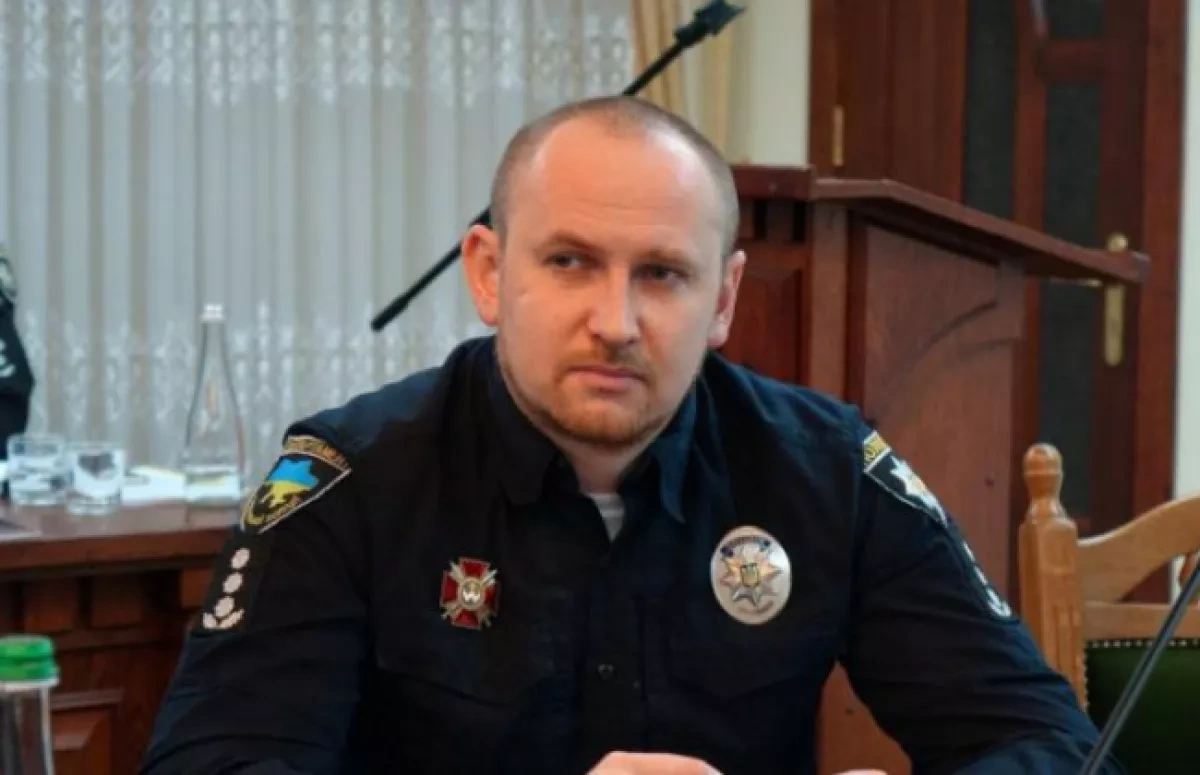
As later stated by Ukraine’s Interior Minister Ihor Klymenko, “police negotiators spoke with him for about 40 minutes, we tried to persuade him. But, understanding that there was likely a wounded person there, we offered to bring tourniquets to stop the bleeding, and so on. However, he did not respond, so the order was given to neutralise him, especially after he killed one of the hostages.”
Undoubtedly, the elimination of the terrorist was fully justified from the perspective of saving the lives of hostages, but experts believe that if he had been taken alive, it would have significantly facilitated the task of establishing the motives and circumstances of this crime.
So, what is known about the shooter? According to Ukrainska Pravda, the cold-blooded killer was Dmitry Vasylchenkov (born in 1968). Meanwhile, the head of the National Police, Ivan Vyhivskyi, stated at a briefing on April 19 that “he was born in Moscow, but he served in the Armed Forces of Ukraine from 1992 onwards, primarily in Odesa Oblast, in the motor transport troops. He retired in 2005. After that, he went to Russia, and in 2017, he returned and lived in Bakhmut.”
According to him, investigators examined the suspect’s social media pages: “He [expressed] such negative views there... His position cannot be said to have been pro-Ukrainian. It was apparently somewhat in the wrong direction.”
Answering the question of whether Vasylchenkov could have been an agent of Russia, Vyhivskyi said that the Security Service of Ukraine (SBU) would investigate this issue. And here, if this is confirmed, serious questions arise for the SBU as the key agency in such matters — for example, “how Vasylchenkov was recruited, and why he was not identified in time.”
All of this will likely be established during the investigation, but for now, according to the head of the National Police, the following frightening chronology of the crime emerges: “A call came in at 16:32 reporting a conflict in the street between citizens. Police officers initially arrived thinking they would be dealing with a neighbour dispute. And when the call came in, he had a rubber-bullet pistol on him and was firing shots at a neighbour he was in conflict with... After that he ran into his apartment, grabbed the weapon he later took to the supermarket, and set fire to the apartment, dousing it with liquid.”
On the question of whether the injured boy was hit specifically by a traumatic pistol, Vyhivskyi replied: “Most likely, yes.”
According to him, from the moment the terrorist left with a weapon until he entered the supermarket, about ten minutes passed, during which he cold-bloodedly shot passersby at point-blank range.
At the same time, a particularly negative public reaction in Ukrainian society was caused by the fact that two National Police officers allegedly fled upon hearing gunshots. Head of the Patrol Police Department of Ukraine, Yevhen Zhukov, described the situation as “shameful.”
“The police officers acted unprofessionally and unworthy of police officers. They arrived at the call, they were supposed to help and save our citizens. They failed to orient themselves properly and left injured civilians in danger,” he said.
The patrol officers were suspended from duty pending an investigation. In turn, Zhukov submitted his resignation, explaining his decision as follows: “As a combat officer, I decided to submit a resignation letter from the position I hold. I believe this will be fair.”
And here lies an important nuance. Having held his position since 2015, Zhukov enjoys a very high reputation in society. He is credited with many achievements — from the creation of the patrol police to the launch of the “Predator” units fighting at the front; from establishing a motivation system within units to ensuring cooperation between patrol officers and the military from the first hours of the war; from participation in combat operations to developing an operational response system for patrol police after Russian strikes.
And this raises the question: how appropriate is the resignation of a person with such experience and authority?
Moreover, the public has even more questions for Ihor Klymenko, who, back in October 2024, stated that National Police officers cannot fight on the front line, since police are trained to apply weapons and force against criminals, but not to conduct warfare on a battlefield.
This statement caused a strongly negative reaction in society, and today it is being brought up again in relation to the minister, with critics emphasising that, as events show, some police officers are not even able to neutralise a criminal.
The minister is also being pointed to the fact that one of the key functions of the police is preventive work. However, in practice, such prevention appears to be lacking — as it has been established, the “Holosiiv shooter” had previously been held administratively liable for causing minor bodily harm, and in December 2025, he applied to the licensing authorities requesting a firearm inspection (test firing) procedure.
Thus, Vasylchenkov had already come to the attention of law enforcement agencies and was supposed to be under special supervision of the leadership of the National Police unit in his district of registration — the Holosiivskyi District — headed by Araik Kochkadamyan, who has remained silent and does not seem to be considering resigning, unlike Zhukov.
At the same time, interesting details are emerging. According to Ukrainian media reports, instead of working with personnel, Colonel Kochkadamyan is allegedly focused on “covering up” illegal construction projects, call centres, and concert venues linked to individuals with contacts in Russia, as well as on persecuting activists and military personnel who tried to oppose this. However, no internal investigation has been launched against him.
All of this is happening in full view of ordinary Ukrainians, so it is perhaps not surprising that the flow of people attempting to leave Ukraine by any means — including bribery — remains constant.