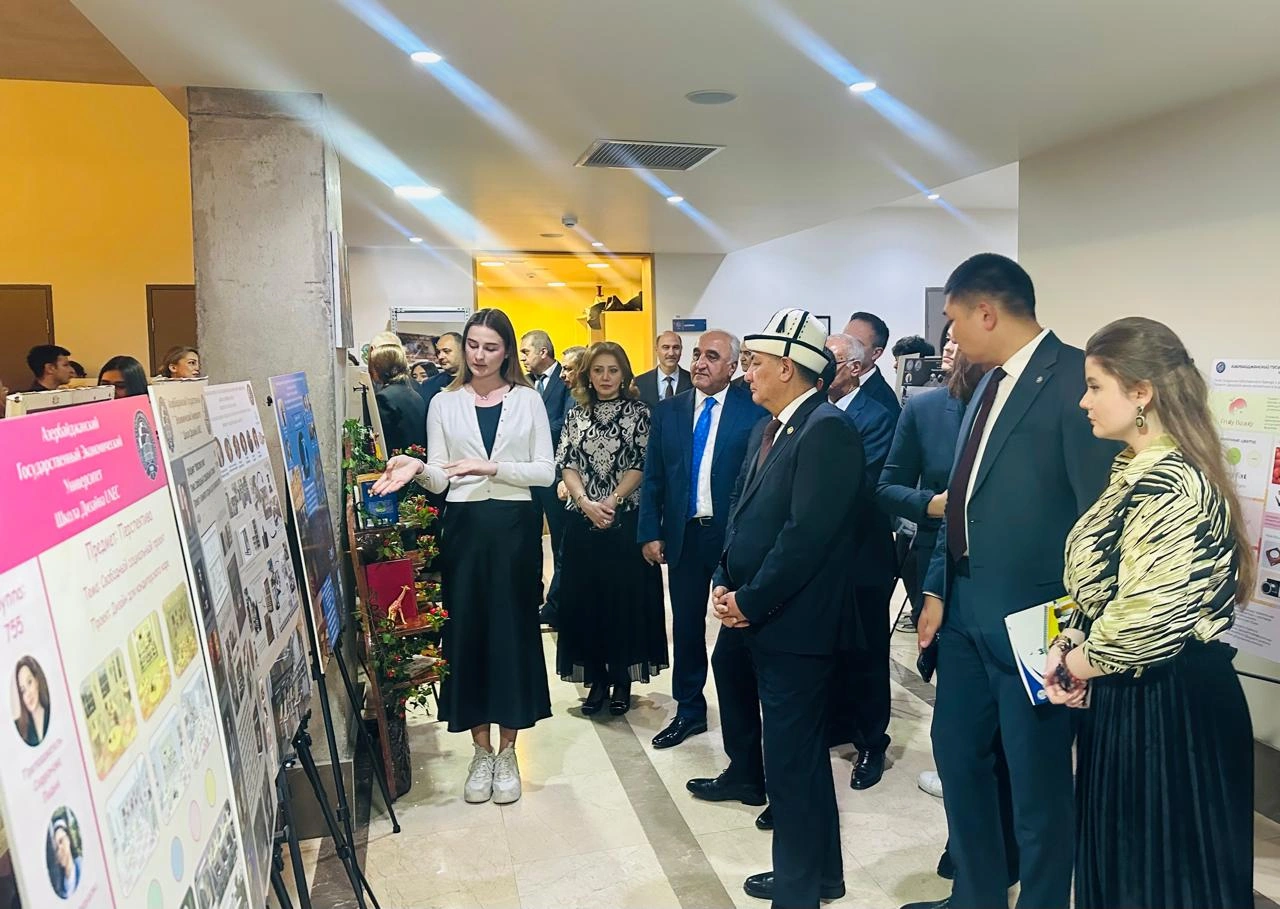
The second reporting exhibition of students studying under the
Project-Based Learning (PBL) methodology at the UNEC Design
School has been held.
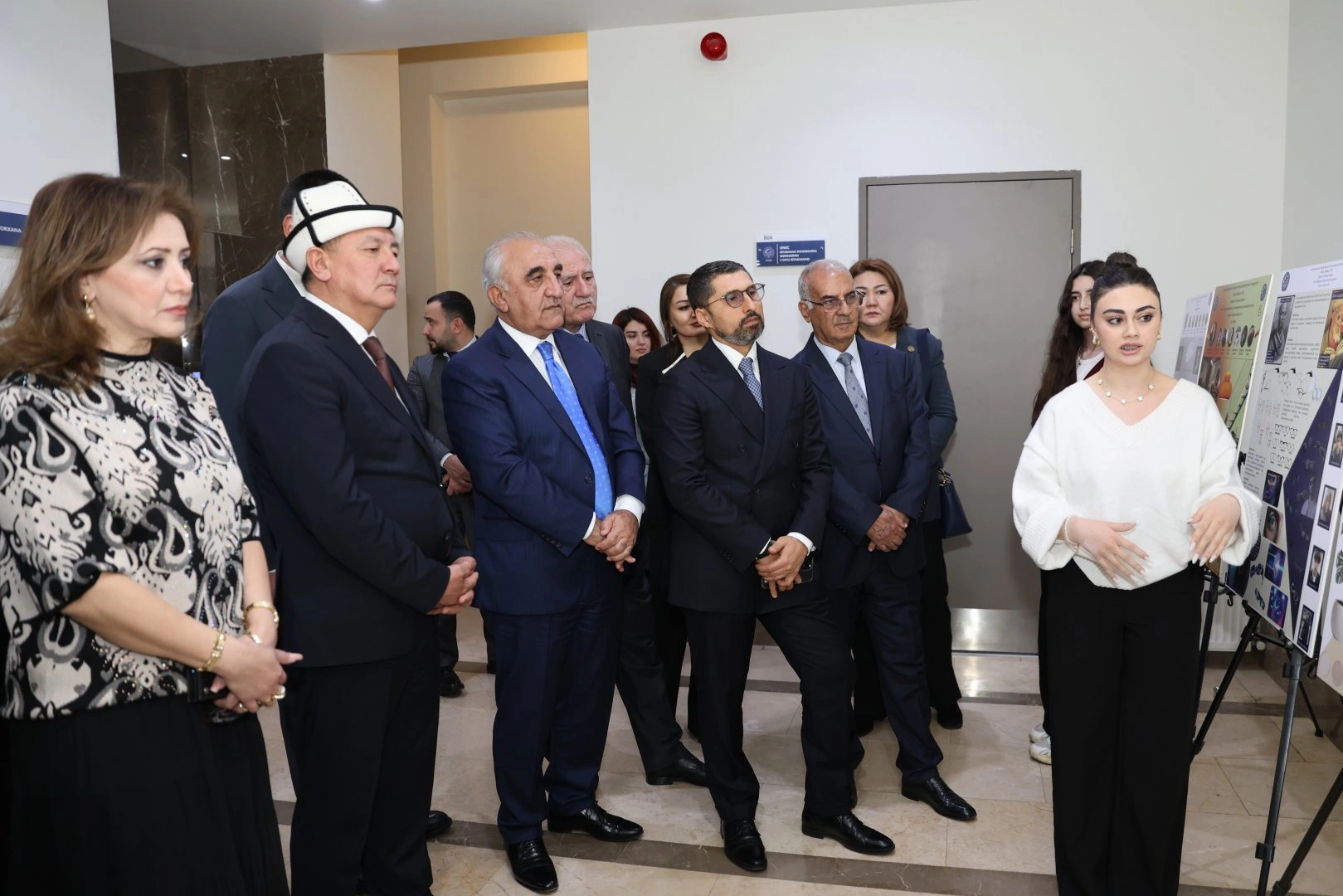
The event was attended by the Rector of UNEC, Professor Adalat
Muradov; Chairman of the Management Board of the Karabakh Revival
Fund, Rahman Hajiyev; Rector of Kyrgyz National University,
Dogdurbek Chontoyev; and other distinguished guests.
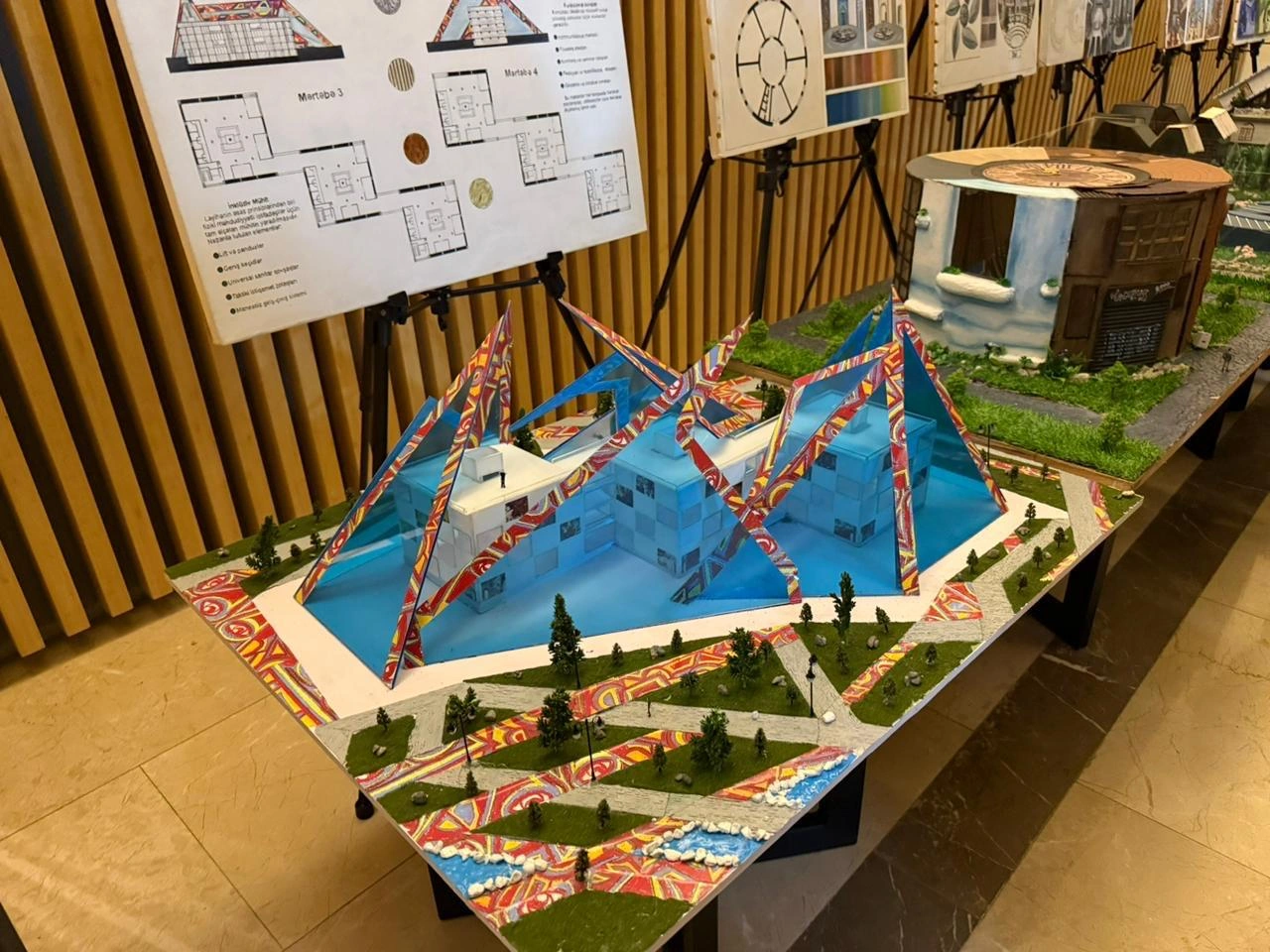
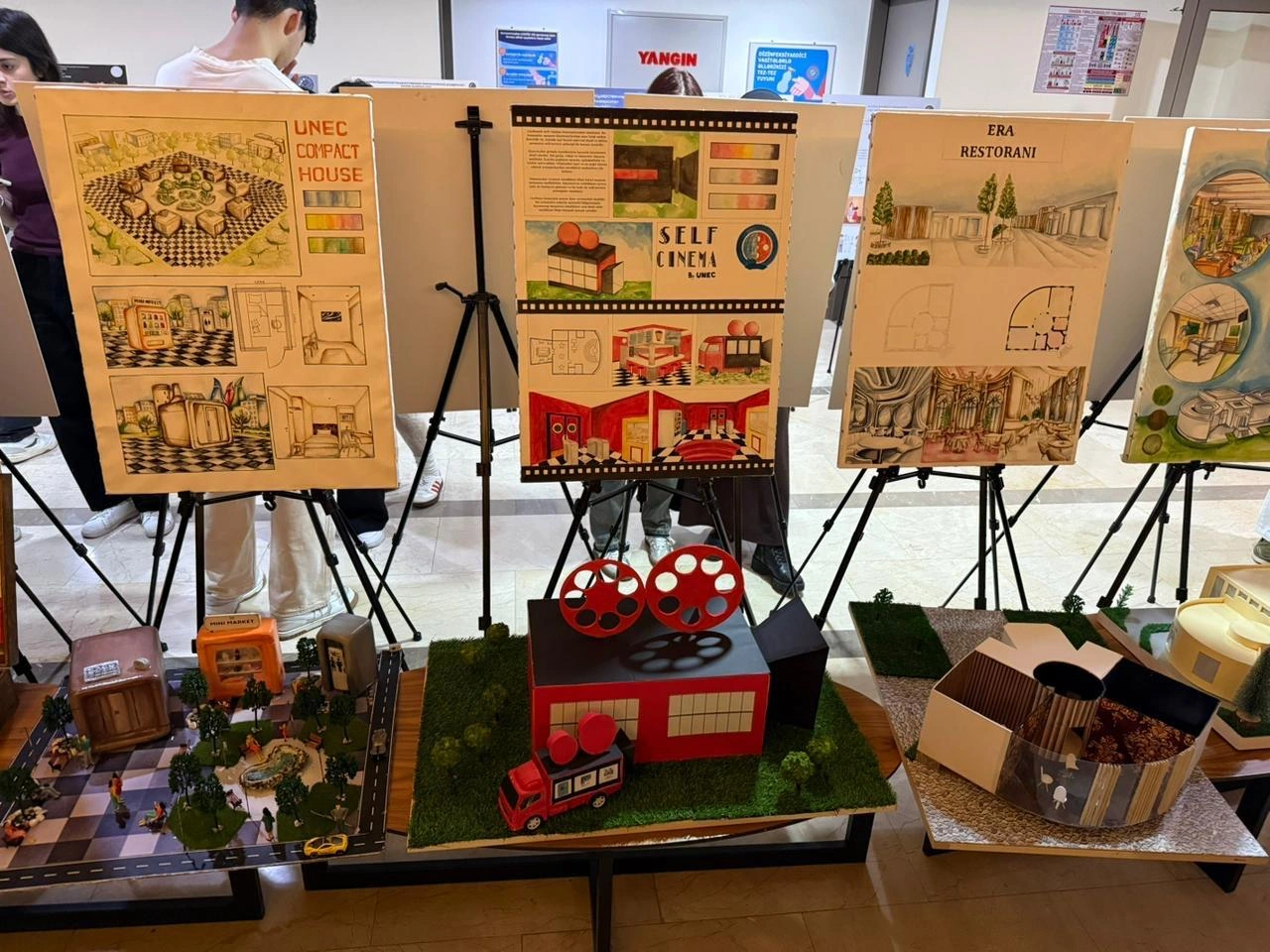
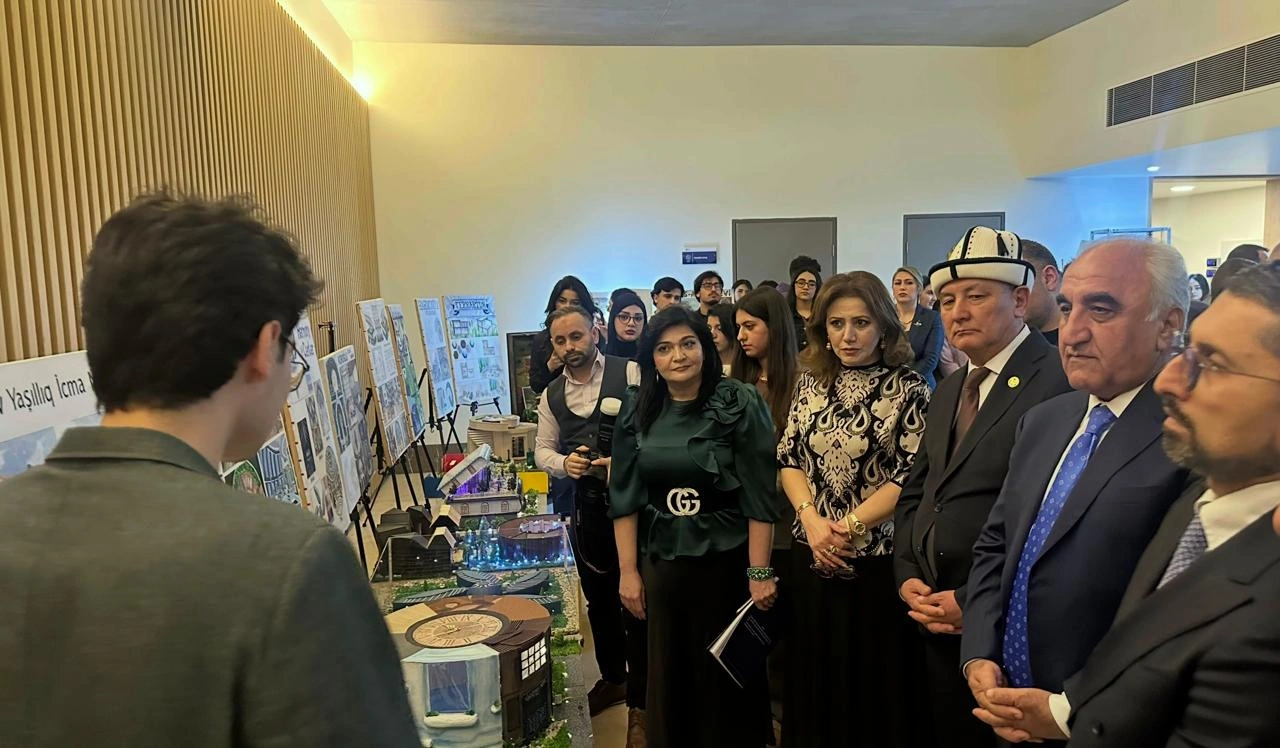
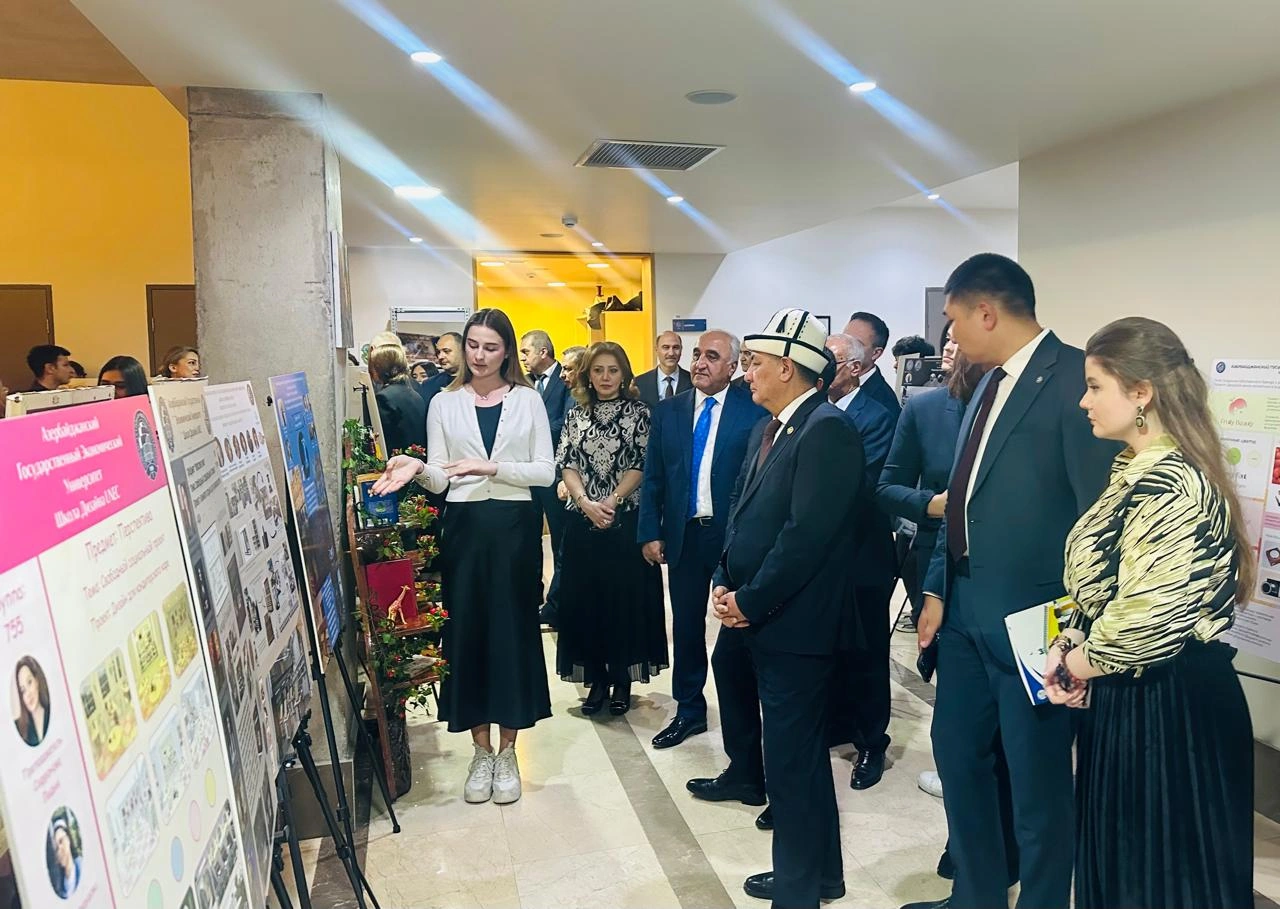
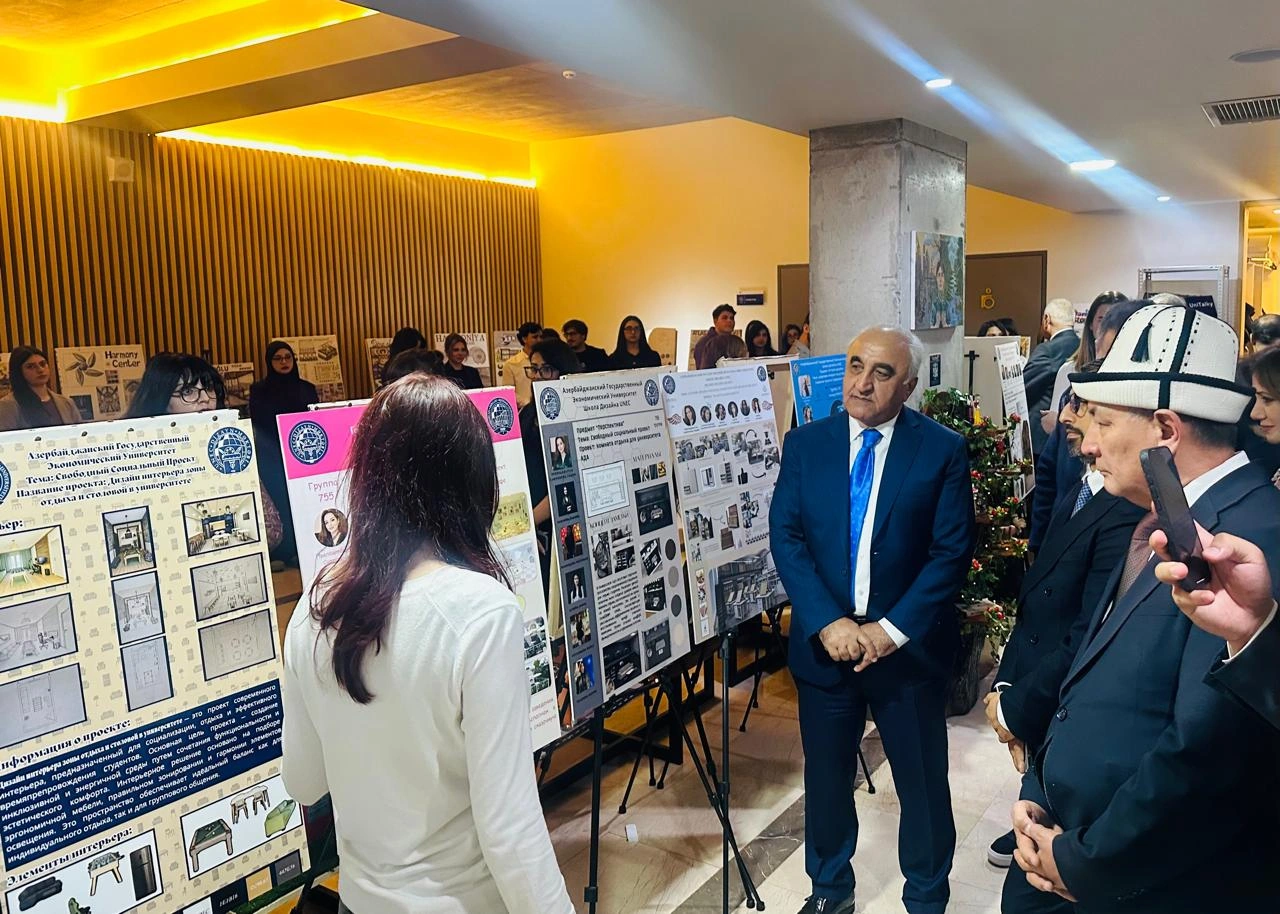
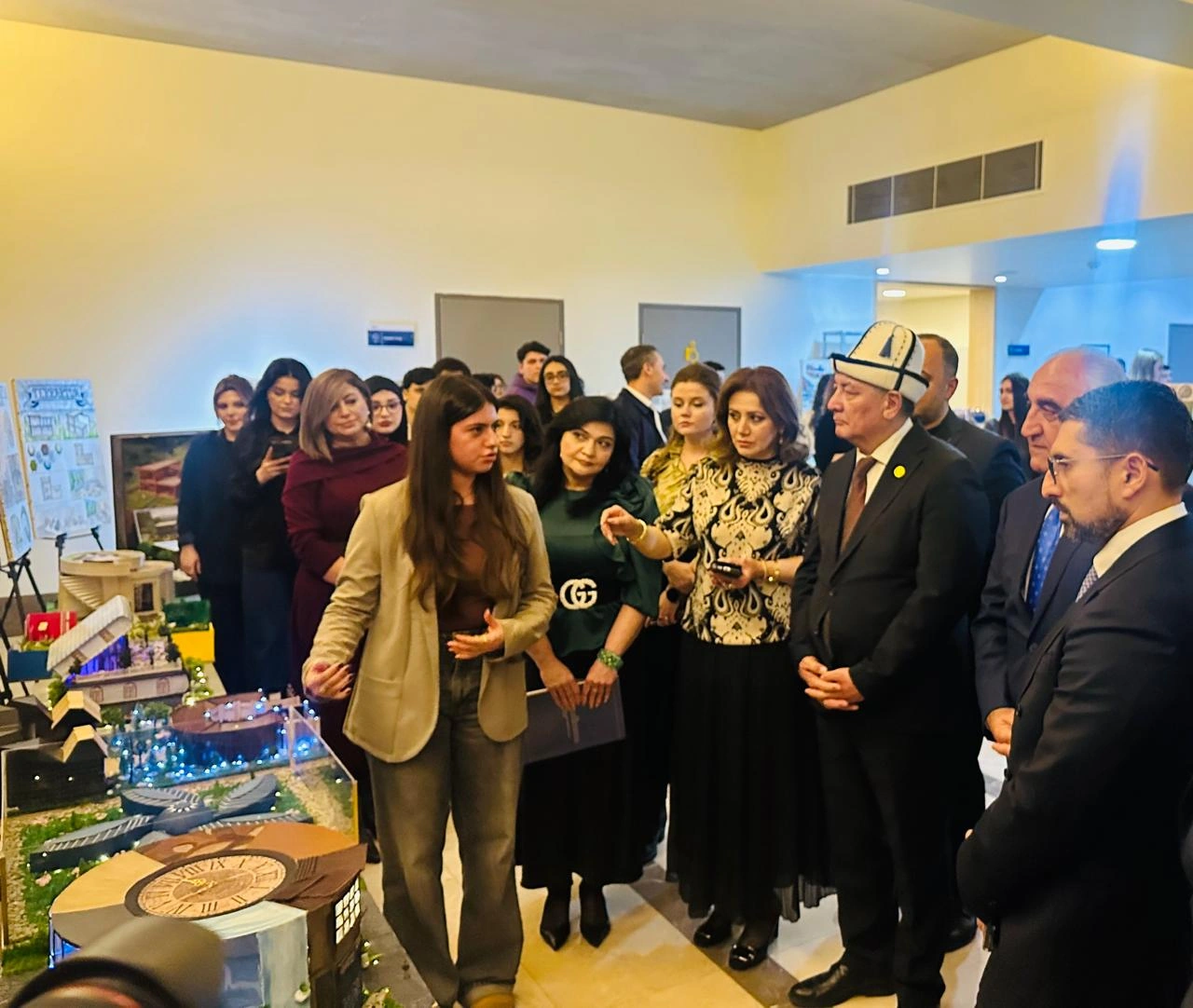
Participants first viewed an extensive exhibition featuring
students’ creative works. The exhibition showcased social projects
addressing the needs of elderly individuals and persons with
disabilities, graphic design works, rebranding and fashion design
samples, environmental protection initiatives, as well as socially
oriented projects developed for the reconstruction of Karabakh.
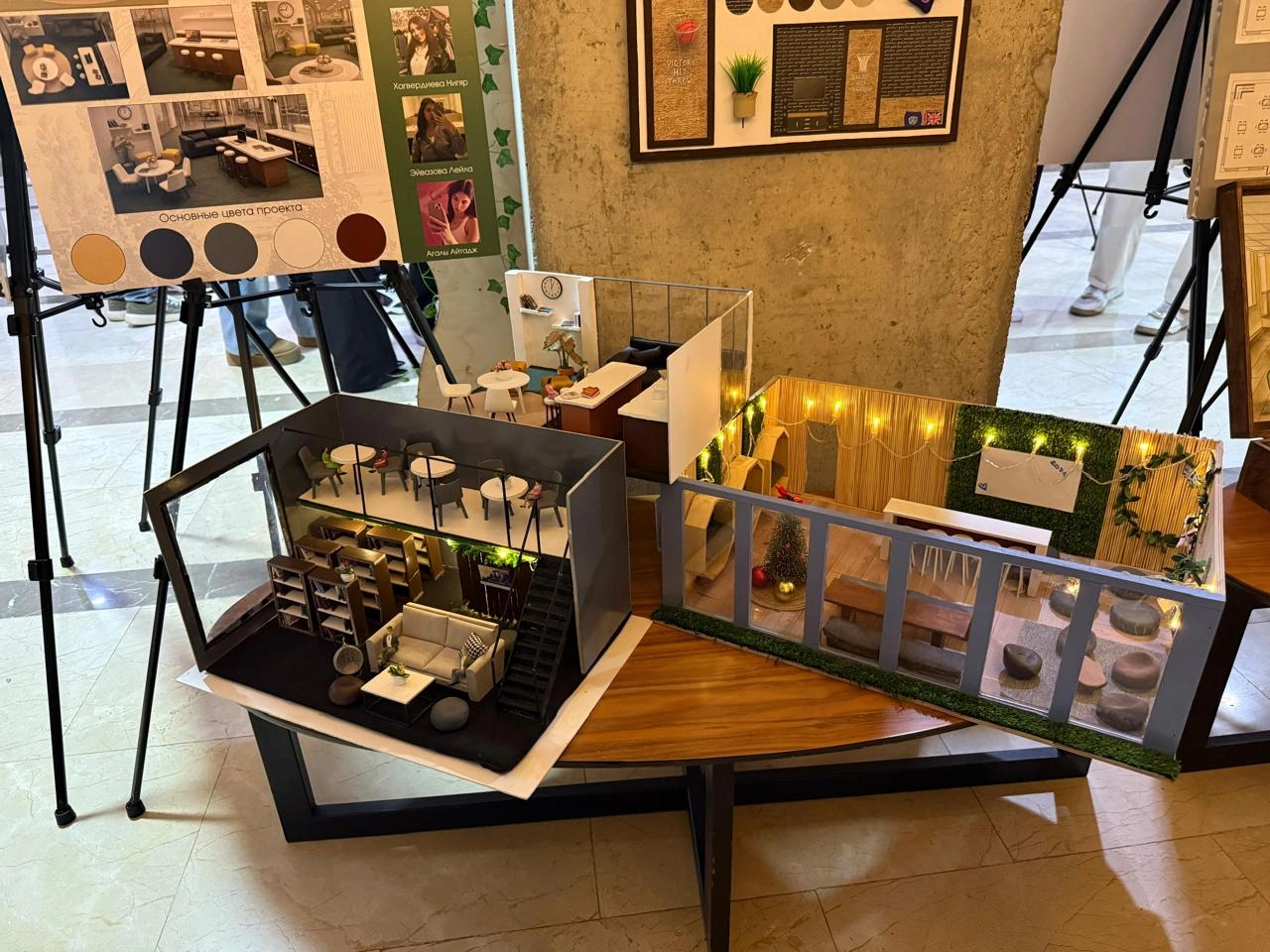
Particular interest was generated by student projects prepared for
the restoration of Karabakh, including models of a nursing home, an
inclusive residential space, an innovation library, and other
initiatives.
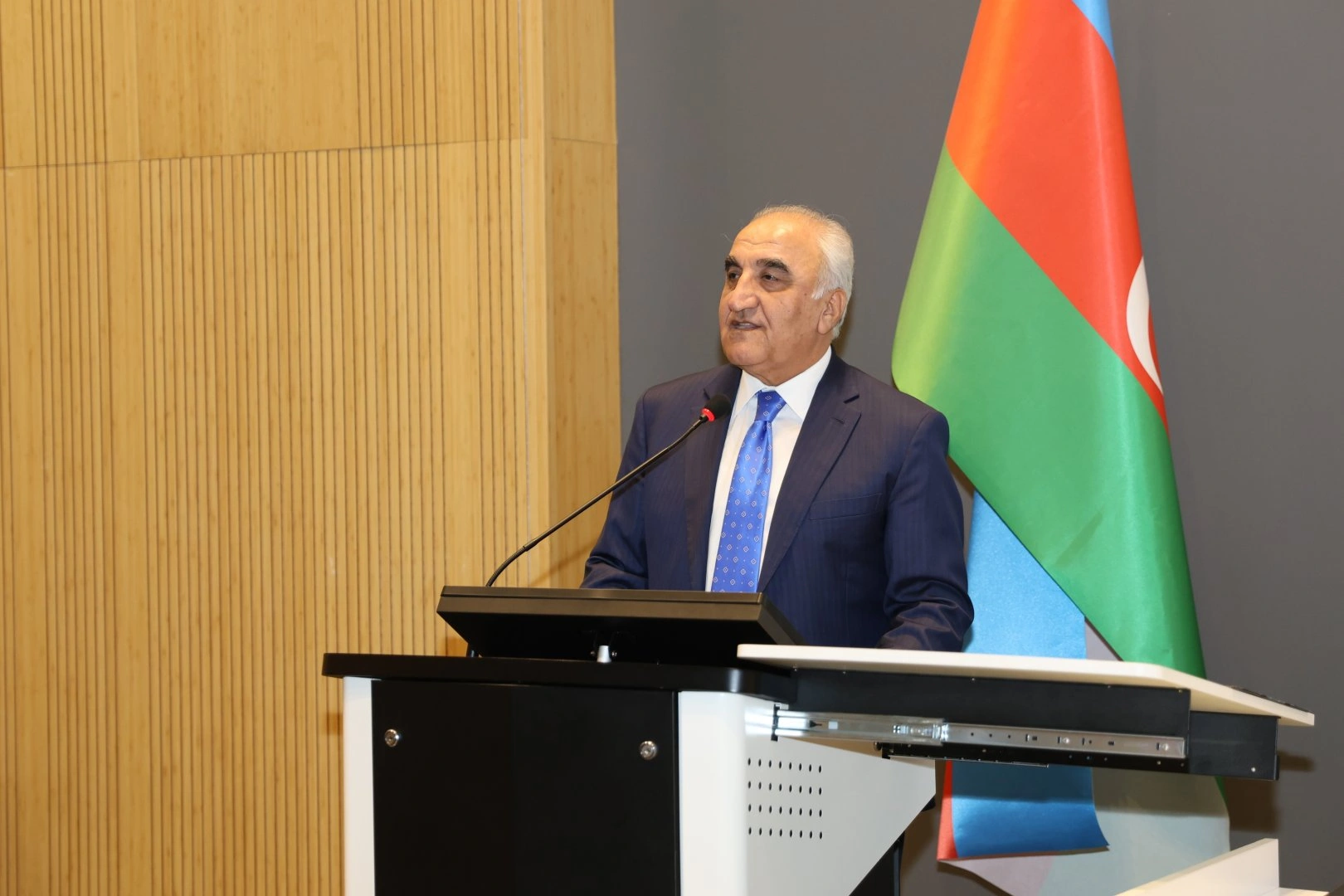
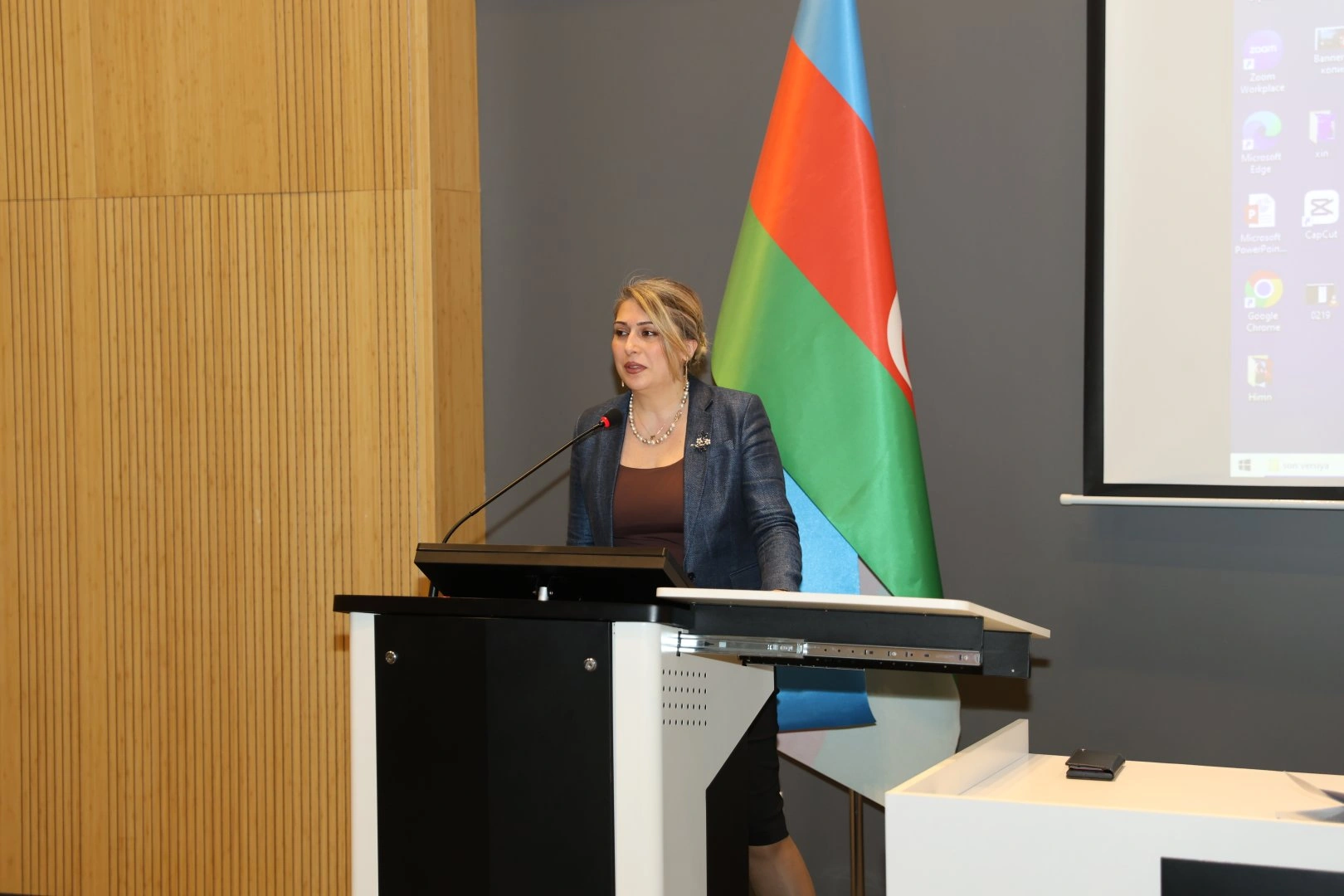
Delivering the opening remarks, Director of the Design School,
Associate Professor Lala Mammadova, spoke about the competencies
developed through the Project-Based Learning (PBL) approach. She
emphasized that PBL enhances students’ critical thinking,
creativity, and teamwork skills, while also preparing them to
address real-life challenges.
The Rector of UNEC, professor Adalat Muradov, highlighted the
application of the PBL approach in the education of design students
and the positive outcomes achieved. He noted that the university’s
primary objective is not only to provide theoretical knowledge but
also to educate young individuals equipped with practical skills,
innovative thinking abilities, and a strong sense of social
responsibility.
The Rector stated that the Project-Based Learning approach had
produced results exceeding expectations and emphasized that the
projects presented at the exhibition were real works implemented by
students during the learning process.
Professor Muradov highly appreciated the fact that students
addressed pressing issues such as the needs of elderly and disabled
individuals, as well as the reconstruction of Karabakh. He noted:
“Our students understand the challenges existing in society and
strive to solve them, which demonstrates their distinctiveness and
value. The PBL approach contributes to shaping our students into
stronger and more responsible citizens. I am very pleased that we
have been able to create a favorable environment for our students
to realize their potential.”
Paying particular attention to initiatives proposed in relation
to the reconstruction of Karabakh, the Rector stated that the
university would provide comprehensive support for the
implementation of student projects. He also proposed organizing the
exhibition in Karabakh, emphasizing that such an initiative would
help present the social responsibility of young people to a wider
audience.
Subsequently, Head of the UNEC Department for Educational and
Teaching Excellence, PBL Project Coordinator, and Methodologist
Sanubar Safiyeva spoke about the advantages of the PBL approach,
stating: “Through social projects, we implement initiatives that
are beneficial for our society. These projects allow our youth to
directly engage with real social problems, develop empathy skills,
and perceive themselves as an integral part of society.”
The event continued with presentations of students’ socially
beneficial graphic design projects.