The Caliber.Az editorial team presents a new edition of the programme “Events” with Murad Abiyev.
Azerbaijan
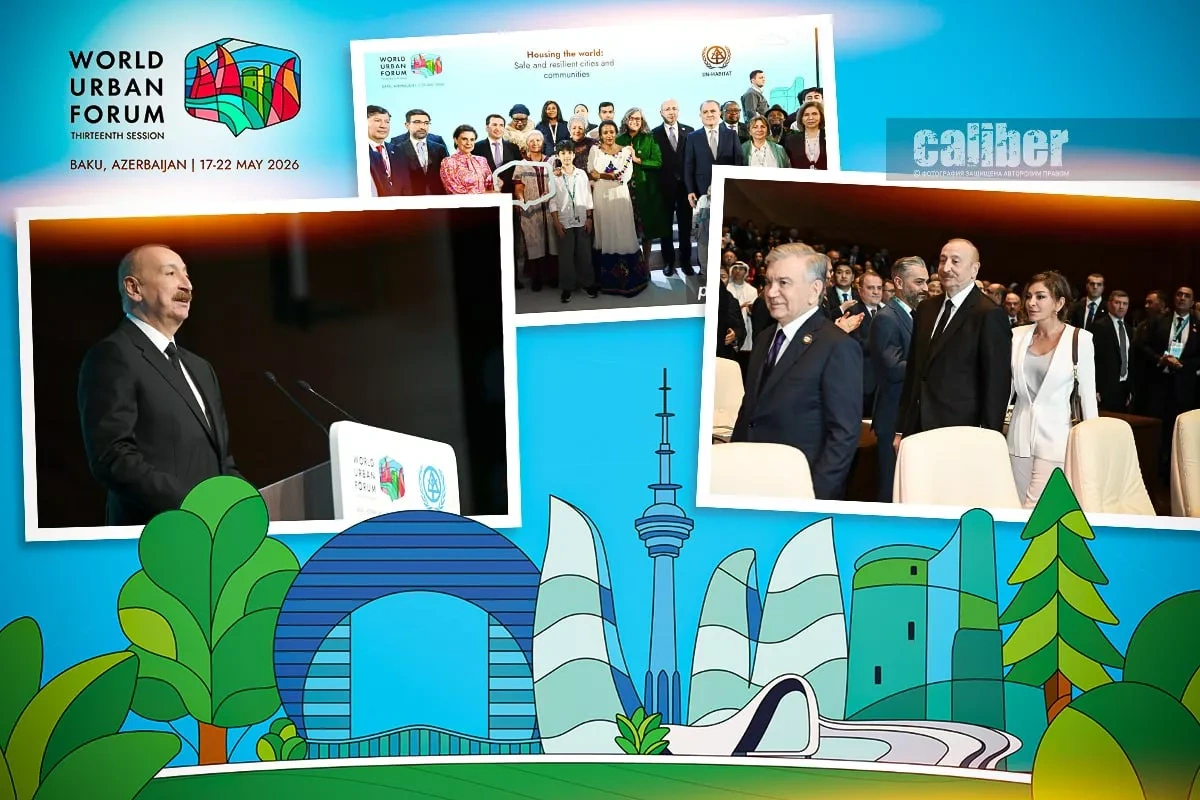
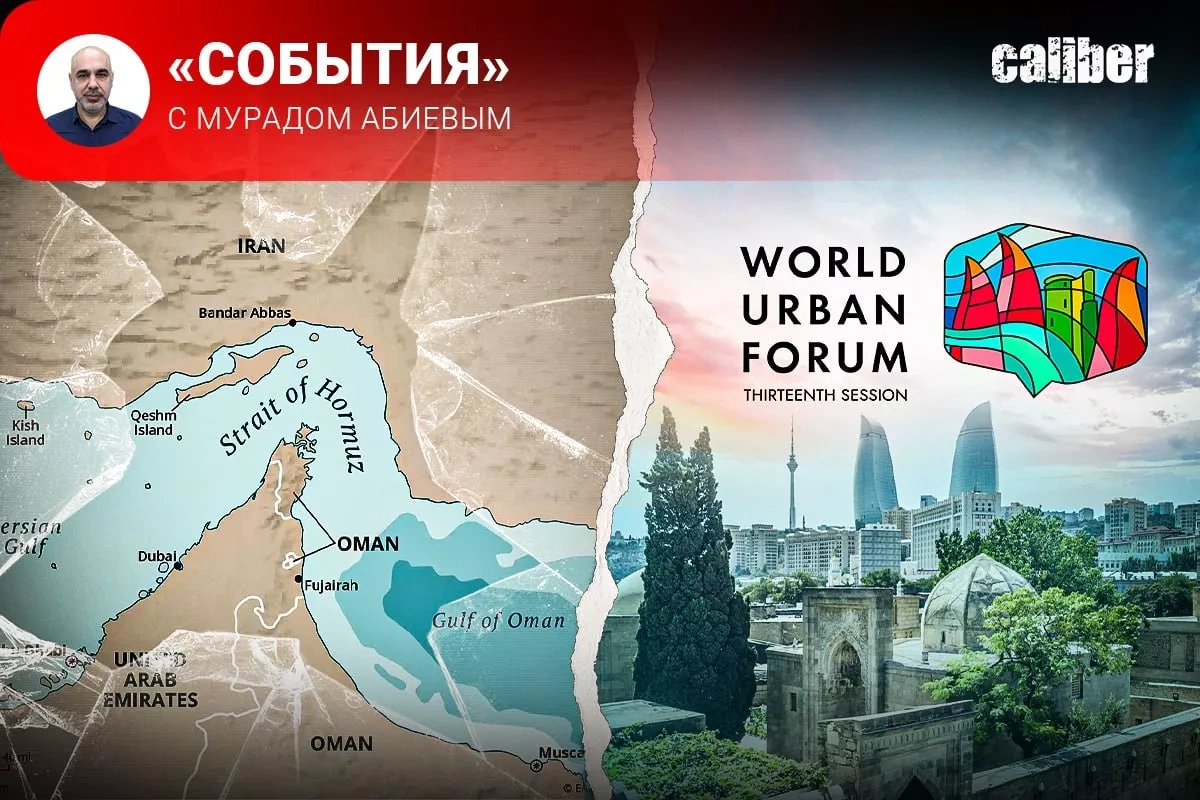
The 13th World Urban Forum (WUF13) was held in Baku — the largest global UN conference dedicated to sustainable development and urbanisation. WUF13 became one of the largest forums in history: around 57,000 participants from 176 countries took part in the event, including 11 heads of state.
The main topics of discussion included climate change, the growing number of displaced persons, social inequality, and the housing crisis affecting 3.5 billion people. As a result of the forum, a number of international documents were adopted, including the “Baku Call to Action”, the Final Declaration on the New Urban Agenda, and the Baku Declaration on Open Resilience and Global Cooperation. These and other agreements formed the so-called “Baku Dynamics”, recognised by UN-Habitat — the United Nations programme for human settlements — as a guiding framework until WUF14, which will take place in Mexico in 2028.
In his speech at WUF13, President Ilham Aliyev emphasised Azerbaijan’s historic role as a bridge between East and West, presenting Baku as an example of the harmonious combination of ancient heritage and modern urban planning — from the Old City and the Maiden Tower to the expanded Baku Boulevard and modern districts.
He also paid special attention to the reconstruction of Karabakh and East Zangezur after nearly 30 years of occupation.
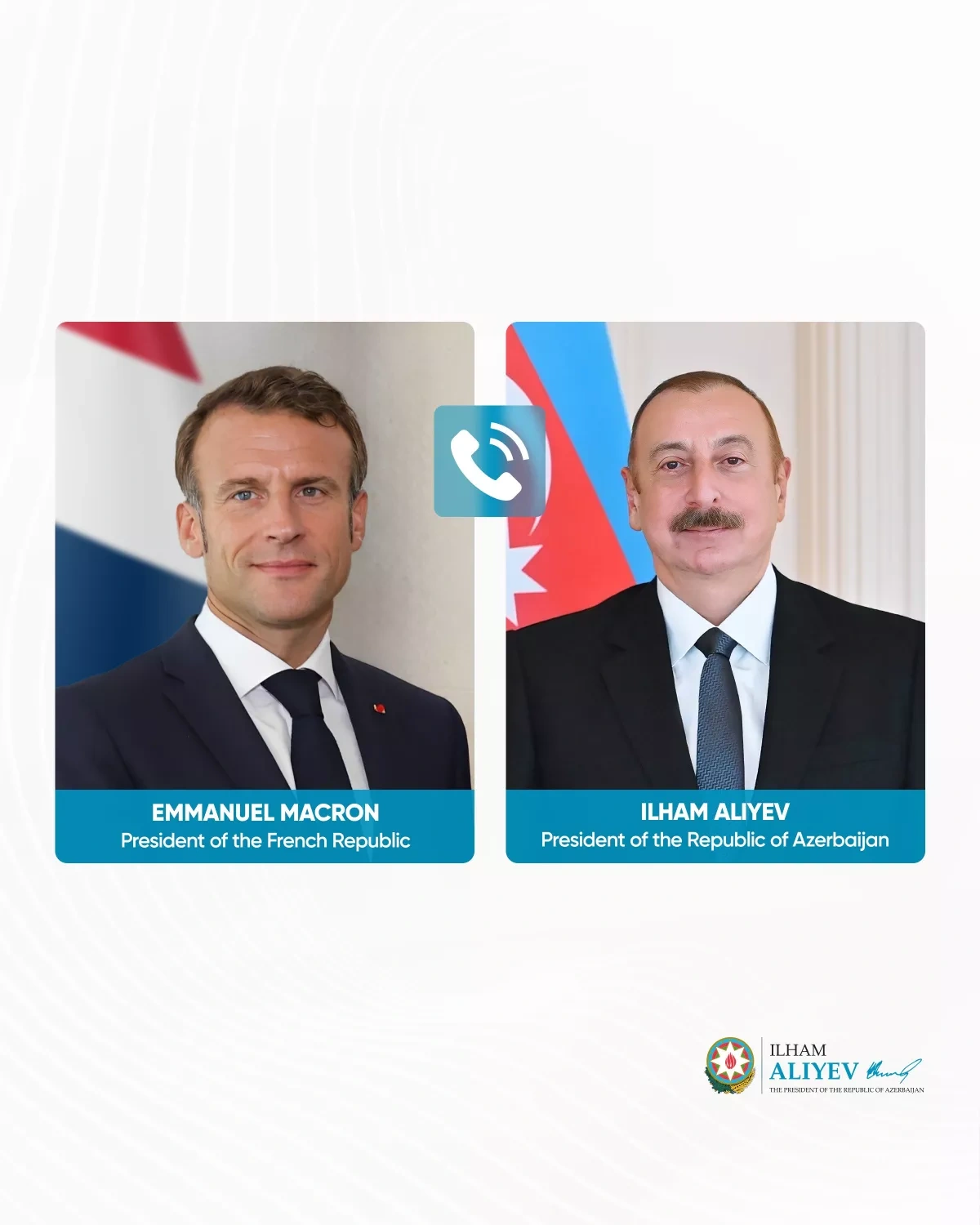
In the outgoing week, a telephone conversation took place between Emmanuel Macron and Ilham Aliyev. The initiative for the call came from Paris. The two leaders discussed issues on the agenda of bilateral relations between Azerbaijan and France, exchanged views on matters of mutual interest, and also addressed regional and global developments.
The conversation to some extent signalled a gradual revival of Azerbaijani-French dialogue after a prolonged period of tension. Macron separately emphasised France’s support for the peace dynamics between Azerbaijan and Armenia and the importance of advancing the peace process.
However, as observed during the recent EPC forum in Yerevan, Macron at times attempts to position himself almost as an architect of the South Caucasus peace process. This is partly linked to his desire to demonstrate support for Pashinyan ahead of parliamentary elections.
In any case, Paris is seeking to restore more balanced communication with Baku against the backdrop, on the one hand, of the failure of attempts to revive the Karabakh agenda, and on the other, the growing energy and geopolitical significance of Azerbaijan for Europe.
US – Iran
If one tries to follow the news on developments around Iran, it is easy to become confused by contradictory information. According to some reports, Washington and Tehran have made progress in reaching an understanding on a potential future deal, while others suggest that no agreement is possible and that the United States is preparing to deliver another strike on Iran.
This uncertainty reflects the fact that the conflict is gradually shifting from a phase of large-scale military escalation to one of strategic pressure and competition for influence in the aftermath of a fragile ceasefire. At the same time, the risk of a new escalation remains extremely high.
Washington and Tel Aviv have managed to partially weaken Iran’s infrastructure and its regional network of allies, but they have not achieved a definitive political outcome — namely regime change in Iran or a shift in its foreign policy course. As a result, the conflict is increasingly turning into a prolonged war of attrition.
At the same time, analysts are observing an expansion of the “grey zone” of the conflict: attacks via proxy groups are intensifying, tensions are rising around the Strait of Hormuz and key energy routes, and Gulf countries are increasingly concerned about the spillover of the war onto their own territory.
Particular attention is being paid to the economic consequences: oil price fluctuations, rising fuel costs, disruptions to global supply chains, and growing anxiety in financial markets.
In the United States, the debate is gradually shifting towards internal political risks and disputes over the limits of presidential authority to wage war without full Congressional approval. In Europe, meanwhile, concerns are mounting that further destabilisation of the Middle East could trigger a new migration and energy crisis.
It is possible to cautiously suggest that the reputational risks faced by Donald Trump amid a worsening energy situation, combined with the absence of any guarantee of success in the event of renewed military action, may push him more towards seeking a diplomatic solution.
At the same time, China appears to be increasingly active in this dynamic, with its support for Iran aimed at preventing a geopolitical redesign of the Middle East along a US–Israeli model.
Russia – China
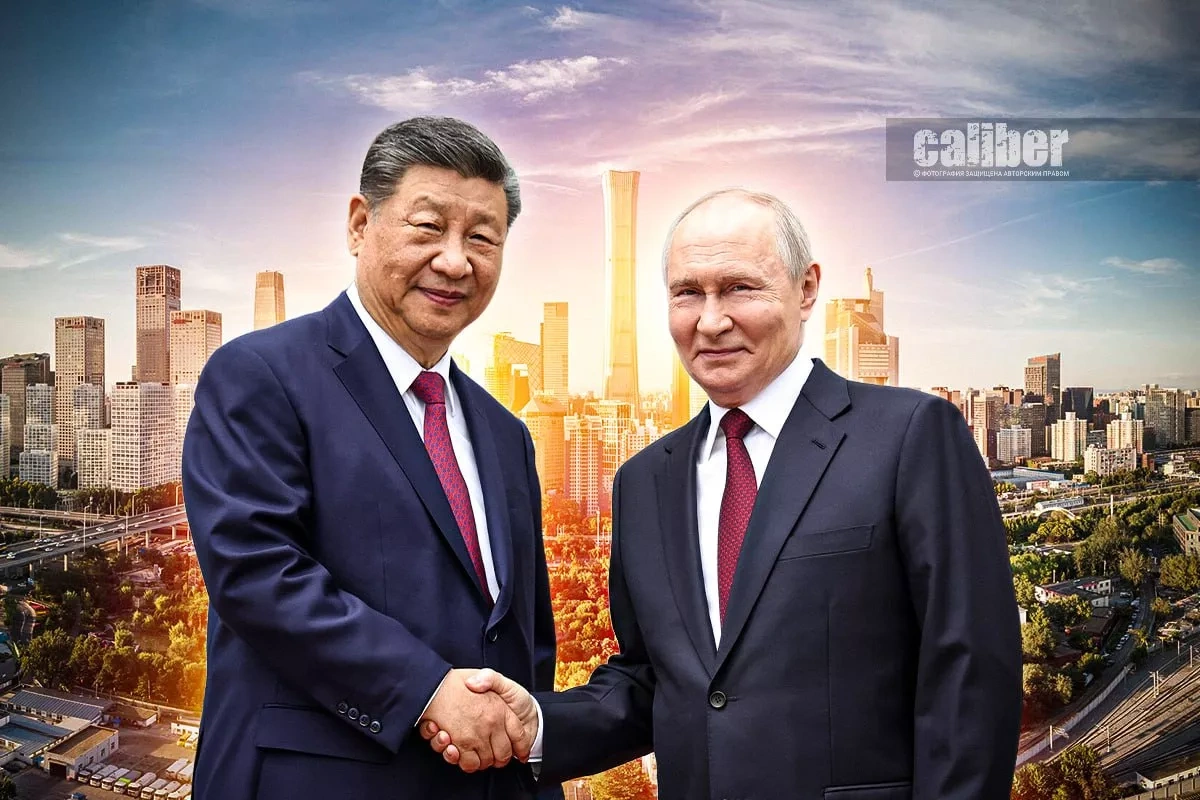
Against the backdrop of this crisis, Vladimir Putin’s visit to China took place, which was primarily a symbolic and geopolitical event aimed at demonstrating the special closeness between Moscow and Beijing amid the global confrontation with the United States.
Despite the notably warm atmosphere of the meeting with Xi Jinping and more than forty signed documents, the practical outcomes of the visit remained limited, as most agreements were declarative in nature and reflected alignment between Moscow and Beijing on issues such as a multipolar world order, criticism of Western hegemony, and coordination on key international matters, without forming a full-fledged military-political alliance.
Particular attention from commentators was given to the “Power of Siberia – 2” gas pipeline project, which the Kremlin views as an instrument for deepening long-term interdependence with China. However, the absence of final agreements demonstrated that Beijing continues to act cautiously and seeks to secure the most favourable conditions for itself.
In Moscow, this was largely anticipated, and it can therefore be said that the main objective of the visit was not so much to achieve new economic agreements, but rather to strengthen Russia’s political image through the demonstration of strategic proximity with the world’s second superpower.
This display of solidarity, it may be assumed, also symbolises an even greater consolidation of the two countries in supporting Iran in its confrontation with the United States.