BAKU, Azerbaijan, February 19. On January 29,
2026, the European Union (EU) and Azerbaijan agreed to jointly
prepare a feasibility study for a railway project in Nakhchivan,
signaling a deepening of economic cooperation between the two
sides. The initiative is part of the EU’s Global Gateway strategy
and its recently launched Interregional Connectivity Program, both
aimed at developing sustainable, secure, and diversified links in
transport, energy, digital infrastructure, and trade.
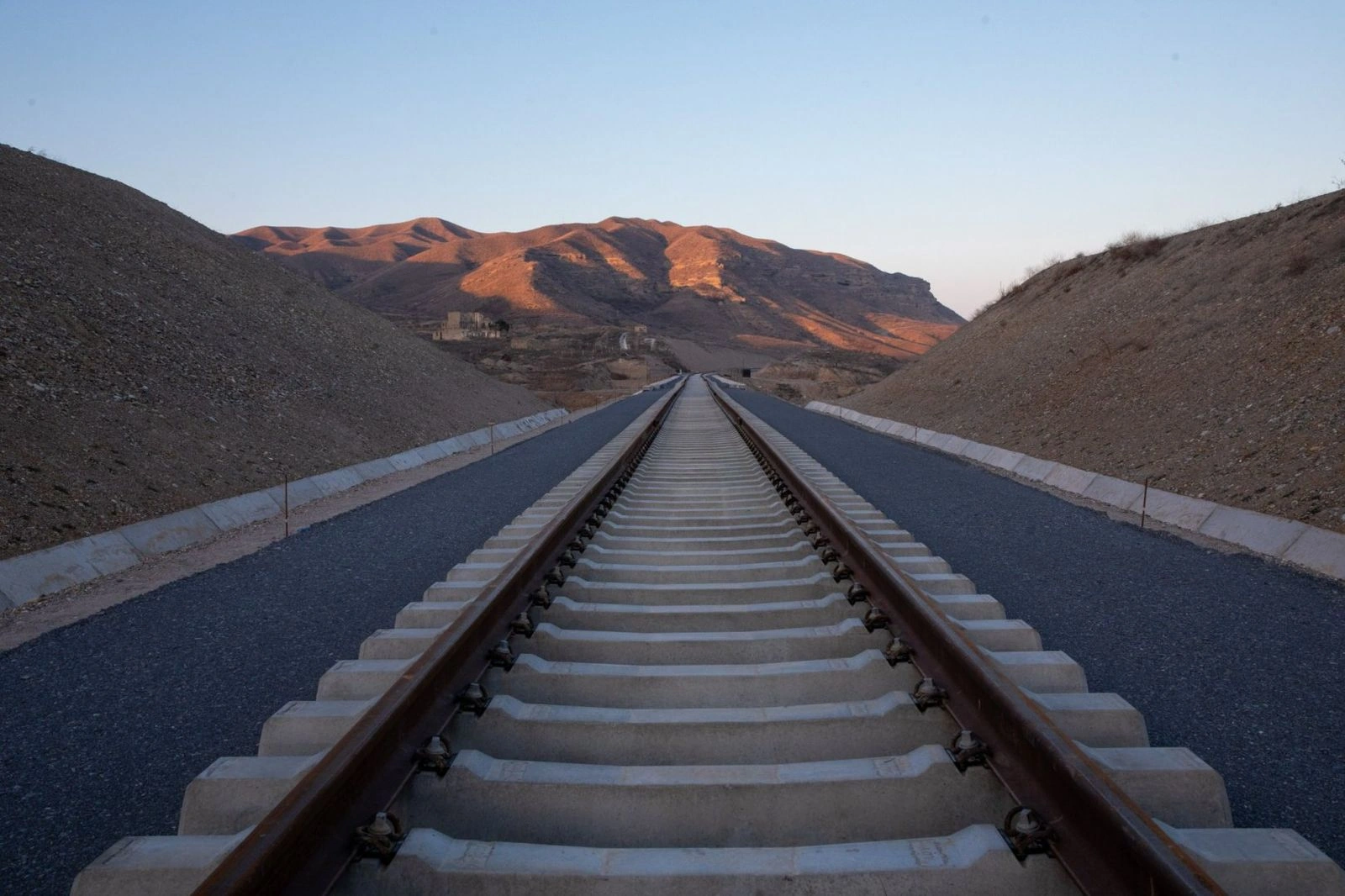
The proposed Nakhchivan railway is set to become a pivotal
segment of the Trans-Caspian Transport Corridor linking Europe with
Central Asia. According to the European Commission (EC), the route
could cut transit times between the two regions to 15 days,
offering a faster and more predictable alternative for freight
movement. Beyond reducing delivery times, the corridor is expected
to stimulate new trade flows, attract investment, and strengthen
economic interdependence across the wider Eurasian space.
For Azerbaijan, the project represents a strategic opportunity
to accelerate economic diversification, generate employment,
advance rural development, and reinforce the country’s role as a
regional transit hub. Improved rail connectivity is also expected
to enhance the movement of goods and passengers, upgrade transport
infrastructure, and create additional channels for both domestic
and international commerce.
For the EU, the railway provides a practical avenue to diversify
transit options, reduce reliance on limited routes, and expand
economic engagement with Eurasia, while contributing to long-term
regional stability. Brussels sees the project as a concrete step
toward translating geopolitical objectives into infrastructure on
the ground, particularly at a time when fostering cooperation and
connectivity in the South Caucasus remains a strategic priority.
Together, the Trans-Caspian Corridor and the Nakhchivan railway
could serve as a blueprint for broader regional integration across
Eurasia.
New transport routes will allow countries in Central Asia, the
South Caucasus, and Eastern Europe to connect more rapidly to
European and Asian markets, cutting logistics costs and enabling
diversification of export flows. The project is set to spark a wave
of innovative financial tools and foster the growth of “soft”
infrastructure, such as aligning regulations, standardizing
processes, and providing specialized training, paving the way for
lasting partnerships between governments and businesses.
Ultimately, the Nakhchivan railway extends beyond its transport
function. It is designed to generate a broader economic multiplier
effect, from job creation in construction and logistics to
investment inflows and growth in related sectors ranging from
warehousing infrastructure to digital technologies. By promoting
economic diversification and regional connectivity, the project is
poised to strengthen the competitiveness and resilience of
Azerbaijan and its neighboring economies.
The Nakhchivan railway project goes far beyond a local
infrastructure upgrade. It illustrates how targeted investments in
transport and logistics can serve as catalysts for stability,
unlock new economic opportunities, and foster deeper regional
integration.
By strengthening connectivity between Europe and Asia, the
initiative stands to benefit not only Azerbaijan and the EU but
also a broader group of countries seeking sustainable growth,
resilient trade routes, and long-term stability across Eurasia’s
evolving transit landscape.
Stay up-to-date with more news on Trend News
Agency's WhatsApp channel