BAKU, Azerbaijan, February 12. The Middle
Corridor is increasingly seen as a viable and politically stable
alternative to the “Northern Corridor” through Russia and sea
routes through the Suez Canal or around Africa, Trend reports via The New
Lines Institute think tank.
"By 2030, freight traffic volumes on the TITR could increase
threefold or more. In 2024 alone, container traffic on the Kazakh
section of the TITR grew by 62%, reaching 4.5 million tons. The
authorities plan to double this figure within three years.
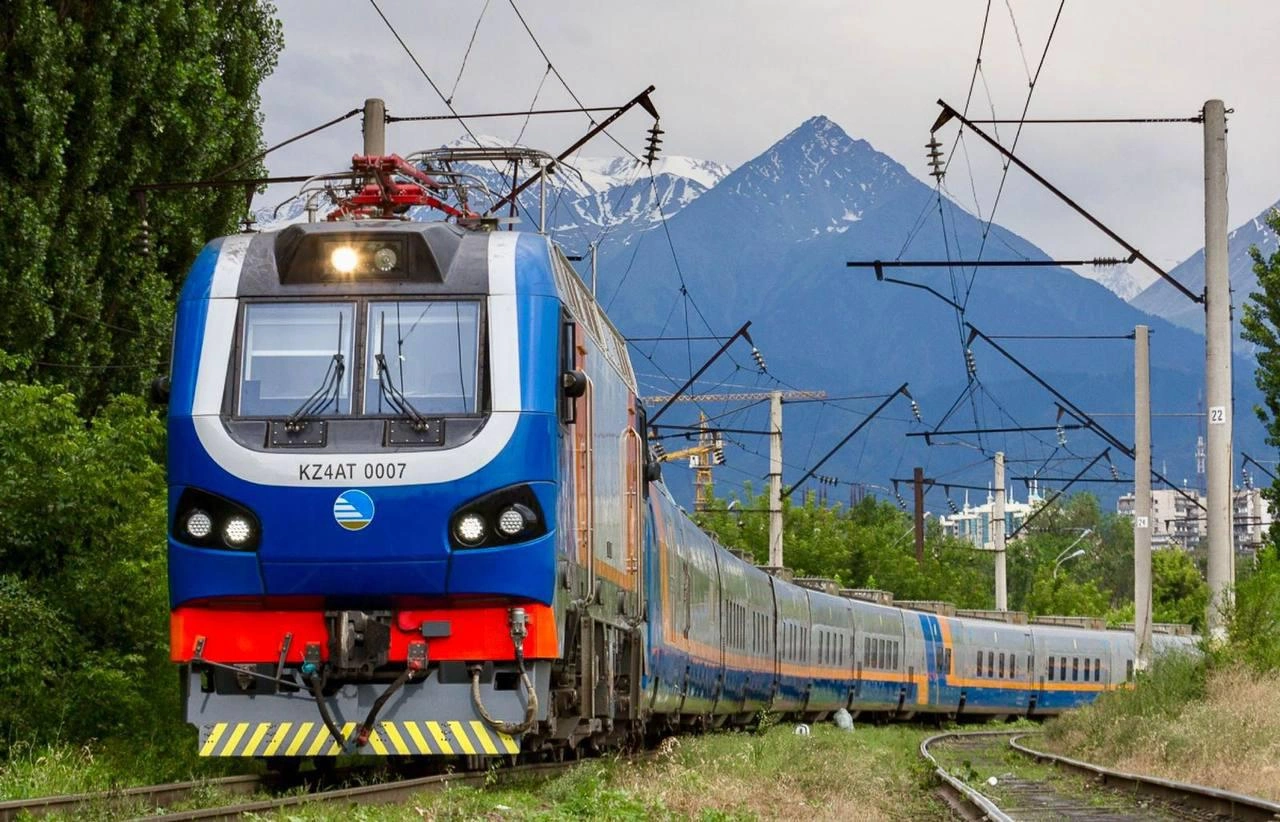
The renewal in July 2025 of the cooperation agreement between
Kazakhstan's state railway company KTZ and China State Railway
Group underscores the strategic commitment to strengthening the
Middle Corridor and increasing traffic volumes between China and
Europe via Kazakhstan," the report says.
According to the information, the growth in capacity and the
high level of political support indicate that demand is not only
increasing but is also structural in nature, confirming that the
East-West Corridor through Kazakhstan is becoming a key trade
artery.
The Middle Corridor is a transport trade route passing through
several countries in the region and connecting Asia with Europe. It
serves as an alternative to the traditional Northern and Southern
corridors.
The route begins in China and passes through Central Asian
countries such as Kazakhstan, Uzbekistan, and Turkmenistan. It then
crosses the Caspian Sea, Azerbaijan, Georgia, and Türkiye before
reaching Europe. The Middle Corridor is a land-based route that
bypasses longer maritime paths, linking eastern parts of Asia,
including China, with Europe.