BAKU, Azerbaijan, February 12. The rise of
hydropower in Tajikistan is becoming a game changer for bolstering
energy security and fueling economic growth. As the world shifts
gears towards eco-friendly energy, the nation is rolling up its
sleeves to launch hydropower projects of all sizes, catching the
eye of international investors left and right.
For example, earlier this year, at the international "Abu Dhabi
Sustainability Week 2026," Tajikistan engaged in discussions with
the UAE's 40 Capital investment company about investment
opportunities in small hydropower plants, showcasing the potential
of renewable energy to enhance the country’s energy mix. The
company is poised to conduct a comprehensive review of current
projects and engage in collaboration with pertinent national
agencies.
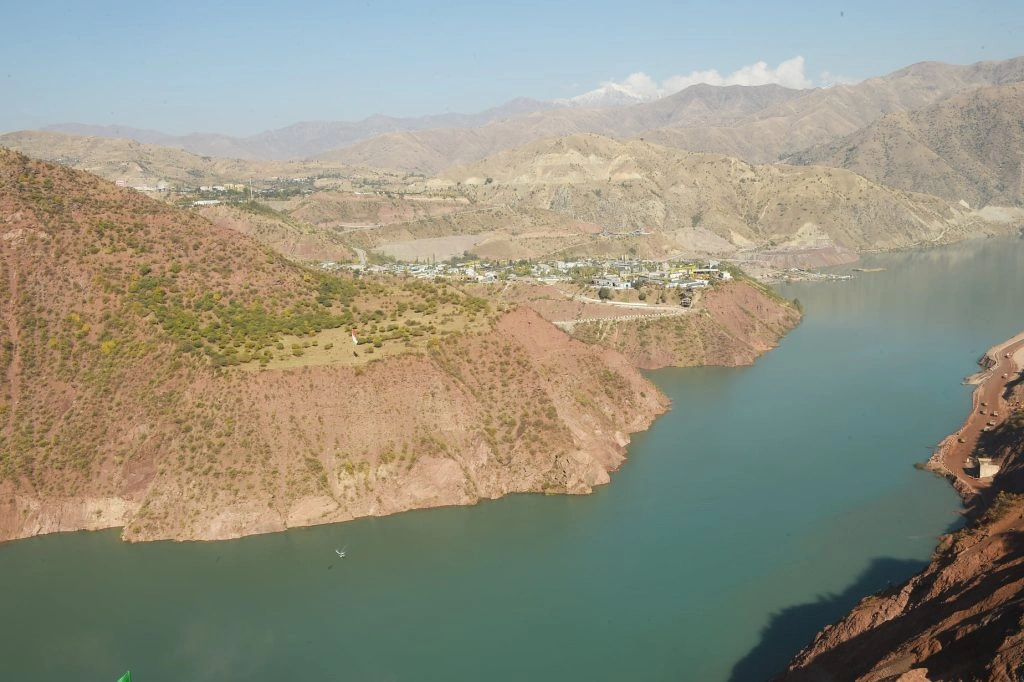
One notable instance of hydropower project execution is the
Sebzor HPP, boasting an installed capacity of 11 MW, located in the
Roshtkala district of the Gorno-Badakhshan Autonomous Region. This
innovative diversion-type plant, featuring three state-of-the-art
turbines, produces more than 76 million kWh of clean electricity
each year, effectively preventing around 45,000 tons of CO₂
emissions. The funding for the project came from Germany and the
European Union.
On a larger scale, Tajikistan is making significant strides with
the construction of the Rogun HPP, poised to be the largest
hydropower plant in Central Asia, boasting an impressive installed
capacity of 3,600 MW. An exciting new agreement with the Qatar Fund
for Development has secured a concessional loan of $50 million to
advance construction efforts, while ongoing negotiations with
Kazakhstan pave the way for promising electricity export
opportunities. The nations are set to formalize an
intergovernmental agreement designed to harmonize energy systems,
bolster agriculture, and enhance food security.
Hydropower in Tajikistan plays a pivotal role that transcends
mere domestic energy needs. Small and large HPPs play a crucial
role in boosting electricity reliability in mountainous and remote
areas, fostering cross-border trade opportunities, and advancing
international climate and infrastructure initiatives. In this
scenario, essential elements involve drawing in foreign investment,
complying with environmental and social standards, and achieving
technical alignment with the energy systems of neighboring
countries.
The implementation of hydropower projects presents multiple
development scenarios. With a successful combination of small and
large HPPs, Tajikistan could ensure stable energy supply, expand
export potential, and strengthen its position as a regional energy
hub. At the same time, dependence on external financing or
political instability could slow large-scale project
implementation, posing risks to achieving energy independence.
Expanding hydropower will also require continuous compliance with
environmental and social standards and careful management of
impacts on ecosystems and local communities. Meanwhile,
synchronizing energy systems with neighboring countries could boost
export potential but will require alignment on technical and
political terms.
Tajikistan’s water resources are proving to be more than just a
source of electricity; they are becoming a pivotal element in the
region's economic and energy landscape. Successfully implementing
hydropower projects opens the door to sustainable development
opportunities, yet it also brings challenges that hinge on the
interaction of technological, financial, and political
elements.