ASTANA, Kazakhstan, February 10. The Government
of Kazakhstan is working jointly with the business community to
expand support measures for small and medium-sized enterprises
(SMEs), Prime Minister Olzhas Bektenov said, Trend reports via the Kazakh
government.
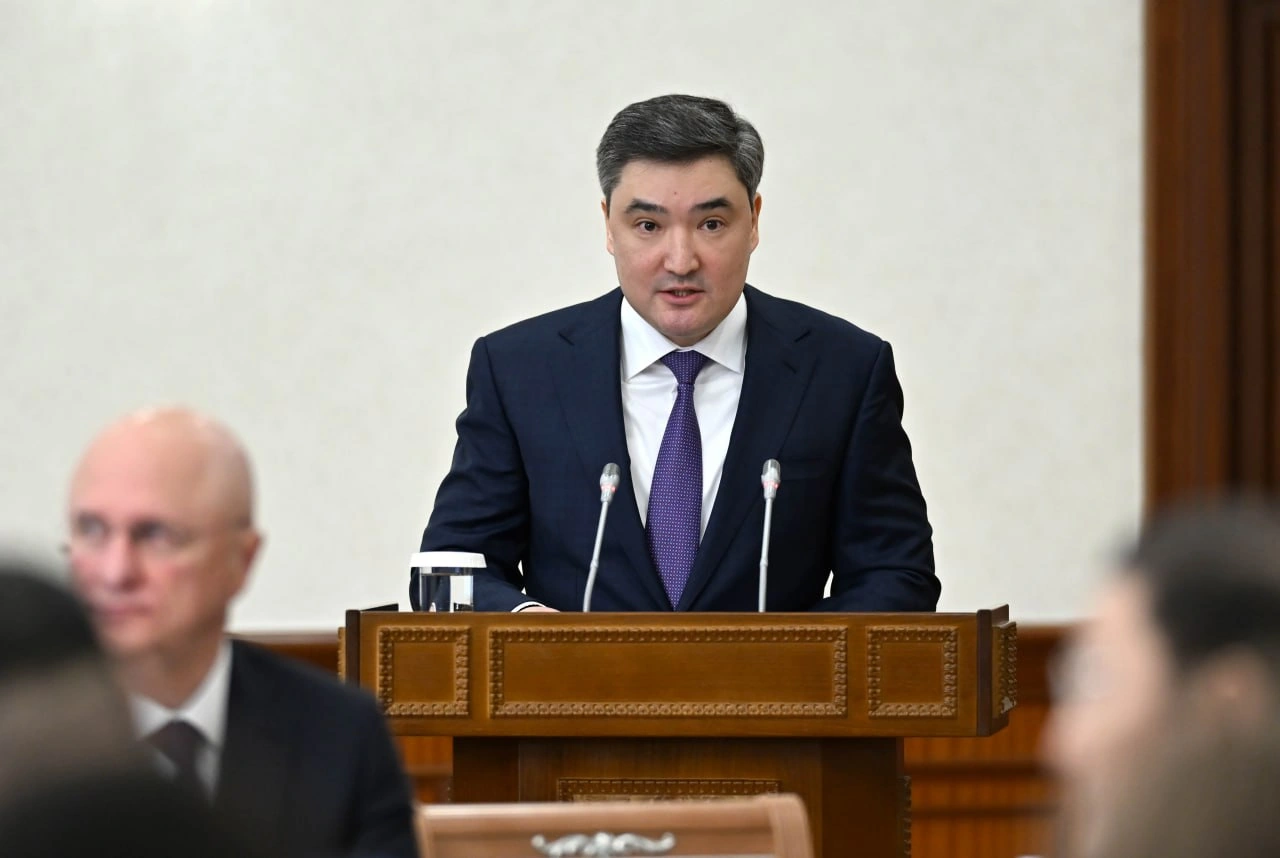
Bektenov made the statement at an expanded Government meeting
chaired by President Kassym-Jomart Tokayev.
The Prime Minister emphasized that, alongside the modernization
of infrastructure and large-scale industrial projects, particular
focus will be placed on supporting micro and small businesses.
According to PM, in line with the President’s directives to
ensure economic stability, the “Isker Aimaq” program has been
approved. This initiative aims to systematize the provision of
financial, non-financial, and infrastructure support to micro and
small enterprises.
Furthermore, Bektenov highlighted that existing support
mechanisms are insufficient to fully realize the potential of SMEs.
To address this gap, the Government, in collaboration with the
business community, is developing additional financial and
regulatory measures.
One of the key initiatives, he said, will be a program to
re-equip SMEs with modern equipment. Under a special scheme
implemented through the Baiterek holding, entrepreneurs will be
able to obtain concessional loans within 10 days to purchase modern
machinery without providing additional collateral. The measure is
expected to improve business competitiveness and address the issue
of outdated production assets.
The Prime Minister also noted that, following the President’s
instructions voiced at the National Kurultai, the Government is
ensuring a gradual introduction of the new Tax Code. Earlier, it
was decided to cancel all tax audits for periods before January 1,
2026. In addition, no liability measures will be applied to micro
and small businesses for violations committed in the current
year.
According to Bektenov, by the end of 2025, the number of active
SMEs in Kazakhstan increased by 5% to over 2.2 million entities.
Employment in the sector grew by 3.9% to 4.5 million people,
accounting for about 46% of total employment and nearly half of the
country’s economically active population. The SME sector’s share in
GDP reached 40.5%, while total output amounted to around 73
trillion tenge (around $148.2 billion).