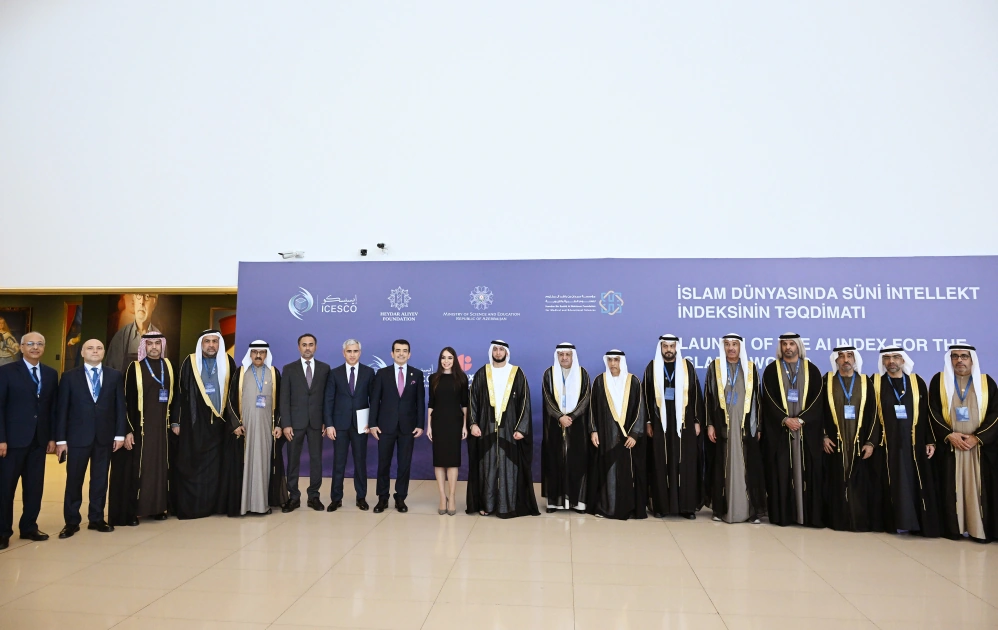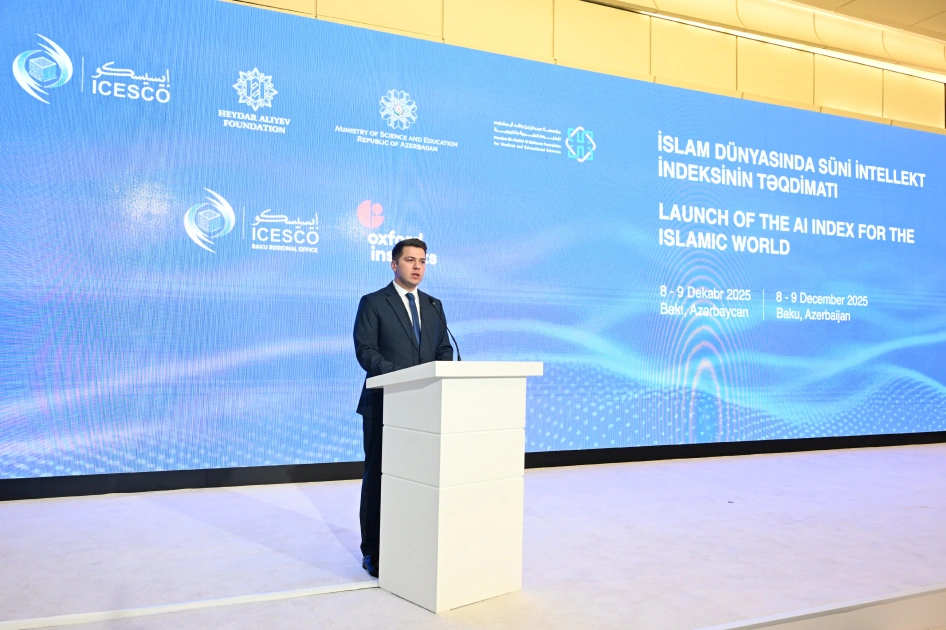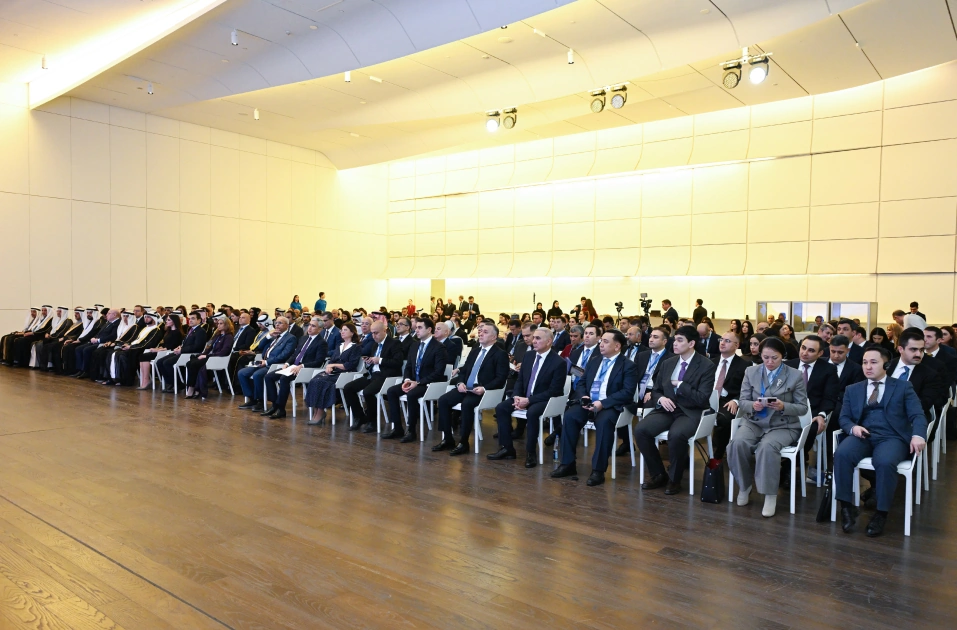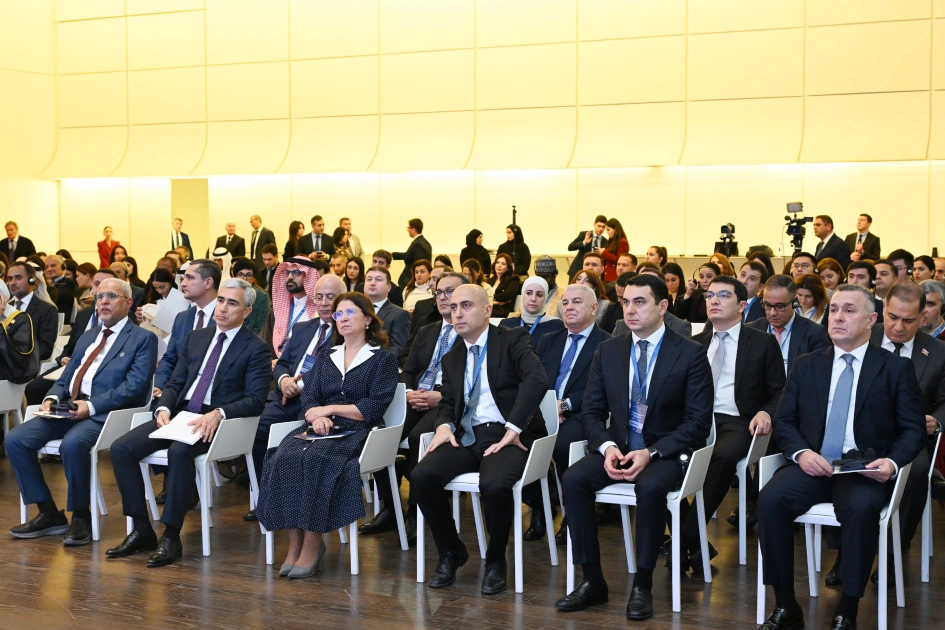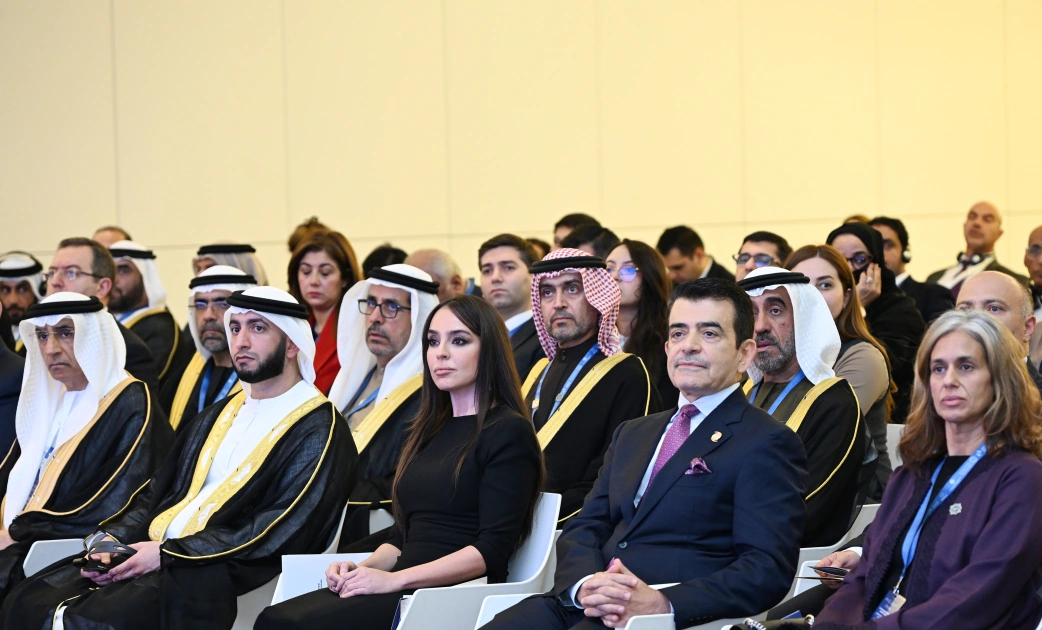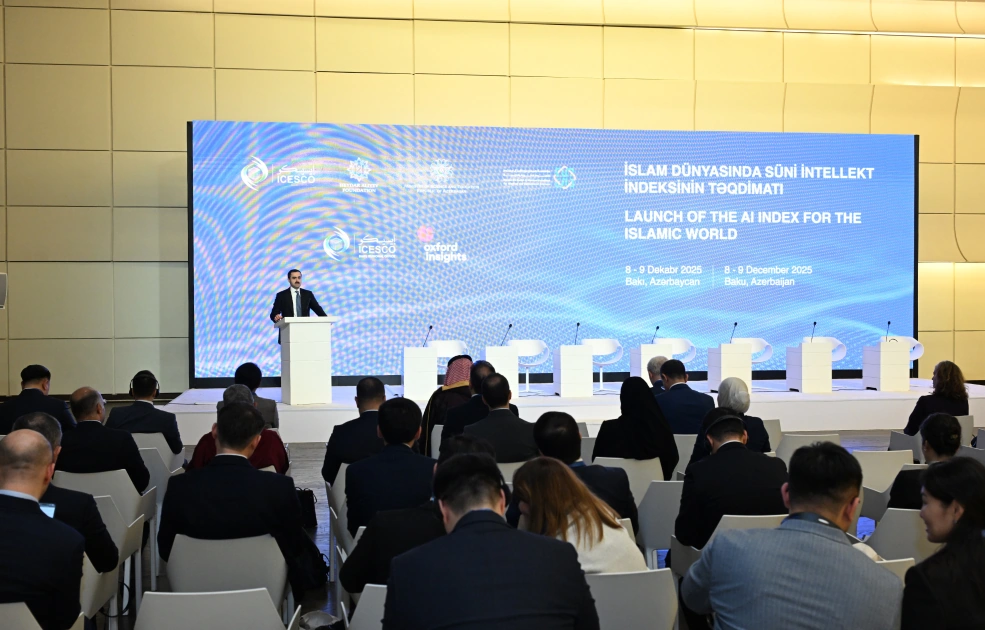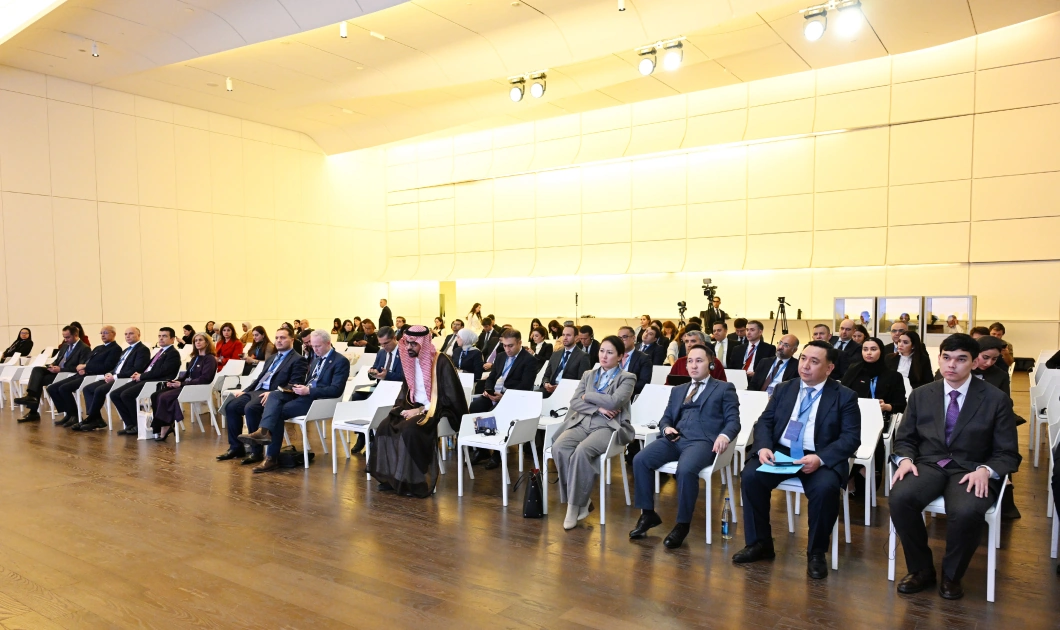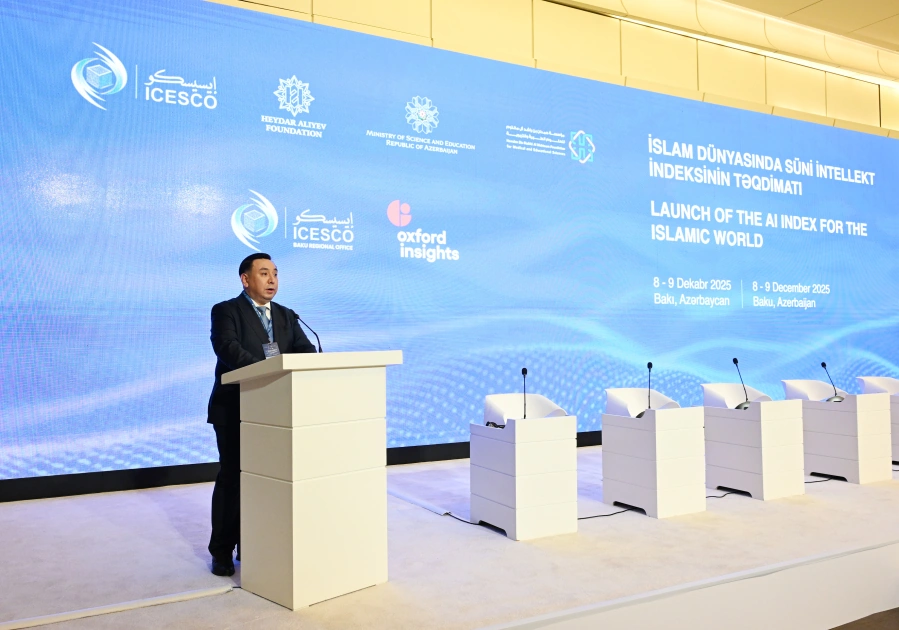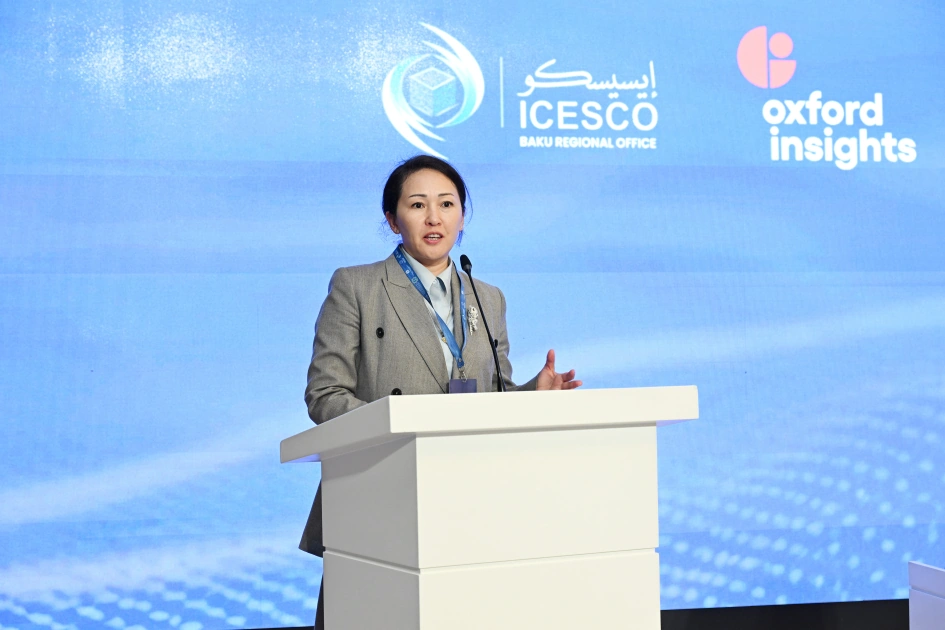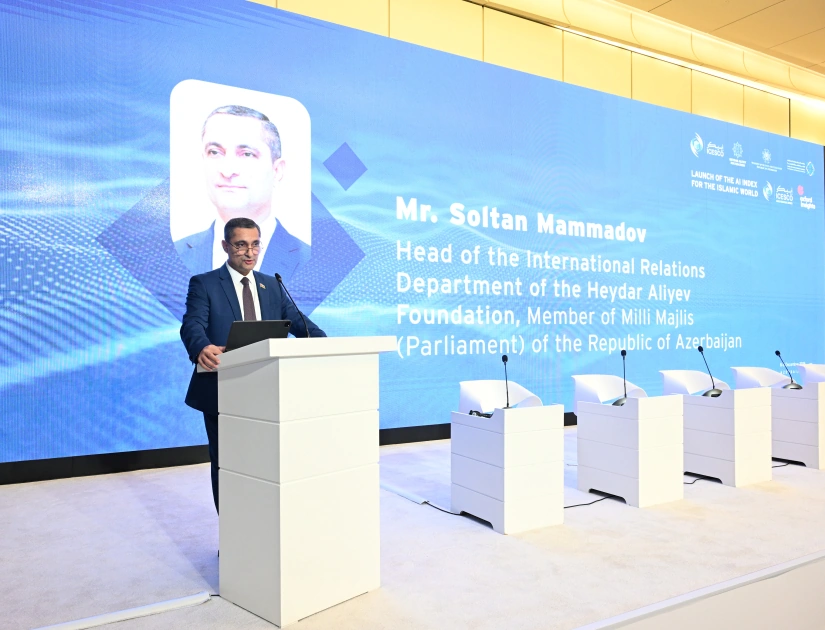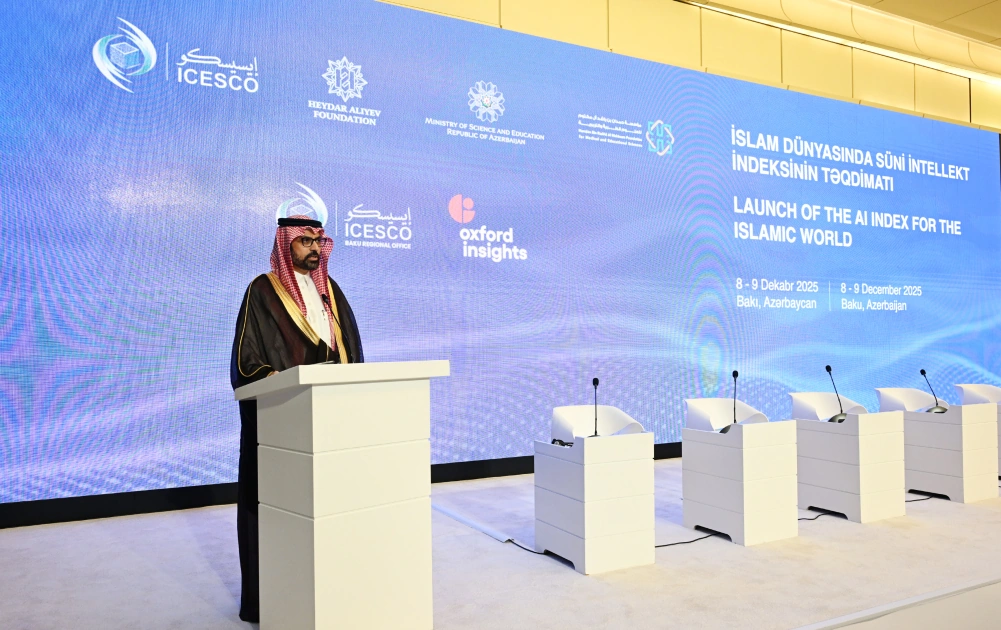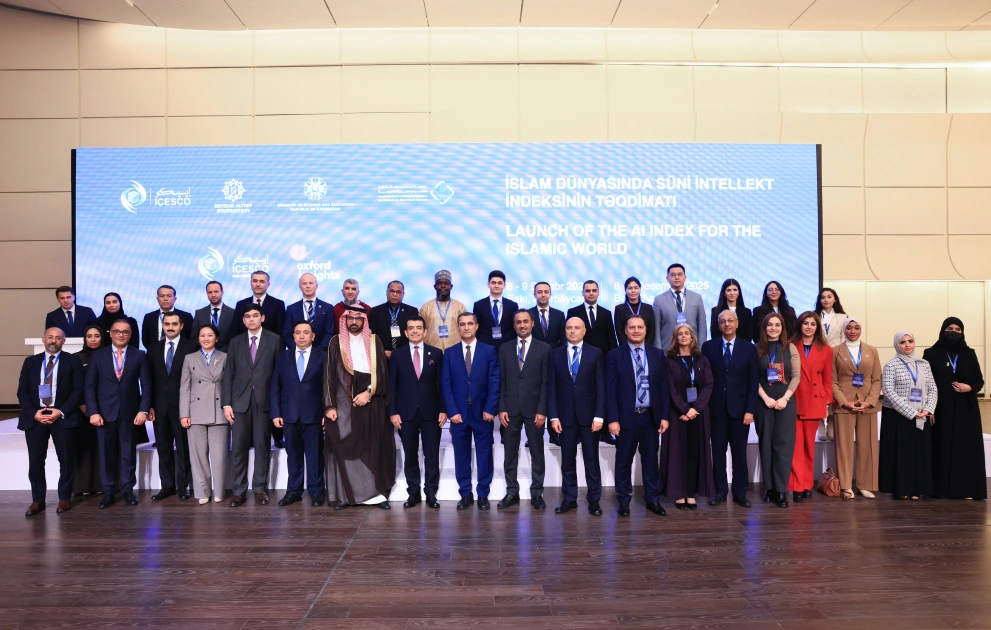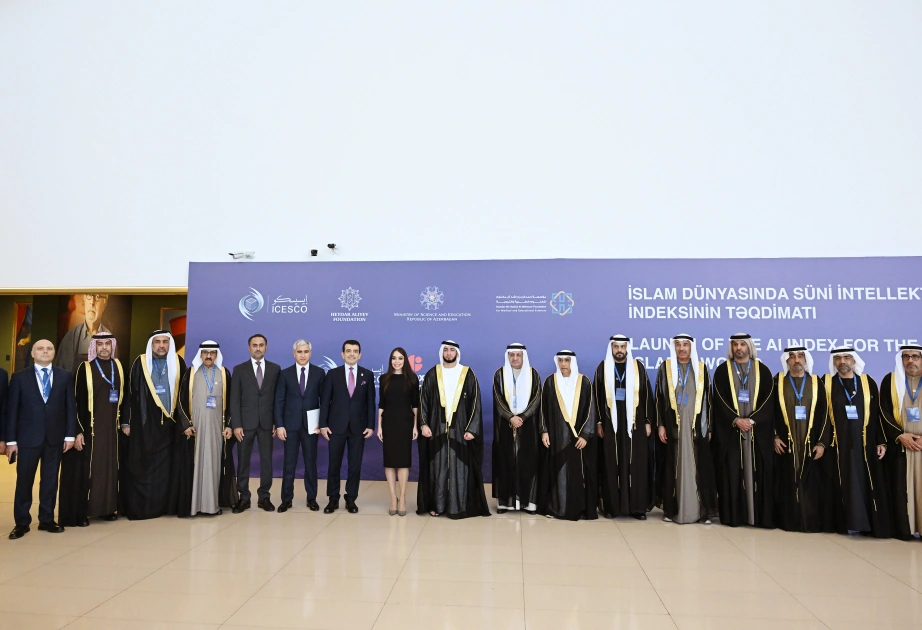
BAKU, Azerbaijan, December 8. On December 8, an
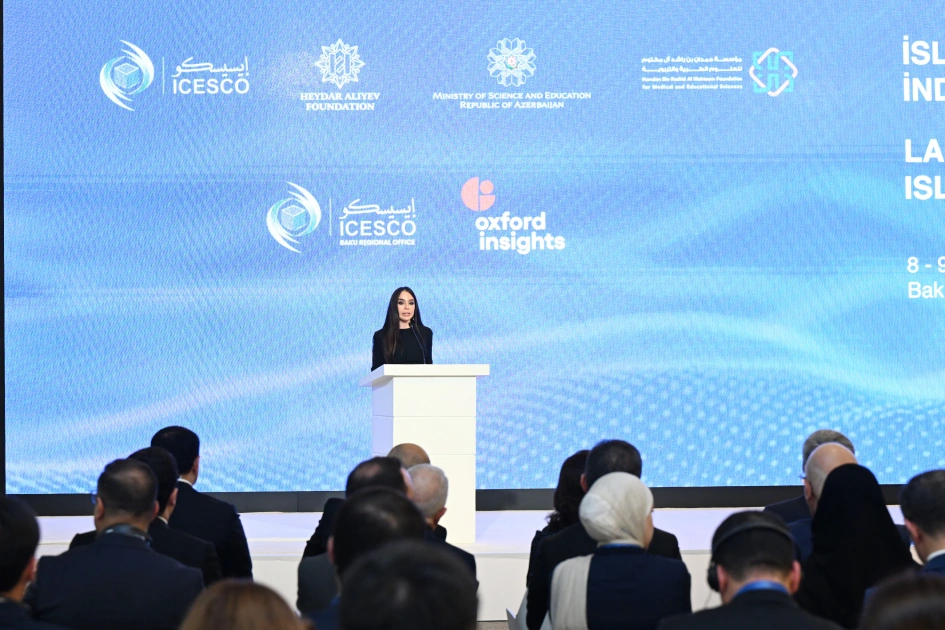
opening ceremony of the international conference on the theme
Launch of the AI Index for the Islamic World was held at the Heydar
Aliyev Center in Baku, Trend reports.
Co-organized by the Heydar Aliyev Foundation, Azerbaijan’s
Ministry of Science and Education in partnership with the Islamic
World Educational, Scientific and Cultural Organization (ICESCO),
the conference aims to enhance cooperation on artificial
intelligence (AI) in the Islamic world, as well as discuss the
ethical, social and economic impacts of AI.
The document on the “AI Index for the Islamic World” is also
presented in Baku for the first time.
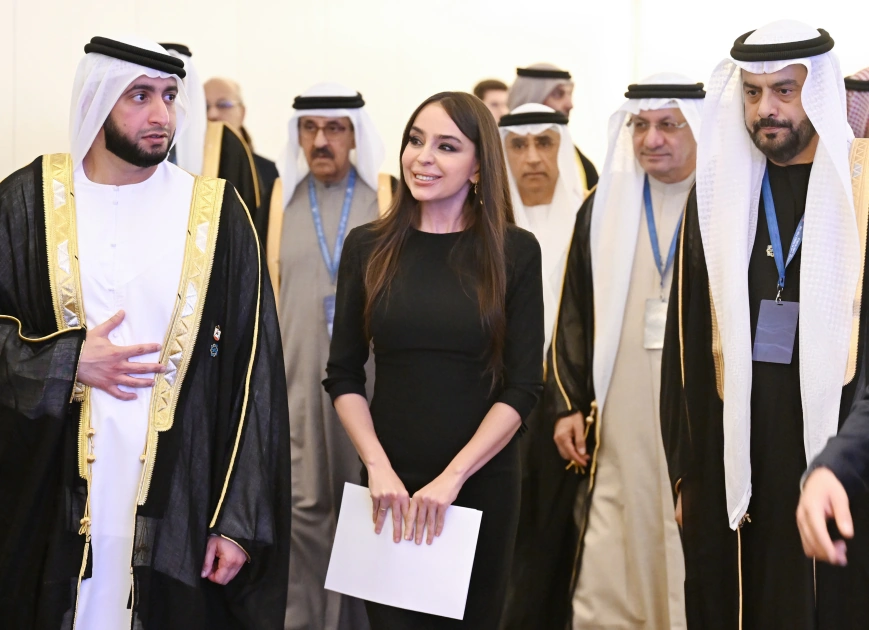
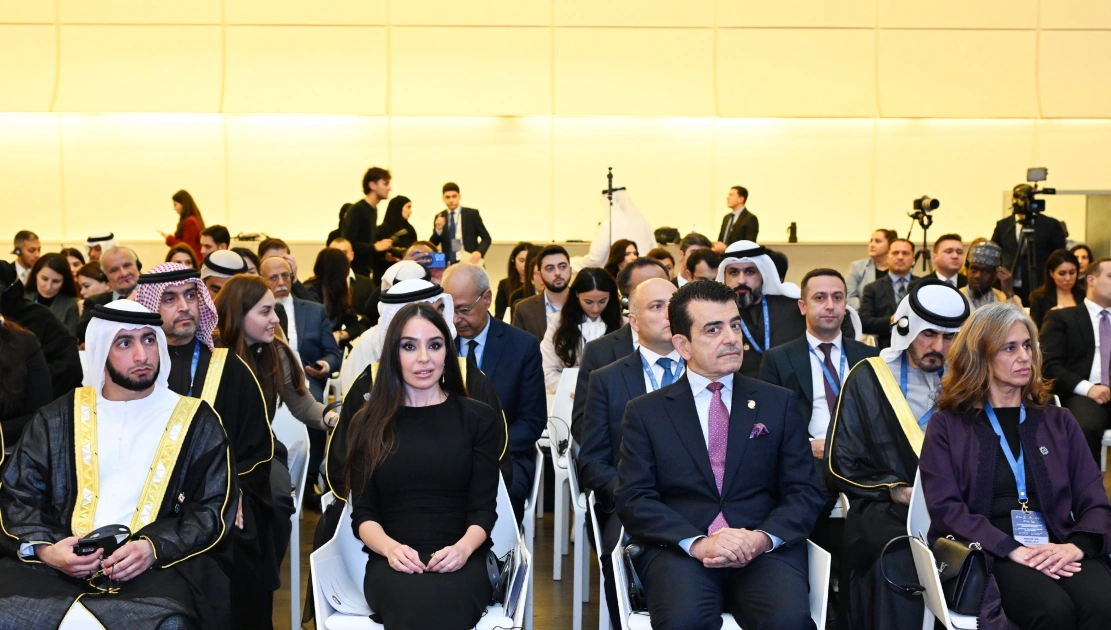
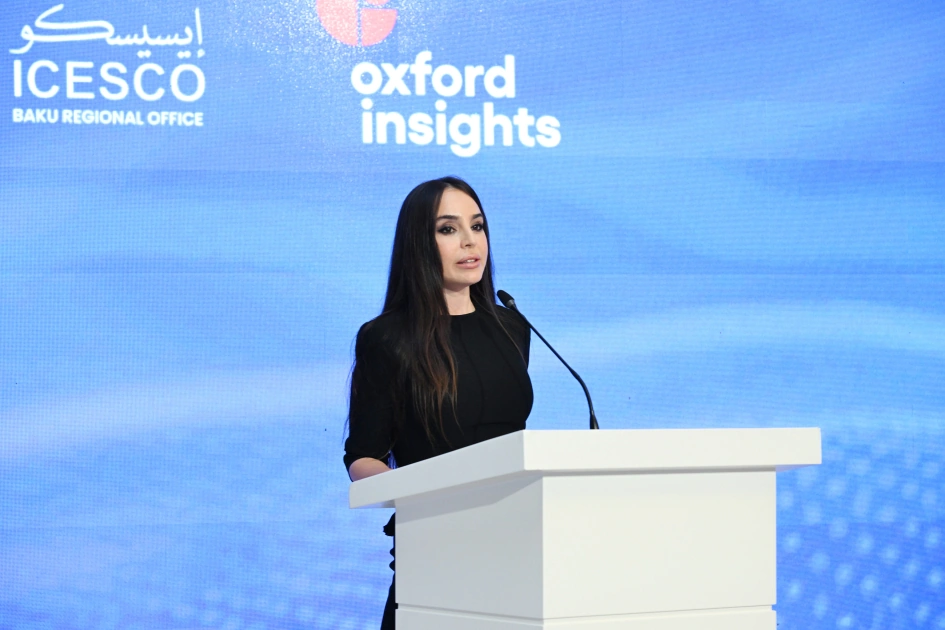
In her opening remarks, Leyla Aliyeva, Vice-President of the
Heydar Aliyev Foundation, founder and head of the IDEA Public
Union, noted that the AI had already become an integral part of
everyday life. According to her, this area, which creates vast
opportunities, also raises new questions and responsibilities. She
highlighted the importance of the society’s proper assessment of
the impacts of AI, protecting the youth from the existing risks and
directing them through the opportunities offered by this
technology.
The Heydar Aliyev Foundation Vice-President highlighted
Azerbaijan’s consistent steps undertaken in this direction. She
said that the National Artificial Intelligence Strategy for
2025–2028 envisages establishing the national artificial
intelligence ecosystem, developing the AI model in Azerbaijani for
public services, defining the standards for government agencies,
and establishing the Artificial Intelligence Academy.
Recalling that the Heydar Aliyev Foundation had identified
education as the priority area for 20 years, Leyla Aliyeva said
that during this period, the Foundation built and reconstructed
over 500 schools, as well as modernized kindergartens and boarding
schools in Azerbaijan, providing thousands of children with modern
educational facilities.
She noted that transitioning to the AI era further increases the
importance of this mission, adding that AI is not just a
technology, but a new opportunity for every child.
Leyla Aliyeva also emphasized that AI could play a crucial role
in environmental protection, namely tracking rare animal species;
monitoring climate change; protecting forests, conserving water
resources, and developing sustainable agriculture.
Highlighting the cooperation with ICESCO, Leyla Aliyeva
underscored several ongoing projects in Africa, including
construction of school for the internally displaced girls in
Burkina Faso, as well as projects in Mali, Chad, and the Comoros.
In this vein, she outlined the establishment of regional
information and communication technology centers for youth and
people with disabilities, in collaboration with the United Nations
Development Program (UNDP).
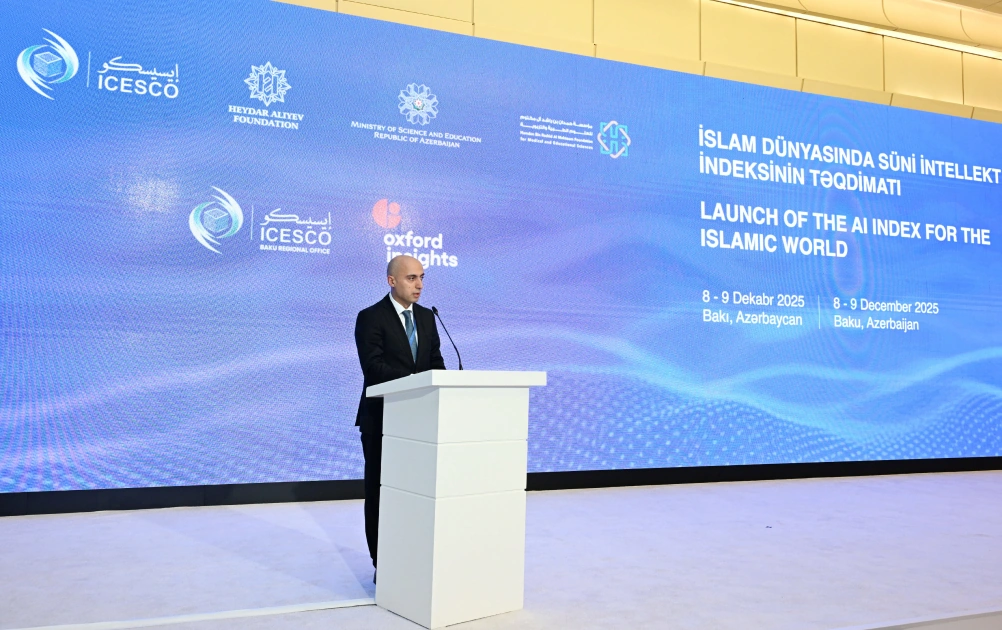
Emin Amrullayev, Azerbaijani Minister of Science and Education,
stressed that the Heydar Aliyev Foundation had been promoting the
excellence in education for many years, supporting innovative
initiatives, and creating vast opportunities for children and
youth. He pointed out the Foundation’s unparalleled contributions
to boosting education in Azerbaijan and the Islamic world. He also
mentioned the Azerbaijani Education Ministry is taking pride in the
implementation of common goals together with the Heydar Aliyev
Foundation, contributing to the social and cultural
development.
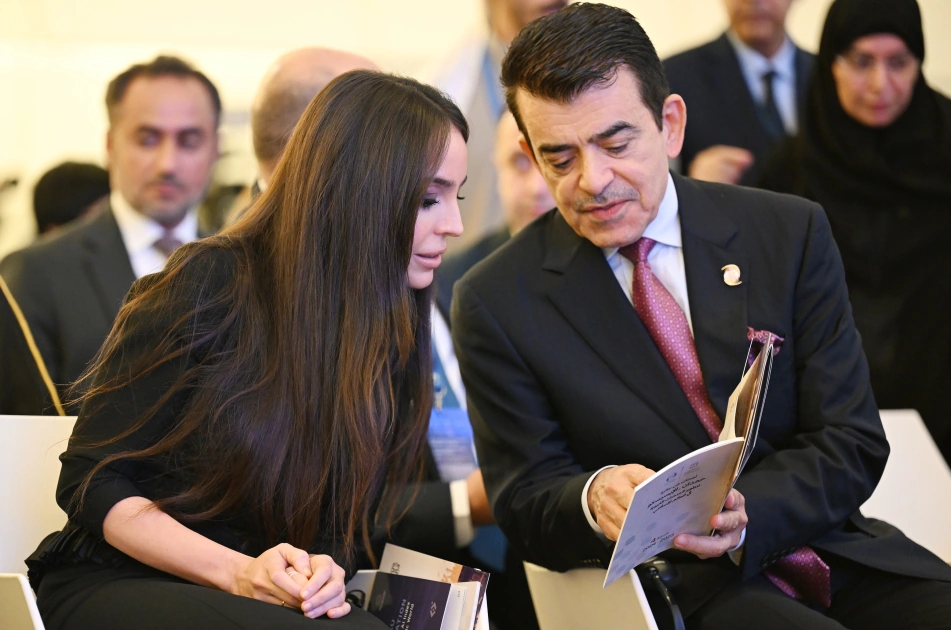
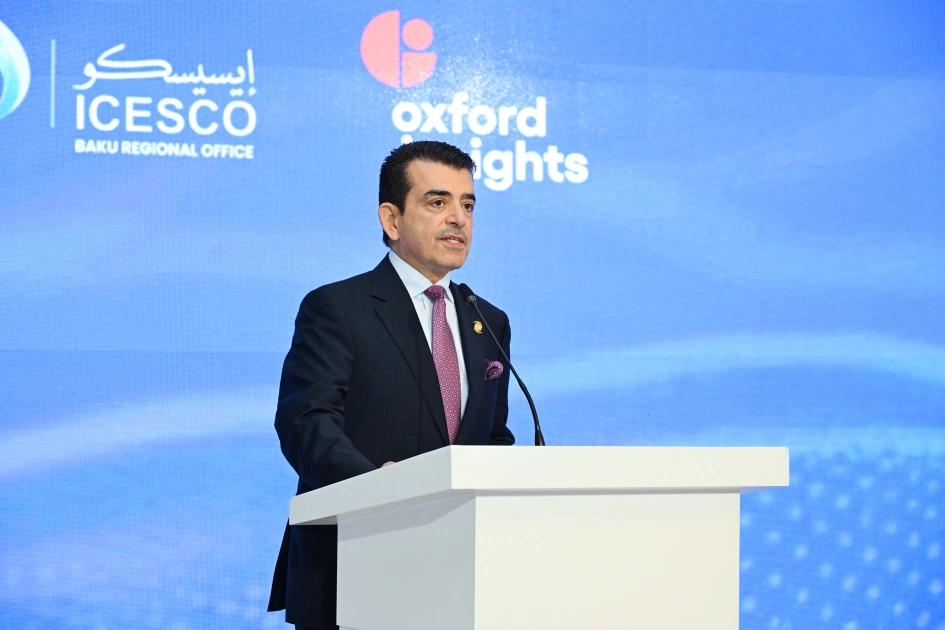
In his remarks, Salim bin Mohammed Almalik, ICESCO
Director-General, noted that humanity is on the verge of a new
stage - the age of AI. According to him, this is a force that can
shape skills and influence. The Director-General mentioned that AI
had already become a strategic target: those who accept it
accelerate development, while those who oppose it will see progress
go in other directions and will be left behind.
He said AI is not only a technology, but also an enabling tool,
whose application provides innovative solutions in education,
healthcare, management and other spheres.
The ICESCO Director-General hailed the high-level cooperation
among the member states.
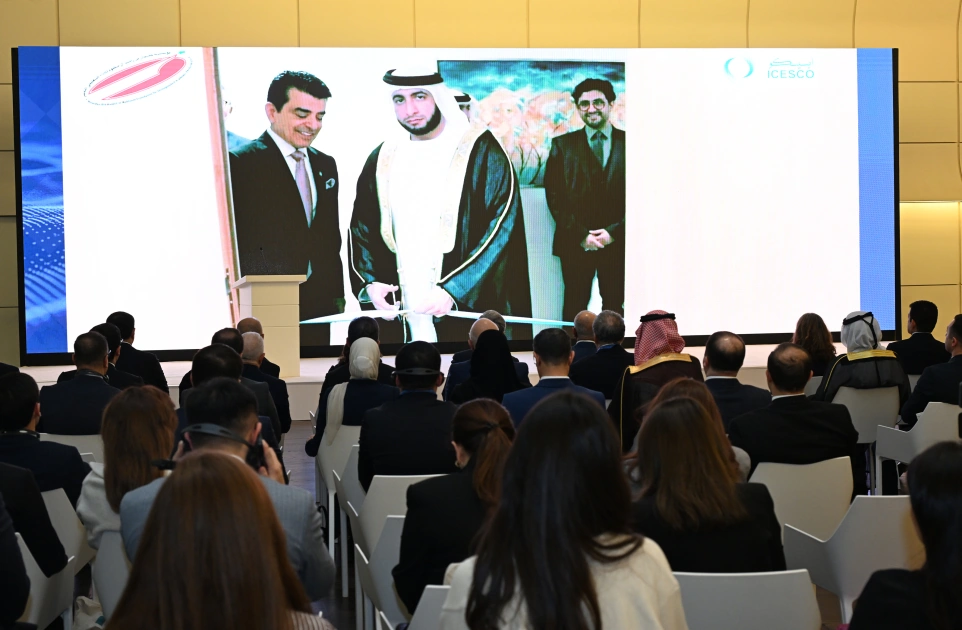
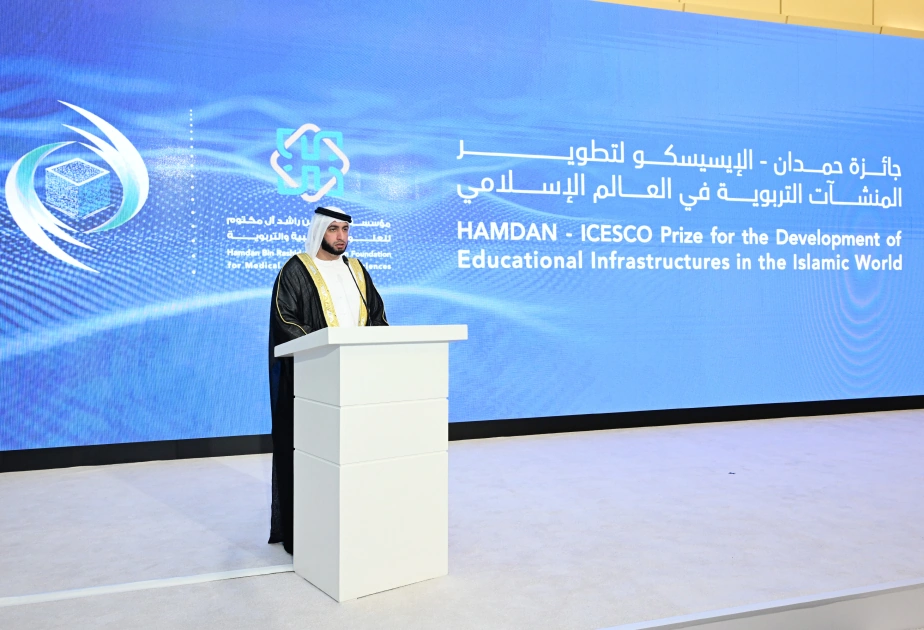
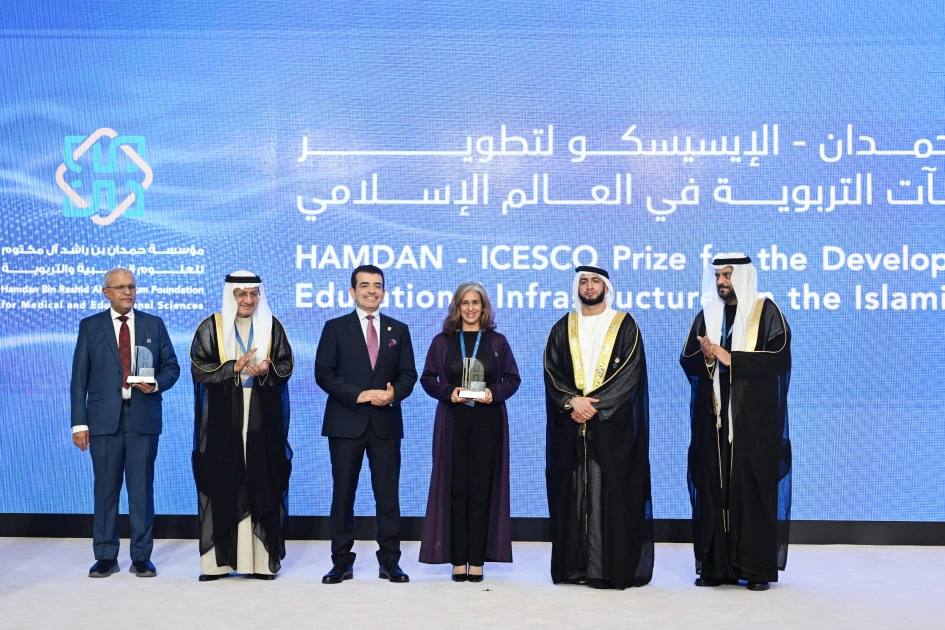
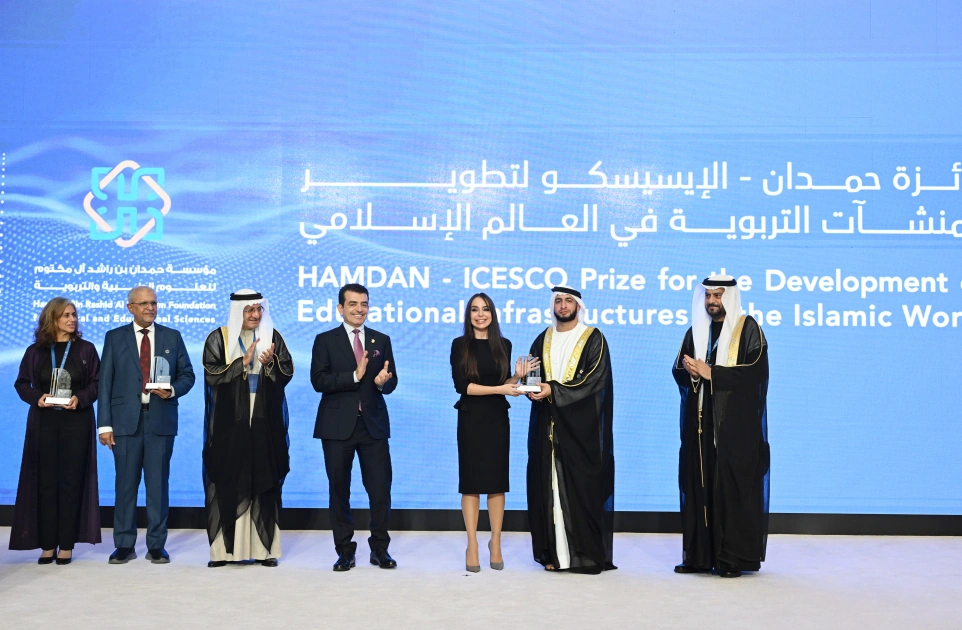
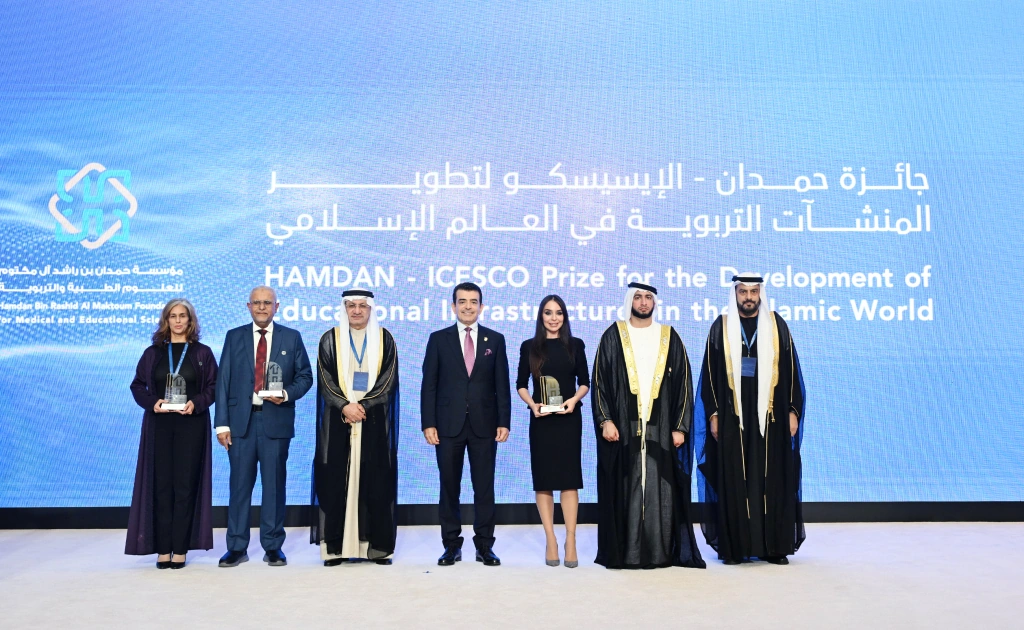
The conference also featured the 4th joint “Hamdan-ICESCO” award
ceremony of ICESCO and the Hamdan Bin Rashid Al Maktoum Foundation.
The award recognizes contributions to developing educational
facilities and supporting the educational environment across the
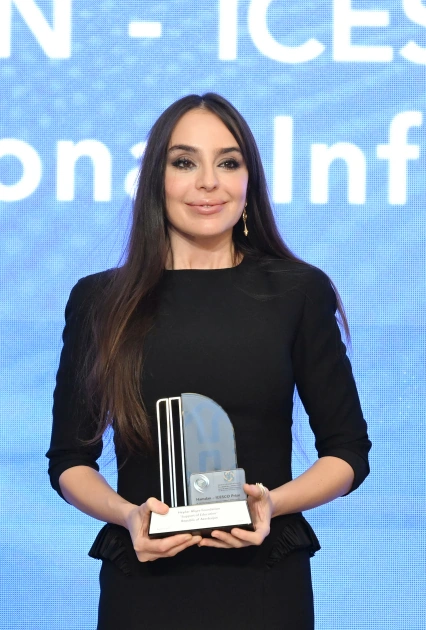
Islamic world. The Heydar Aliyev Foundation received this award in
recognition of its educational and social support projects aimed at
the construction and reconstruction of schools both in the Islamic
world and other countries.
The award was also presented to the Hadhramout Foundation –
Human Development of Yemen and the First Education Foundation of
Morocco.
Addressing the event, Sheikh Rashid bin Hamdan bin Rashid Al
Maktoum, Supreme Chairman of the Hamdan Bin Rashid Al Maktoum
Foundation, congratulated the winners of the “Hamdan-ICESCO” prize,
saying: “Today, you have become a source of pride and inspiration
for charity organizations, donors and benefactors who care about
the educational environment and students. We will not hesitate to
take on the responsibility of promoting the culture and impact of
volunteer efforts in supporting education.”
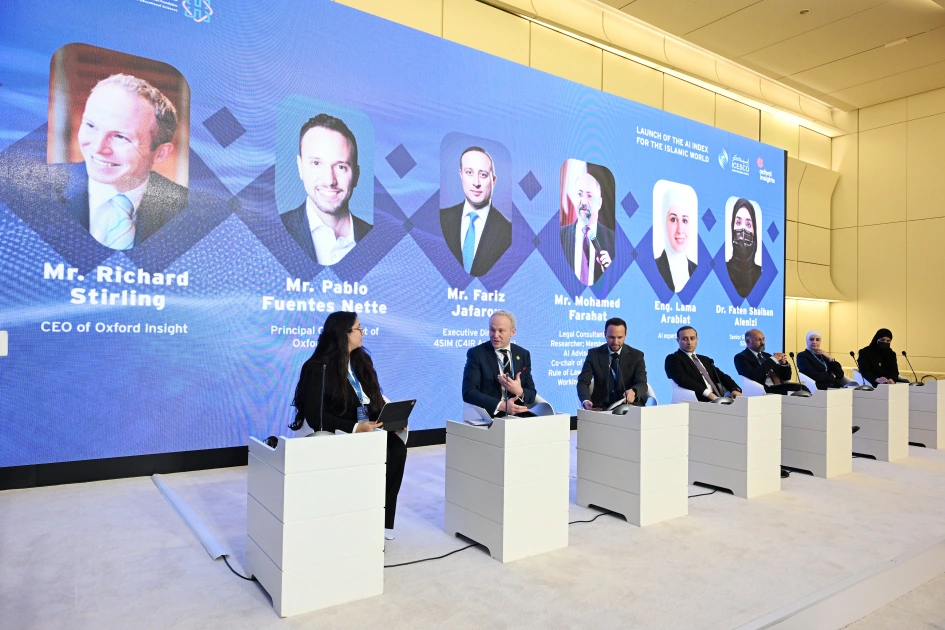
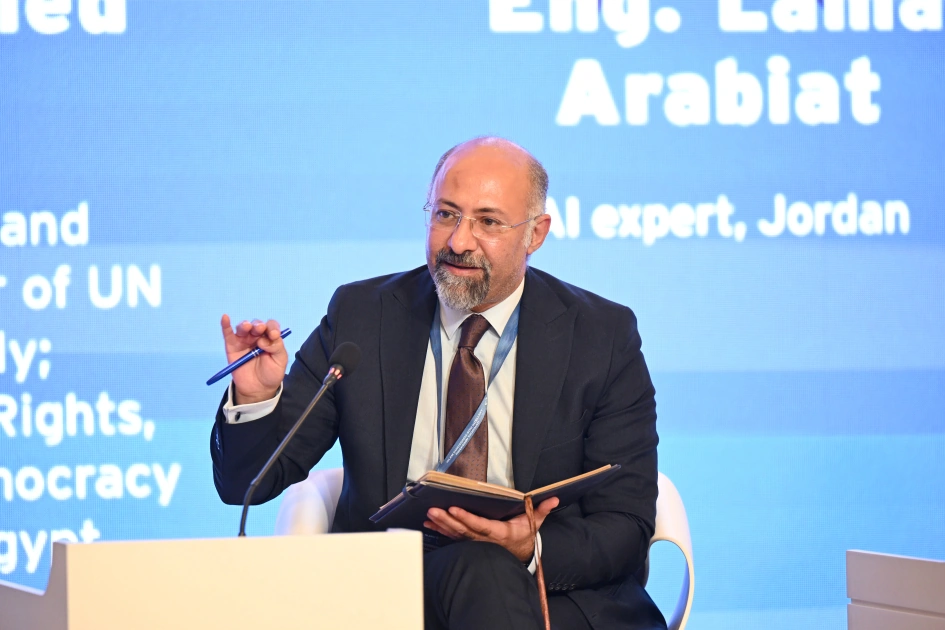
The conference continued with a panel discussion on "Innovation
in education: The impact and opportunities of AI in the Islamic
World."
Prior to the discussions, the speakers emphasized that AI is
already influencing various aspects of our lives and is set to play
a crucial role in the development of future generations.
The discussions highlighted AI's ability to drive progress by
opening new avenues for research, enhancing economic efficiency,
and encouraging the development of future job market-relevant
professions.
Another panel session, moderated by Ouiam Chafik, a
representative of the Foresight and AI center at ICESCO,
underscored the importance of exchanging experiences among
countries, collaboration and enhancing regional initiatives in the
field of AI.
During another panel, the participants emphasized the
significance of strengthening cross-border coordination in the
field of AI, exploring its ethical and socio-economic aspects, and
ensuring sustainable and inclusive technological development. It
was mentioned that these initiatives contribute not only to
technological progress, but also to the human capital development,
improvement of education quality, and advancement of regional
cooperation.
The conference culminated with the adoption of the Baku
Declaration on the AI Index for the Islamic World.
The document mentions that the Islamic world recognizes AI’s
profound impact on societies and economies, welcomes the AI Index
as a vital new tool, aligned with ICESCO's mission, to advance
education, science, and culture in the digital age, while also
recognizing the potential of AI to advance education, health,
cultural preservation, economic development and environmental
management, as well as acknowledging the risks of abuse, inequality
and lack of safeguards.
ICESCO member states and international partners reiterate their
determination to enhance cooperation and their commitment to
ensuring that the values and aspirations of the Islamic world are
represented in international discussions on AI. The member states
declare that the launch of the AI Index in Baku lays the foundation
for a new stage of cooperation for the Islamic world.
The document encourages constructive cooperation with
international organizations, supports the implementation of joint
projects, and confirms a commitment to ensuring peace, development,
and the well-being of future generations. Based on the Declaration,
Member states will be able to develop national artificial
intelligence strategies that incorporate ethical safety measures,
define sector priorities, and ensure inclusive development.
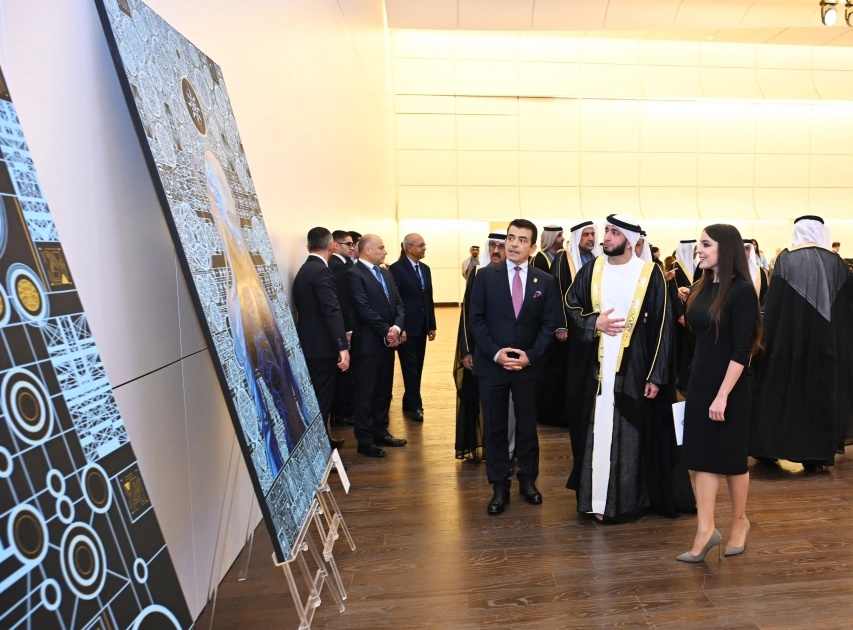
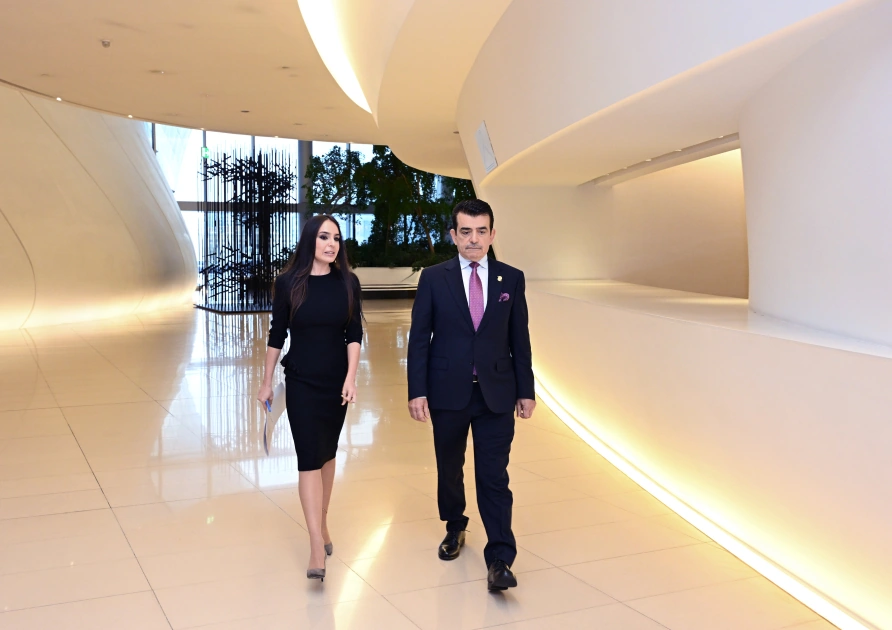
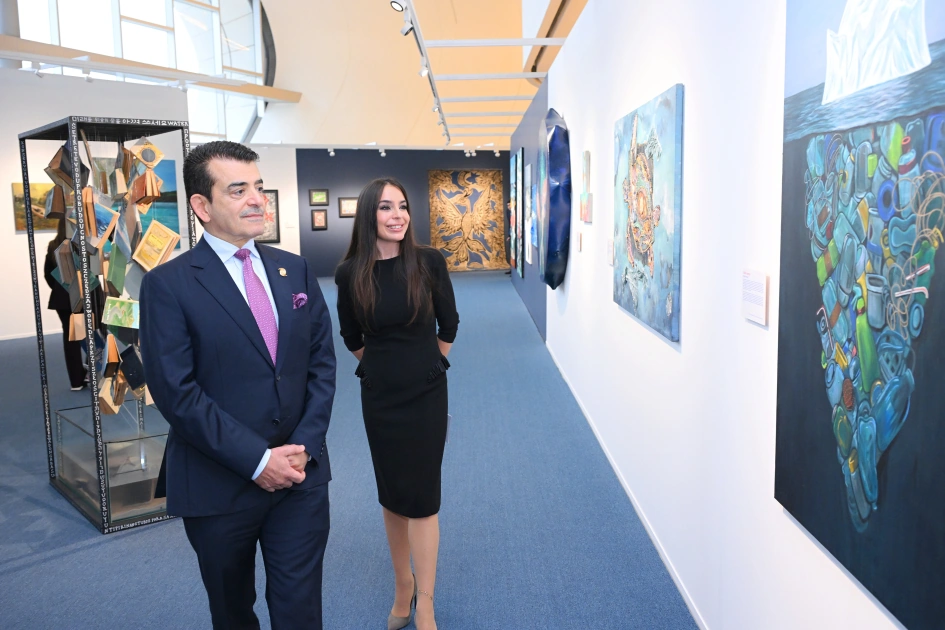
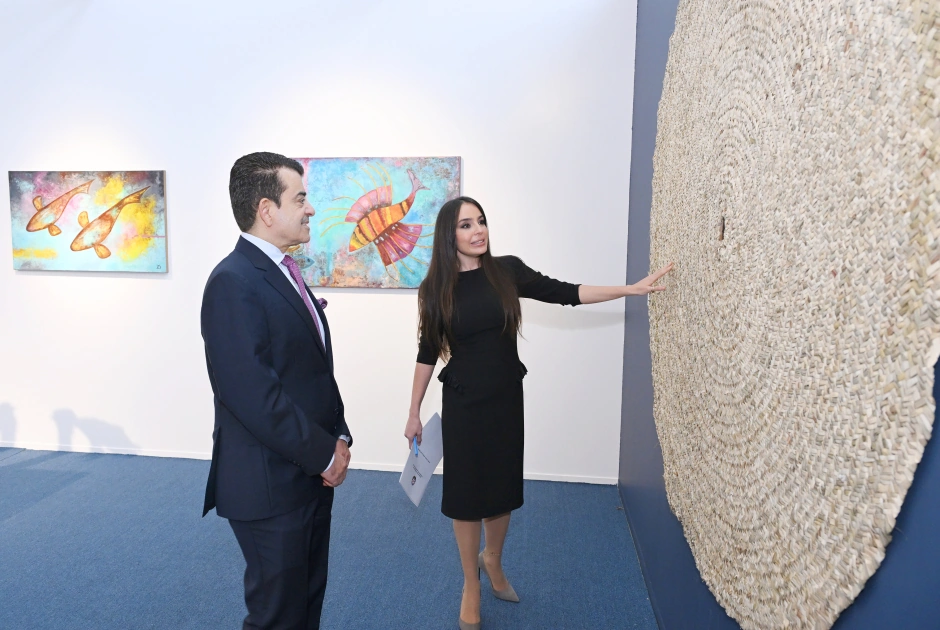
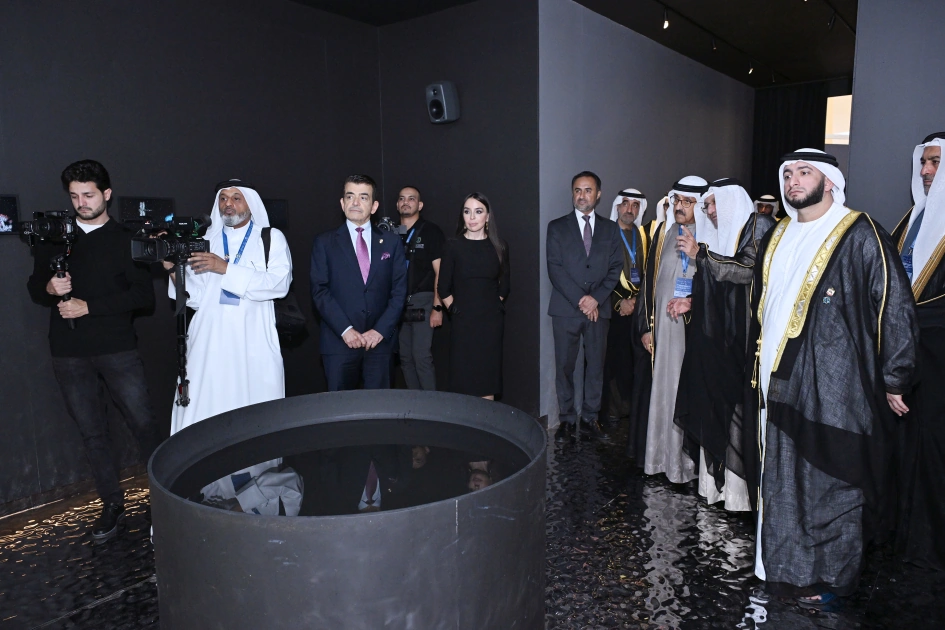
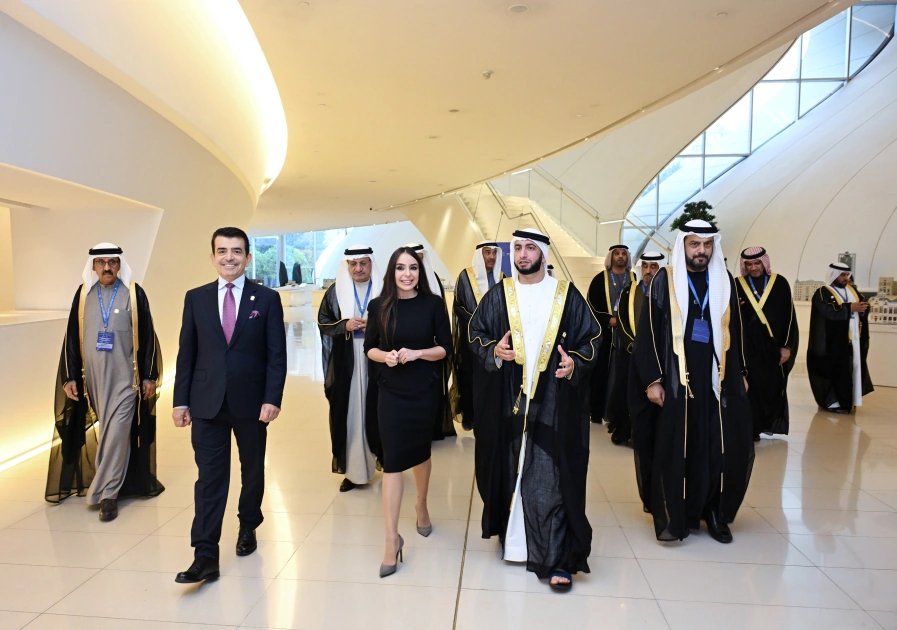
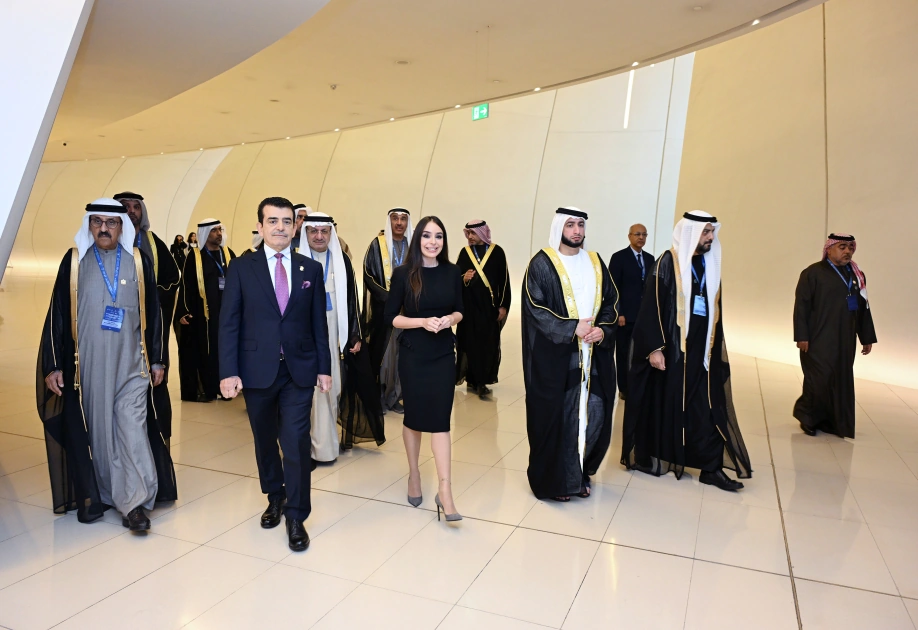
As part of the conference, the guests also viewed the exhibition
“My Seas, My Oceans” presented at the Heydar Aliyev Center, which
highlights the importance of protecting one of the most vital
resources of the planet – water - amid climate change, global
warming, and fragile ecosystems.