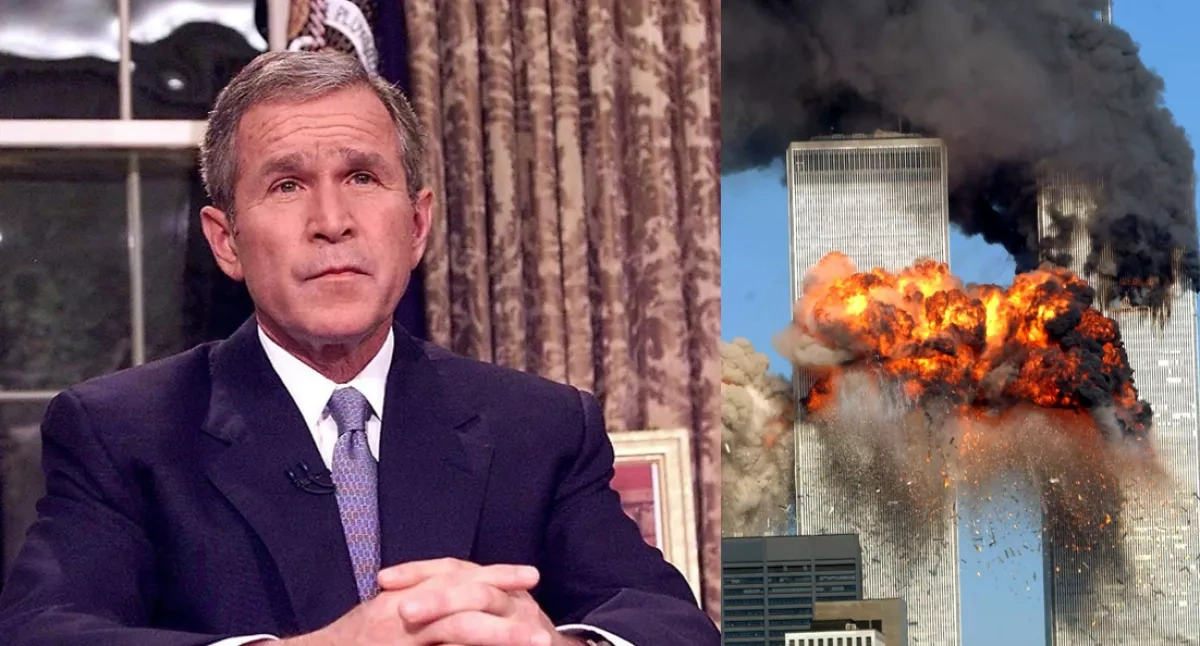
Twenty-five years after the September 11 terrorist attacks set in motion events that would draw countries around the world into prolonged wars, a former high-ranking US official serving at the time has acknowledged that Washington made mistakes in its policies toward Afghanistan and Iraq.
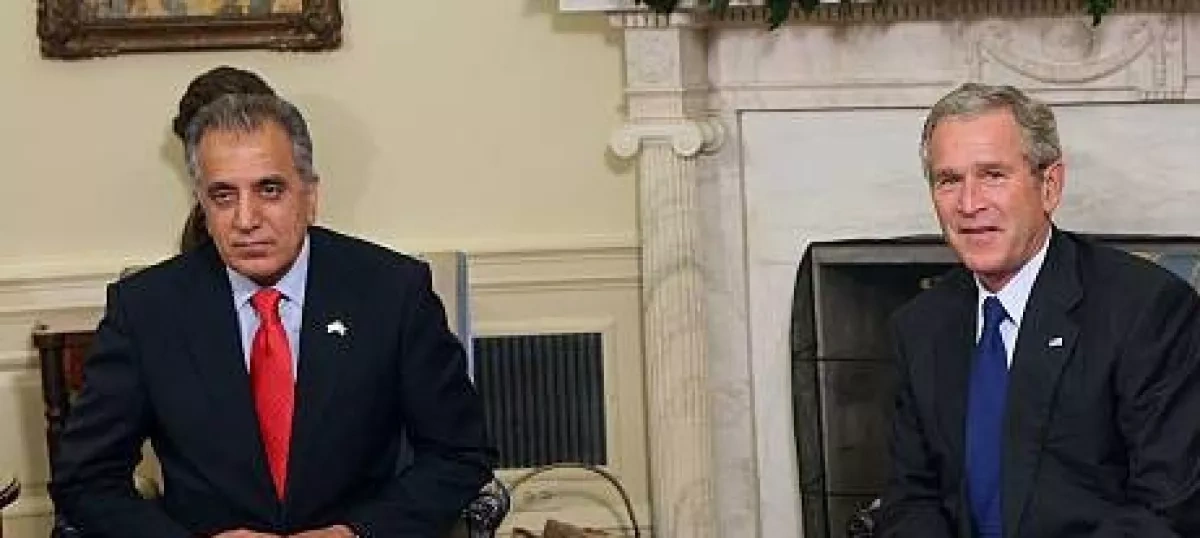
Zalmay Khalilzad said several decisions made in the aftermath of the attacks were shaped by the anger and fear that gripped the United States following 9/11 in the course of an interview with Al Jazeera.
Khalilzad was serving as the senior director of the US National Security Council under President George W. Bush when the attacks took place. He later became US ambassador to Afghanistan, Iraq and the United Nations.
One of the decisions he questioned was Washington’s refusal to negotiate with the Taliban, which was governing Afghanistan when US forces invaded the country. The United States launched its military operation less than a month after the attacks, saying its objective was to target al-Qaeda, which Washington held responsible for 9/11.
Khalilzad said US authorities were concerned about the possibility of further attacks and the presence of “sleeper cells” following September 11, leading them to focus on detaining as many al-Qaeda members as possible. At the same time, he argued that involving the Taliban in Afghanistan’s political process could have produced better results.
According to Al Jazeera, reports at the time indicated that the Taliban had been prepared to reach an agreement with Washington during the first months of the 2001 war, but the United States rejected the possibility.
Khalilzad also questioned the circumstances, analysis and intelligence used to justify the 2003 US invasion of Iraq.
The Bush administration launched the operation on the basis of intelligence assessments that Iraq was close to acquiring weapons of mass destruction, including nuclear capabilities. Those assessments were subsequently shown to be false.
Khalilzad said the United States probably would not have invaded Iraq had the September 11 attacks not taken place. He explained that US authorities did not believe Iraqi leader Saddam Hussein was being truthful about his weapons capabilities and feared that Iraq could be preparing another surprise attack. The Iraq War lasted more than eight years, ultimately resulting in Hussein’s overthrow and execution.
Khalilzad also defended the withdrawal of US forces from Afghanistan, which was completed in 2021 under President Joe Biden. The withdrawal was heavily criticized, including by then-former President and now US President Donald Trump, who described the hasty exit as “the most embarrassing day” in US history.
Within days of the US military’s departure, the Afghan government and military that was heavily backed by Washington collapsed, allowing the Taliban to return to power.
By Nazrin Sadigova