BAKU, Azerbaijan, November 3. Uzbekistan is
seeking to strengthen its position as a regional aviation and
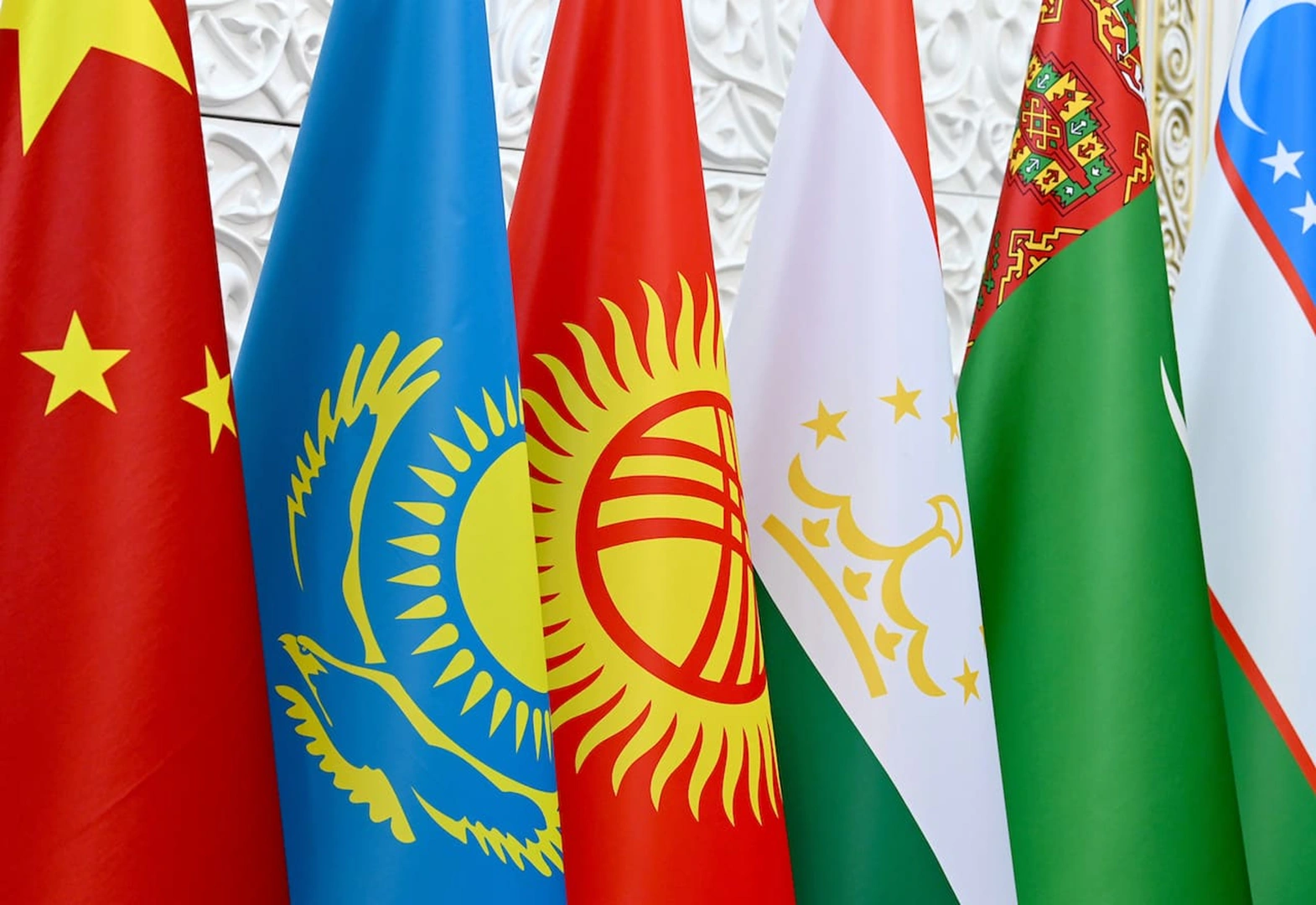
logistics hub as it hosts the third Central Asia–China C5+1 Civil
Aviation Working Group Conference in Tashkent on November 3–5,
bringing together aviation authorities and airline representatives
from six countries to discuss market liberalization, new flight
routes and deeper regional connectivity.
The conference comes amid expanding economic relations between
China and Central Asia, with bilateral trade between the two sides
reaching a record $106.3 billion in 2025, an increase of 12% year
over year, according to China's Ministry of Commerce.
The growing volume of trade, investment and tourism is creating
additional demand for efficient transportation links, placing civil
aviation among the increasingly important areas of regional
economic cooperation.
For Uzbekistan, the meeting represents an opportunity to advance
its aviation development agenda under the Air Silk Road initiative,
strengthen direct connections with Chinese cities and attract
additional international carriers to its rapidly developing
aviation market.
Air Silk Road becomes a new dimension of regional
connectivity
The development of aviation cooperation between China and
Central Asia is part of a broader effort to strengthen economic and
transportation links under the Belt and Road Initiative.
The foundation for the current cooperation was established on
January 24, 2024, when Uzbekistan's Ministry of Transport and
China's Civil Aviation Administration signed an agreement on the
joint creation of the Air Silk Road. The initiative aims to expand
passenger and cargo transportation, liberalize air transport
markets, strengthen commercial cooperation and establish a more
integrated aviation network connecting China with Central Asian
countries.
The first C5+1 civil aviation conference was held in China's
Xi'an in June 2024, creating a permanent mechanism for coordinating
cooperation between China and Kazakhstan, Kyrgyzstan, Tajikistan,
Turkmenistan and Uzbekistan. The second meeting took place in
Astana in August 2025, with discussions covering aviation safety,
transit integration, professional training, new technologies and
the expansion of international routes.
The decision to hold the conferences annually and rotate their
hosting among participating countries reflects the growing
importance attached to aviation as a component of regional economic
integration.
The upcoming meeting in Tashkent is expected to focus on
implementing existing agreements and identifying new areas of
cooperation, including the harmonization of aviation regulations,
market liberalization, joint projects and the expansion of regional
flight networks. This approach is particularly relevant given the
different levels of aviation market development across Central
Asia. Coordinated policies could help reduce administrative
barriers, improve operational compatibility and create more
favorable conditions for airlines seeking to expand their regional
presence.
For China, stronger aviation connections offer additional
opportunities to facilitate trade, tourism and investment with a
region that is becoming increasingly important in its international
economic strategy.
According to China's Ministry of Commerce, trade with the five
Central Asian countries exceeded $100 billion for the first time in
2025. Chinese exports to the region reached $71.2 billion, while
imports totaled $35.1 billion.
The expansion of commercial relations is also increasing the
need for faster transportation of business travelers, technical
specialists and high-value goods, creating additional opportunities
for the development of air services.
Uzbekistan seeks to capitalize on growing aviation
demand
Uzbekistan's efforts to strengthen aviation cooperation with
China coincide with significant growth in its domestic air
transport market.According to Uzbekistan Airports, the country's
airports handled 12.66 million passengers from January through
September 2026, up 13% year over year. The number of flights
increased 10% to 102,836, while cargo and mail handling rose 27% to
84,800 tonnes. In 2025, the country's airports handled 98,137
tonnes of cargo and mail, a 12% increase from the previous
year.
President Shavkat Mirziyoyev has identified transforming
Uzbekistan into an international aviation hub as a strategic
objective. Speaking at the groundbreaking ceremony for a new
international airport in the Tashkent region on October 15, 2025,
he outlined the country's ambition to strengthen its global
connectivity.
"Ultimately, our goal is to turn Uzbekistan into a major
aviation hub connecting East and West, North and South," Mirziyoyev
said.
He also announced plans to increase the national aircraft fleet
to 180, expand the number of routes to 230 and raise annual
domestic and international flight volumes to 200,000 over the
following five years.
These targets provide a strategic framework for Uzbekistan's
participation in the Air Silk Road initiative, with stronger
connections to China and other Central Asian countries expected to
contribute to the expansion of its international aviation
network.
The expansion of direct connections with China is particularly
important as bilateral tourism and business exchanges continue to
grow. China Eastern Airlines entered the Uzbek market in July 2025
with regular Xi'an–Tashkent flights and subsequently launched the
Shanghai–Tashkent route on March 30, 2026. The latter operates four
times a week using Airbus A330 aircraft.
Chinese carrier Loong Air also operates scheduled services
connecting Xi'an and Chengdu with Tashkent, as well as Xi'an with
Samarkand.
The growing route network is supported by increasing tourist
flows. More than 278,900 Chinese citizens visited Uzbekistan in
2025, while 223,500 visitors arrived during the first six months of
2026 alone, according to Uzbekistan's Tourism Committee. These
figures indicate that the development of direct air services is
responding to existing demand for travel rather than relying
exclusively on anticipated future growth.
The expansion of aviation links also supports Uzbekistan's
broader tourism development strategy, which seeks to attract more
international visitors to Samarkand, Bukhara, Khiva and other
destinations.
In this context, the development of direct connections between
Chinese cities and regional Uzbek airports could help diversify
international passenger flows, reduce reliance on Tashkent as the
primary entry point and increase economic activity outside the
capital.
The government's efforts to improve the country's international
connectivity are also consistent with President Shavkat
Mirziyoyev's broader economic modernization agenda, which
emphasizes attracting foreign investment, expanding tourism and
strengthening Uzbekistan's role in international transportation
networks.
Liberalization could reshape the regional aviation
market
Market liberalization is expected to be another key topic at the
Tashkent conference, as reducing regulatory barriers could boost
competition, lower ticket prices and expand international flight
networks.
Currently, regional aviation is shaped by bilateral air service
agreements, flight-frequency restrictions and differences in
national regulations. Easing these constraints could allow airlines
to introduce new routes, increase flight frequencies and improve
connectivity across Central Asia.
Kazakhstan's experience offers an example of this approach.
During the first C5+1 conference in Xi'an in 2024, Kazakhstan and
China agreed to expand flight frequencies and introduce additional
opportunities for international operations, including fifth-freedom
traffic rights. These rights allow airlines to transport passengers
or cargo between two foreign countries as part of a route
connecting them with their home country.
For Uzbekistan, further liberalization could attract more
Chinese carriers, strengthen competition and expand access to
international destinations. However, its success will depend on
harmonizing aviation standards, simplifying regulatory procedures
and ensuring that new routes remain commercially viable.
Ultimately, closer regulatory coordination could help transform
Central Asia's fragmented aviation market into a more integrated
regional network.
Air cargo offers another dimension of
cooperation
Beyond passenger services, air cargo could become an important
driver of China–Central Asia cooperation as expanding trade
increases demand for faster transportation of high-value and
time-sensitive goods, including electronics, pharmaceuticals,
industrial components and perishable agricultural products.
For Uzbekistan, stronger air cargo connections could improve
exporters' access to international markets and strengthen the
country's role in regional supply chains. However, this will
require investment in cargo terminals, specialized storage
facilities, customs infrastructure and airport logistics.
Integrating air transportation with existing railway and road
networks will also be essential. Rather than replacing established
transport corridors, the Air Silk Road could complement them by
providing faster delivery options and strengthening Uzbekistan's
multimodal connectivity with China, Central Asia and markets
farther west.
Outlook: From bilateral agreements to regional
integration
The third C5+1 Civil Aviation Working Group Conference in
Tashkent comes at a time when China–Central Asia economic relations
are expanding and regional governments are placing greater emphasis
on transportation connectivity.
For Uzbekistan, the meeting provides an opportunity to
strengthen its cooperation with China while advancing its broader
objective of becoming a more important regional transport and
logistics center. The country's growing passenger traffic,
expanding network of direct flights to Chinese cities and rising
number of Chinese visitors provide a foundation for further
aviation development.
The Air Silk Road's long-term success will depend on
participating countries' ability to translate commitments into
tangible results, including new routes, increased flight
frequencies, stronger airline partnerships, expanded cargo
operations and harmonized aviation regulations.
Stronger air links between China and Central Asia could also
create additional opportunities for connections with the South
Caucasus, the Middle East and European markets, particularly when
integrated with existing land-based transport corridors.
For Uzbekistan, this presents an opportunity to leverage its
geographical position and ongoing economic reforms to attract
investment, strengthen international business connections and
increase the contribution of transportation and tourism to economic
growth.
Ultimately, the development of an integrated regional aviation
network will depend on coordinated policies, infrastructure
modernization and a competitive operating environment across
participating countries.