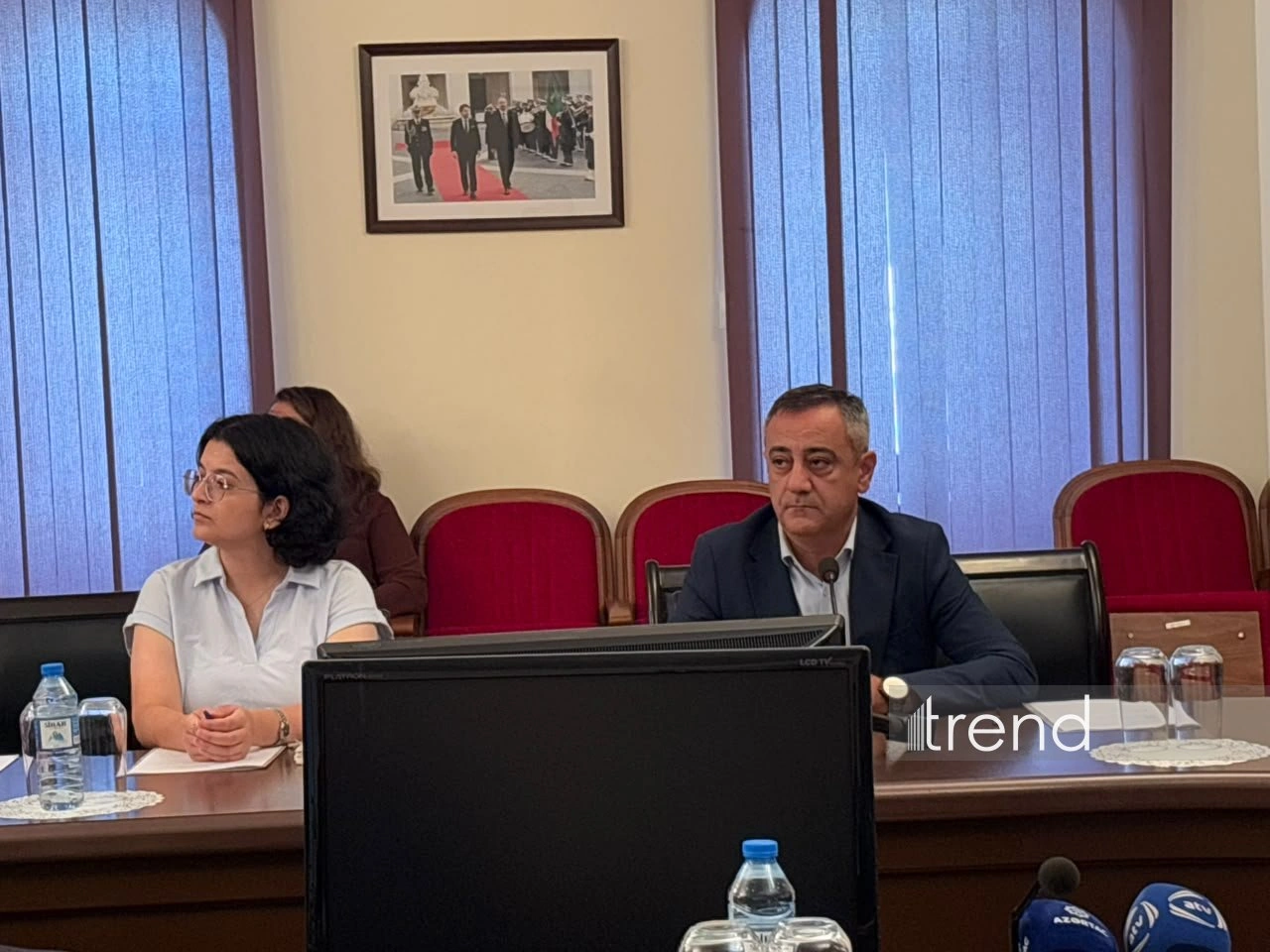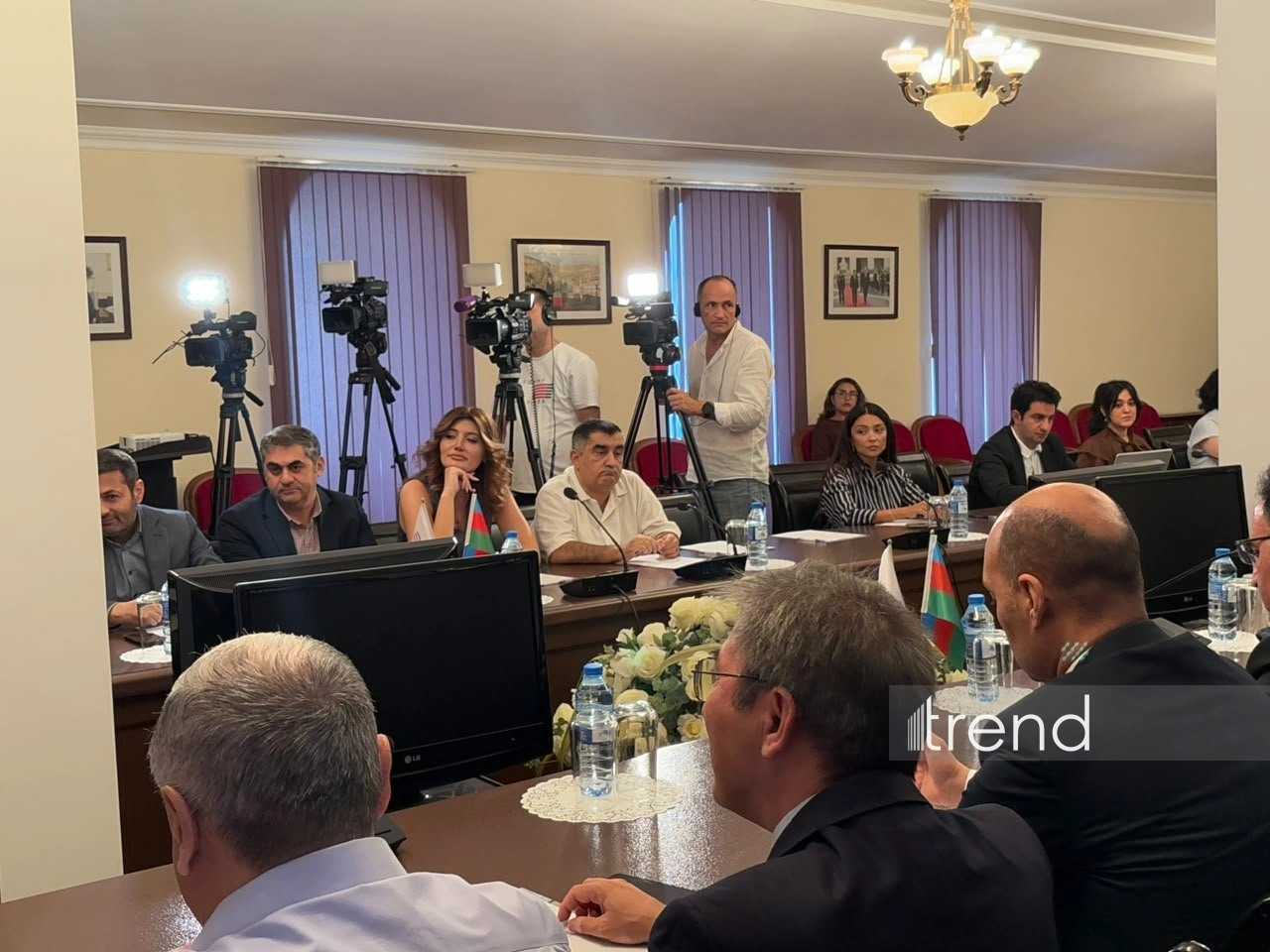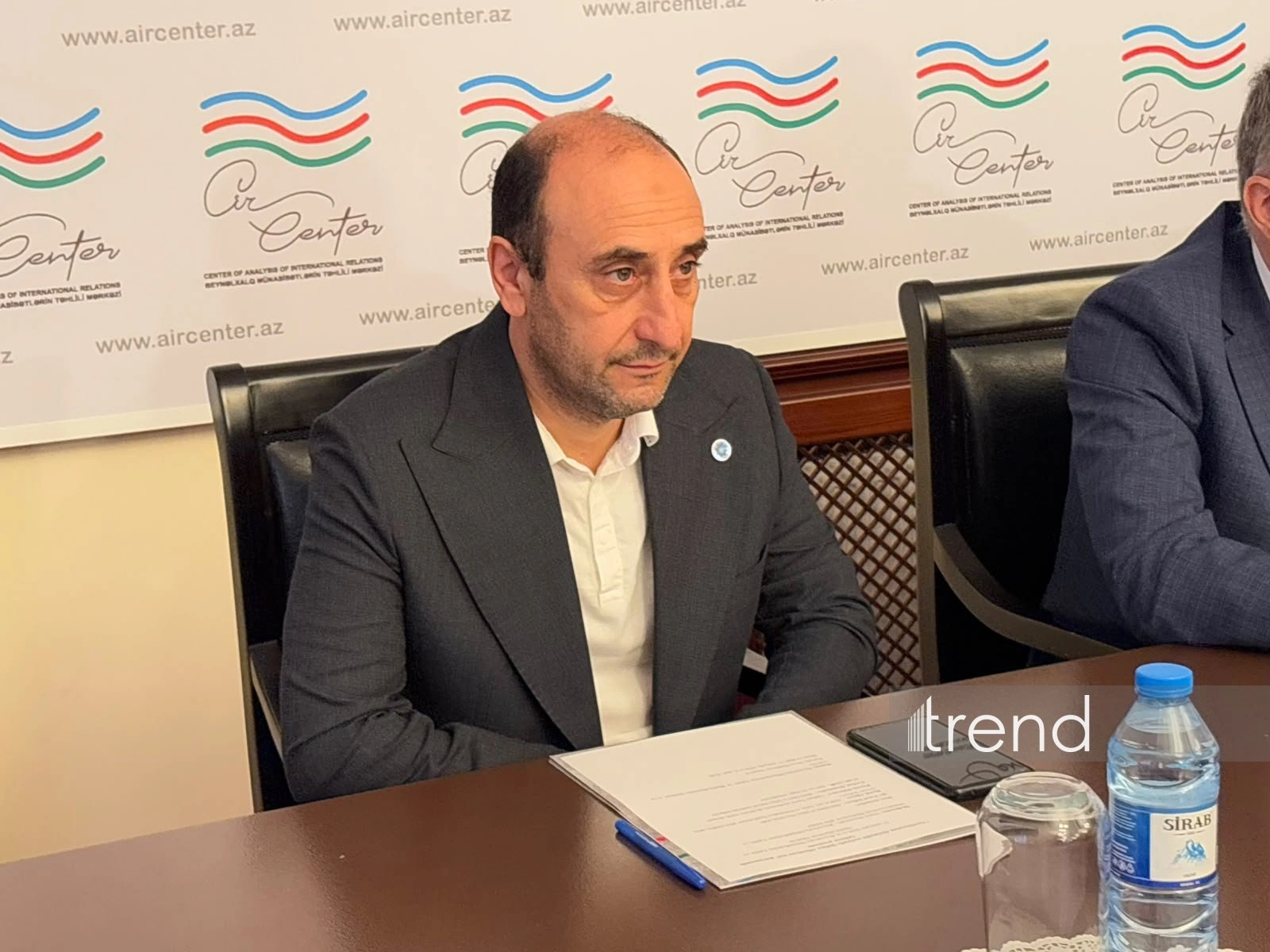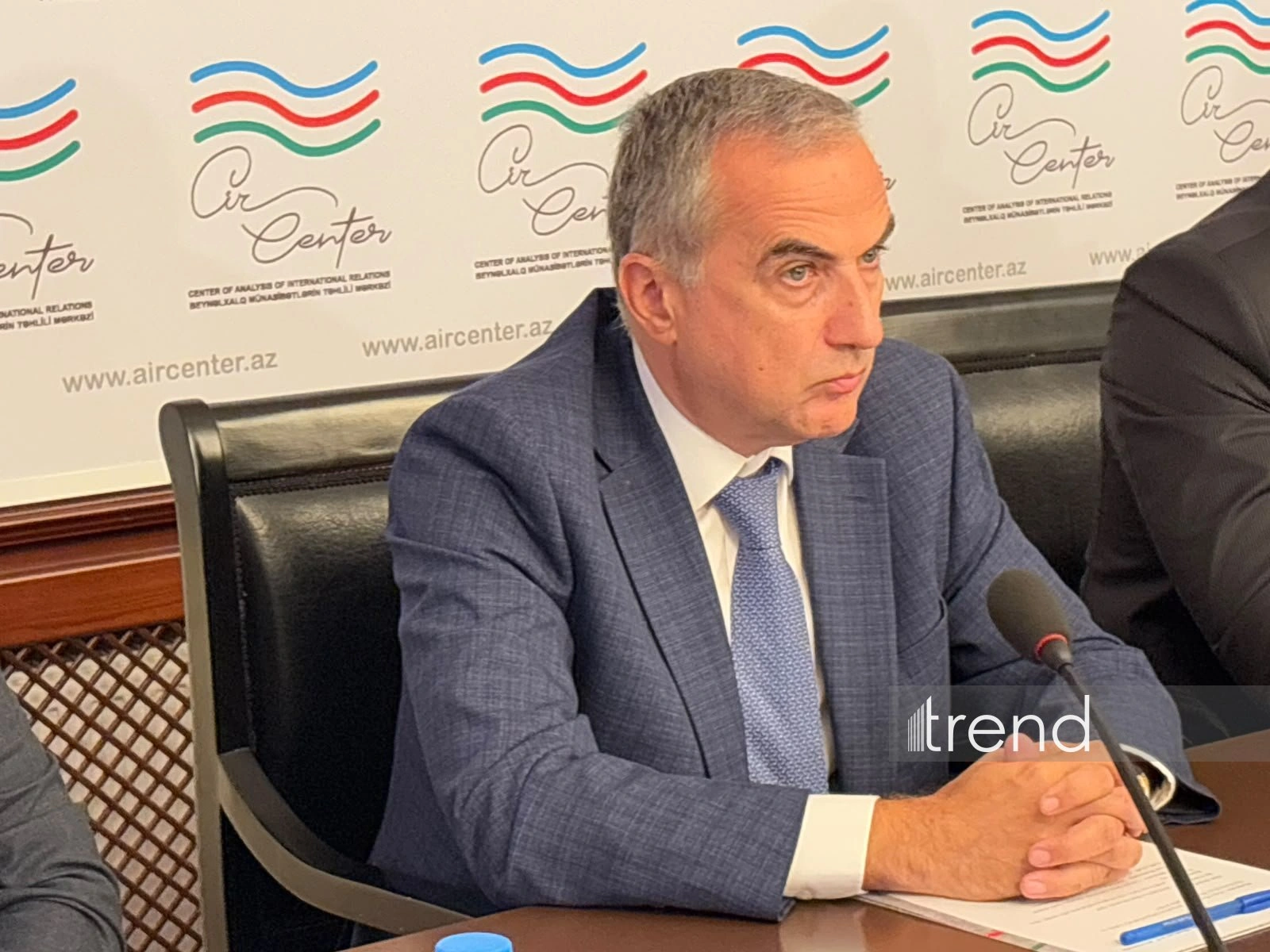
BAKU, Azerbaijan, September 21. The Center for
the Analysis of International Relations and Multiculturalism held
an event on the topic “The Legacy of Caucasian Albania in the
History of Azerbaijani Statehood,” Trend’s correspondent reports from the
event.
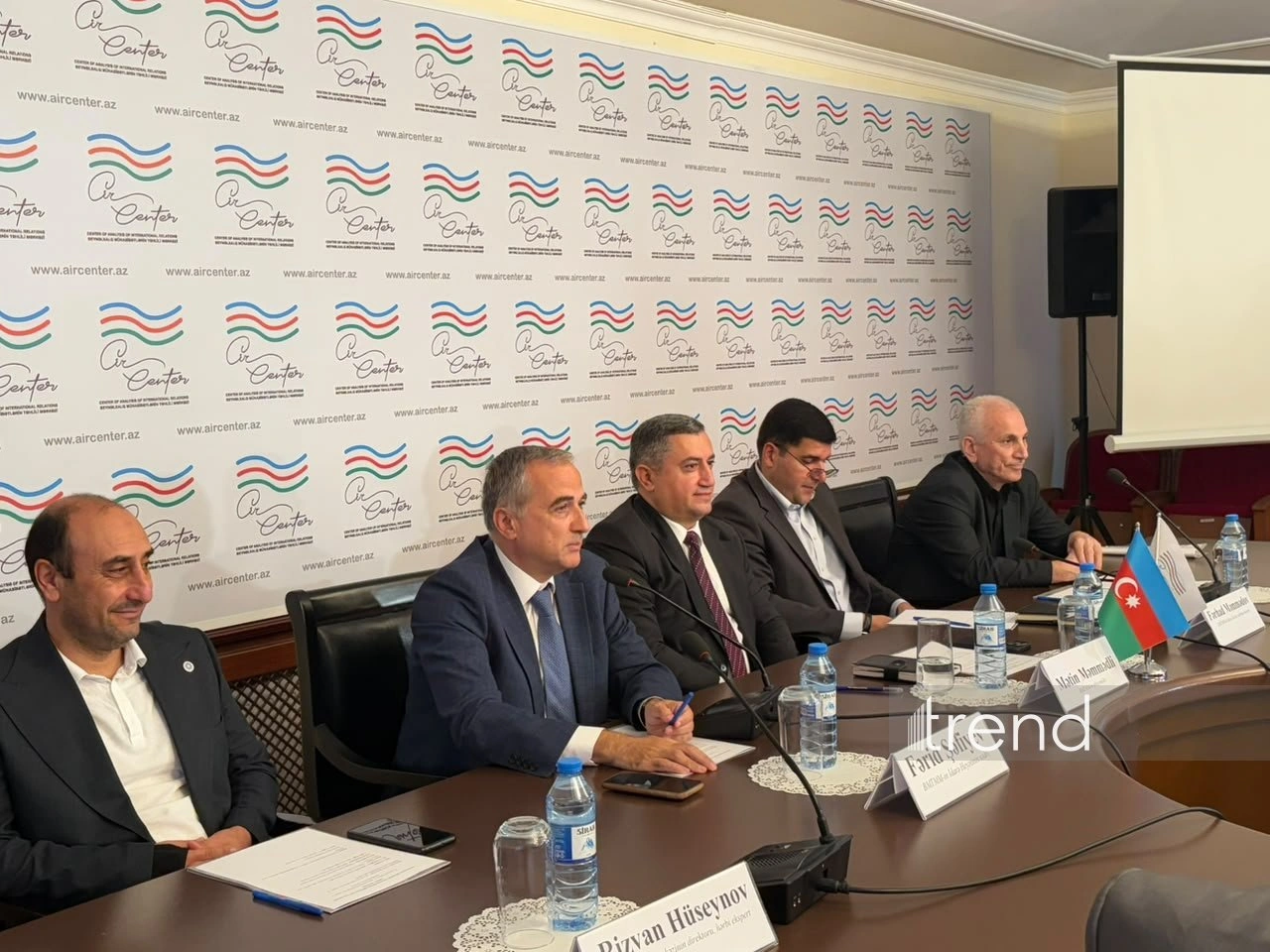
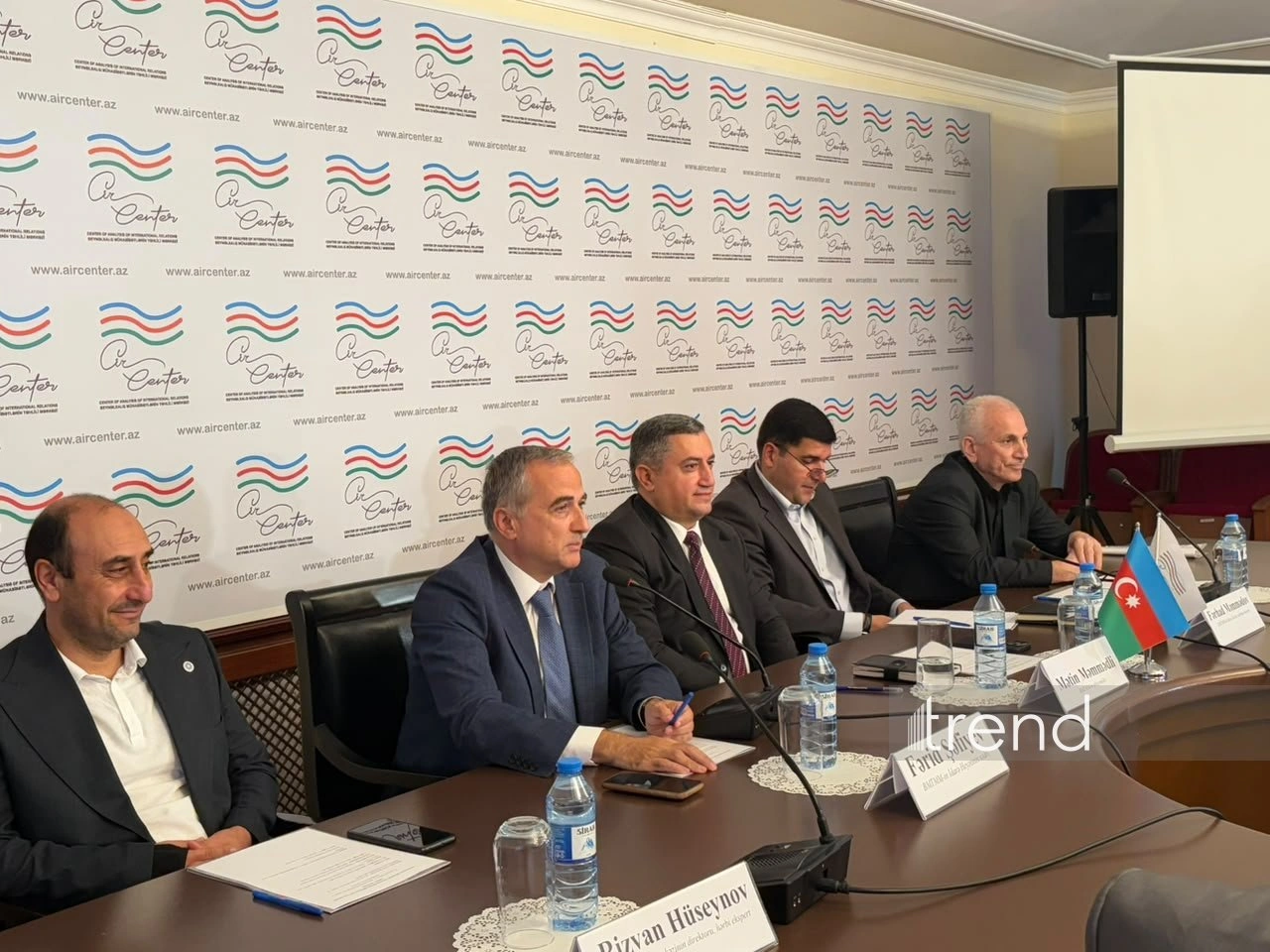
The event was attended by Farid Shafiyev, Chairman of the Board
of the Center for the Analysis of International Relations and
Multiculturalism (AIR Center), Rizvan Huseynov, head of the
department at the Institute of History and Ethnology of the
National Academy of Sciences, Doctor of Historical Sciences,
director of the Center for the History of the Caucasus, and
military expert; Farhad Mammadov, deputy chairman of the AIR
Center’s board; as well as renowned historians, political
scientists, and media representatives.
In his remarks, AIR Board Chairman Farid Shafiyev emphasized the
importance of studying the legacy of Caucasian Albania from both
academic and political perspectives. He noted that, from an
academic standpoint, the history of Caucasian Albania debunks the
fictitious notion of “Great Armenia” and its territorial claims.
“Many states existed on the territory of Azerbaijan, and each of
them left its mark on our statehood and our national identity.
These issues should be thoroughly researched; work in this
direction is underway, and books are being published. But
experience shows that whenever a gap arises here, they take
advantage of it.
There are various churches on our territory, and we preserve
them, including the Armenian one. Recent events show that radicals
in Armenia are found not only in the opposition but also within the
state,” Shafiyev emphasized.
Rizvan Huseynov, director of the Caucasus Historical Center and
a military expert, noted that until 1909, Armenians had never
opened the doors of the Ganjasar Monastery.
He said that three churches in Karabakh are important to the
entire Christian world:
“That is, there are three churches not only for Karabakh, not
only for Caucasian Christianity, but for all Christians. One is
Ganjasar, one is Khudaveng, and one is Amaras (Aghoghlan). Why?
According to them,
the head of the prophet John is buried in Ganjasar. John the
Evangelist played a major role in the coming of the Prophet Jesus
and himself suffered a martyr’s death.
The second, of course, is Amaras - Aghoghlan. Saint Gregory is
buried there. The young Gregory was the first Catholicos-Patriarch
of Albania. The third is Khudaveng. Saint Thaddeus is also buried
there. After the anti-terrorist measures, in the very first
footage, we saw that the Armenians had dug up and removed all those
bones, that is, the body of Saint Thaddeus. In essence, this is
barbarism; we must emphasize this, and the entire Christian world
must see it.” This is barbarism.
Farhad Mammadov, Deputy Chairman of the Board of the Center for
the Analysis of International Relations and Multiculturalism, noted
in his speech that the Armenian Church is the largest revanchist
force in Armenian society.
“Revanchist sentiments in Armenian society and their
institutional support stem precisely from this institution. I
believe that our lawyers and historians must strengthen our
position in this regard. It is no coincidence that our historian
Ismayil Mammadov made the remarkable observation that in
discussions with Armenians, the Armenians try to prove that
everything belongs to them, while we try to prove that it belongs
to us. This is because Azerbaijan has a rich history, while the
Armenians have historians,” he emphasized.
Will be updated