BAKU, Azerbaijan, September 21. Uzbekistan and
Germany discussed expanding environmental cooperation during
today's talks in Tashkent, focusing on joint projects under GIZ
programs, including the Green Central Asia initiative.
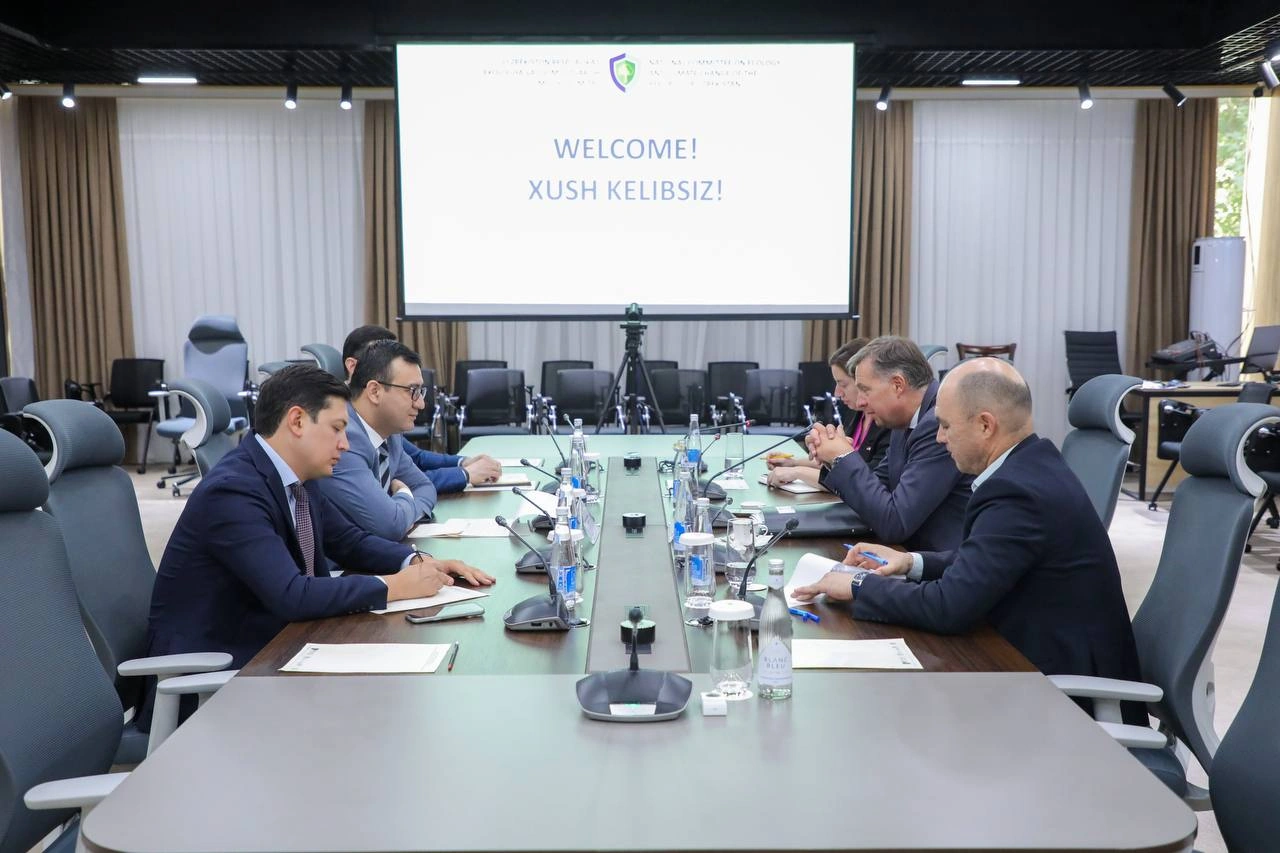
This was reflected in the statement by the National Committee on
Ecology and Climate Change of Uzbekistan, following the talks
between Iskandar Kutbiddinov, deputy chairman of the National
Committee for Ecology and Climate Change, and Stefan Mayer, a
member of Germany’s Bundestag and the Foreign Affairs
Committee.
The sides discussed expanding cooperation under the Green
Central Asia initiative and the regional ILUCA program through
practical projects, technology exchanges and professional
training.
Uzbekistan also proposed a joint pilot project to digitally
monitor protected natural areas.
“The Uzbek side proposed implementing a joint pilot project on
digital monitoring of protected natural areas using SMART patrols,
camera traps, geospatial technologies and artificial intelligence,”
the committee said.
The Uzbek side also proposed cooperation with German expert and
scientific organizations to help preserve saiga migration routes
and attract technical and methodological support.
The meeting also covered Uzbekistan’s ongoing environmental
reforms, including efforts to improve air quality, conserve
biodiversity, modernize waste management, expand green areas and
strengthen environmental education.
Education and professional training were another area of
discussion. Uzbekistan proposed expanding cooperation between Green
University and German universities and research institutions
through joint summer schools, faculty and student exchanges, and
joint research.
It also proposed expanding German-language education at 14 green
technical colleges affiliated with Green University. Mayer
expressed readiness to help establish contacts with German partners
and support the creation of German-language centers and classes at
the colleges.
The sides further discussed exchanges of experts in
environmental regulation, certification, standardization, best
available technologies, circular economy and waste management.
They agreed to continue implementing joint projects under GIZ
programs, expand cooperation in digital environmental monitoring
and scientific and educational fields, and strengthen the
participation of German companies and research organizations in Eco
Expo Central Asia 2027, which is planned to be held in
Tashkent.