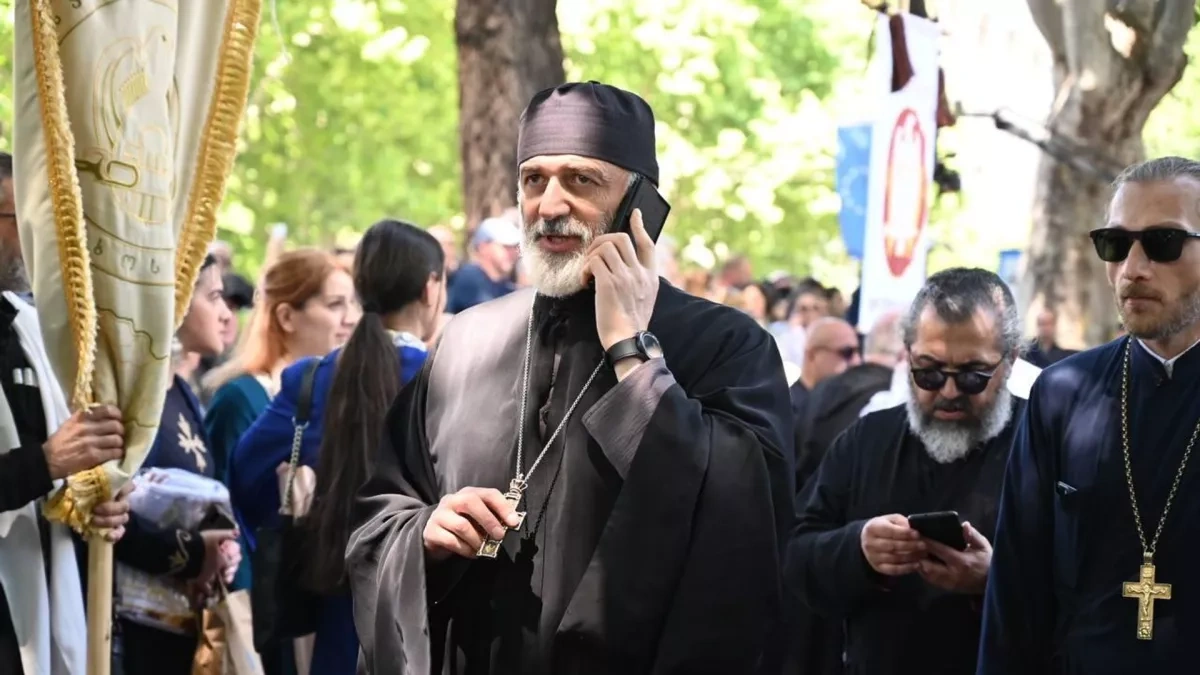
For Georgia’s opposition, one of the most difficult institutions to deal with remains the Georgian Orthodox Church (GOC), which enjoys considerable authority and public support. Opposition politicians are therefore compelled to demonstrate their loyalty to the Church, while the GOC as an institution has not backed their protest actions. The exceptions have been individual members of the clergy.
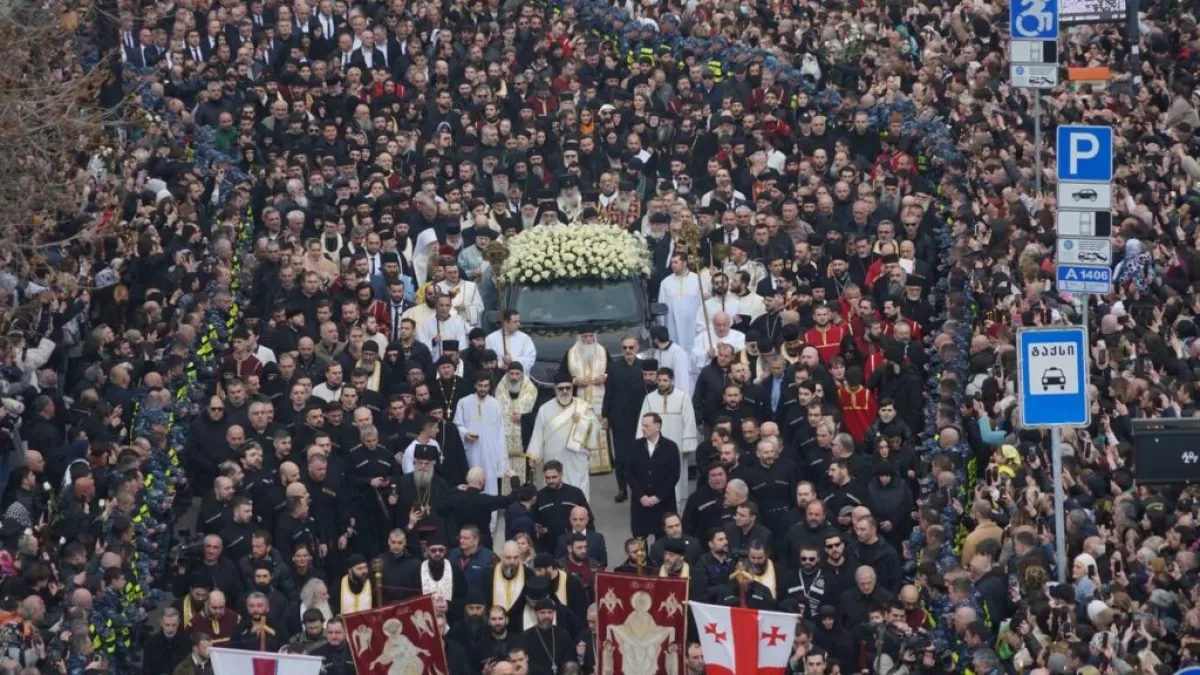
This contrast became particularly evident following the death of Catholicos-Patriarch Ilia II. Thousands of people gathered in Tbilisi on March 22 to pay their final respects, with many residents from the regions and members of the Georgian diaspora travelling to the capital. Ilia II died on March 17 at the age of 93 and was buried at Sioni Cathedral.
At the same time, government spending on the funeral proved to be significantly lower than the amount initially allocated. On March 20, the government allocated 5.59 million lari from the reserve fund to six agencies, including 3 million lari for the Ministry of Culture. In the end, however, actual expenditure amounted to around 2.56 million lari, with the Ministry of Culture spending only 722,600 lari. In May, the government adjusted the allocations to reflect actual expenditure.
The Patriarchate explained that organisations and private individuals who provided various services had, in most cases, waived their fees and labour costs.
According to Archpriest Andria Jaghmaidze, head of the Patriarchate’s Public Relations Service, many of the expenses were covered by the service providers themselves or by benefactors.
It was precisely the issue of transparency surrounding these expenses that sparked a new political dispute. Transparency International Georgia demanded the disclosure of information on which contractors received funds from the Ministry of Culture, what services they provided, how much they were paid and on what basis they were selected. The organisation also stated that the public does not know how the funds allocated to the other five agencies were spent.
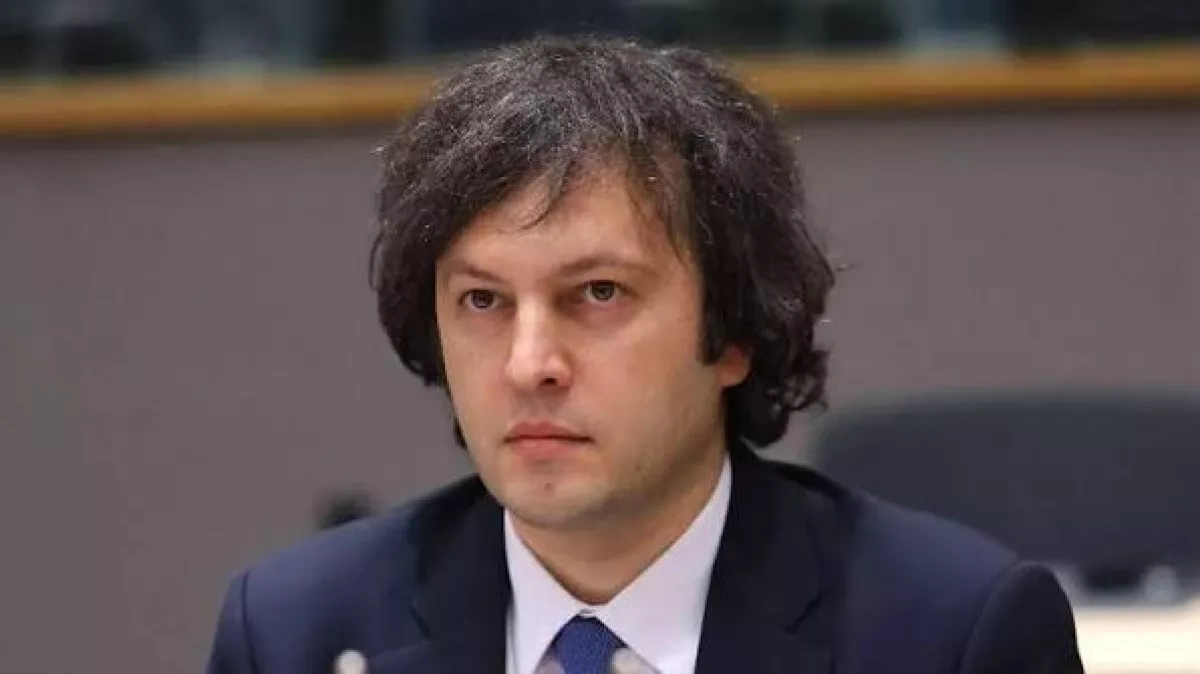
Prime Minister Irakli Kobakhidze promised to provide detailed information on the expenditure. Commenting on possible corruption allegations, he said: “If someone had wanted to steal the money, they would have made good use of the 3 million.”
The dispute concerns not so much the amount of government spending itself — which turned out to be substantially lower than initially planned — as the transparency of how the funds were used. At the same time, some questions do remain unanswered publicly, particularly the lack of detailed information about the Ministry of Culture’s contractors.
To understand the public significance of Ilia II, it is also important to take into account his role in Georgia’s demographic policy. In 2008, the Patriarch launched a programme of mass baptisms, becoming the godfather of third and subsequent children in Orthodox families. By 2026, the number of his godchildren had exceeded 50,000. The programme continued after his death, with the new Patriarch Shio III holding another mass baptism ceremony in June.
The authority of Ilia II and the Georgian Orthodox Church remains an important factor in Georgian public life. Therefore, any attempt to frame the issue of spending on his funeral purely in political terms inevitably touches on the broader debate over the role of the Church in modern Georgia.
For the opposition and NGOs associated with it, financial transparency in public spending is a matter of public accountability. For supporters of the GOC, by contrast, demands to disclose details of private donations and waived fees may be perceived as interference in religious and charitable practices. It is at the intersection of these two approaches that the current dispute over spending on Ilia II’s funeral has unfolded.
By Vladimir Tskhvediani, Georgia, exclusively for Caliber.Az