For people across England’s Midlands, 2026 may be remembered as the year climate change stopped feeling like a distant threat and became an increasingly visible reality.
A BBC analysis says the region has experienced a striking succession of extreme weather and environmental problems this year — from relentless winter rainfall and drought to repeated heatwaves, wildfires and the spread of climate-sensitive diseases affecting livestock.
The changes are not new. Climate change has been documented in the Midlands for years through flooding, dry spells and rising temperatures. But the combination and intensity of events in 2026 have made its effects increasingly difficult to ignore, according to the BBC.
The year began with a winter marked by persistent rainfall. The rain eventually stopped, but conditions quickly shifted towards drought.
That was followed by repeated periods of extreme heat, with temperatures and prolonged dryness leaving vegetation severely dehydrated.
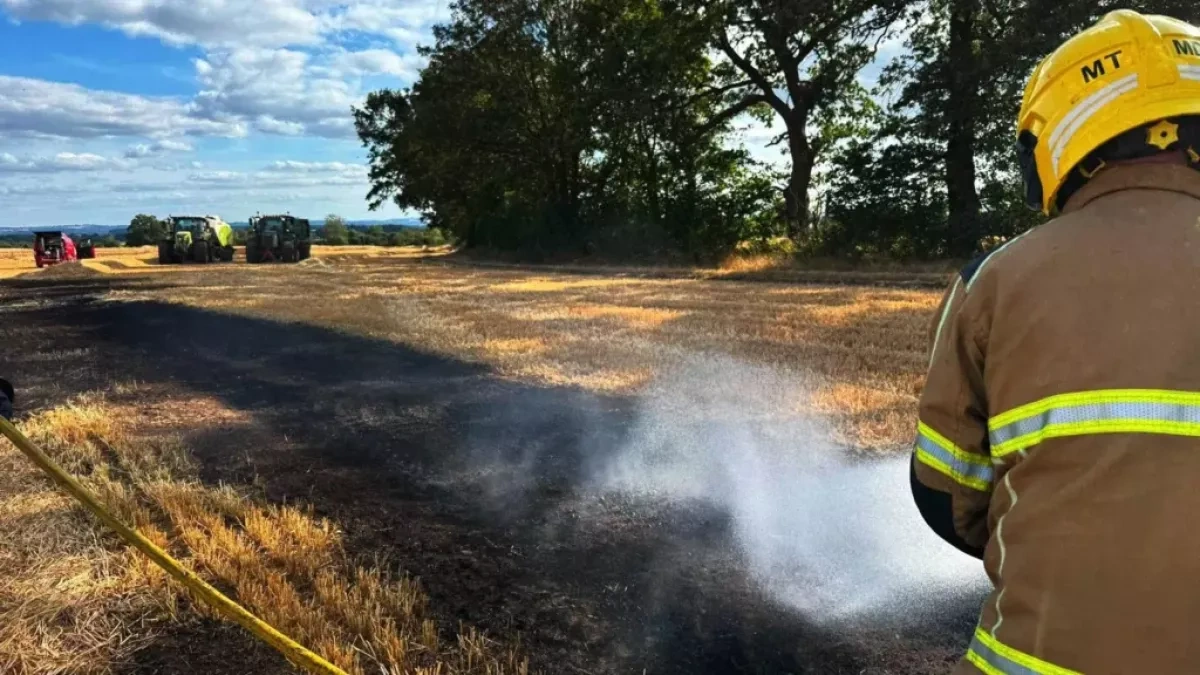
The dry conditions contributed to wildfires, including fires on Cannock Chase in Staffordshire. BBC reporting from the area documented the damage left behind after the fires, including blackened ground and impacts on local wildlife.
Dead adders were found in the aftermath, while eggs belonging to ground-nesting birds were cracked and burned. The consequences extended beyond wildlife: ash from the fires has altered the chemistry of the soil by making it more nutrient-rich.
That presents a particular problem for Cannock Chase’s rare lowland heathland, where plants such as heather, bilberry and cowberry thrive in relatively nutrient-poor soil.
Instead, green shoots of bracken have already begun emerging through the scorched ground. The rapidly growing plants could eventually crowd out the traditional heathland vegetation.
The UK Met Office identifies an increased risk of wildfires as one of the consequences of climate change, while also warning that the habitable range of some pests can expand as temperatures rise.
Farmers in the Midlands are now seeing an example of that shift through the spread of bluetongue, a disease affecting cattle and sheep that can cause the deaths of lambs and calves.
The disease is transmitted by infected midges. As temperatures have risen, the insects have expanded their range northwards from Europe, bringing the disease into parts of the Midlands.
According to BBC reporting, 24 confirmed bluetongue cases had been recorded in Staffordshire by September 2. There were also nine cases in Shropshire, two in Herefordshire, and one each in Worcestershire, Warwickshire and Solihull.
The changing disease risk is forcing farmers to reconsider how they manage livestock. Measures can include keeping animals indoors during periods of elevated risk and considering vaccination.
The effects of increasingly unpredictable weather are also being felt in water management.
The Met Office lists risks to water supplies among the consequences of climate change. In response, water companies are taking steps to increase resilience.
Severn Trent, for example, is working to increase the capacity of Draycote Water reservoir by raising its level by 60 centimetres, or about 24 inches, allowing it to store more water.
At Cannock Chase, meanwhile, efforts are under way to restore areas damaged by wildfire while improving firebreaks and access for fire engines ahead of future fire seasons.
The BBC analysis argues that these developments illustrate a broader reality: climate change is no longer simply an issue for future generations. Its effects are already influencing wildlife, agriculture, water supplies and public spending across the region.
And because greenhouse gas emissions continue to accumulate in the atmosphere, the challenges are expected to intensify.
One expert cited by the BBC summed up the situation by saying that climate change is already here and that the climate for which the UK was designed no longer exists.
That leaves adaptation as an increasingly important part of the response.
For communities across the Midlands, 2026 may therefore prove to be a turning point — not because climate change suddenly began this year, but because its consequences became increasingly difficult to separate from everyday life.
By Sabina Mammadli