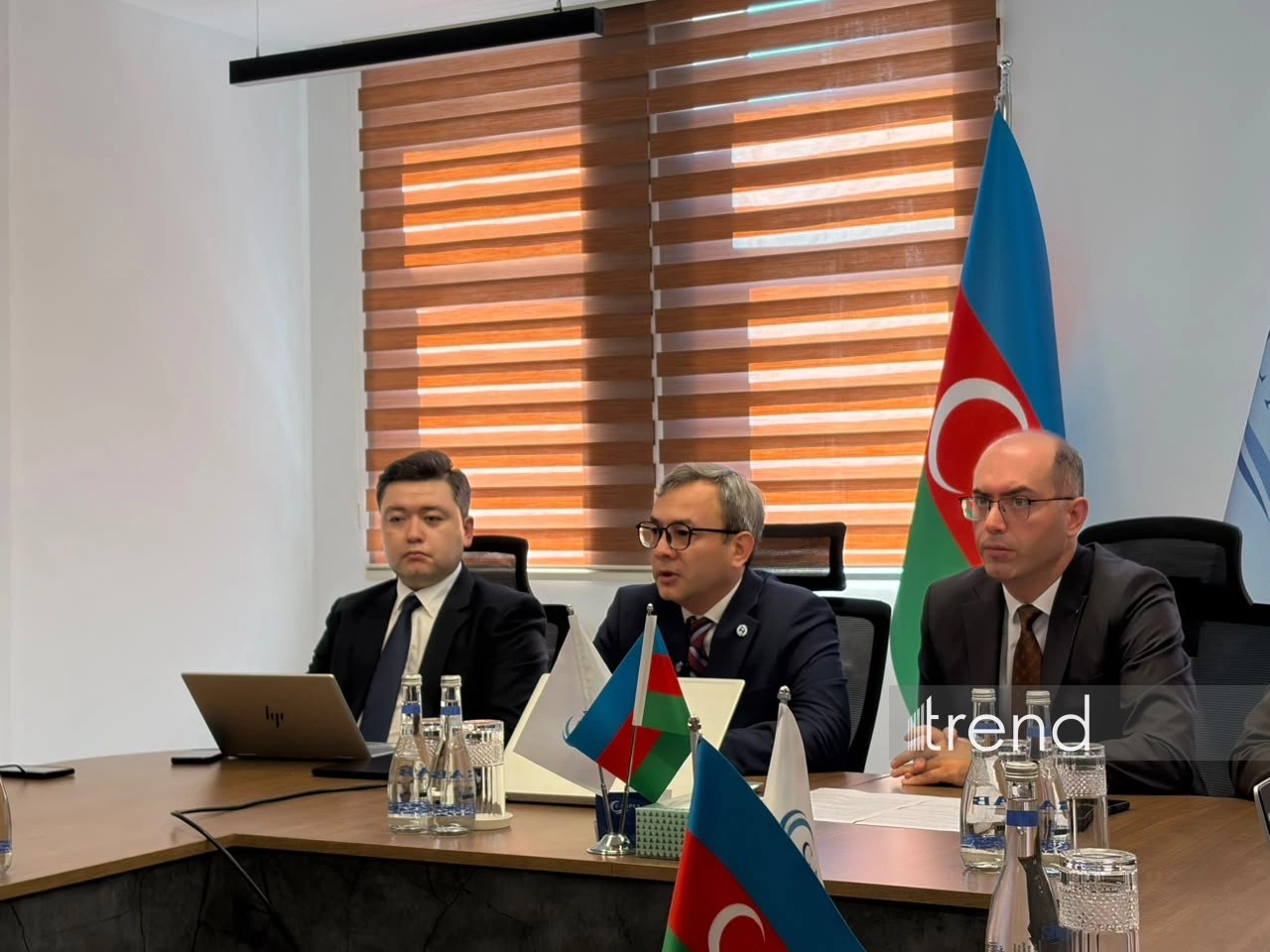
BAKU, Azerbaijan, September 15. The potential
of the Middle Corridor could help accelerate and expand trade
between Azerbaijan and Uzbekistan, Mirshohid Aslanov, head of
Uzbekistan’s Center for Progressive Reforms (CPR), said while
speaking at the presentation of the “Azerbaijan-Uzbekistan Business
Barometer” initiative, Trend's correspondent reports.
According to him, logistics will be one of the key areas of the
joint “Azerbaijan-Uzbekistan Business Barometer,” which the CPR is
developing in collaboration with the CASPIA think tank. “We will
examine, in particular, logistics as well as the potential of the
Middle Corridor,” Aslanov said.
He noted that the development of this route could be of
particular importance for expanding trade ties between Central Asia
and the South Caucasus.
According to Aslanov, completing certain logistics and customs
procedures can currently take weeks, which creates additional costs
for businesses. “For businesses, every day is money,” he
emphasized.
Aslanov believes that transit times can be significantly reduced
through the digitization of procedures, the advance exchange of
data, and the mutual recognition of documents.
In particular, he proposed creating a system that would allow
the necessary procedures to be completed even before the cargo
arrives, as well as the advance identification of reliable
exporters. “All these procedures can be completed before the goods
arrive here,” Aslanov said.
According to him, such a system should include permits,
certificates, and other information necessary for the movement of
cargo between the two countries.
M. Aslanov also noted that more efficient logistics should
become part of a broader ecosystem to support small and
medium-sized businesses, which are often insufficiently informed
about opportunities to export to the markets of Azerbaijan and
other countries in the region.
He emphasized that combining Uzbekistan’s industrial potential
with Azerbaijan’s logistical capabilities could, in the long term,
create conditions not only for the growth of bilateral trade but
also for the entry of joint products into the markets of other
countries.