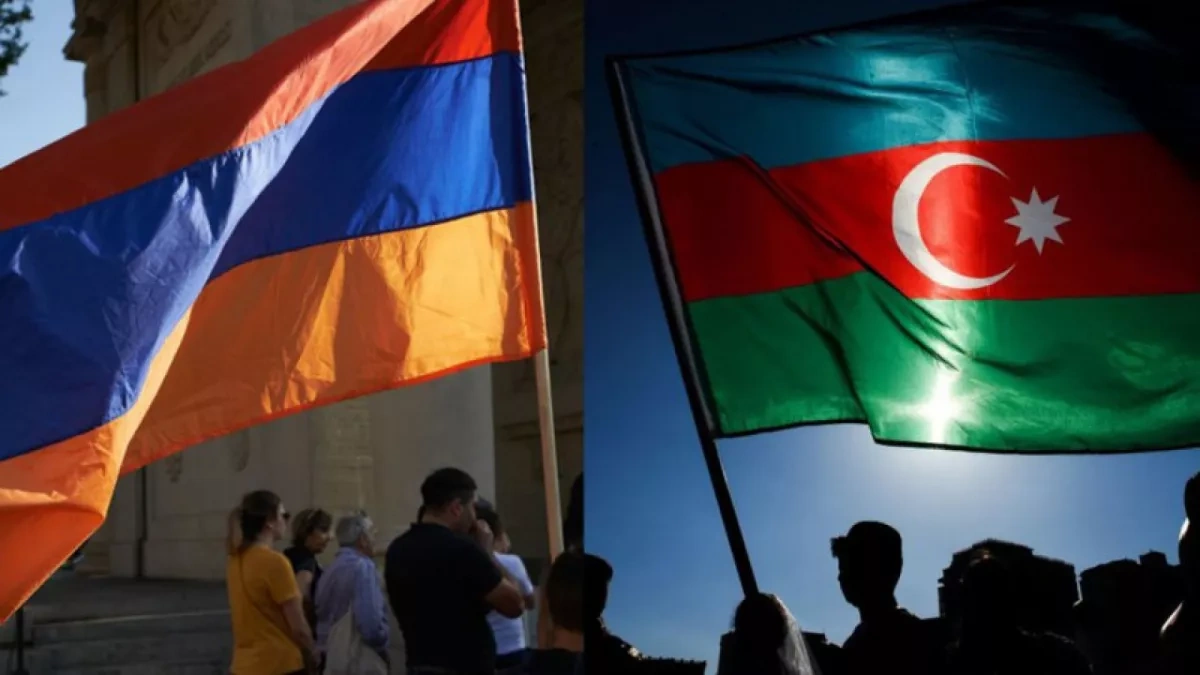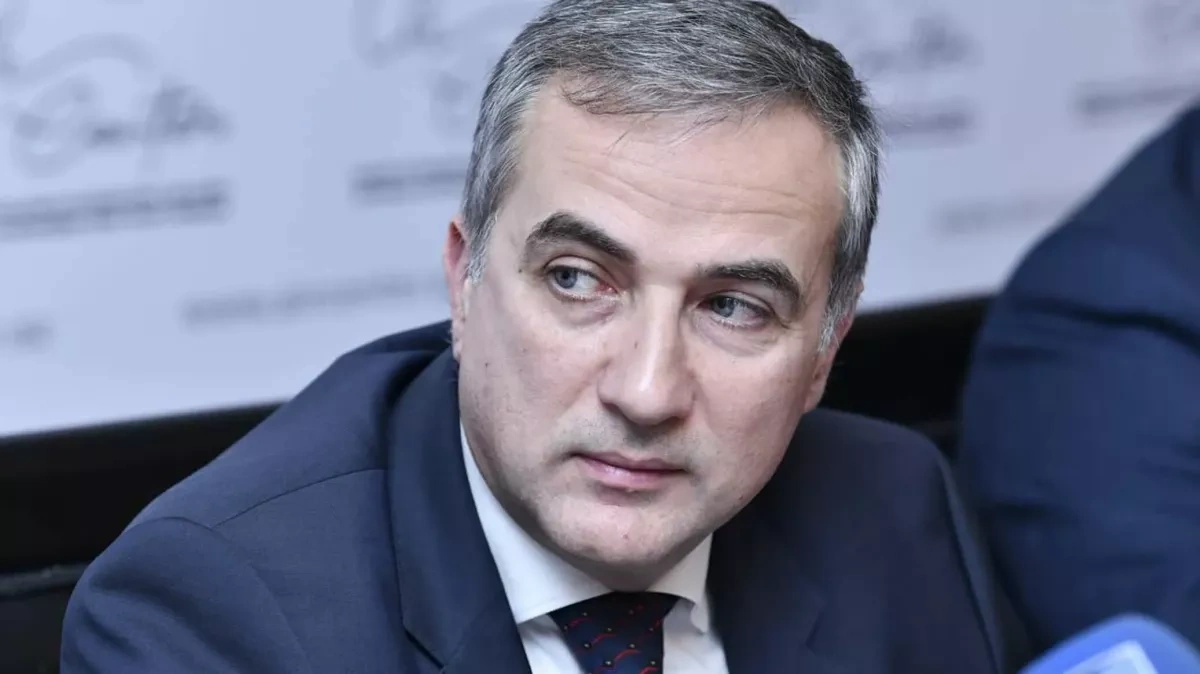
In an opinion article for commonspace.eu, Farid Shafiyev, Chairman of the Center for Analysis of International Relations and Multiculturalism (AIR Center) in Baku, argues that the South Caucasus has entered a decisive phase of peace and reconciliation, with international actors playing a key role in supporting Azerbaijan-Armenia normalisation. Caliber.Az brings the opinion piece to its readers.
“As 27 September 2026 approaches, we will mark yet another anniversary of the Second Karabakh War. But today, after 6 years from the war, we are not only contemplating about this date as the beginning of the war, but as a date which transformed the region. The region which was ravaged by the conflict, occupation and destruction. Armenia, which occupied the internationally recognized territory of Azerbaijan for almost thirty years, became trapped in the geopolitical dead-end – fully submissive to Russia and hostage to its own nationalistic narratives.
Now, both Armenia and Azerbaijan are increasingly speaking about peace, cooperation and reconciliation. There are many steps which should be undertaken in order to finalize the peace process.
The foundation of peace is international law. Whatever crisis the international order is facing, the basis of the security remain in the accepted norms. Thus, mutual recognition of sovereignty, territorial integrity and internationally recognized borders now forms the basis of the Azerbaijan-Armenia peace framework.
The two countries pursue several important avenues - delimitation, transport, trade and reconciliation. Injection of geopolitical powers such as the United States involvement in TRIPP project gave positive impetus and play important role not only in connectivity but also in the peace process as a whole.
The June 2026 elections in Armenia has also manifested that the majority of people chose peace over the war. However, the peace process faces some geopolitical and domestic challenges. Here, it is important that geopolitical actors such as the EU and its institutions uphold the just peace. However, sometimes, Europe accommodates the voices of radicals and those who serves to the interest of those actors which has vested interests in the continuation of the conflict.
Various humanitarian issues are presented as the principles of the obstacles of the reconciliation. The preservation of cultural heritage is important element of normalization, but it should be also applied to Azerbaijani heritage. The conflict happened on the territory of Azerbaijan and the most affected side is Azerbaijan with vast area of totally destroyed territories, landmine contaminations, refugees, missing persons and vandalized culture.
However, in the presentation of some European political institutions like the European parliament and media outlets, the most victimized side is Armenia. Certainly, the grievances of both sides will remain, but important to note that the conflict is behind. September 27 created necessary conditions for peace and reconciliation. Today, the political challenge is to prevent historical memory from becoming the source of future conflict.
European interest lies in peace, in a stable South Caucasus with strengthened East-West connectivity, energy security, trade routes and the resilience of the Middle Corridor.
Therefore, European policy-makers and expert community should strive for just and smooth normalization between the two countries – Armenia and Azerbaijan. On this road we will see many spoilers – they should be isolated rather than enjoying political podium and media space,” Shafiyev wrote.