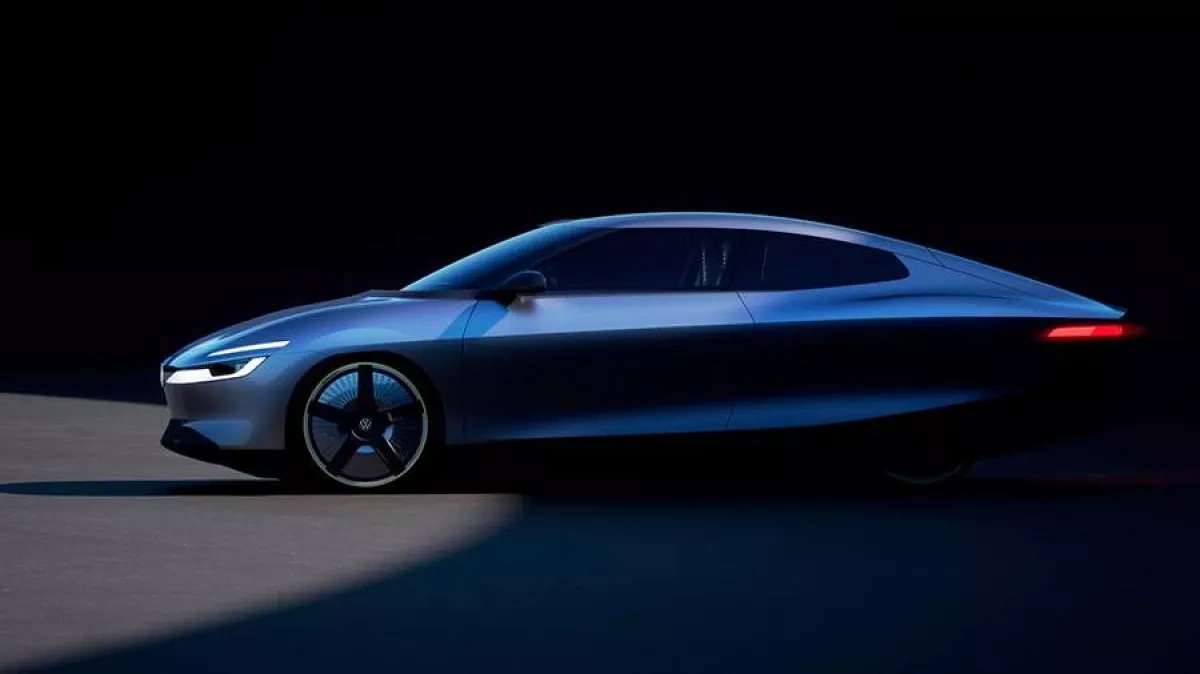
Volkswagen has unveiled the Mission Efficiency, a near-production electric car prototype that the German automaker says has set three world records for aerodynamic efficiency and energy consumption.
The two-door electric coupé achieved a drag coefficient of 0.158, which Volkswagen describes as a record for a road-approved vehicle. It also recorded energy consumption of 6.48 kWh per 100 km under ideal test conditions, Caliber.Az reports, citing the company.
In a real-world test covering 1,278 km from Wolfsburg through Poland and the Czech Republic to Vienna, the prototype consumed an average of 7.51 kWh per 100 km, including charging losses. It completed the journey at an average speed of 67.72 km/h and required only one charging stop.
The vehicle uses production technology from Volkswagen’s upcoming ID. Polo, including a 99 kW (135 hp) electric motor and a 54.9 kWh battery. Volkswagen said the prototype demonstrates how efficiency improvements could be incorporated into mass-market electric vehicles without relying on highly specialised technology.
Aerodynamics are central to the design. The Mission Efficiency features a streamlined body, enclosed rear wheels, an optimised underbody, active cooling flaps and integrated door handles. Volkswagen said the car uses more than 30% less energy than the standard ID. Polo at speeds above 80 km/h.
The 4.78-metre-long, four-seat prototype also incorporates lightweight aluminium, carbon-fibre-reinforced materials and specially developed low-resistance tyres.
A 370-watt solar roof and boot-lid system can provide enough electricity to add up to 30 km of range per day under favourable conditions, according to Volkswagen.
The company said the Mission Efficiency has received EU road approval and meets applicable safety and crash requirements, although it has not announced plans to put the prototype into production.
By Sabina Mammadli