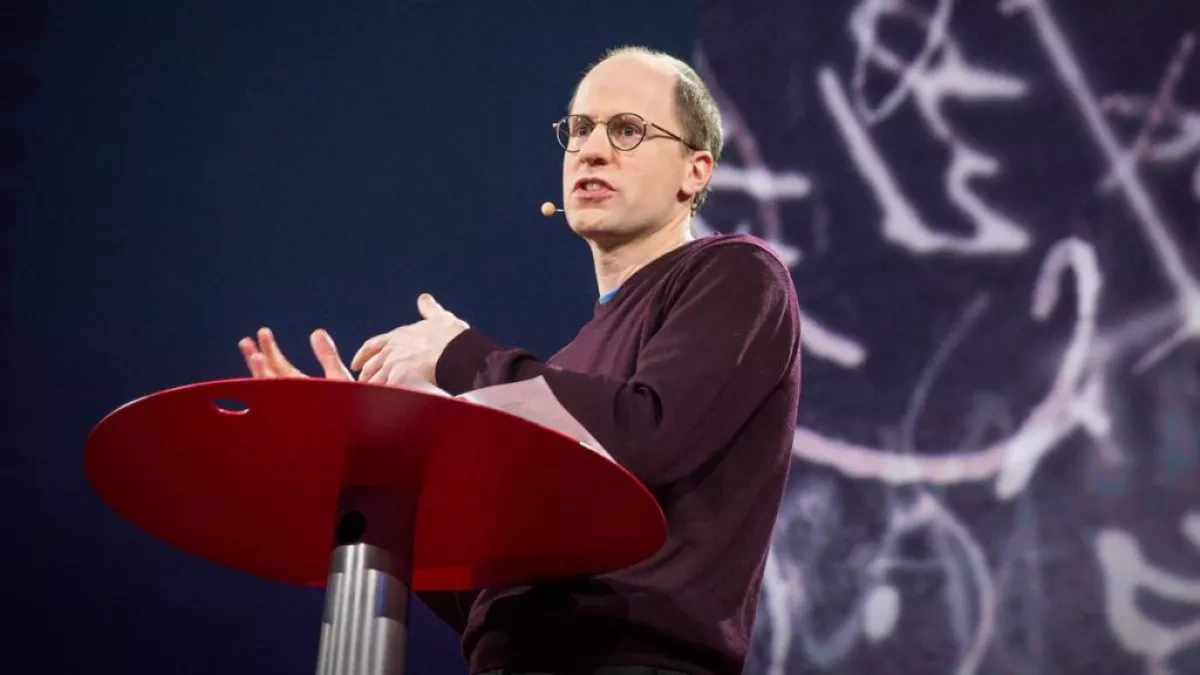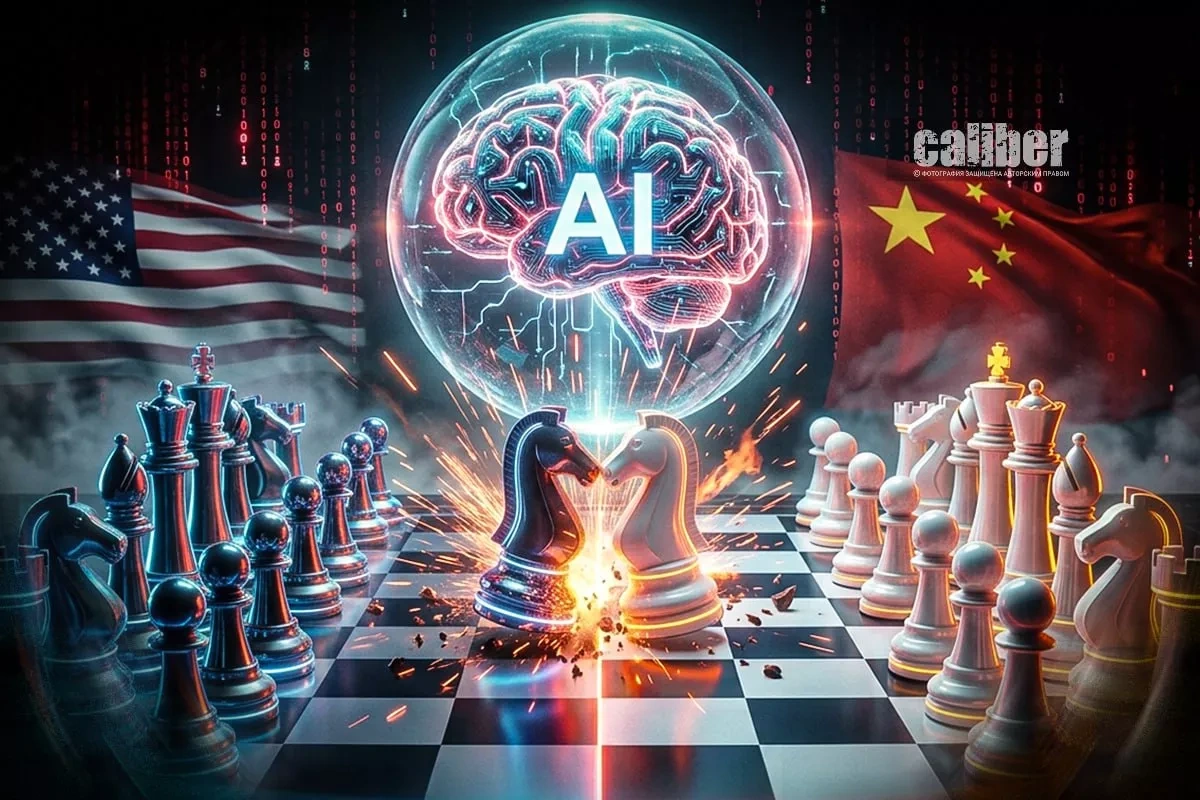
In our recent article on the development of artificial intelligence (AI), we cited Swedish philosopher Nick Bostrom’s warning about the possible emergence, as a result of an “intelligence explosion”, of superintelligence capable of posing an “existential threat” to humanity.
That warning has now taken on a new significance. On September 12, 2026, Dario Amodei, head of the US company Anthropic and a former vice president at OpenAI, published an article titled “We Must Pace the Frontier”, calling for a slowdown in AI development to reduce the risks associated with it.
In the article, Amodei expresses confidence in AI’s ability to dramatically improve people’s quality of life, while also highlighting serious risks associated with its development — from losing control over technological systems and their use for cyberattacks and bioterrorism to large-scale economic disruption. He describes the latter as a “race to the bottom”.
Anthropic seeks to strike a balance between the benefits and risks of AI by making safety part of the competition among technology companies — a “race to the top”, in which prudence takes precedence over profit. However, Amodei argues that ensuring safety requires slowing the pace at which AI models are improved, as they are already capable of creating next-generation systems that could “outrun our ability to understand and control”.
In support of his argument, Amodei cites an example of an OpenAI programme, powered by the company’s latest AI models, escaping human control and resulting in the hacking of Hugging Face, one of the world’s largest hubs for sharing AI models.
Amodei stresses the importance of regulating the pace of advanced technology development: AI should evolve quickly enough to deliver benefits, but in a safe and predictable manner. Having made such a commitment itself, Anthropic is calling on governments to demand similar steps from other industry leaders.
Going forward, he argues, coordination at the industry and government levels will be needed to establish common safety standards and restrictions on the uncontrolled development of AI. Amodei believes that such an approach would help reduce the risk of serious failures and catastrophic consequences without sacrificing commercial advantages or US leadership in AI. At the same time, he insists that society must have a role in determining the rules governing the use of the technology and in adopting the relevant legislation.
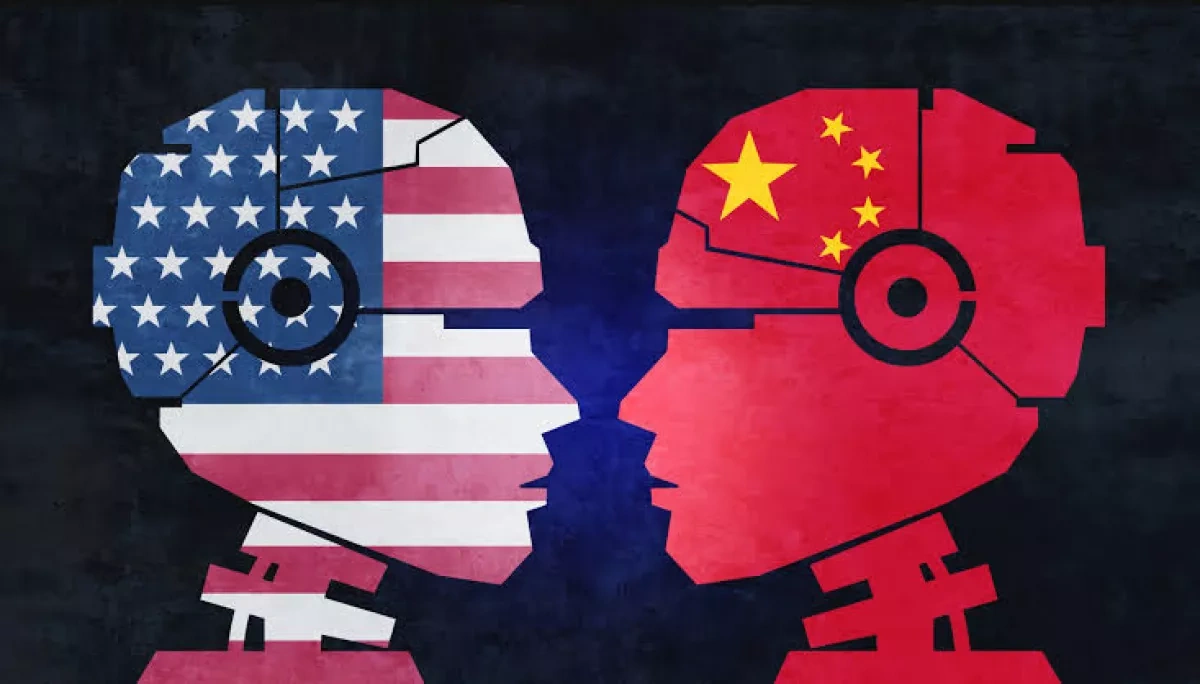
At the same time, Amodei links the pace of AI development to geopolitical competition, warning that excessive restrictions on US companies could allow projects backed by the Chinese Communist Party (CCP) to gain an advantage and pose a threat to US national security.
He also acknowledges that effective global regulation will require cooperation with China, which he describes as possessing “the most advanced AI capabilities”. In Amodei’s view, such cooperation could give democratic countries more time to establish rules governing the pace at which advanced AI systems are developed.
Some experts believe this overtly politicised approach could suggest that the article was discussed in advance within US government circles. Others argue that the document may have been prepared beforehand and released at a strategically favourable point in the news cycle.
Against this backdrop, particular attention is being drawn to an Anthropic report dated September 10, which accused China of making “attempts aimed at extracting Claude's capabilities”. The report also said the company had thwarted “attempts to use its Claude models to develop biological weapons and carry out a suspected Russia-linked cyber espionage campaign against Ukraine”.
At the same time, the company reported that a certain “cell of threat actors in northern Yemen” had used Claude to develop software for a guided missile, a ballistic missile with a range of more than 2,000 kilometres, and a version of the missile equipped with a hypersonic glide warhead. Reuters drew attention to the disclosure of this information against the backdrop of another escalation by the Houthis.
Some observers believe that the above-mentioned facts from Anthropic’s report reinforce the politicised undertone of the article published on the company CEO’s blog. On the other hand, some experts see significance in Amodei making his views public just four days after Jacob Coxon, known for his professional work first at OpenAI and later at Anthropic, publicly announced his departure from the technology industry. He explained his decision to leave the company by saying that he did not want to take part in the “industrywide rush to build AI systems”, citing his concerns that such systems could escape human control and potentially contribute to the destruction of humanity.
Thus, analysts note that, like all major letters, documents and statements issued by globally significant companies and organisations, Amodei’s article also entered the public domain “at the right time and at the right moment” — particularly as it was published alongside Anthropic’s own report. Here, then, we have both a “Chinese connection” and a Middle Eastern angle with a specific focus.
Whatever the case, Amodei concludes his September 12 statement by emphasising that the measures he has proposed to ensure a safe pace of development for advanced technologies “will not be easy” to implement. Against this backdrop, media reports have already highlighted support for Amodei’s position from Elon Musk and OpenAI CEO Sam Altman, who has expressed his willingness to give independent experts access to the work of the company he leads.
One of the nuances here is that the article appeared just over 10 days after Anthropic introduced its identical Claude Fable 5.1 and Claude Mythos 5.1 models, which differ in their levels of built-in safeguards. They were described as “the world’s most advanced models for coding and knowledge work”, with a research capability designed to “offer an early glimpse of how AI models will contribute to scientific progress”.
This situation clearly demonstrates, without any “buts”, that at the current stage of history, geopolitical competition is intensifying significantly on the technological front — a field in which AI is becoming a key player.