BAKU, Azerbaijan, September 14. On September
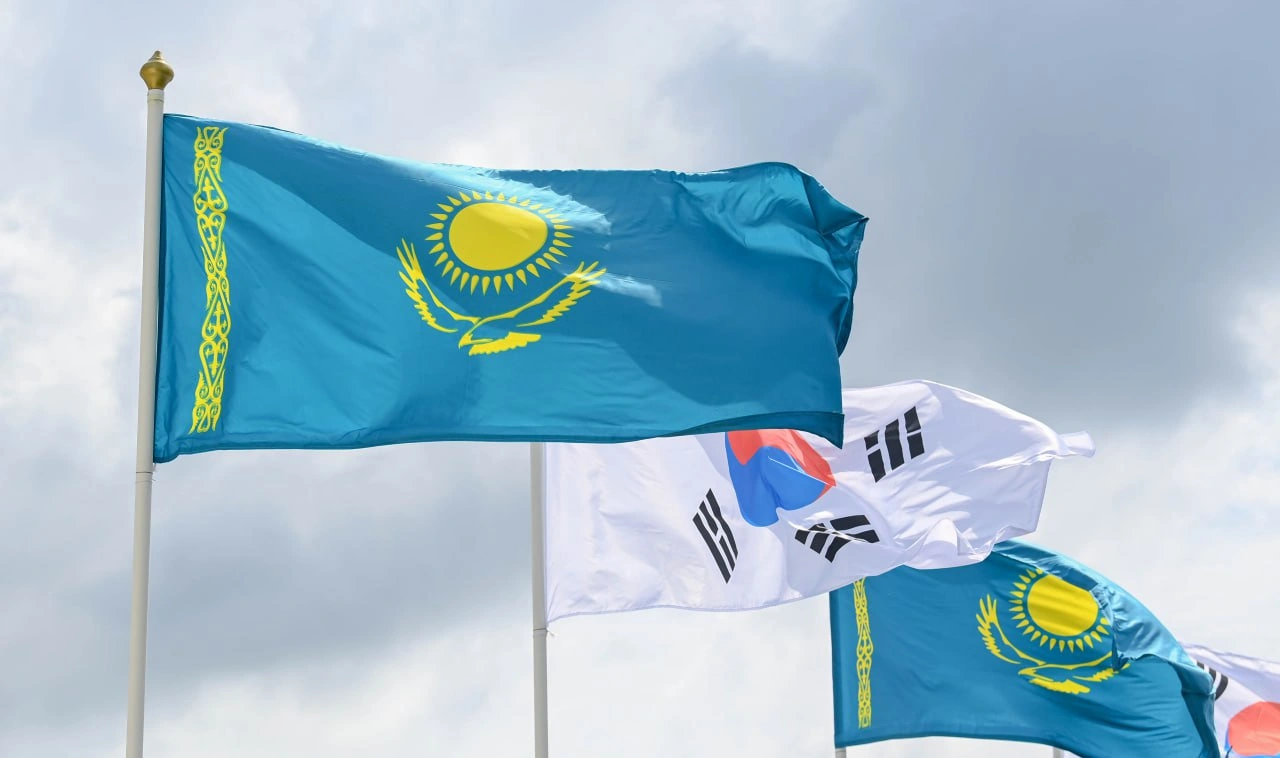
14-16, Head of State Kassym-Jomart Tokayev, at the invitation of
President Lee Jae Myung, will pay a state visit to the Republic of
Korea.
On September 15, high-level talks will be held in Seoul, during
which the sides will discuss prospects for strengthening the
expanded strategic partnership between Kazakhstan and South Korea.
In addition, Tokayev is scheduled to hold meetings with the heads
of leading South Korean companies.
On September 16, the President of Kazakhstan will also
participate in the first “Central Asia - Republic of Korea” summit,
which is expected to bring together the leaders of South Korea and
the countries of the region - Kyrgyzstan, Tajikistan, Turkmenistan
and Uzbekistan.
The upcoming visit continues Tokayev’s consistent work to expand
cooperation with South Korea. In April 2026, Tokayev received Kang
Hoon Sik, the special representative of the President of South
Korea and chief of staff of the presidential administration. The
sides discussed expanding cooperation in the trade and economic,
investment, energy, and transport and logistics spheres. These
areas may now receive further development during the high-level
talks, Tokayev’s meetings with the heads of South Korean companies,
and the first “Central Asia - Republic of Korea” summit.
The economic component occupies a central place in relations
between the two countries. For Seoul, Kazakhstan is of interest due
to its natural resources, transit position, and the largest economy
in Central Asia. For Astana, the Korean partnership provides access
to technologies, investment, and industrial expertise needed to
develop raw material processing and higher value-added
production.
Existing industrial cooperation shows that this is a practical
interaction. South Korean companies such as Kia, Doosan Enerbility,
Samsung, and SK Ecoplant are involved in projects in Kazakhstan’s
automotive industry, energy sector, mechanical engineering, and
other sectors. The expansion of such projects allows Kazakhstan to
increase the volume of higher value-added production and strengthen
its industrial base.
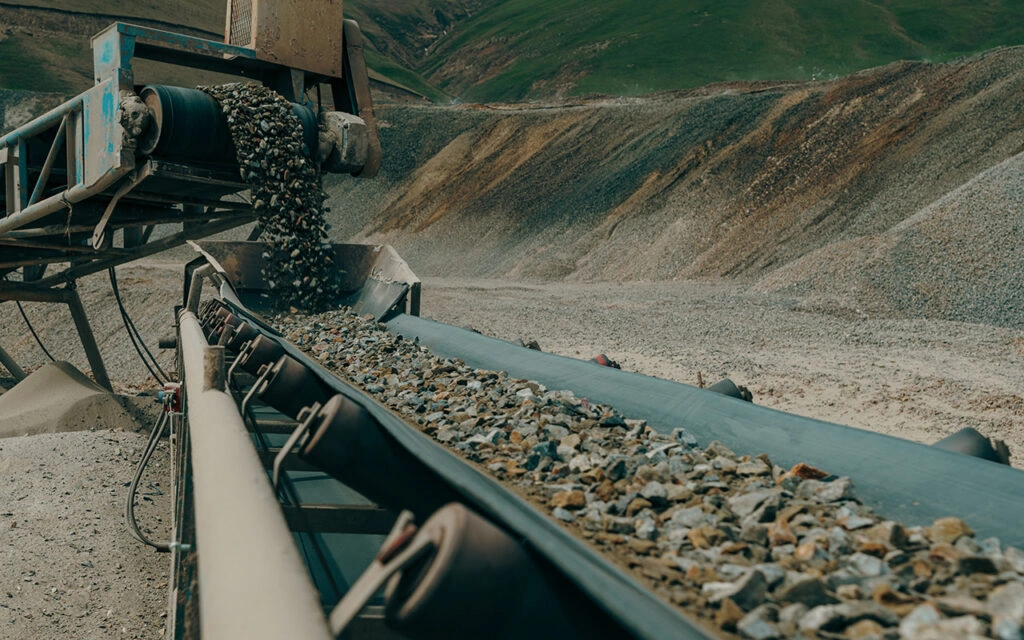
A separate area is critical minerals. South Korea is interested
in diversifying raw material supply chains for high-tech
industries, including battery and electronics production.
Kazakhstan, which has a significant resource base, views this
sector as one of the areas for attracting investment and developing
processing.
It is at the intersection of these interests that the economic
agenda of cooperation is taking shape: Kazakhstan offers a resource
base, industrial and transit potential, while Korean companies
offer technology, capital and production expertise. For Tokayev,
the development of such cooperation creates opportunities to expand
the circle of investment partners and promote projects with higher
added value.
The transport component also strengthens Seoul’s interest in
Kazakhstan. The Trans-Caspian International Transport Route,
connecting China, Central Asia, the Caspian Sea, the South Caucasus
and Europe, gives Kazakhstan an additional advantage as a transit
hub between Asian and European markets. For South Korea, the
development of alternative logistics routes is important amid the
restructuring of global supply chains.
The Korean direction of cooperation allows Tokayev to address
several economic objectives of Kazakhstan simultaneously -
attracting investment and technology, developing industrial
processing, and using the country’s transit potential. For South
Korea, Kazakhstan, in turn, is becoming a platform for expanding
its economic presence in Central Asia and developing new supply
chains.
The first “Central Asia - Republic of Korea” summit adds a
regional dimension to bilateral cooperation. Seoul gains a platform
for direct interaction with all five Central Asian states, while
Kazakhstan can use its accumulated experience of cooperation with
Korean companies in promoting regional projects.
For Korean businesses, the possibility of locating production in
Kazakhstan with access to the markets of Central Asia, China and
Europe is of particular interest. At the same time, Kazakhstan’s
resource base, industrial infrastructure and location along routes
between China and European markets are important.
The effectiveness of this rapprochement will depend on the
extent to which political agreements are transformed into concrete
investment, technological and industrial projects. Their
implementation will show whether the current expansion of contacts
can lead to deeper economic cooperation.
For Tokayev, the visit to Seoul is another step in expanding
Kazakhstan’s economic interaction with Asian partners. At the same
time, its significance goes beyond bilateral relations:
participation in the first “Central Asia - Republic of Korea”
summit allows Kazakhstan to promote its own economic interests in a
regional format.