BAKU, Azerbaijan, September 9. Uzbekistan and
the Food and Agriculture Organization of the United Nations (FAO)
are advancing practical measures to combat land degradation,
desertification, and water scarcity in the country’s agricultural
regions, with a focus on sustainable land and pasture
management.
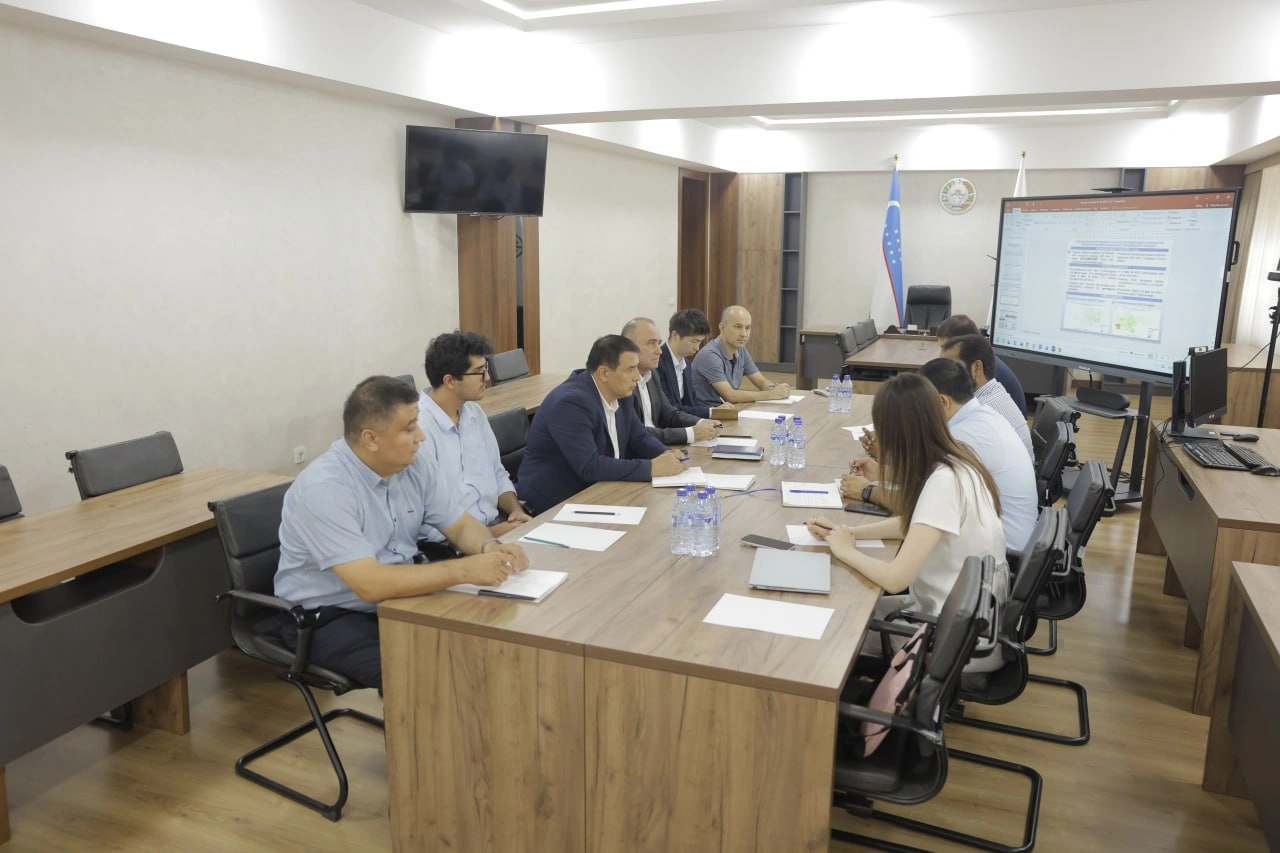
This was reflected in the statement by the Ministry of
Agriculture of Uzbekistan, following a meeting between
representatives of the Uzbek Agriculture Ministry and international
consultant Muhammad Ayaz Keerio to discuss the development of
Farmer Field Schools under the project.
The discussions were held as part of a FAO-backed project on the
sustainable management of forests and pastures in drought-affected
ecosystems in Uzbekistan.
The meeting focused on practical measures for rational use of
land resources, sustainable pasture management and improving the
condition of degraded areas in selected parts of Bukhara and Navoi
regions.
The sides discussed the introduction of sustainable land
management practices, efforts to achieve land degradation
neutrality, measures to prevent desertification and more efficient
use of pasture resources.
“Strengthening sustainable land management practices and
developing practical solutions for farmers and land users are
essential to addressing land degradation and desertification in
drought-affected areas,” the Agriculture Ministry said.
The participants also exchanged views on establishing and
operating Farmer Field Schools and Agropastoral Field Schools.
Particular attention was given to planning, implementation and
monitoring of their activities, based on a comprehensive guide
developed for sustainable land and forest management and achieving
land degradation neutrality.
The discussions also covered practical guidance aimed at
expanding the economic opportunities of rural communities, land
users and other participants in the agricultural sector.
Climate change, water scarcity, land degradation and
desertification remain major challenges for agriculture, making the
development of locally applicable land-management practices
increasingly important.
At the conclusion of the meeting, the participants agreed to
organize seminars and training sessions for relevant organizations,
farming enterprises, land users and businesses. The sessions will
focus on strengthening practical knowledge and improving the
implementation of project activities at the local level.
The initiative is intended to help translate sustainable
land-management approaches into practical measures while
strengthening cooperation between government institutions, farmers,
land users and international partners.