BAKU, Azerbaijan, September 9. Conditions for
international cooperation on climate issues have become more
difficult than they were 10 years ago, Trend’s correspondent reports from the
event.
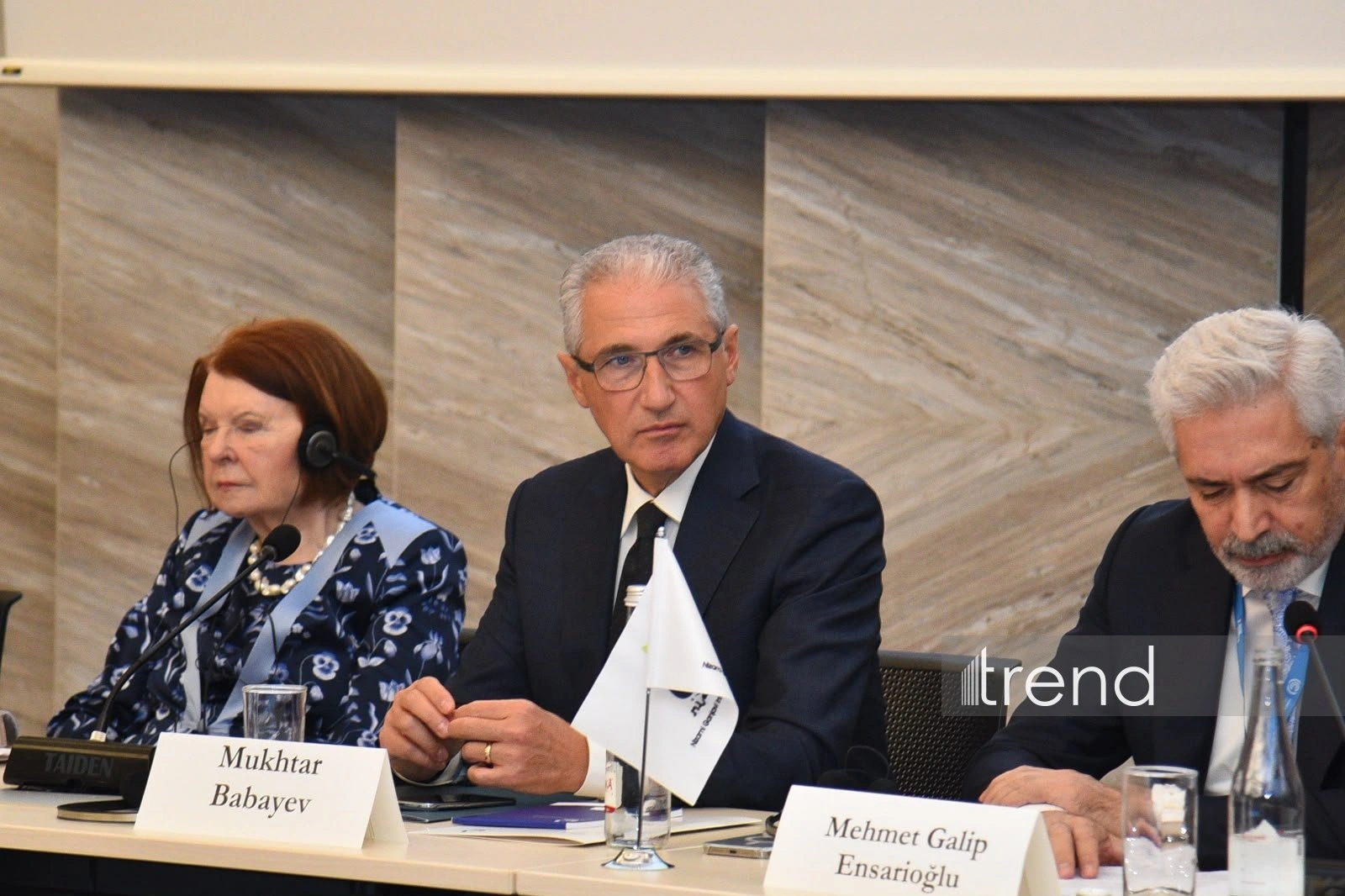
Mukhtar Babayev, Representative of the President of Azerbaijan
for Climate Affairs and President of COP29, made the remarks during
Baku Climate Action Week 2026 (BCAW 2026).
Over the past decade, the world has faced a pandemic, conflicts,
energy shocks, inflation and growing geopolitical competition, he
said.
“Military spending worldwide is now approaching $3 trillion a
year. At the same time, the impacts of climate change have become
more visible and costly. Extreme heat is putting our cities under
increasing strain, droughts are placing pressure on water and food
systems, while floods and wildfires can destroy the results of
decades of development within hours or days,” Babayev said.
He noted that climate action cannot compete with national
priorities but should instead become part of their
implementation.
“The energy transition must also strengthen energy security and
energy affordability. Adaptation must protect economies,
infrastructure and communities. Climate-resilient agriculture must
contribute to food and water security,” he said.
According to Babayev, successive COP conferences have
established an extensive global climate architecture comprising
targets, plans, institutions and financial mechanisms.
“However, the gap between agreements and their implementation
remains too wide,” he said.
The Azerbaijani presidential representative emphasized that COP
conferences can set direction and create political momentum, but
implementation takes place through national policies, investment
decisions, financial institutions and businesses.
“The question is not whether we need the COP process — we
absolutely need it. The question is how to ensure that the COP
process drives much more action beyond the conference itself,”
Babayev said.