BAKU, Azerbaijan, September 7. Azerbaijan is
significantly expanding its renewable energy sector, particularly
solar and wind power, and is also exploring new areas such as
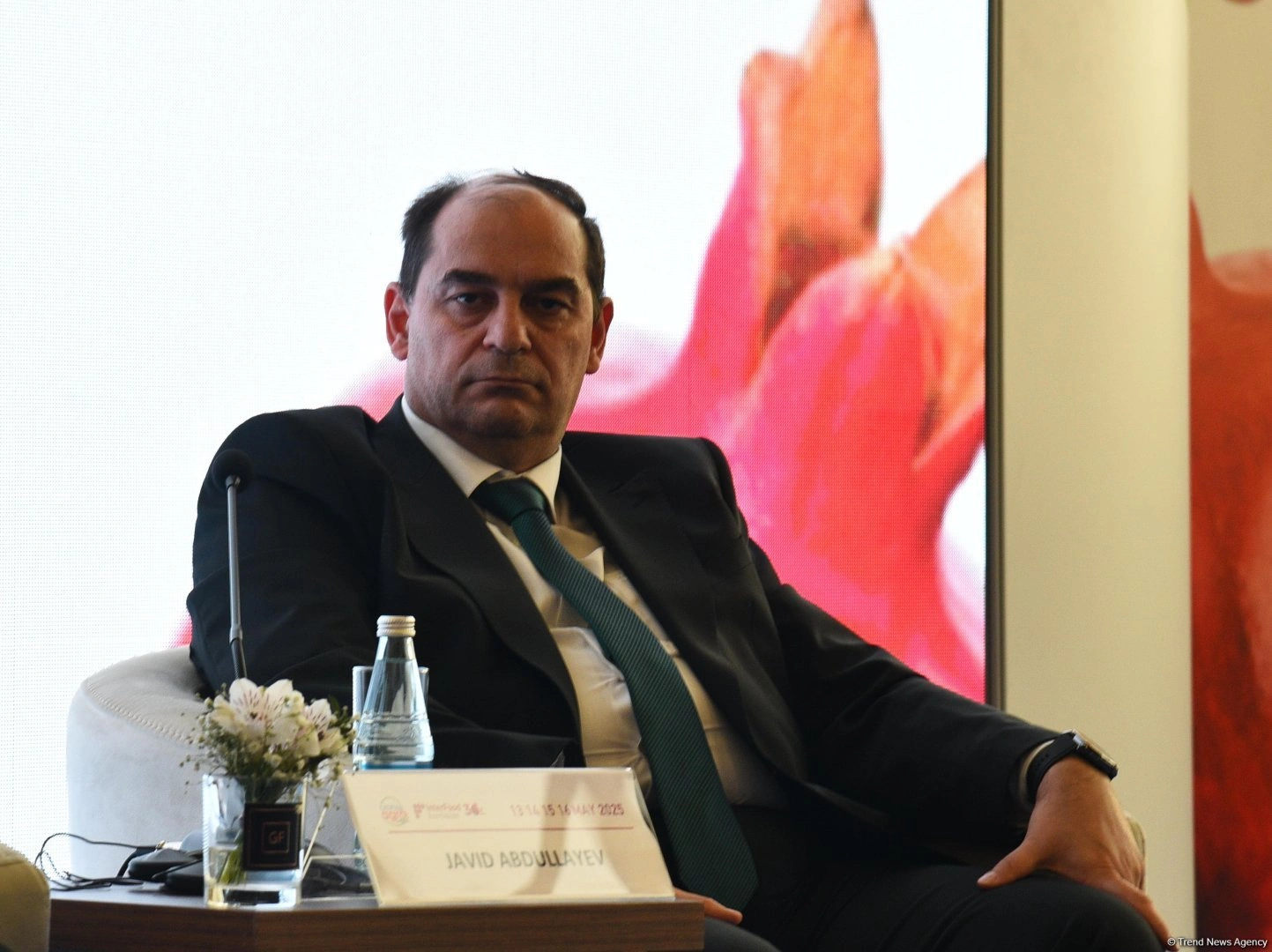
“green” hydrogen, its derivatives, and geothermal energy, Javid
Abdullayev, director of the State Agency for Renewable Energy
Sources under the Ministry of Energy, Trend's correspondent reports from the
event.
Abdullayev made the remark made this statement during the panel
discussion “From Baku to COP31: Sustaining Momentum in a Fragmented
World,” held as part of the Fourth Climate Week of the United
Nations Framework Convention on Climate Change.
He noted that the global energy transition is entering a new
phase. Today’s challenge is no longer simply to expand renewable
energy capacity.
“We must ensure the effective integration of renewable energy
into our economy, social and industrial transformation, attract
investment, and strengthen energy security.
This requires innovation. It requires digitalization and,
increasingly, cross-border cooperation. Azerbaijan is significantly
expanding its renewable energy sector, particularly solar and wind
power, and is also exploring new areas such as green hydrogen, its
derivatives, and geothermal energy,” he added.
Abdullayev stated that our goal is not only to increase the
share of renewable energy in our national energy system, but also
to develop new “green” industries and transform Azerbaijan into a
major regional hub for green energy.
"Innovation is a key starting point for achieving this goal. One
of our main areas of focus is hydrogen. We are also exploring the
potential of geothermal energy. This includes opportunities for
district heating, electricity generation, and greenhouse heating,
including the innovative use of existing infrastructure. However,
today innovation cannot be viewed in isolation from digital
transformation. In this context, Azerbaijan is developing an
information system for renewable energy sources through digital
mapping, integrated databases, and analytical tools,” he
emphasized.
The Fourth Climate Week (CW) of the United Nations Framework
Convention on Climate Change is taking place in Baku through
September 11; it is organized by the Republic of Azerbaijan and
overseen by the Ministry of Foreign Affairs of the Republic of
Azerbaijan.
Baku, which has become an important international platform for
the climate agenda, is hosting discussions on the practical
implementation of climate solutions, the expansion of international
cooperation, and the further strengthening of global action to
combat climate change as part of these events leading up to
COP31.
Representatives of various countries’ governments, international
organizations, experts, financial institutions, the private sector,
and civil society are expected to participate in the events.
Baku Climate Week is intended to serve as an international
platform for discussing issues related to combating climate change,
the energy transition, renewable energy, sustainable development,
and accelerating climate action.
Hosting these events will not only further strengthen Baku’s
active role in the global climate agenda but will also make a
significant contribution to strengthening international climate
cooperation in the run-up to COP31.