BAKU, Azerbaijan, July 31. Tajikistan has
reviewed progress in preparing the country's energy sector for the
2026–2027 autumn-winter season.
The information was announced by Tajikistan's Ministry of Energy
and Water Resources.
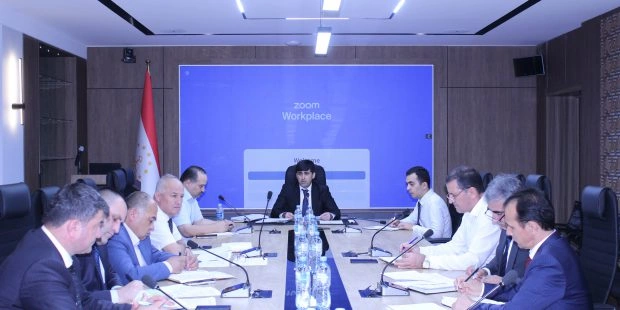
"A regular meeting of the headquarters for preparations for the
2026–2027 autumn-winter period was held under the chairmanship of
Deputy Minister of Energy and Water Resources Sharif Mahmadzoda,
with the participation of heads and representatives of the
country's energy enterprises," the statement said.
During the meeting, participants reviewed the implementation of
the Tajik government's resolution dated March 28, 2026, on the
timely preparation of the country's economic sectors and social
sphere for uninterrupted and efficient operation during the
2026–2027 autumn-winter period.
To ensure the reliable operation of the energy system during the
upcoming season, responsible officials from Barqi Tojik, the
Electricity Transmission Networks, the Electricity Distribution
Networks, Dushanbe Combined Heat and Power Plants No. 1 and No. 2,
as well as other sector entities, were instructed to intensify
their work.
The meeting also stressed the importance of completing repair
and rehabilitation works, inspecting energy equipment, preparing
power grids and substations, eliminating identified deficiencies,
and creating the necessary stockpiles of materials within the
approved timeframe.
Earlier, Tajikistan and Vietnam's ROX Group discussed expanding
cooperation in attracting foreign direct investment to the
country's energy sector. The sides reviewed the current state and
future development of Tajikistan's energy system, as well as
opportunities for implementing new energy projects, including the
creation of additional electricity generation capacity. They also
expressed readiness to continue cooperation and advance energy
projects in the country.
Preparations for the autumn-winter season remain a key priority
for Tajikistan's energy sector, as the country seeks to ensure a
stable electricity supply during periods of peak demand. Regular
maintenance of power plants, substations, and transmission
infrastructure plays an important role in improving the reliability
of the national power system and reducing the risk of supply
disruptions.
Looking ahead, continued investment in energy infrastructure,
combined with modernization efforts and stronger cooperation with
international partners, is expected to enhance the resilience of
Tajikistan's electricity network. These measures could support
growing domestic demand, facilitate the integration of new
generation capacity, and strengthen the country's long-term energy
security.