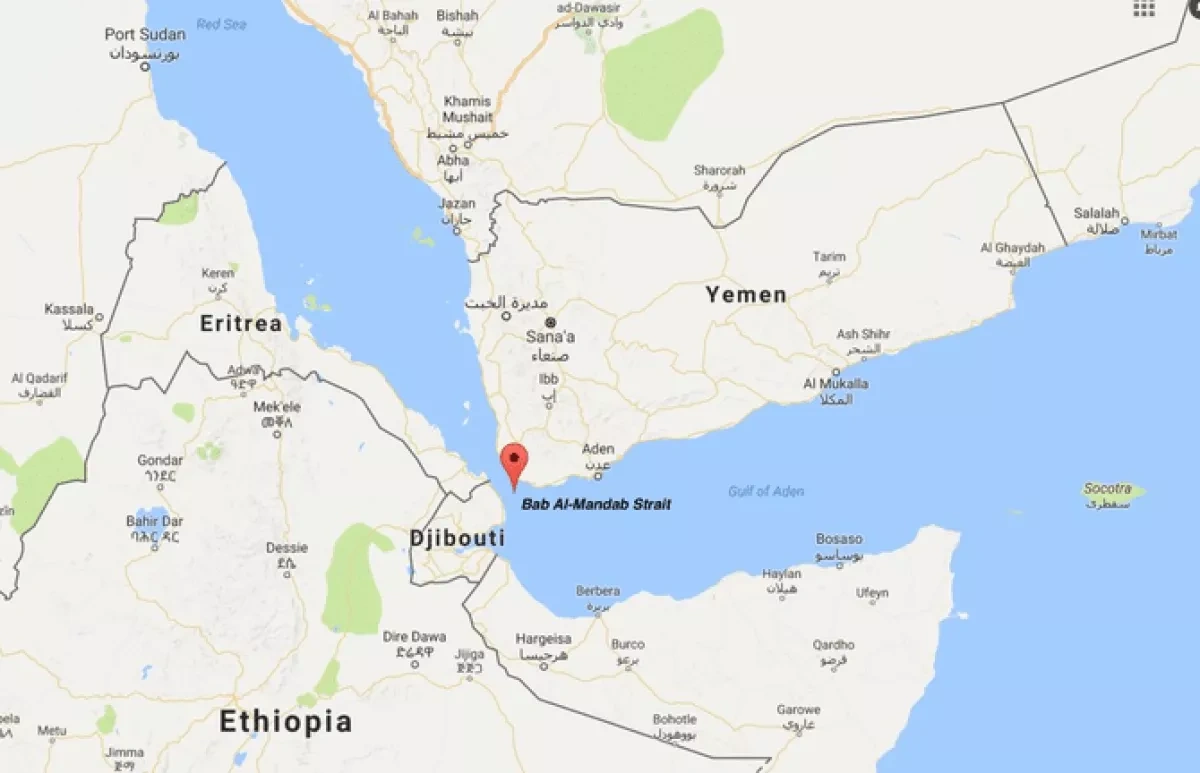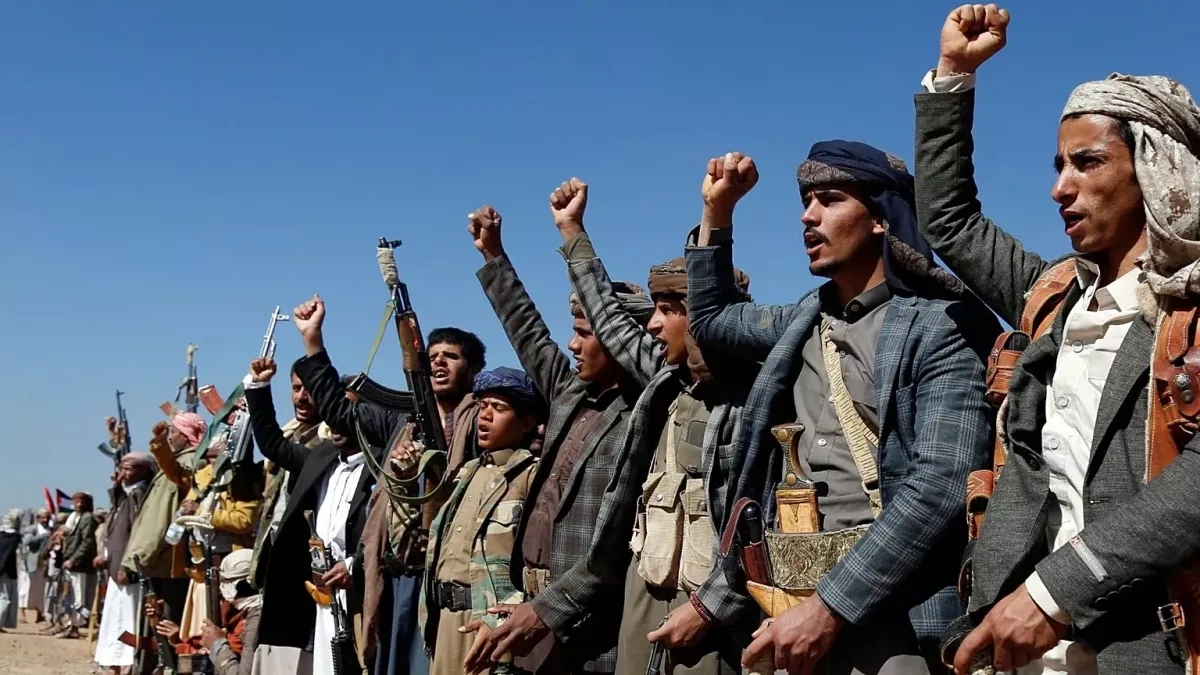
The escalating crisis in the Middle East is forcing China to pursue solutions that would have seemed unthinkable until recently. Amid tensions surrounding the Strait of Hormuz and ongoing attacks in the Red Sea, Beijing has entered into direct confidential talks with Yemen's Ansar Allah (the Houthis) to ensure the safe passage of tankers carrying Saudi oil.
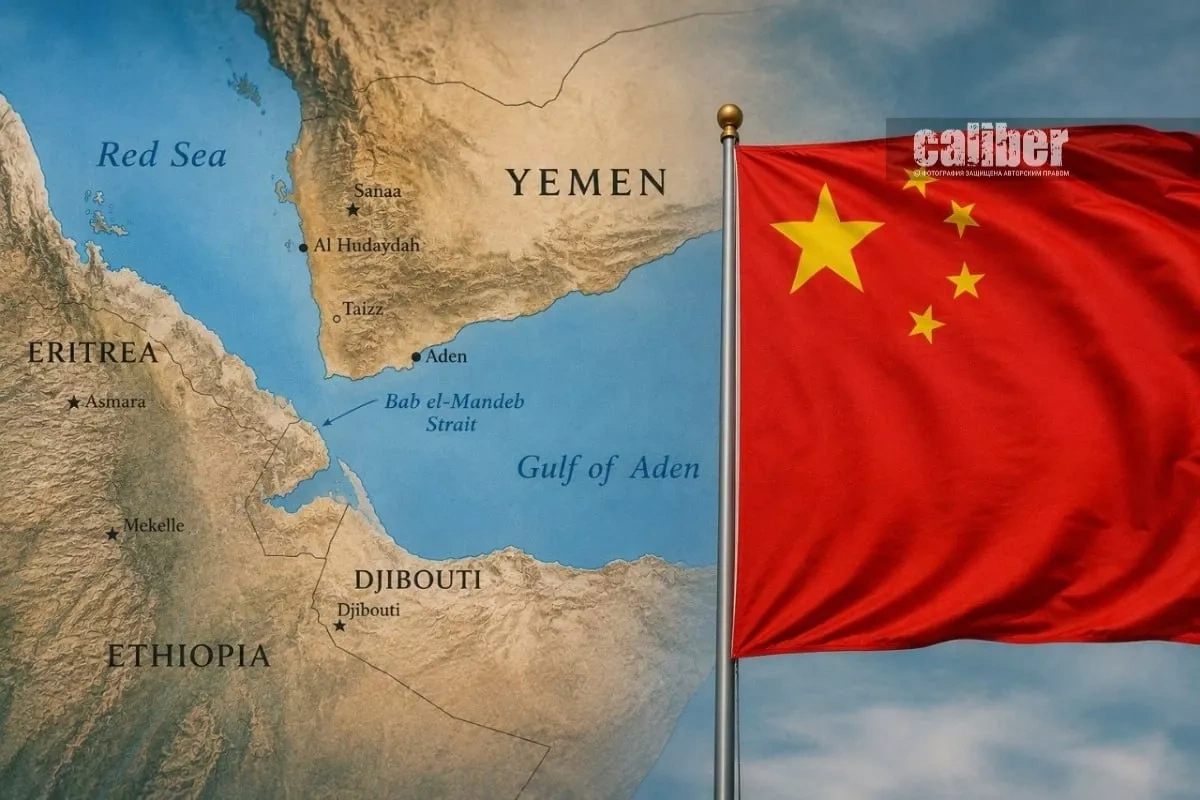
This is more than just a technical arrangement to safeguard maritime navigation. In essence, China has concluded that, under the current circumstances, guaranteeing the security of its energy supplies is extremely difficult without direct dialogue with the Houthis. The move reflects the group's growing influence over the security situation around the Bab el-Mandeb Strait, one of the world's most critical maritime trade chokepoints.
At first glance, the situation appears paradoxical. Saudi Arabia's main oil fields are located in the eastern part of the country, along the Persian Gulf coast, where its largest export terminals—Ras Tanura and Al Jubail—are situated. However, due to tensions surrounding the Strait of Hormuz, Riyadh has been making extensive use of the strategic East–West Pipeline, which transports crude oil across the kingdom to the Red Sea port of Yanbu.
While this route allows Saudi exports to bypass the Strait of Hormuz, it creates another challenge. Tankers departing from Yanbu must inevitably transit the Bab el-Mandeb Strait, an area where the Houthis retain the capability to attack commercial shipping. This is precisely why Beijing has found itself compelled to negotiate with the very actors capable of influencing the security of the route. According to available information, the arrangement is handled on a case-by-case basis: the Chinese side notifies the Houthis in advance about the passage of specific vessels while simultaneously informing Iran.
It may seem that such issues could simply be resolved through Tehran, widely regarded as the Houthis' principal ally. However, the current situation is far more complex. According to a number of analysts, Iran has sought to emphasise the Houthis' autonomy, allowing it to reduce political and legal risks by avoiding direct accusations of interfering with freedom of international navigation.
The practical dimension is equally important. Many tankers sail under flags of convenience, are owned by multinational shipping companies, and frequently change operators. According to available information, the parties seek to coordinate the details of individual voyages in advance to minimise the risk of vessels being misidentified. Such a level of coordination is more easily achieved through direct contacts with the movement's leadership.
More broadly, the Houthis themselves are no longer viewed merely as an instrument of Iranian policy. Although the movement continues to receive weapons, technology, and intelligence support from Iran, many experts believe that key political and military decisions are made by its own leadership in Sanaa. Direct engagement with the world's second-largest economy further enhances the group's international standing and strengthens its position within Yemen. In practice, this means that China is treating the Houthis as a significant political and military actor with considerable influence over the regional security environment.
From Washington's perspective, the security of vital sea lanes should be guaranteed by international naval forces rather than through separate arrangements with armed non-state groups. As a result, any agreements that allow certain countries to secure safe passage exclusively for their own commercial fleets are viewed as undermining the system of collective maritime security. U.S. officials also argue that China is benefiting from the crisis without bearing a proportionate share of the costs associated with safeguarding global shipping routes.
At the same time, the U.S. position is not without controversy. The current crisis surrounding the Strait of Hormuz is a consequence of the broader deterioration in regional security, in which the U.S. military operation against Iran played a significant role. That escalation has, to a large extent, pushed Beijing to seek unconventional logistical and diplomatic solutions. Even so, China has from the outset sought to derive certain geopolitical advantages from the situation. Beijing has traditionally adopted a cautious stance at the UN Security Council, refraining from backing the toughest initiatives against the Houthis while criticising further military escalation in the region.
This Chinese approach—maintaining close ties with Iran, avoiding strong pressure on Iran-aligned groups, and, according to some assessments, potentially facilitating the indirect use of Chinese dual-use components—effectively serves as a counterweight to U.S. policy. As a result, it complicates Washington's efforts to contain Beijing's growing influence not only in the Middle East but also in other strategically important regions around the world.