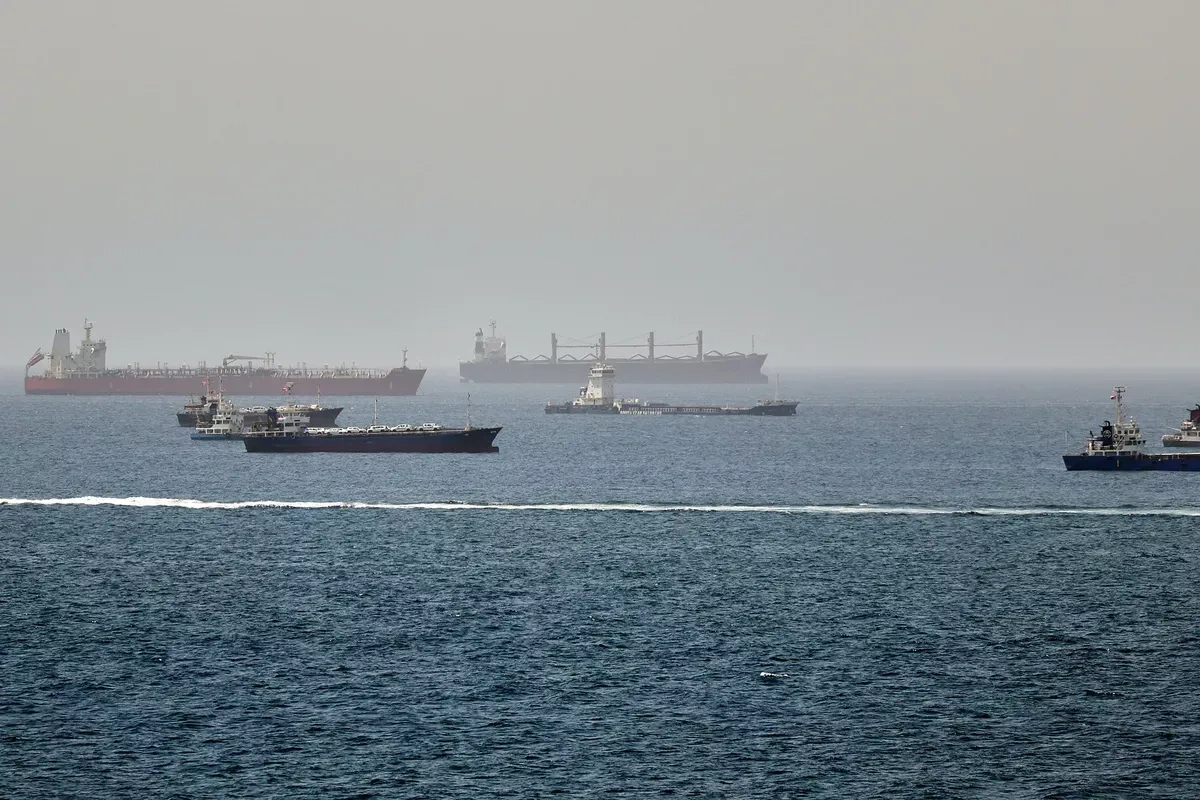
Oman has told European officials that vessels passing through the Strait of Hormuz may in future be charged fees, according to a Bloomberg report.
The report said Omani officials stated there is “no way of going back to the pre-war status quo with the Strait of Hormuz and transiting ships may have to be charged some fees.”
They added Oman would “always abide by international maritime law,” while suggesting possible charges for services such as de-pollution or navigation support. It is unclear whether any fees would be mandatory.
The strait, between Oman and Iran, is a key global route for oil and LNG shipments. Any charging system could significantly raise shipping costs.
Oman is reportedly reviewing models used at other chokepoints, including the Malacca Strait, where navigation services exist but no mandatory transit fees are imposed.
Concerns among the US, Europe and Gulf states have grown that Oman could move towards a toll system, potentially in coordination with Iran. French President Emmanuel Macron is due to meet Sultan Haitham bin Tariq in Paris on Monday to discuss maritime security.
The French presidency said the talks would “address the security of maritime routes, which depends on free and unconditional passage through the Strait of Hormuz.”
Oman has issued mixed signals in recent days, including a joint statement with Iran suggesting discussion of operating costs, followed by a separate statement rejecting tolls and fees.
US Secretary of State Marco Rubio said, “They said in the meeting and they signed on to the statement that said that there aren’t going to be any fees or tolls, and so I think that’s good news,” during a visit to Bahrain.
Analysts say Oman is trying to balance pressure from Iran and Western partners amid regional tensions. As one expert noted, “Oman is caught between a rock and a hard place trying to maintain a balancing act between Iran and the US.”
By Aghakazim Guliyev