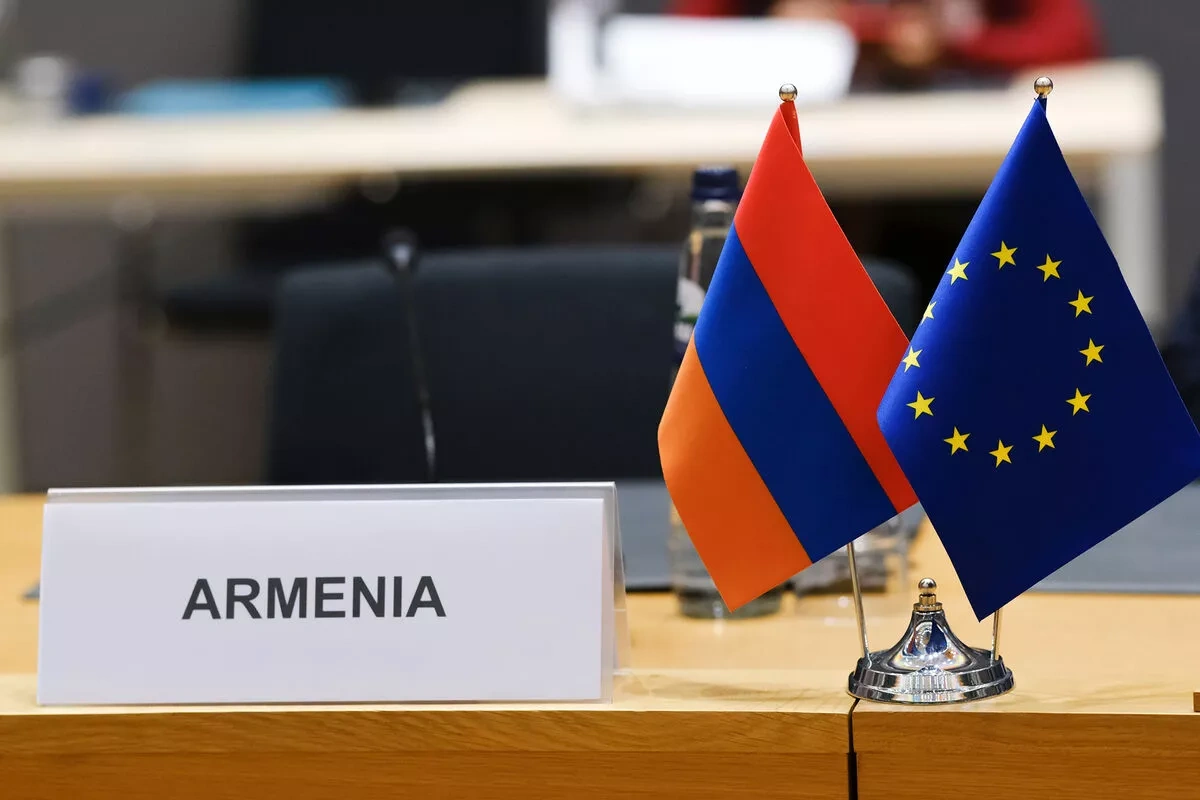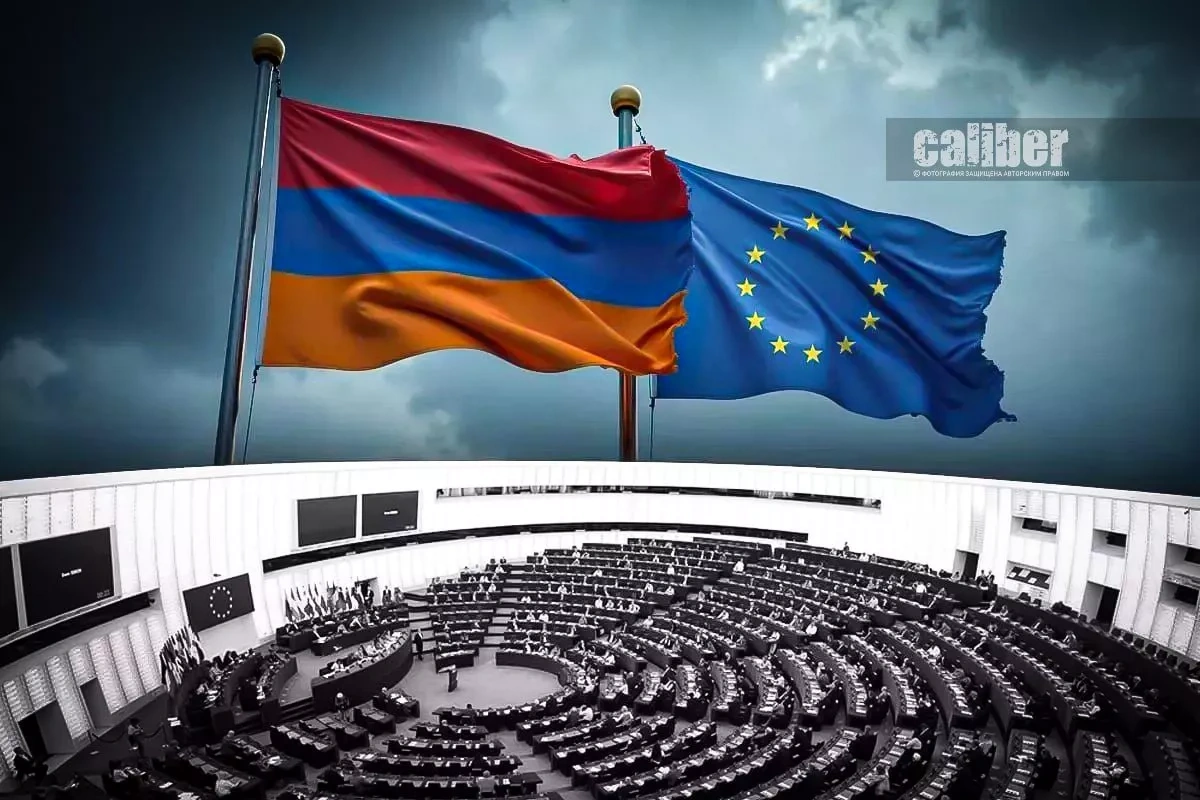
The final month of spring and the beginning of summer have proved exceptionally eventful for Armenia. In May, Yerevan hosted the European Political Community (EPC) Summit and the Armenia–EU Summit, bringing together several European leaders and senior European Union officials. June, meanwhile, saw the country hold parliamentary elections. Now, it has been announced that a high-level delegation from Brussels, led by European Commission President Ursula von der Leyen, is due to visit Armenia in July.
The objectives of the EU mission were outlined by European Commissioner for Enlargement Marta Kos, who visited Armenia in March and, according to various media reports, will be part of the July delegation. In a post on X, she wrote: "We will provide financial assistance and help make it easier for Armenia to trade with its neighbours and with Europe. I will travel to Yerevan on 5 July to take forward concrete steps."
Against this backdrop, Commissioner Kos's post suggests that one of the key objectives of the upcoming visit is to reaffirm that Brussels stands firmly alongside Armenia, particularly amid mounting pressure from Russia. This conclusion is further reinforced by the fact that preparations for the trip directly affected the European institutions' working schedule. In particular, the European Commission's College meeting, originally scheduled for July 1, was cancelled, forcing the postponement of several legislative initiatives.
This narrative is further supported by the announcement of a substantial €50 million financial assistance package for Armenia, the already approved emergency disbursement of €34 million to support the country's private sector, and measures aimed at facilitating trade in selected Armenian goods, particularly agricultural and food products. As Ursula von der Leyen stated in early June, "By extending export restrictions on Armenian products, Moscow is weaponising economic relations for political pressure. We know this playbook all too well. This is why Europe stands firmly with Armenia."
By assuming responsibility for Armenia's financial stability amid Russia's trade restrictions, the European Union is cementing its position as the country's principal economic benefactor, effectively replacing Moscow in that role. However, given that the Russian market cannot realistically be substituted in the current circumstances, the most likely scenario is that deeper cooperation between Brussels and Yerevan in this sphere will increasingly be channelled through institutional mechanisms.
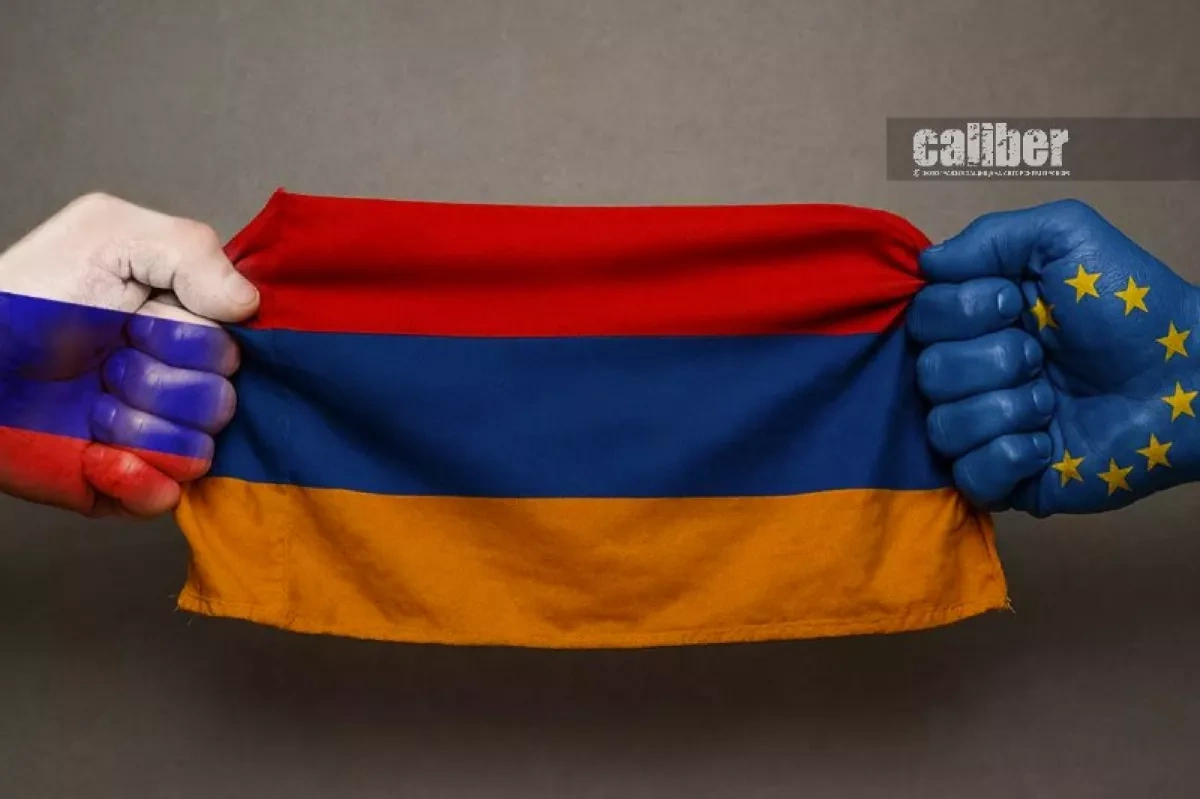
Importantly, however, the European Union has no intention of stopping there, having made clear that its ultimate objective is to displace Russia's influence in Armenia altogether. This strategy is facilitated by Yerevan's effective suspension of its participation in the Collective Security Treaty Organisation (CSTO), the Armenian government's declared pro-Western course, and the EU's determination to integrate the country into European political structures as swiftly as possible.
To advance this geopolitical objective, Brussels is also seeking to establish itself as a security actor. This is reflected in the presence of the EU's missions in Armenia—the European Union Mission in Armenia (EUMA) and the European Union Partnership Mission (EUPM). The latter's two-year mandate is focused on strengthening cyber resilience, countering foreign information manipulation and disinformation, and enhancing civilian security.
At the same time, Brussels has shown a keen interest in developing transport and logistics corridors linking Europe and Asia while bypassing both Russia and Iran. In this context, Armenia is increasingly viewed as an integral component of the EU's broader strategy in the South Caucasus. In short, through Armenia, Brussels is steadily seeking to transform the region into a sphere of its own political influence.
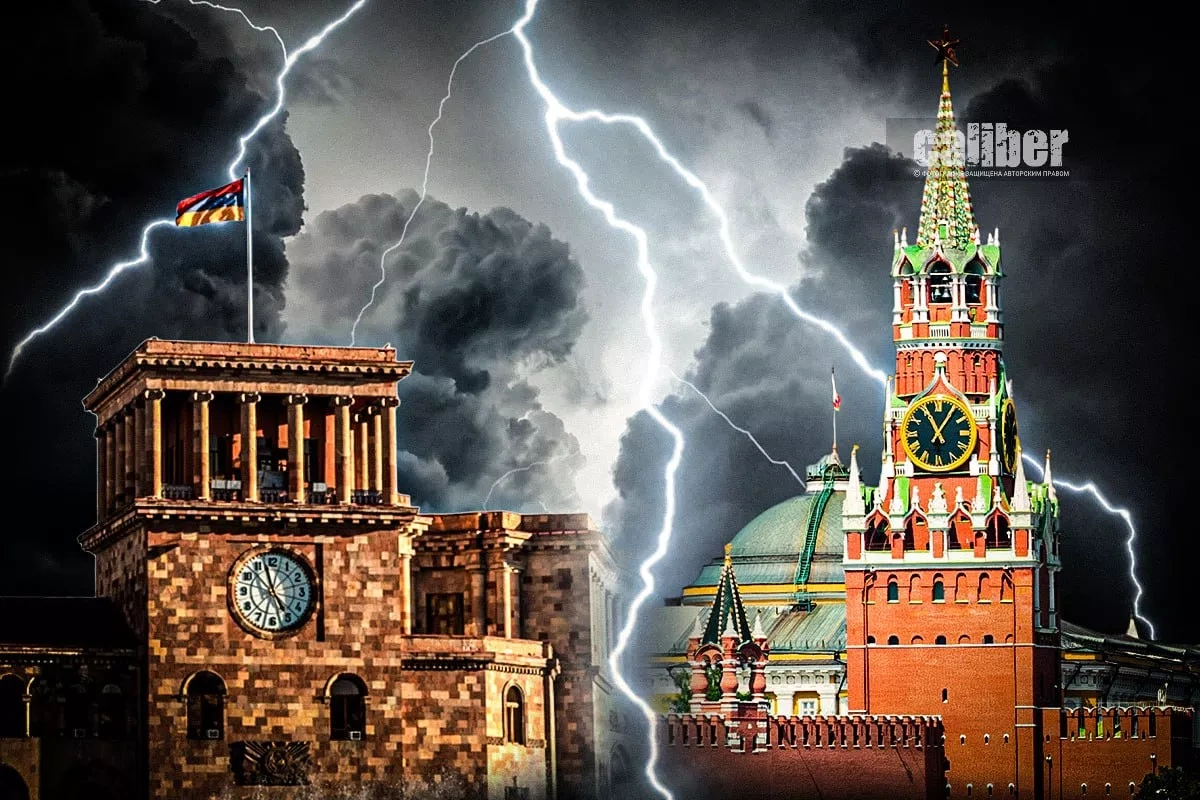
Russia, for its part, has made it clear that it has no intention of relinquishing its influence over Armenia. However, whereas Moscow previously adopted a cautious diplomatic tone, limiting itself to reminders of the importance of bilateral cooperation—particularly in the economic sphere—its rhetoric has become markedly tougher following Pashinyan's victory in the parliamentary elections. The Kremlin is now demanding clear and unequivocal answers from the Armenian authorities on issues of strategic importance, particularly regarding the Eurasian Economic Union (EAEU) and the Collective Security Treaty Organisation (CSTO).
Most recently, Russia's Permanent Representative to the CSTO, Viktor Vasilyev, outlined Moscow's expectations in an interview with a Russian media outlet. Asked what actions Russia expected from Armenia, he replied: "They need to make a decision—whether they remain in the organisation or choose a different
Shortly beforehand, the diplomat had also stated that Armenia's future membership of the Collective Security Treaty Organisation would be discussed by the organisation's leadership.
"The question of Armenia's continued membership in the CSTO will be the subject of the closest attention and discussion at the highest level," Vasilyev said during the St Petersburg International Legal Forum. He also warned that the European Union's ambitions in Armenia risk further escalating tensions in the South Caucasus.
At the same time, Russia has been warning the Armenian authorities of the risks associated with falling under Western influence and forfeiting the economic benefits they currently enjoy. Moscow argues that the advantages of membership in the Eurasian Economic Union (EAEU)—including duty-free trade, preferential energy prices, and financial support—cannot be maintained at their current level if Yerevan continues to deepen its ties with the European Union. In short, the current trajectory of Armenian–Russian relations is characterised by increasingly uncompromising rhetoric and tangible pressure from Moscow.
Against this backdrop, it is reasonable to conclude that the European Union's upcoming visit to Armenia also carries an evaluative dimension. EU representatives are expected to assess firsthand whether the Armenian leadership remains firmly committed to its course towards European integration and whether it has any intention of deviating from that