BAKU, Azerbaijan, June 25. Iran is ready for
active and constructive cooperation with BRICS member countries to
achieve profitable and secure energy goals.
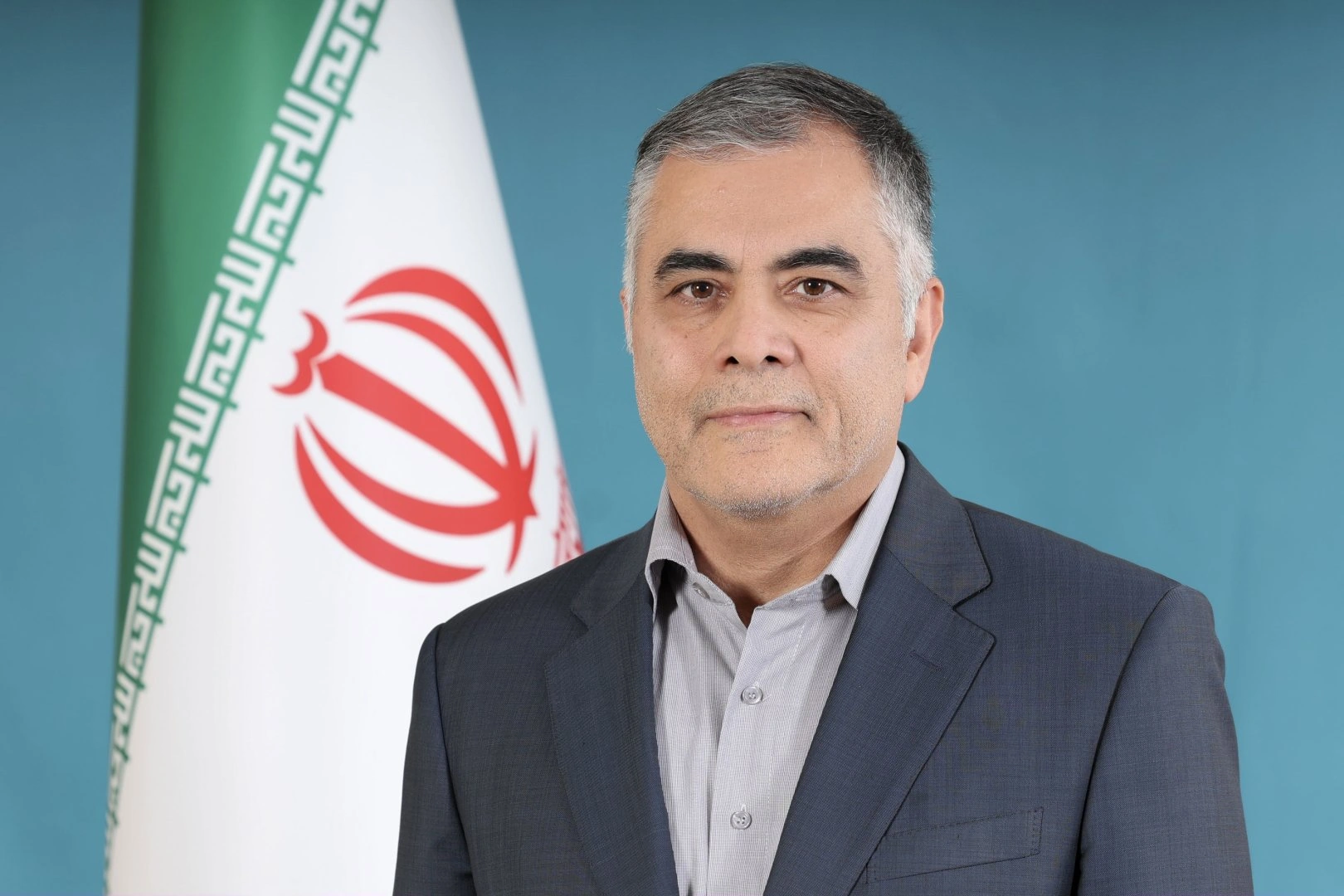
This was announced by Iranian Oil Minister Mohsen Paknejad at
the 11th meeting of oil and energy ministers of BRICS member
countries in India today.
He said that Iran is ready to play an active role in energy
cooperation with BRICS member countries.
According to him, Iran has rich energy resources, international
technical capabilities, and a strategic position.
“For this aim, it's interested in constructive cooperation for
the formation of a fair and secure energy structure within BRICS,”
he pointed out.
Paknejad noted that Iran, as one of the world's largest oil and
gas producers, has been able to achieve its goals in the
development of energy sector infrastructure despite the existence
of sanctions for many years. Thus, Iran's total gas production in
2025 exceeded 280 billion cubic meters. This is approximately 7% of
the world's natural gas production.
“Meanwhile, Iran’s crude oil production potential has increased
to 4.2 million barrels per day, and oil product production to 2.4
million barrels per day. Iran has high potential for transporting
crude oil and natural gas through thousands of kilometers of
pipelines in energy transportation,” he said.
The Iranian minister also pointed out that the revival of the
world’s energy markets is currently facing serious problems due to
the sanctions imposed on countries with large oil and gas reserves.
BRICS members have a shared responsibility to prevent problems in
energy markets and maintain stability. In this regard, conditions
should be created for two aspects of energy security, namely secure
demand and supply. As a practical step, it is possible to create
conditions for energy security in member countries within the
framework of the BRICS energy cooperation roadmap for 2025-2030, in
order to stabilize energy prices.
Iran currently has 74 active oil fields and 22 gas fields. Of
these, 37 oil fields are operated by the South Oil Zones National
Company, 14 by the Central Oil Zones Company, 5 by Arvandan Oil and
Gas Production Company, and 18 by the Offshore Oil Company. On the
gas side, 5 fields are managed by the South Oil Zones National
Company, 13 by the Central Oil Zones Company, 1 by Pars Oil and Gas
Company, and 3 by the Offshore Oil Company.
The country’s total hydrocarbon reserves are estimated at 1.2
trillion barrels, of which about 340 billion barrels are
recoverable using current technology. Iran is able to extract
roughly 30% of its reserves, while the remaining 70% remains
untapped underground.