BAKU, Azerbaijan, June 25. Uzbekistan is
stepping up efforts to expand housing construction and modernize
the building sector through the wider use of locally produced,
energy-efficient materials.
This was reflected in the statement by the Press Secretary to
the President of the Republic of Uzbekistan.
Earlier this year, the government adopted a large-scale housing
development program aimed at doubling the number of homes built
annually by 2040 to 280,000 units. The number of residential
complexes under the “New Uzbekistan” initiative is also set to
increase from 61 to 120. In parallel, the country commissions 20–25
million square meters of commercial real estate every year,
creating annual demand for at least $10 billion worth of
construction materials.
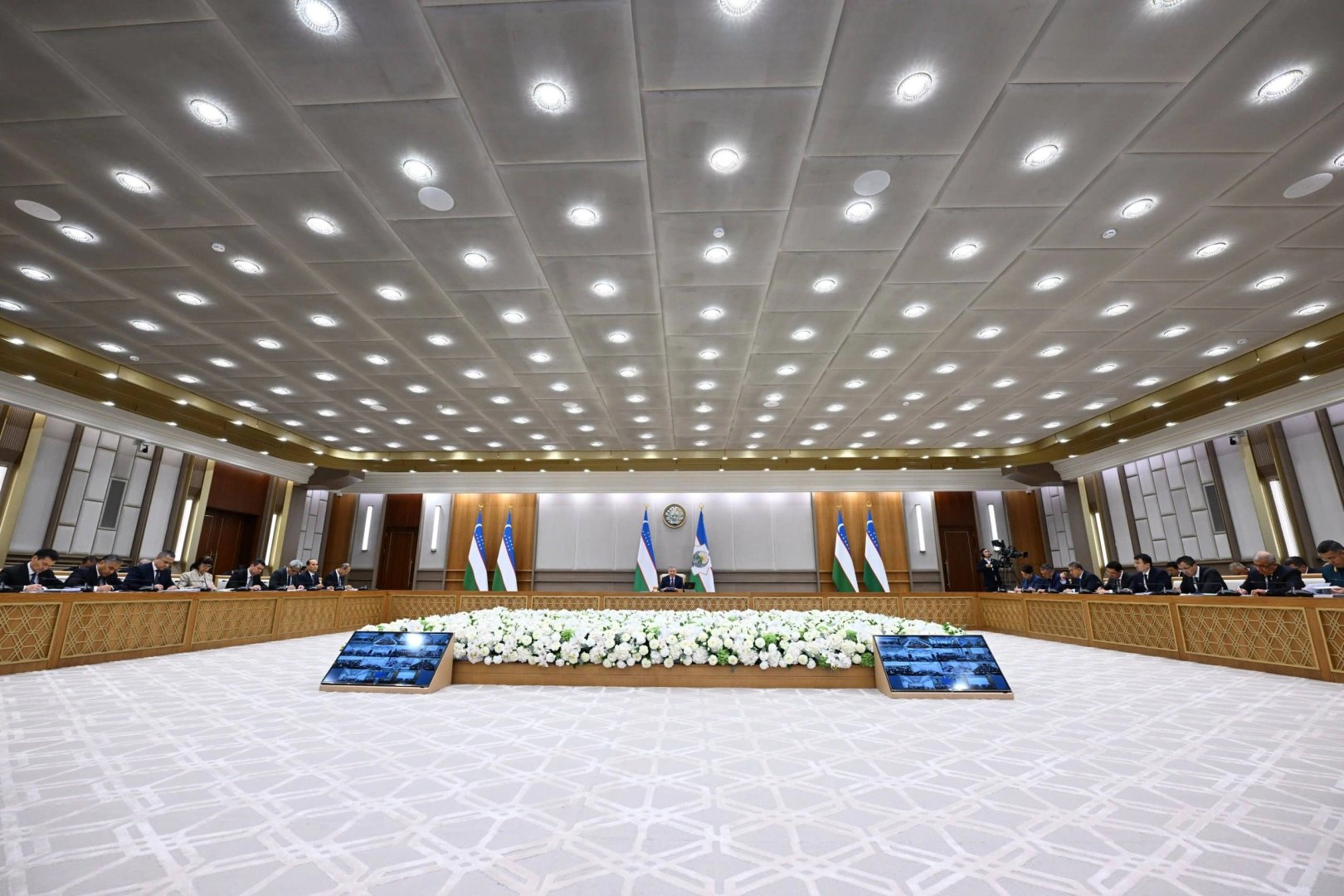
Speaking at a meeting dedicated to the construction materials
industry, President of Uzbekistan Shavkat Mirziyoyev noted that
major infrastructure projects planned across the country will
further increase demand. Among them are the construction of a
nuclear power plant in Jizzakh, a new copper processing facility in
Tashkent Region, the New Tashkent Airport with a capacity of 20
million passengers annually, a 55,000-seat football stadium, and a
282-kilometer Tashkent–Samarkand highway.
"We must frankly admit that many people are still not
sufficiently aware of the advantages of energy-efficient
materials," President Shavkat Mirziyoyev said.
At the same time, authorities are placing greater emphasis on
energy efficiency in the housing sector. Uzbekistan currently
builds around 65,000 individual homes each year, while another
200,000–250,000 households undergo renovation. According to the
president, many citizens remain insufficiently informed about the
benefits of energy-saving construction materials.
Residential heating alone accounts for about 20% of the
country’s natural gas consumption and 11% of electricity use.
Officials estimate that insulating building facades and roofs and
installing energy-efficient windows can reduce energy consumption
by up to 30%.
A pilot project based on design approaches developed by French
and British companies is currently being implemented in the Kamashi
district, where a 4,000-apartment "New Uzbekistan" residential
complex is under construction. The project relies entirely on
locally produced energy-efficient materials, reducing construction
costs by at least 20% and lowering heating and cooling expenses by
30%.
Regional authorities have been instructed to study the Kamashi
experience and apply similar design standards to multi-story
residential projects in 33 districts and cities. The government has
also tasked responsible agencies with developing recommendations on
the use of energy-efficient materials and ensuring that information
about available incentives under the "Green Renovation" program
reaches construction companies and households nationwide.
Officials stressed that stronger links between major development
projects and domestic producers will be essential to meeting rising
demand while improving quality, sustainability, and energy
efficiency across the construction sector.