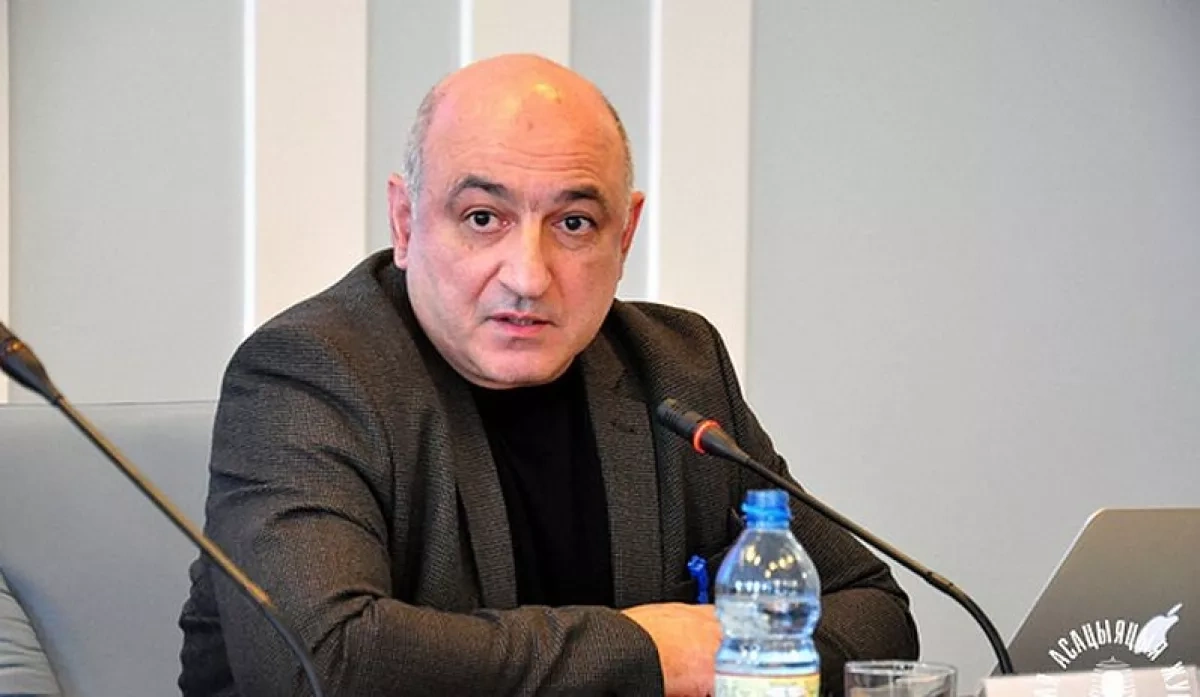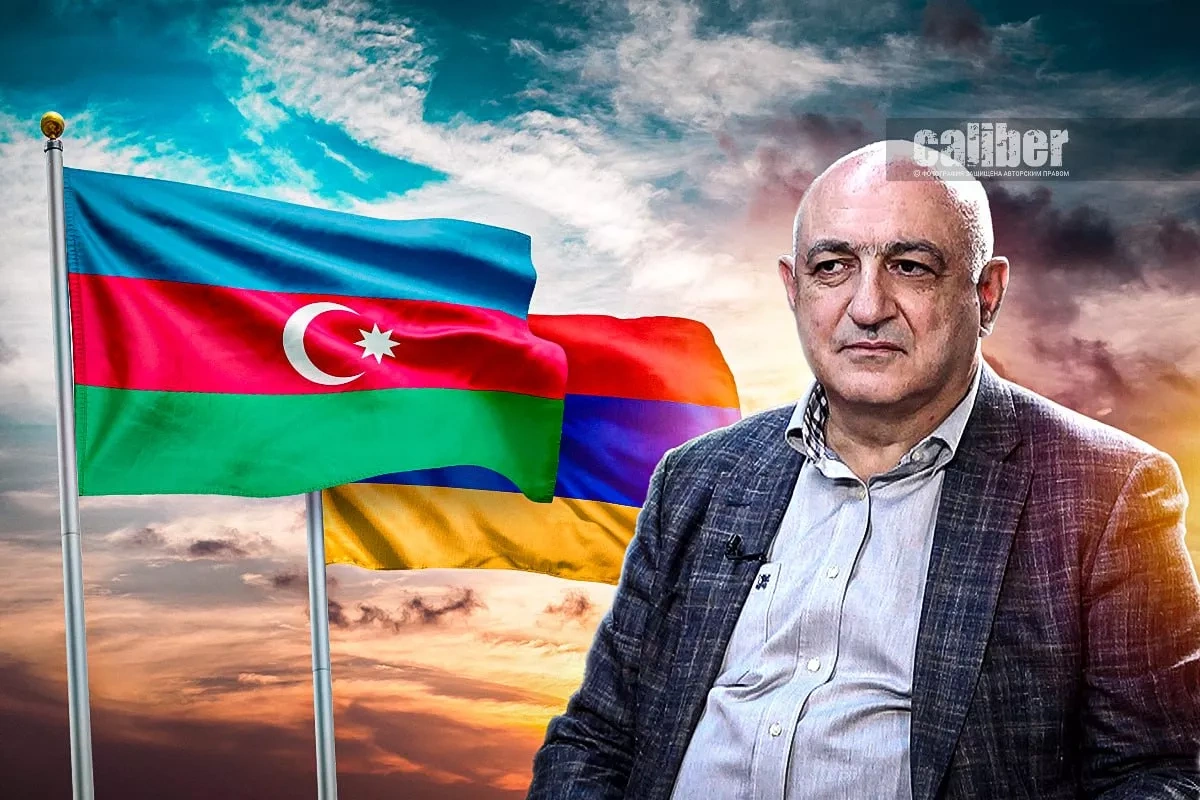
Armenia’s post-election moment has sharpened debates over domestic politics and the country’s peace agenda with Azerbaijan. While the vote clarified parliamentary dynamics, key questions remain about constitutional reform, voter motivations, and the future of regional normalisation. In an interview with Caliber.Az, Armenian political analyst, the Honorary President of the Yerevan Press Club, representative of the civic initiative “Peace Bridge”, Boris Navasardyan reflects on the implications of the elections and the prospects for continued Armenia–Azerbaijan dialogue.
— Parliamentary elections have taken place in Armenia. How do you assess their results, the reaction of Armenian society to these events, and the prospects for further dialogue between Azerbaijan and Armenia?
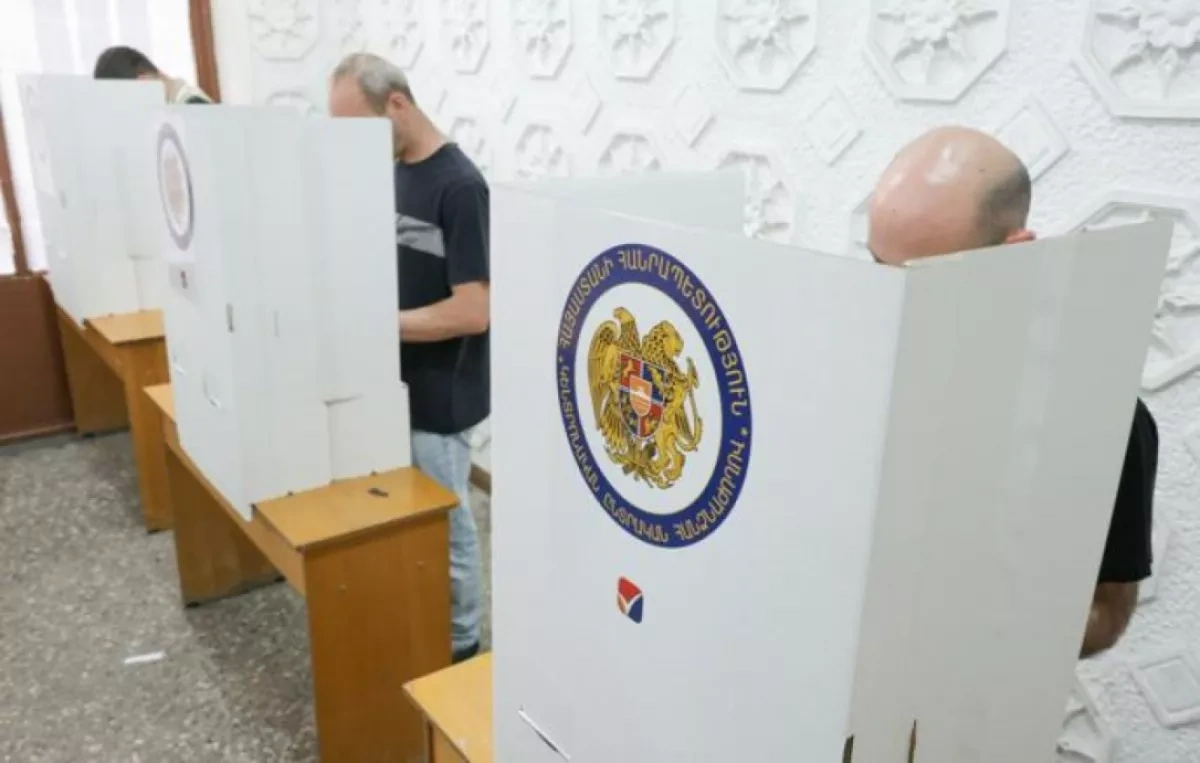
— The parliamentary elections produced roughly the results that had been forecast by serious Armenian experts. The discrepancies with most sociological polls, in principle, say little, since, firstly, a significant portion of them were conducted by biased organisations, and secondly, even conscientious researchers faced a serious problem: up to 80% of respondents refused to answer the question about their choice. Accordingly, the results could not fully reflect the real attitudes of voters. In my view, a typical mistake of external observers is correlating the percentages obtained by parties and blocs with the orientation of Armenian society towards peace or revanchism, or towards a European or Russian vector in Yerevan’s foreign policy.
The main part of Armenia’s electorate was guided primarily by trust, sym
On the other hand, among those who voted for the ruling “Civil Contract” party, there may be citizens who do not fully support Pashinyan’s foreign policy course, but who were firmly opposed to the return to power of those associated, in one way or another, with the past. A certain role was also played by voters’ personal interests, which is why there is so much discussion about the abuse of administrative resources or voter bribery.
All of this is important to bear in mind when assessing sentiments within Armenian society. I am convinced that the share of supporters of normalisation of relations with Azerbaijan is significantly larger than the combined result of “Civil Contract” and several minor parties that support the signing of a peace agreement with Azerbaijan. Therefore, the prospects for continuing and deepening Armenian-Azerbaijani dialogue are quite promising.
— What are the further plans of the civic initiative of the two countries, “Peace Bridge”, in which you are also actively involved?
— The recent meeting between Armenian Security Council Secretary Armen Grigoryan and Assistant to the President of Azerbaijan Hikmet Hajiyev, who directly supported the “Peace Bridge” initiative, indicates that after a certain pause related to the elections, interaction between the two sides across all areas will continue. Therefore, I believe that the public in both countries will soon learn about new initiatives within the framework of “Peace Bridge”. As previously noted, specific projects in certain fields will be agreed upon and implemented—exactly which ones and within what timeframe will be discussed by the participants of the initiative at upcoming meetings.
I believe it is important to note that, in addition to the “Peace Bridge” initiative, contacts and cooperation between experts, journalists, and representatives of civil society from Armenia and Azerbaijan continue within other frameworks as well. My organisation, the Yerevan Press Club, continues its joint work with the Baku Press Club, primarily through our shared media platform PressClubs TV, where televised dialogues between representatives of the two countries are regularly broadcast, including a weekly segment featuring the coordinators of “Peace Bridge”, Arek Kochinyan and Farhad Mammadov.
— Contrary to analysts’ forecasts, and following the elections, there has been no warming in relations between Moscow and Yerevan. Why, in your view, is the level of tension in the rhetoric of Russian representatives not decreasing? What is Russia seeking from Armenia through its strong political pressure and the introduction of economic sanctions on certain Armenian goods? How do you see this situation developing? Will Pashinyan be able to reach a consensus with Moscow?
— As recent events have shown, Russia was highly interested in delegitimising the parliamentary elections in Armenia in order to bring to power in Yerevan a weakened government that would be easier to influence. A wide range of tools was used—from informational and economic pressure on the electorate to direct support for certain opponents of Pashinyan. This has led to even greater nervousness in an already highly polarised political scene. However, it would be a major exaggeration to say that the Kremlin has achieved its goal.
Yes, the opposition will use all available mechanisms to challenge the official election results, including appeals to the Constitutional Court, which will preserve a certain level of confrontation in society. But this is unlikely to significantly constrain the hands of the government that will be formed in August this year. Moreover, Pashinyan has already received congratulations on his electoral victory from the overwhelming majority of the international community.
In time, the Russian authorities will also have to take this into account. Therefore, Moscow and Yerevan will need to address the existing contradictions, primarily in the economic sphere, both at the bilateral level and within the framework of the EAEU. At the same time, it is clear that political and security ties cannot return to the level seen, for example, three years ago. Armenia has already found, and continues to seek, new and more reliable partners in this regard. Be that as it may, one can only hope that pragmatism will prevail, and that Russia will build relations with our country taking into account contemporary realities.
— It is quite obvious that intra-parliamentary struggle in Armenia, with the start of the new political season, is set to become extremely tense: alongside “Civil Contract”, representatives of two opposition parties have entered parliament, clearly representing the interests of external actors. Prime Minister Nikol Pashinyan has already announced a tough stance towards the opposition, including in the legal sphere. It is also evident that these forces will primarily seek to derail the signing of a peace treaty between Baku and Yerevan, as well as the adoption of key legislation necessary for the country’s development. In your view, will the Prime Minister of Armenia and “Civil Contract” be able to influence these plans and secure a referendum on constitutional amendments in the country? What parliamentary strategies could be employed in this case?
— Much will depend on how rationally the deputies from the ruling majority and the opposition approach their work in the National Assembly. I do not rule out that they may come to realise the lack of prospects in the confrontational atmosphere that prevailed in the parliament during the previous five-year period and significantly damaged the image of the Armenian political class in the eyes of society.
If the forces that have entered the legislature aim for success in the next electoral cycle as well, they will need to demonstrate that, despite all disagreements, they are capable of effective cooperation in the name of national interests, peace, and regional development, and of seeking compromises on issues requiring a constitutional majority.
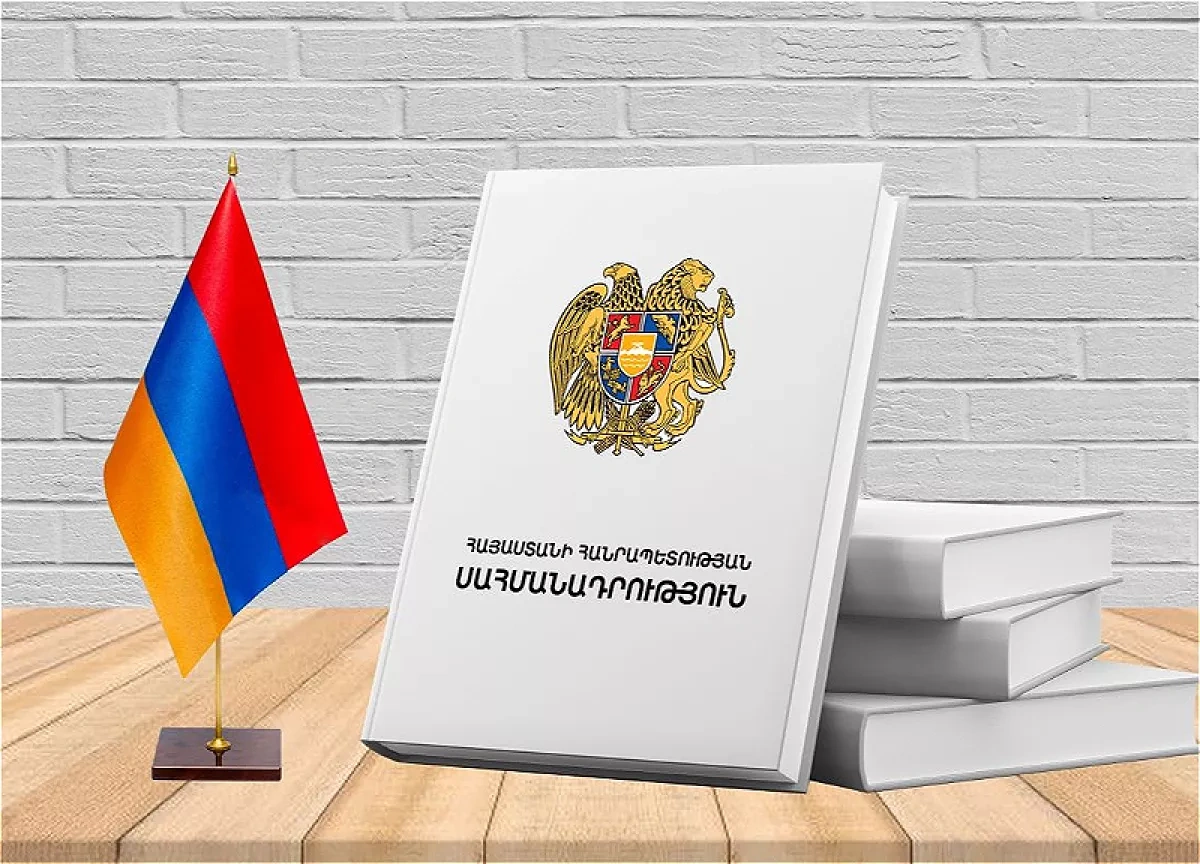
The Azerbaijani public is interested in the possibility of parliamentary support for a draft new Armenian constitution, which to a large extent determines the timing of the signing, ratification, and entry into force of the Agreement on Peace and the Establishment of Interstate Relations between the two countries. At the same time, it is important to understand that the significance of the new Basic Law lies not only in the change of the preamble, which raises questions in Azerbaijan, but also in the reform of a number of institutions regulating political and public life within Armenia itself.
Therefore, even if there is sufficient consensus both in parliament and among citizens regarding the preamble—which is quite achievable—there remains a whole range of other constitutional provisions that require broad consensus. This process may take time, especially since the draft new constitution has not yet been published and public discussion has not begun.
I have believed, and continue to believe, that the gradual process of normalisation of relations between Baku and Yerevan should not become hostage to domestic political conjuncture in Armenia.
There are already achievements that, just a year ago, we could not even have imagined: above all, negotiations in various formats, decisions in the fields of transport communications, trade, and dialogue between societies. We have reached a point where further expansion may be hindered by the absence of diplomatic relations. Perhaps it is precisely this issue that should become a priority in the near term.
Progress in implementing such ideas and plans cannot but have a positive impact on society and on its elected representatives in the Armenian parliament. It is on this—rather than on tactical intrigues—that, in my view, efforts should be focused in order to overcome the resistance of the destructive segment of the Armenian political establishment, including within its legislative framework.