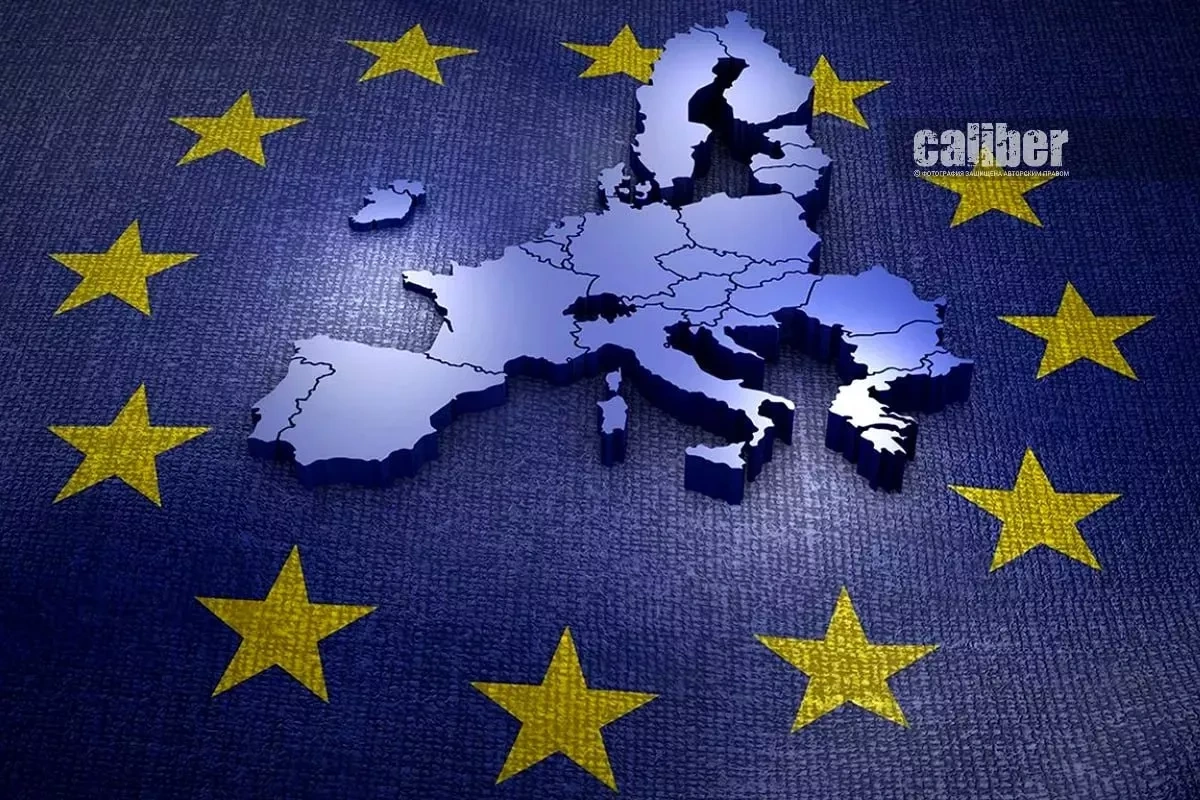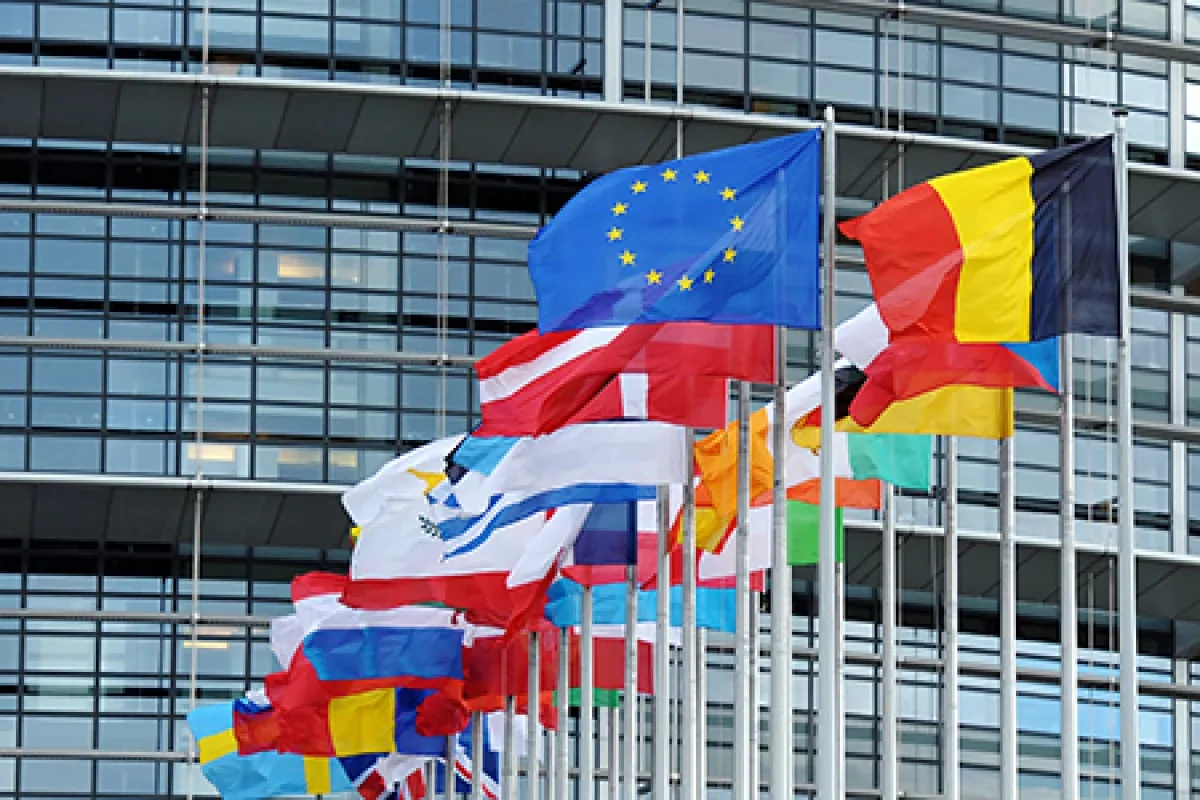
Against the backdrop of geopolitical tensions and intensifying competition, the issue of European Union enlargement to include the Western Balkan countries has once again come to the forefront.
Since February 2022, the EU has begun to view Balkan integration as an instrument for strengthening its own security and influence in Southeastern Europe, and this trend has intensified further after, in April of this year, states of the region demonstrated particular activity at the Delphi Economic Forum, calling on Brussels to accelerate the process of their accession to the European Union.
“We underline the importance of integrating the Western Balkans into the EU as a strategic imperative for European security which aims to enhance resilience, autonomy, and readiness in the region and across Europe. We welcome in that vein the EU’s renewed focus on the enlargement process and on the EU integration of the Western Balkans, as a geostrategic investment in peace, security, stability and prosperity in our region and our continent,” the statement of the regional states said.
And on the eve of this, the European Parliament (EP) issued a resolution calling on the Western Balkan states to accelerate the implementation of fundamental reforms for further integration into the Union. The document covers Bosnia and Herzegovina, Albania, Montenegro, and North Macedonia, which are officially considered candidate countries for EU membership.
Here it is necessary to make an important clarification: despite its status as an active supporter of EU enlargement, the European Parliament itself does not conduct official accession negotiations and does not set specific dates. These functions are the responsibility of the European Commission (EC) and the Council of the EU. At the same time, full membership becomes possible only after the accession treaty is approved by all 27 member states of the Union.
Thus, it is reasonable to examine the countries mentioned in the resolution — with the exception of Montenegro, whose EU accession process is now considered largely a foregone conclusion — through the prism of their real prospects of becoming full members of the “European family,” starting with Bosnia and Herzegovina (BiH).
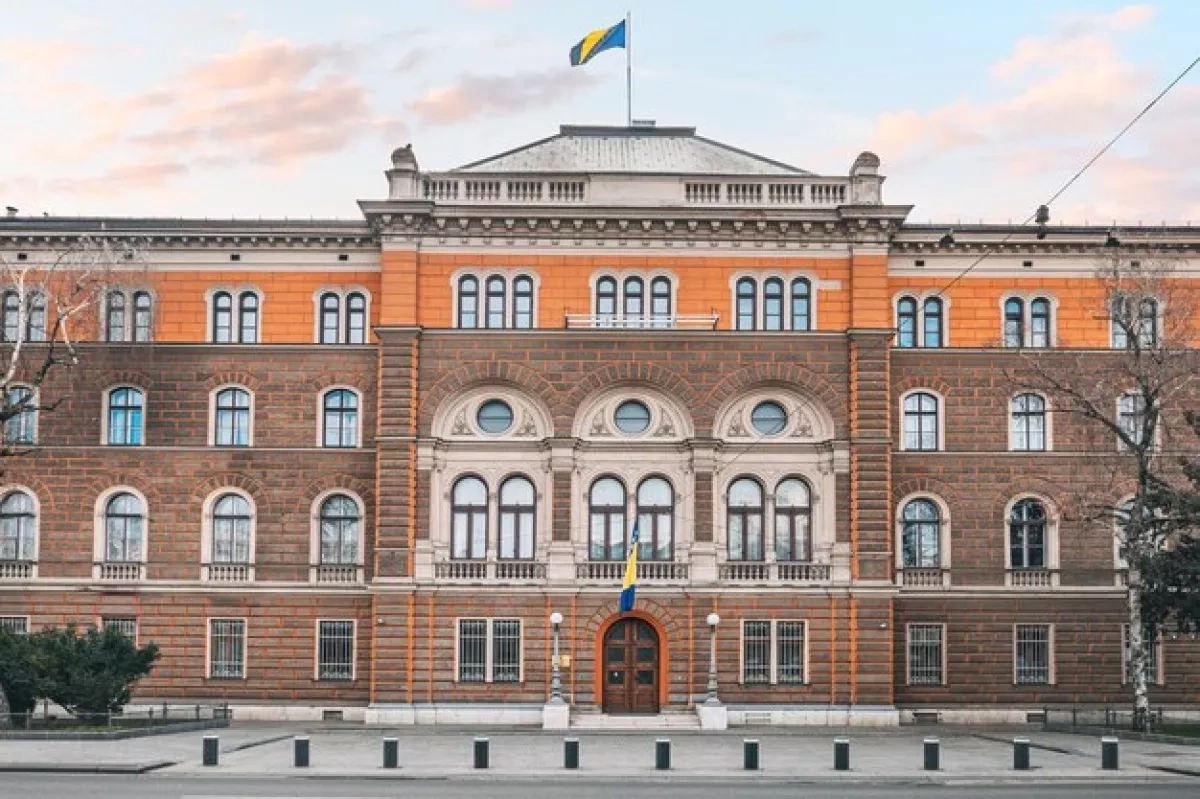
Members of the European Parliament, while reaffirming their support for the country’s EU membership, have also called for democratic reforms, traditionally setting out a list of conditions. Among them, particular attention is drawn to the demand to end politically motivated vetoes and destructive rhetoric that hinder the country’s European aspirations.
It is fair to note that Bosnia and Herzegovina’s integration agenda into the EU is indeed hampered by the actions of ethno-nationalist elites.
Here it is also necessary to highlight a key point: the state structure established by the Dayton Peace Agreement of 1995 divides the country into the Federation of Bosnia and Herzegovina, Republika Srpska, and the Brčko District — a territory with a special status under the joint administration of both entities. This arrangement creates an institutional deadlock.
At the same time, ethno-nationalist leaders are reluctant to reach compromises, as any changes to the power structure threaten their personal interests. The leadership of Republika Srpska periodically issues statements blocking the adoption of nationwide laws required for EU integration.
However, the problem also lies in the fact that Brussels does not make concessions regarding the Copenhagen criteria, demanding that Bosnia and Herzegovina fulfil all 14 key priorities without reducing the reform agenda, and firmly excluding any deviation from the principles of the rule of law, democracy, and the fight against corruption, while expecting tangible results in the investigation of high-level corruption schemes.
In addition, in order to join the EU, the country must simplify its system of governance and implement large-scale constitutional and electoral reforms. Accordingly, as follows from the above, it is premature to speak about any near-term prospect of this country’s membership in the European Union.
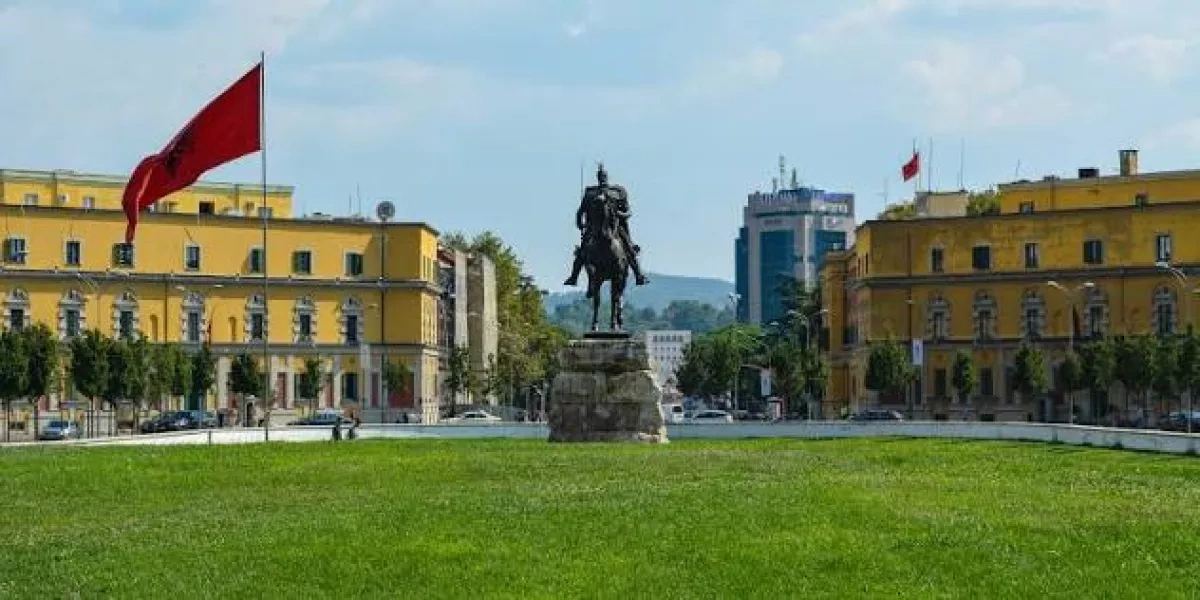
As for another candidate — Albania — the EP report highlights the country’s progress in recent years, while also stressing the importance of overcoming internal polarisation.
As is known, since the fall of the communist regime, the country’s political landscape has traditionally been divided into two antagonistic camps: the ruling Socialist Party (SP) and the opposition Democratic Party (DP). This tension regularly spills over into protests demanding early elections and accusing the authorities of corruption and electoral fraud.
Recently, the country was shaken by a wave of protests dubbed the “Flamingo Revolution,” which spread across Tirana and the Adriatic coast. Tens of thousands of citizens took to the streets, expressing dissatisfaction with the entire political elite, whom they accused of systemic corruption and an inability to improve living standards.
Nevertheless, according to international experts, Albania still maintains relatively strong prospects for EU accession, although the final decision will depend on the effectiveness of domestic reform outcomes.
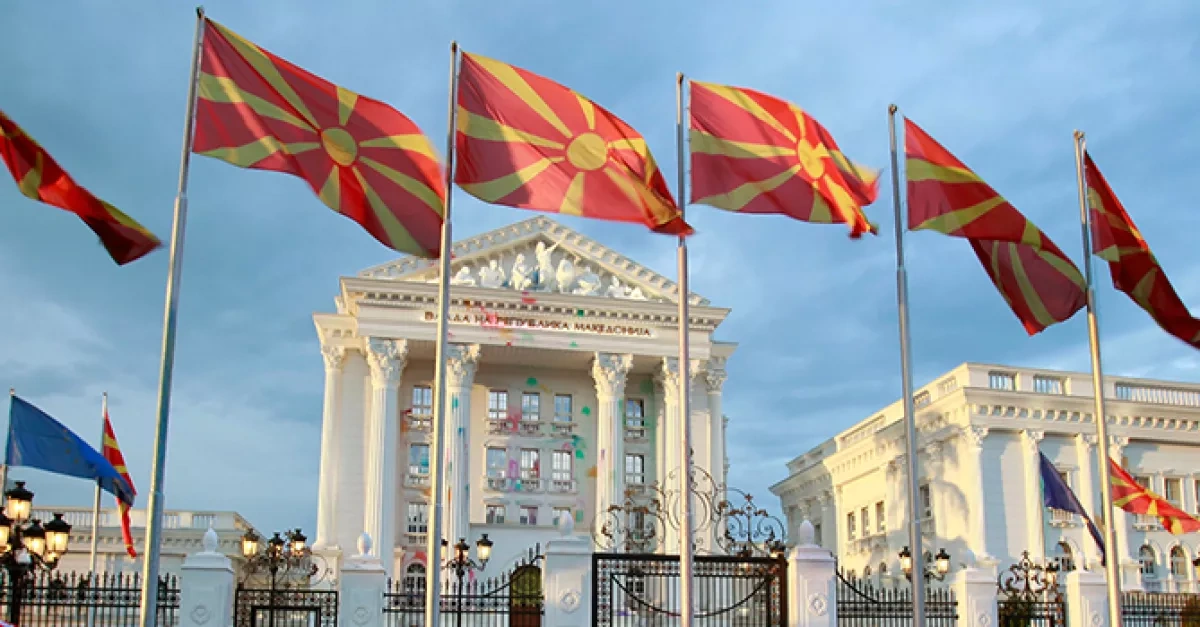
Regarding North Macedonia, it can be said that the country has a high level of legislative readiness for EU accession, but the process has effectively been blocked due to bilateral disputes with Bulgaria, which have a long-standing historical background.
The main stumbling block is the protection of the rights of Bulgarians in the country, as well as disagreements over interpretations of shared history, language, and identity in the context of Skopje’s integration into the European Union.
Bulgaria demands that North Macedonia include Bulgarians in its Constitution as a constituent people — a move that the authorities in Skopje fear could lead to further demands from Sofia, which maintains that the Macedonian nation and language historically derive from Bulgarian roots.
The two sides also dispute the historical legacy of figures such as revolutionary Gotse Delchev. The Bulgarian side argues that North Macedonia uses anti-Bulgarian rhetoric and appropriates a shared past. It also does not recognise Macedonian as a separate language, considering it a regional standard of Bulgarian, and opposes its potential status as an official EU language should the country eventually join the Union.
However, alongside the internal processes in the aforementioned countries that are impeding their EU accession, contradictions also persist within the Union itself. A majority of EU member states remain concerned about unresolved economic problems and corruption risks, which, in the event of these countries joining the EU, could place a significant burden on existing members.
This suggests that the prospect of European integration will be determined not so much by political declarations — such as those issued by the European Parliament — but rather by the ability of the candidate countries to resolve their own internal challenges.
In this context, it is most likely that the accession process of the Western Balkan states to the European Union will be a long-term one. At the same time, there is no doubt that for Brussels, expanding its sphere of influence remains a key element of its geopolitical strategy aimed at strengthening the EU’s position in the region.