The Caliber.Az editorial team presents a new edition of the “Events” programme, hosted by Murad Abiyev, in an analytical review of the key developments of the week.
Azerbaijan – Armenia
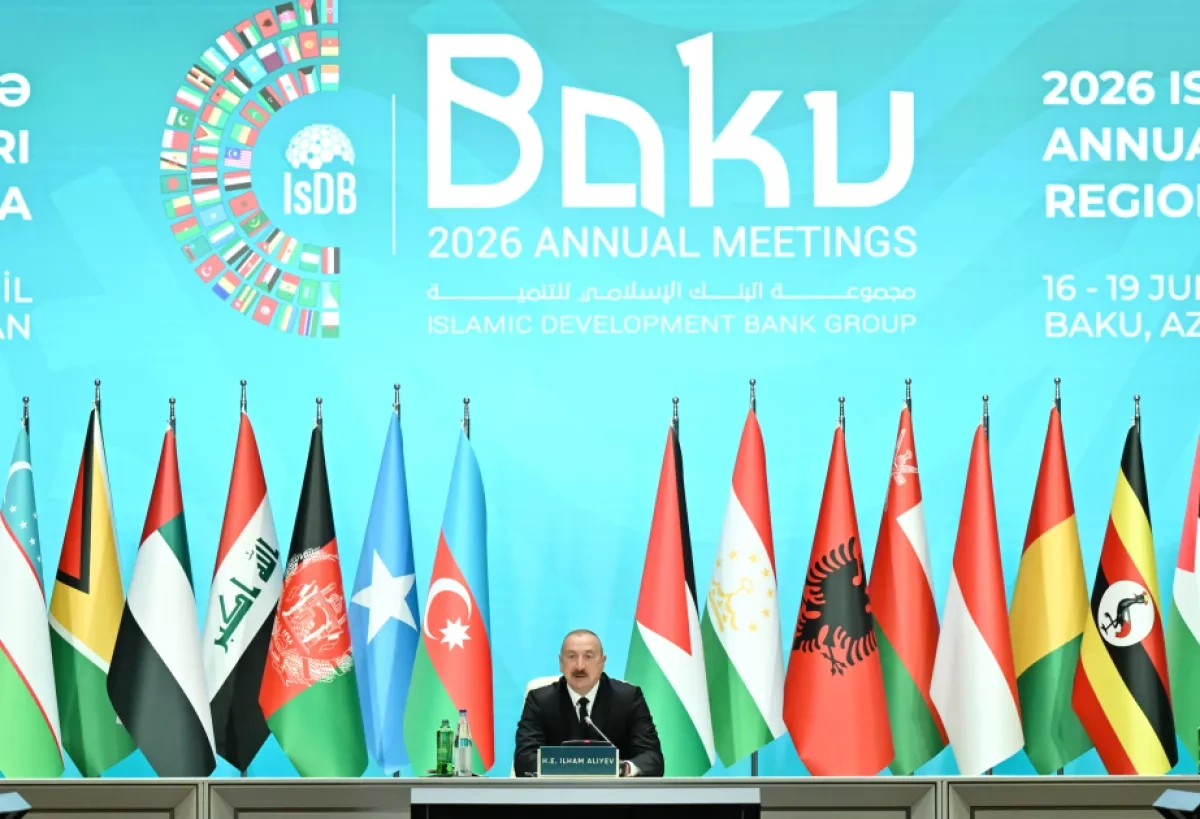
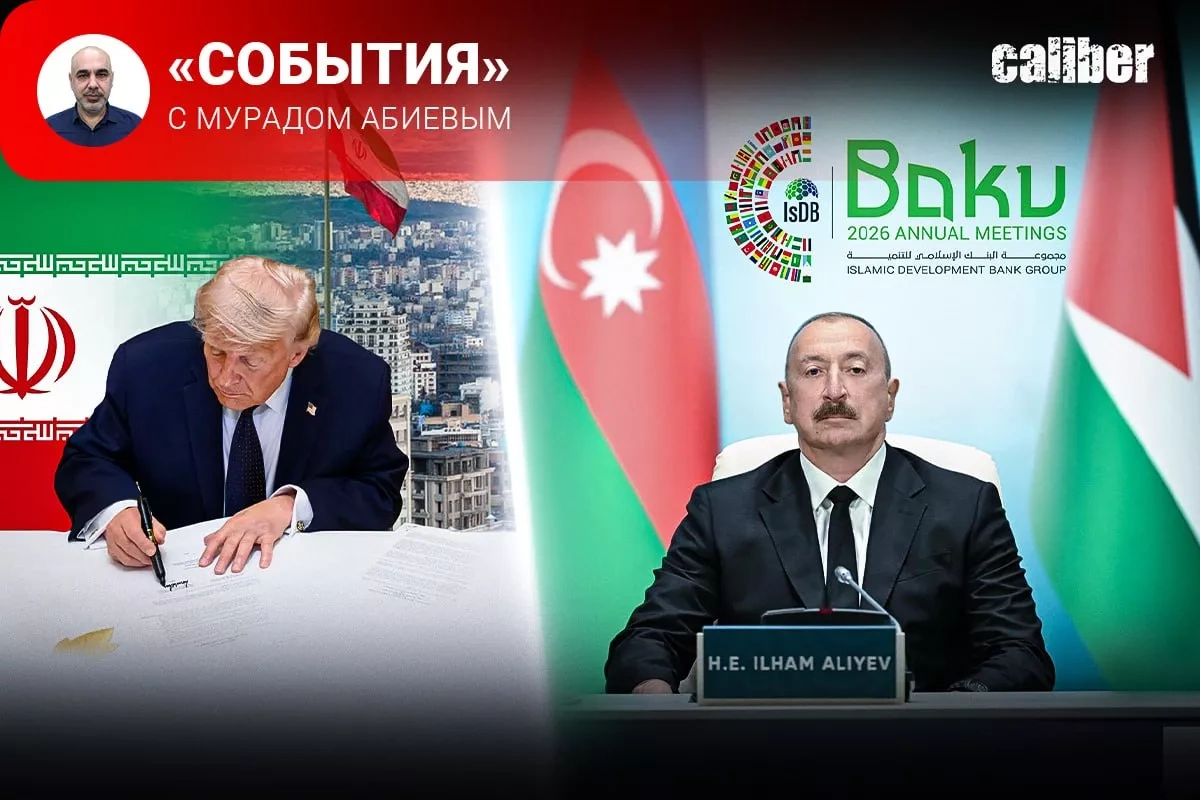
Baku hosted the Annual Meetings of the Islamic Development Bank Group for the second time since 2010. The forum brought together finance and economy ministers, heads of international financial institutions, business leaders, and delegations from the bank’s 57 member states. Particular attention was devoted to the development of international transport routes, trade links, and economic corridors, including projects crossing the South Caucasus and the Caspian region.
President of Azerbaijan Ilham Aliyev’s address at the opening ceremony focused on several key themes. In particular, Azerbaijan was highlighted as one of Eurasia’s major energy and logistics hubs, supplying natural gas to 16 countries, advancing the East–West and North–South international transport corridors, and aiming to double its transit cargo capacity.
Among the country’s strategic priorities for the coming years, President Aliyev identified the further development of Azerbaijan’s transport hub infrastructure, strengthening food security through the modernisation of agriculture and irrigation systems, and accelerating the expansion of renewable energy projects.
Speaking about the restoration of Azerbaijan’s territorial integrity, Aliyev emphasised that those who provided the so-called “umbrella” for these negotiations pursued a single goal — to keep Azerbaijan’s lands under Armenian occupation indefinitely, naming the three co-chair countries of the OSCE Minsk Group. “They wanted our land to be under Armenian occupation. That was a joint decision, but we changed those plans.” These remarks echoed strongly in Baku’s independent policy, demonstrating to smaller states that, given sufficient political will, it is possible to resist even the united position of major world powers.
The final results of the parliamentary elections held in Armenia on 7 June were announced. The main intrigue — whether the Prosperous Armenia party of pro-Russian oligarch Gagik Tsarukyan would enter the National Assembly — was resolved in favour of the ruling party. Tsarukyan’s party failed to cross the 4% threshold, meaning that the Civil Contract party retains all previously declared 64 seats in parliament.
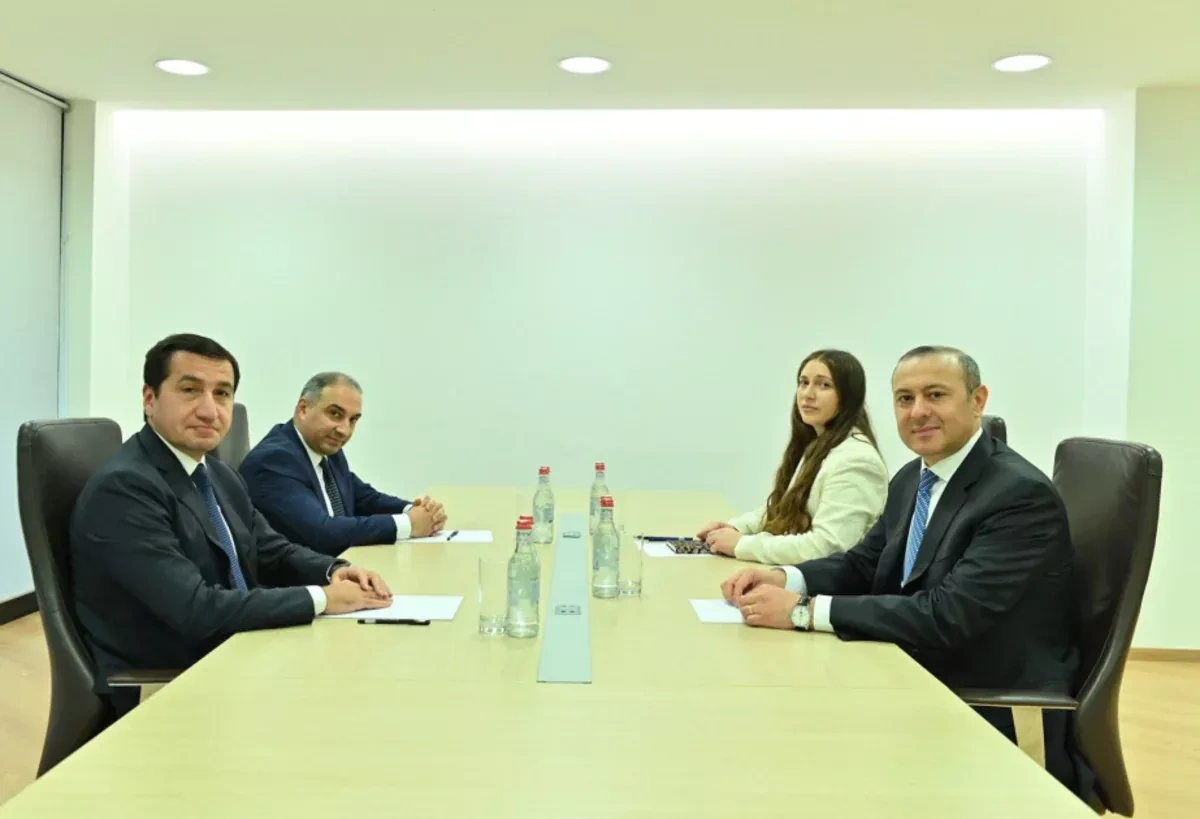
One of the main indicators that Baku is positively inclined towards continuing the normalisation process with Yerevan after the elections in Armenia was the visit of Assistant to the President of the Republic of Azerbaijan, Hikmet Hajiyev. A working meeting took place in Dilijan between Hajiyev and the Secretary of the Security Council of Armenia, Armen Grigoryan. During the meeting, the importance of maintaining bilateral dialogue was emphasised in the context of efforts aimed at promoting lasting peace and stability in the region.
US – Iran
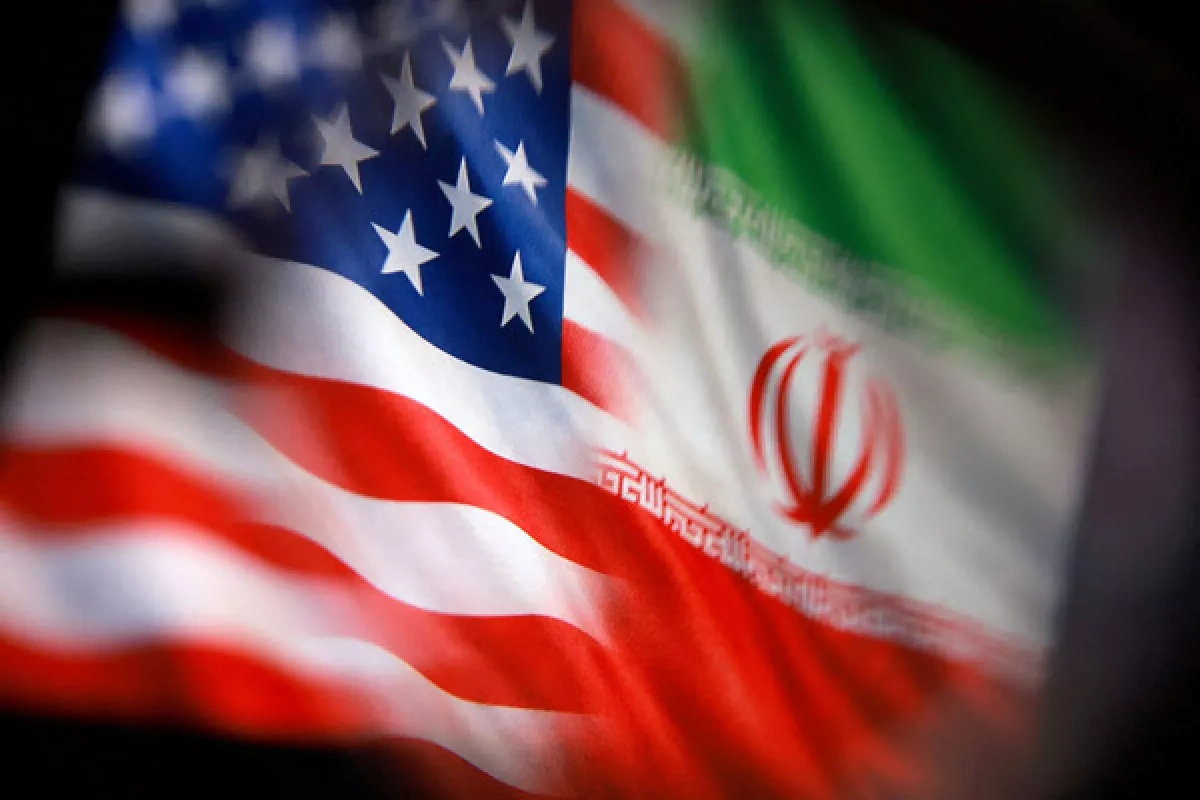
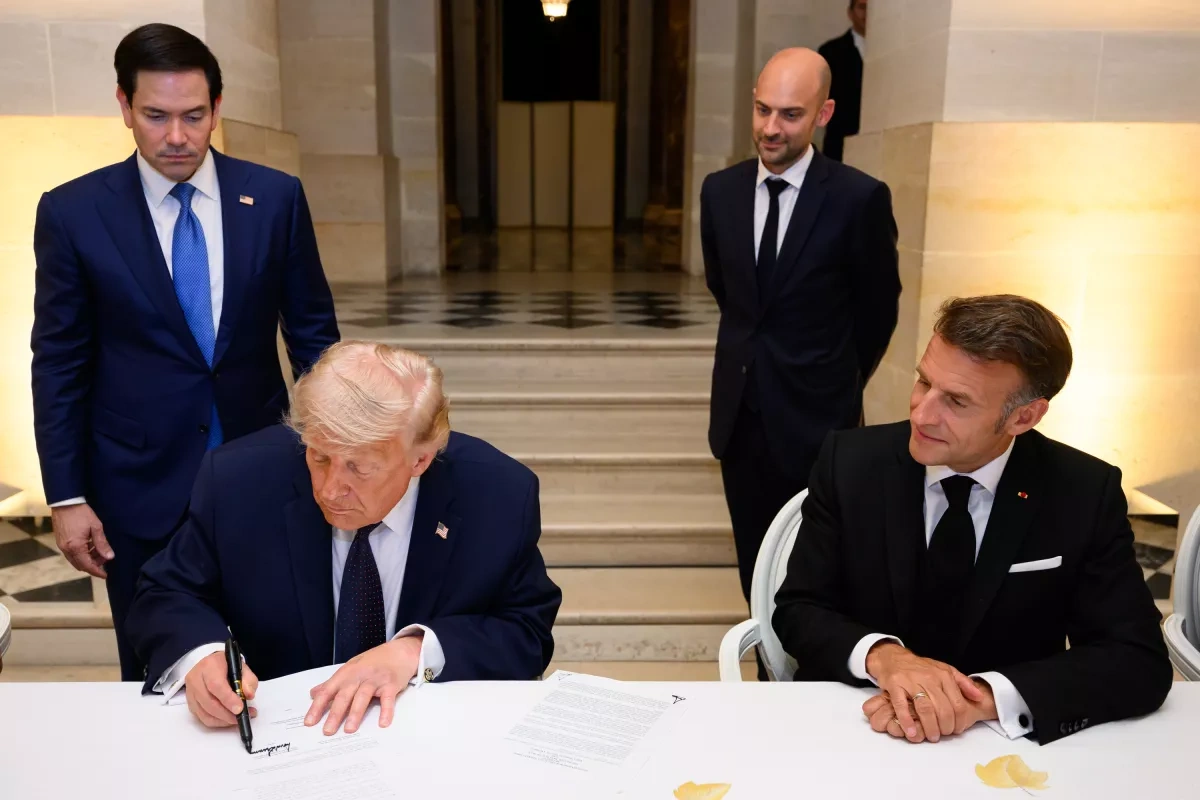
A strange peace — perhaps this is the most accurate way to describe the current state of the US–Iran confrontation. Leaders of the G7, who met in Évian, reportedly travelled to Paris, where US President Donald Trump signed a memorandum of understanding with Iran. The document outlines preliminary agreements aimed at ending the conflict and is intended to open the way for broader negotiations on a comprehensive settlement.
President Emmanuel Macron’s expression at the signing reportedly suggested that the American president was signing, in effect, an act of capitulation — especially given that the event took place at the Palace of Versailles. Some analysts indeed interpret the development in similar terms.
It should be noted that the parties have not officially published the text of the memorandum. Therefore, discussion is based only on the 14 points that have appeared in international media. A review of these points does give the impression that Iran has achieved a significant breakthrough. We will not list all 14 items, as they have already been widely circulated. In brief, five of them are to be implemented immediately after signing and are not subject to further negotiation. These include: the immediate and final cessation of hostilities on all fronts, including Lebanon; the lifting of the US maritime blockade on Iran; Iran’s reopening of the Strait of Hormuz; US permission for Iran to trade in oil and petroleum products; and, finally, the unfreezing of Iranian assets.
All other issues contained in the memorandum, including Iran’s nuclear programme, are to be discussed in a subsequent phase and incorporated into a final agreement expected within 60 days. Notably, the memorandum makes no reference to Iran’s missile programme.
As we can see, everything looks as if the United States has not only failed to achieve one of the main objectives of the war — forcing Iran to abandon its missile programme — but has also had to lift economic sanctions almost for nothing. However, it is still too early to speak of Iran’s full triumph until the final agreement is signed. For example, the lifting of US sanctions could prove temporary if, during the subsequent phase, Tehran fails to agree to specific steps on the denuclearisation of Iran.
For now, the situation appears to be a major pause, necessary for both sides. For the Americans — more precisely, the Republicans — it is needed to prepare for the midterm elections to Congress, as well as to ensure that tensions do not overshadow a major global sporting event. For the Iranian elite, it is necessary to manage internal restructuring and redistribution of powers.
Given that US midterm elections are scheduled for November, it can be assumed that the so-called 60-day timeline may prove flexible and extend towards the end of the year. Or perhaps not — in which case Trump could present a final peace agreement as his own triumph. The key point is peace — regardless of its cost.
However, Israel remains an important factor. For Tel Aviv, the clause on ending the war in Lebanon and the absence of any reference to Iran’s missile programme are unacceptable. The question is whether Israel has sufficient leverage to push Washington back onto a