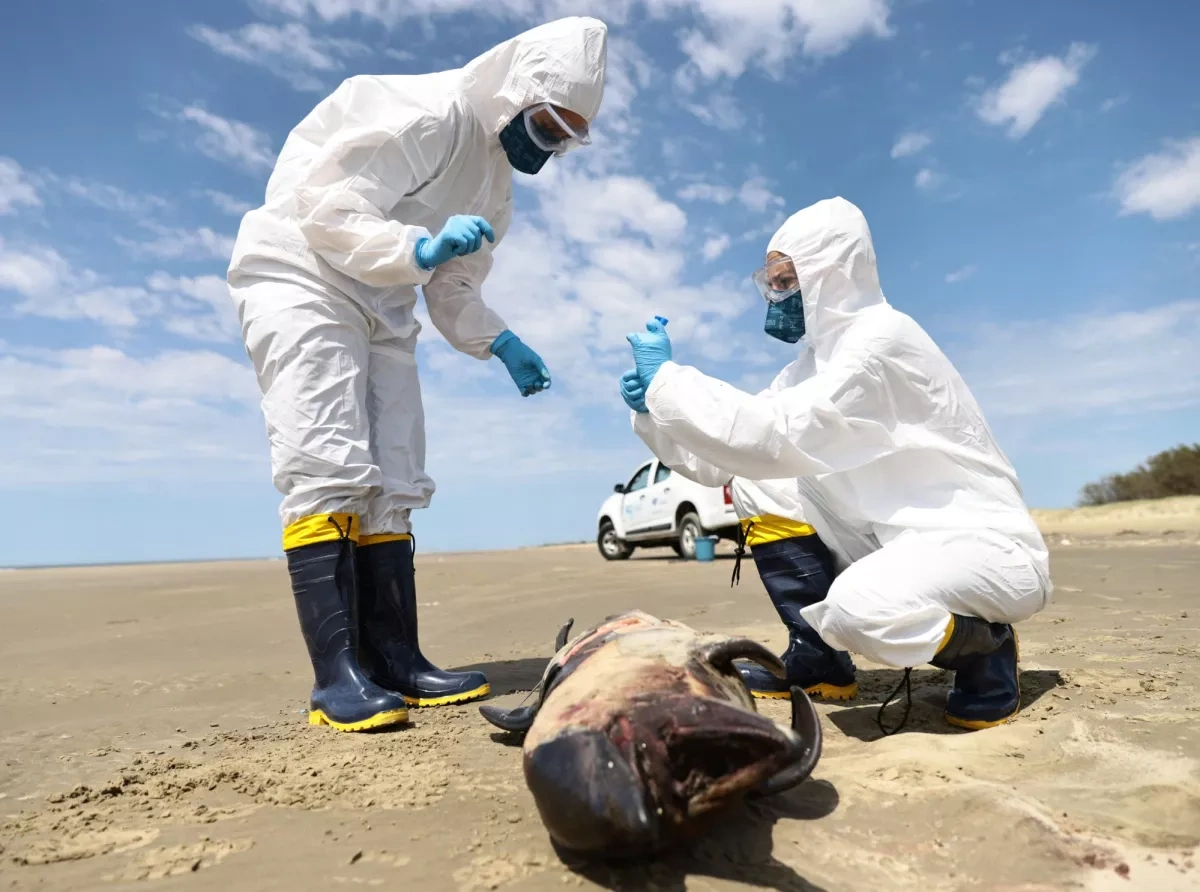
New Zealand is stepping up biosecurity preparedness following the detection of a highly
The case, involving the 2.3.4.4b strain of H5N1, was confirmed in a migratory seabird in Australia, with a nearby giant petrel also suspected of infection, Caliber.Az reports via foreign media.
Authorities have reported no cases in poultry and no abnormal mass bird deaths so far.
Officials in New Zealand said government agencies have increased monitoring and readiness measures in response to the development.
Minister for Biosecurity and Food Safety Andrew Hoggard said surveillance efforts had been strengthened across departments.
"Since the H5N1 strain of bird flu started spreading around the world, New Zealand's geographical isolation has protected us and given us time to prepare," Hoggard said.
He added that the authorities are maintaining close coordination with Australian counterparts as the situation develops.
"We are watching the situation closely and remain in close contact with Australian authorities," Hoggard said, adding New Zealand cannot prevent the virus from arriving via wild birds and that eradication would be unlikely if it establishes in native populations.
Officials stressed that there is no risk to food safety and that the threat to human health remains low, but urged farmers, backyard poultry owners and people spending time outdoors to maintain strict biosecurity practices and report any unusual clusters of sick or dead birds.
By Aghakazim Guliyev