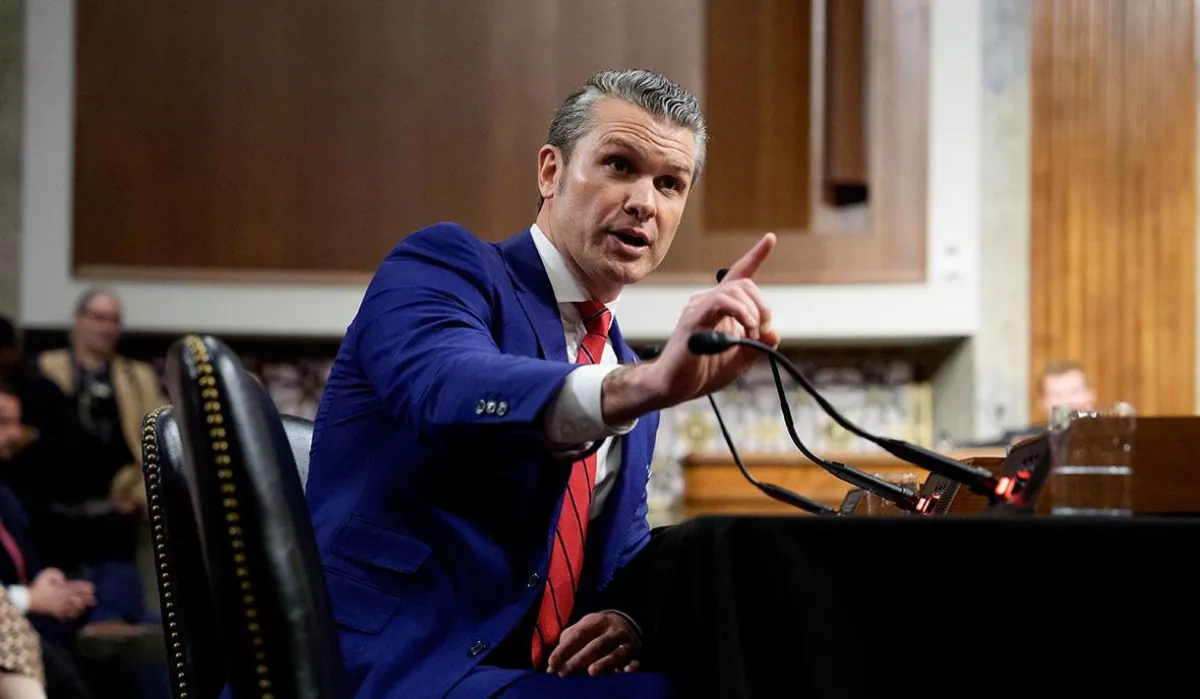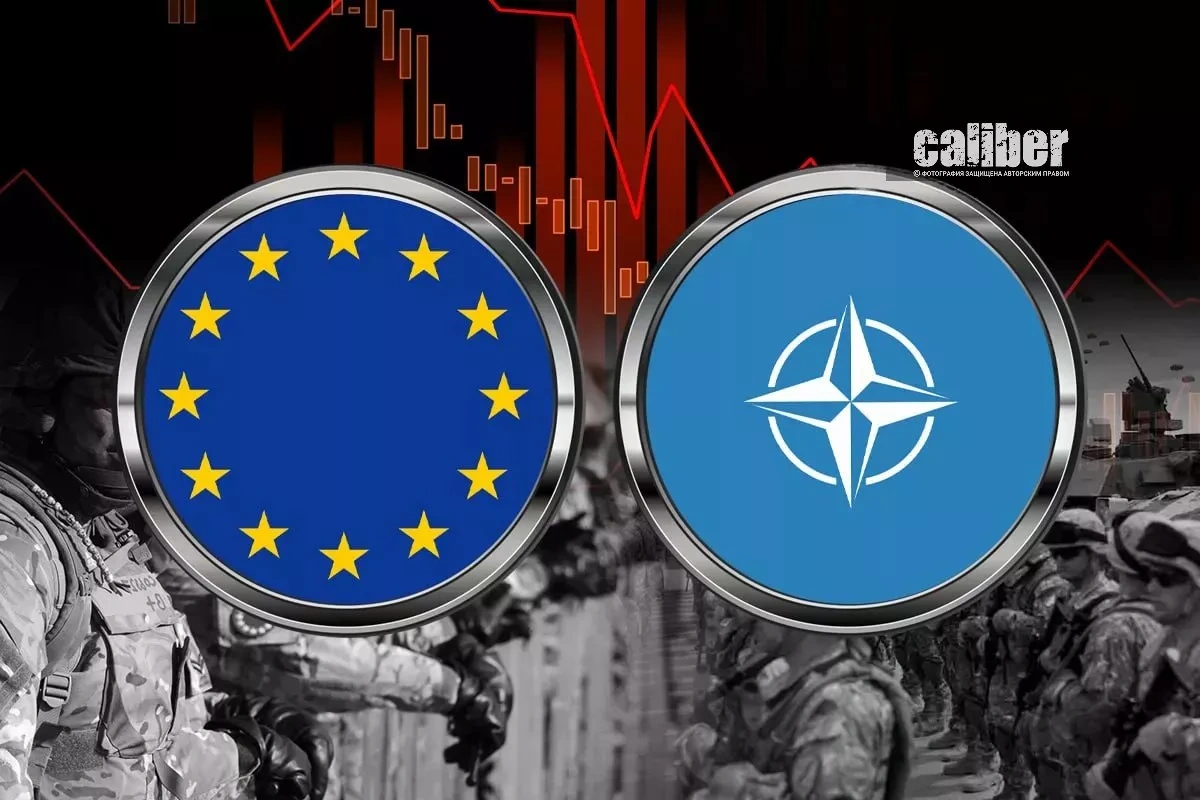
US Secretary of Defense Pete Hegseth delivered sharp criticism of European allies ahead of the meeting of NATO defence ministers in Brussels, stating that the Alliance needs to return to being a “real military alliance” with “real deterrence” capabilities.
According to him, US President Donald Trump had previously tested allies’ willingness to support Washington on security issues, but “too many failed it.”
Hegseth stressed that the United States has spent decades ensuring Europe’s protection, but in his view, the situation now requires a redistribution of responsibility within the Alliance. He stated that NATO should take a more active role in Europe’s conventional defence and act more firmly on security matters.
The minister also said that, together with NATO Secretary General Mark Rutte and Donald Trump, a concept of “NATO 3.0” is being developed, which is intended to reflect changes in global security after the end of the Cold War.
Hegseth separately noted that the United States will continue to press Alliance members to increase defence spending, both in public and in closed-door negotiations. According to him, by 2027, US military spending could reach $1.5 trillion and will be directed toward creating a so-called “arsenal of freedom.”
What might the future of the North Atlantic Alliance look like? Will Europeans be able to agree on expanding NATO’s role in ensuring Europe’s defence? Can the Alliance be expected to become more mobile and act more decisively?
Leading experts shared their assessments with Caliber.Az on these issues.
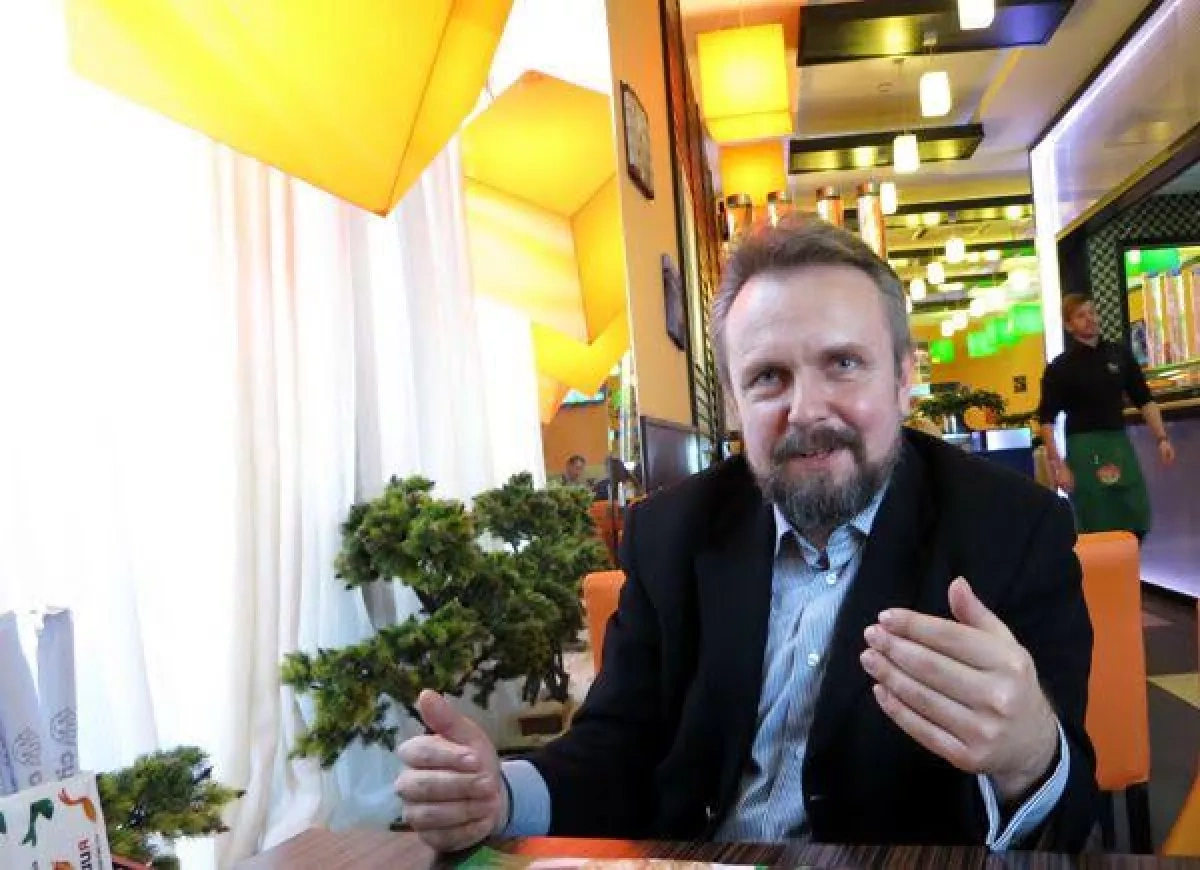
The Chairman of the Board of the Eastern Europe Security Institute (Kyiv), Anatolii Pinchuk, does not expect NATO’s role in Europe to be strengthened under the current US administration.
“Most likely, after the G7 summit, although it is not directly related to NATO, some changes can be expected in the internal structure of interaction between the Alliance member states, as well as the removal from the agenda of risks associated with a possible US withdrawal from NATO.
The concept of ‘NATO 3.0’ is more about improving efficiency rather than a global transformation. I consider it possible that European defence unions may emerge within the NATO framework, including with Ukraine’s participation, as well as an increase in the European Union’s independent actions to ensure its own security,” Pinchuk said.
American expert Irina Tsukerman believes that NATO’s future is linked not to the alliance’s survival, but to its transformation.
“Today in Washington, there is no longer a debate about whether the North Atlantic Alliance is needed. The discussion is about what exactly it should look like in an era when the United States is simultaneously competing with China, seeking to maintain global military superiority, and facing growing budgetary obligations around the world. Pete Hegseth’s statements reflect precisely this debate. This is not about the US leaving Europe, but about a redistribution of responsibilities within the Alliance.
For decades, European security was built around American military power. This model emerged during the Cold War, when the United States viewed the defence of Europe as a key element of confrontation with the Soviet Union. After the collapse of the USSR, many European states gradually began reducing their armies, defence budgets, and defence industries, redirecting resources toward social programmes, economic modernisation, and environmental projects.
The conflict in Ukraine has shattered these assumptions. European governments have been forced to rebuild what had been reduced over decades. Military budgets can be increased quickly, but restoring production capacity, training personnel, and creating new military capabilities takes many years
Washington is effectively signalling that the era of near-unconditional security guarantees is gradually coming to an end. The United States remains willing to provide leadership, but it expects Europeans to assume significantly greater responsibility for their own defence.
Today, European countries are far more prepared for this conversation than they were five or ten years ago. Even states that have traditionally been sceptical about increasing military spending now acknowledge the need to strengthen their armed forces.
As a result, the likelihood of NATO playing an even greater role in Europe’s defence is quite high. In fact, this process is already underway. The key question is how quickly political decisions can be translated into real military capabilities.
At the same time, creating a fully autonomous European security system outside NATO appears to be an extremely difficult undertaking. Europe’s largest states continue to depend on American intelligence capabilities, strategic air power, satellite infrastructure, missile defence systems, transport logistics, and nuclear deterrence.
Therefore, the most likely scenario remains one in which European defence is strengthened through NATO mechanisms. European Union structures may play an important coordinating role in financing, industrial policy, and joint procurement, but the military core will remain within the Alliance.
Following 2022, the Alliance began restructuring its operational planning system. Considerably greater emphasis has been placed on the rapid deployment of forces, the pre-positioning of military equipment, interoperability of weapons systems, the modernisation of transport infrastructure, and the training of reserve forces.
For many years, NATO was primarily focused on crisis management and limited expeditionary operations. It is now returning to the logic of large-scale territorial defence. This represents a fundamental shift in the organisation’s entire military philosophy.
In the coming years, we can expect the emergence of larger permanent force deployments on the eastern flank. Stockpiles of weapons and equipment will be expanded, coordination among national armed forces will be strengthened, and the number of large-scale military exercises will increase.
However, military mobility in itself does not automatically translate into political resolve. NATO remains an alliance of sovereign states, each with its own interests, domestic political considerations, and differing perceptions of threats.
Poland, the Baltic states, and Finland perceive security threats differently from the countries of Southern Europe. France seeks to preserve its strategic autonomy, Germany is reassessing its role in the security sphere, while Türkiye is guided by its own regional priorities.
Therefore, NATO of the future may become significantly stronger militarily, but that does not mean its internal contradictions will disappear. As defence spending rises and commitments expand, political disputes among allies may even intensify.
This is particularly true of the defence industry. The Alliance’s real strength is determined not by the number of political declarations it issues, but by its ability to produce weapons and military equipment during a prolonged crisis.
The war in Ukraine has demonstrated that modern conflicts require enormous quantities of ammunition, missiles, drones, electronic warfare systems, and air defence capabilities. If European states succeed in rebuilding and expanding their defence-industrial base, NATO will gain a qualitatively new level of capability. Otherwise, many of its ambitious plans will remain little more than words on paper.
Therefore, ‘NATO 3.0’ most likely refers to a transition from the Alliance’s post-Cold War model to a structure designed for long-term great-power competition.
Such a NATO will place far greater emphasis on combat readiness, military production, logistical resilience, the protection of critical infrastructure, space-based systems, cybersecurity, and the integration of emerging technologies.
At the same time, expectations that a unified military-political structure could emerge—free from national disagreements and capable of acting like a single state—appear unrealistic. The Alliance may become more military-focused, more demanding, and more oriented toward practical capabilities, but it will remain a coalition of states, each continuing to bring its own interests, constraints, and political calculations to the common strategy,” Tsukerman believes.