BAKU, Azerbaijan, June 17. Kazakhstan detailed
a comprehensive optimization plan for 2026–2030 targeting state and
quasi-state assets with a combined revenue of 3.4 trillion tenge
($6.9 billion).
This is reflected in an official statement issued by the press
service of the President of Kazakhstan.
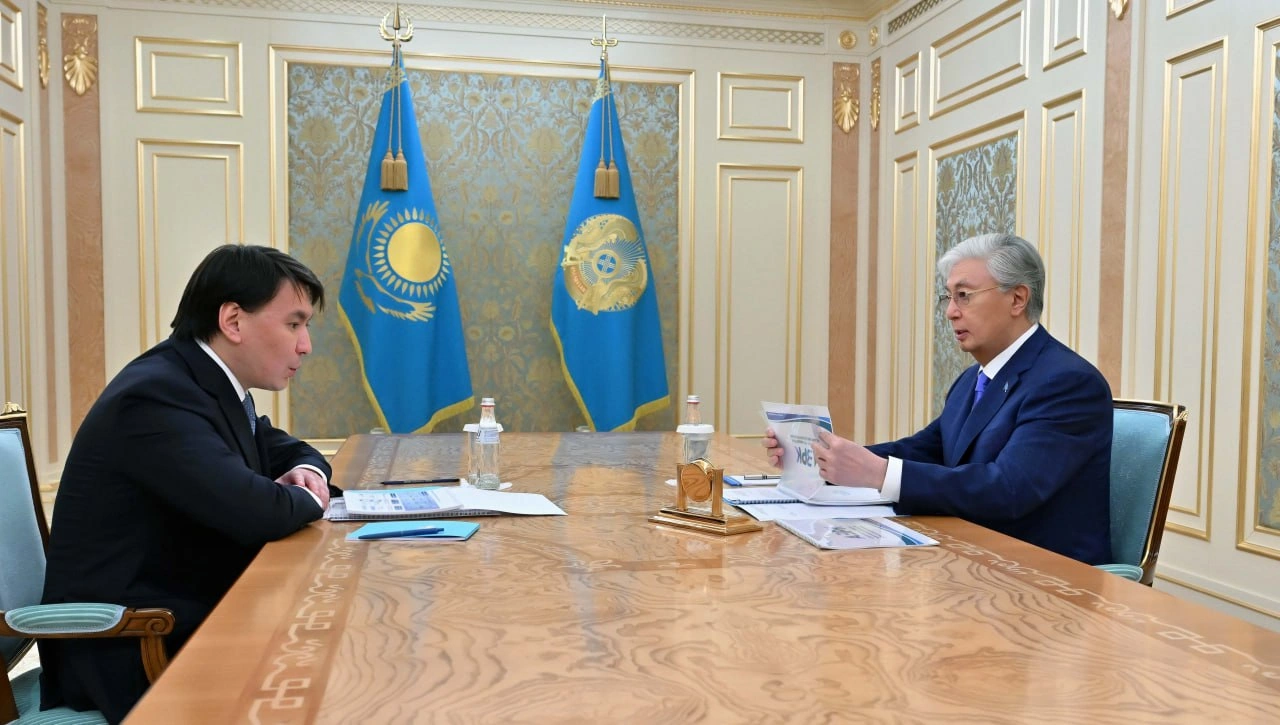
According to the statement Chairman of the Agency for Protection
and Development of Competition Marat Omarov has reported to
President Kassym-Jomart Tokayev on the progress of the economic
liberalization decree.
"With the direct participation of the National Privatization
Office, the Plan for the Optimization of Quasi-State Sector
Entities and State Property Objects for 2026–2030 has been
approved. The total revenue of the assets being transferred to the
competitive environment amounts to 3.4 trillion tenge ($6.9
billion)," Omarov reported.
According to the agency head, systematic efforts are underway to
shrink the state's footprint in the economy and remove market
barriers for private enterprises. The briefing highlighted a
successful overhaul of the public procurement system, which
effectively slashed single-source procurement from 39% down to 24%.
This reform successfully expanded the volume of open, competitive
bidding to a range of 6.2 trillion ($12.6 billion) to 8.1 trillion
tenge ($16.5 billion) within the total budget allocations.
Furthermore, Omarov informed the President about new regulatory
frameworks designed for the digital economy, the elimination of
unproductive intermediaries on key commodity markets, and the
drafting of a sixth package of legislative antitrust amendments
focusing on seven systemic directions.
Following the presentation, President Tokayev gave the agency
chairman a series of specific instructions. He emphasized that
strict antimonopoly controls must be maintained on highly
concentrated markets, instructing the regulator to persistently
lower state participation across competitive sectors to guarantee
entrepreneurial freedom and a level playing field for domestic
businesses.