Geoengineering—the deliberate large-scale manipulation of the Earth's climate through technologies such as solar radiation management, carbon dioxide removal and cloud seeding—is no longer viewed solely as a scientific response to global warming. Increasingly, policymakers and security experts are beginning to see it as a geopolitical tool with the potential to reshape international relations.
As climate instability intensifies alongside growing rivalry between major powers, Geopolitical Monitor examines what happens when the Earth's atmosphere itself becomes a contested geopolitical space.
While these technologies could help slow global warming, stabilize food and water supplies and reduce the risk of catastrophic climate tipping points, analysts warn they could also open an entirely new arena of strategic competition.
Environmental challenges are already becoming deeply intertwined with national security. Food insecurity, water shortages, migration pressures and competition over natural resources are no longer viewed as purely environmental issues—they are increasingly influencing diplomacy, defence planning and global power dynamics.
Against that backdrop, the prospect of deliberately altering the planet's climate is attracting growing political and strategic attention.
The publication argues that geoengineering could deepen mistrust between states, encourage unilateral climate intervention in the absence of credible international governance and create entirely new forms of geopolitical leverage. Measures intended to protect one country could unintentionally disrupt rainfall, agriculture or water supplies elsewhere, fuelling accusations of environmental manipulation and hostile intent.
The prospect raises fundamental questions: Who decides when intervention in the Earth's climate is justified? Who bears responsibility for unintended consequences? And what happens if states begin treating the atmosphere not as a shared global commons but as a strategic asset?
Manipulating weather patterns
Interest in geoengineering has accelerated significantly since the mid-2000s and gained further momentum following the 2015 Paris Agreement, as governments and researchers increasingly discuss it as a possible climate "Plan B" should emissions reductions fail to limit global warming.
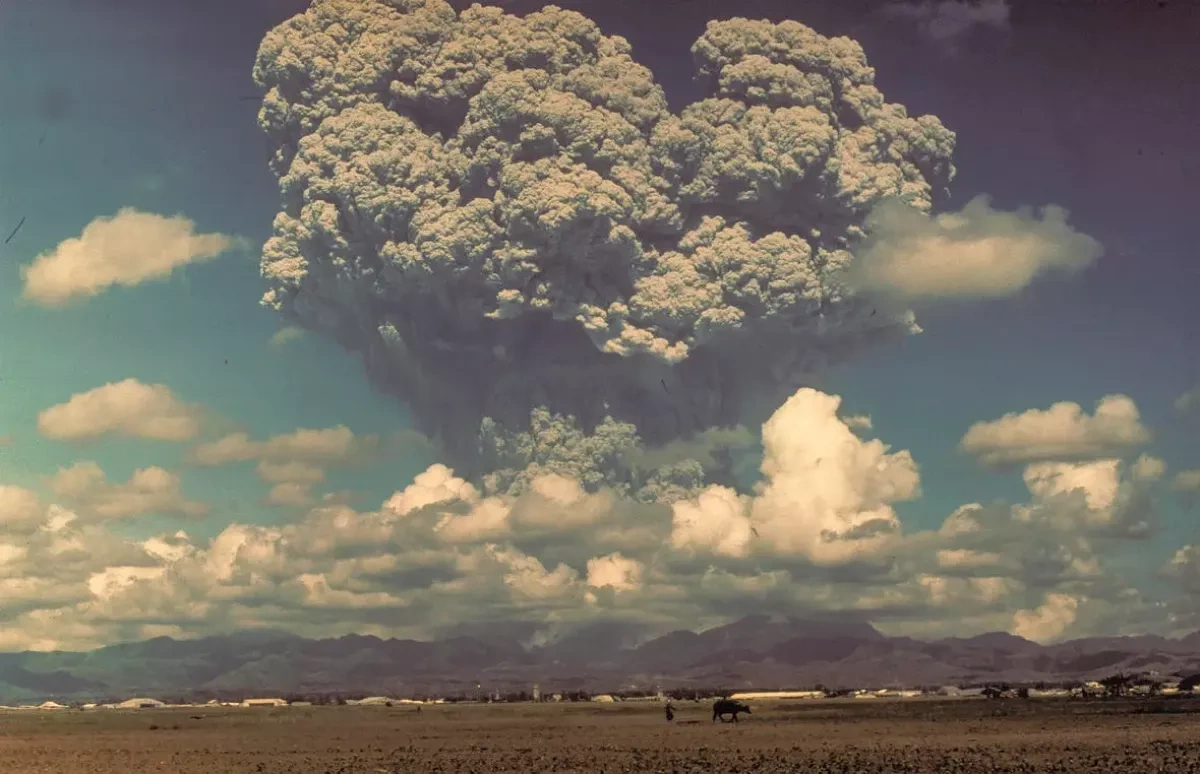
Among the most closely studied approaches is solar radiation management (SRM), particularly Stratospheric Aerosol Injection (SAI), which involves releasing reflective particles into the upper atmosphere to imitate the cooling effect of volcanic eruptions.
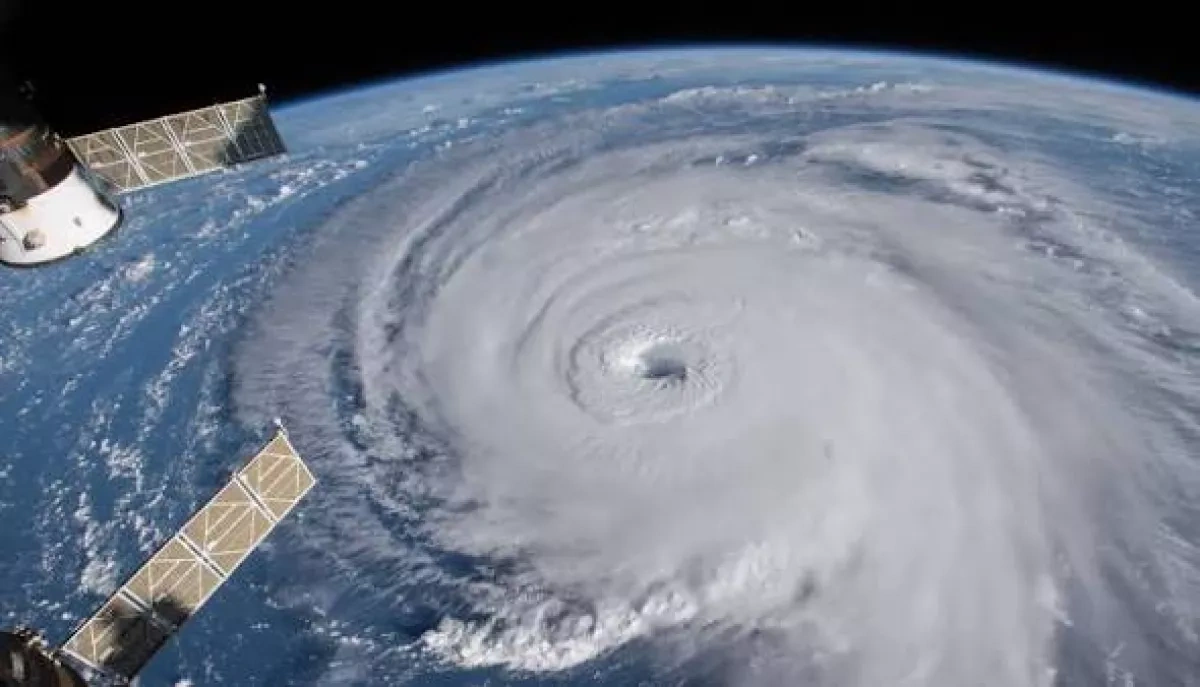
Researchers believe the technique could temporarily reduce global temperatures, slowing ice-sheet melt, limiting sea-level rise and reducing the severity of heatwaves and hurricanes. Such effects could lower infrastructure damage, reduce heat-related deaths and help protect vulnerable ecosystems, including coral reefs.
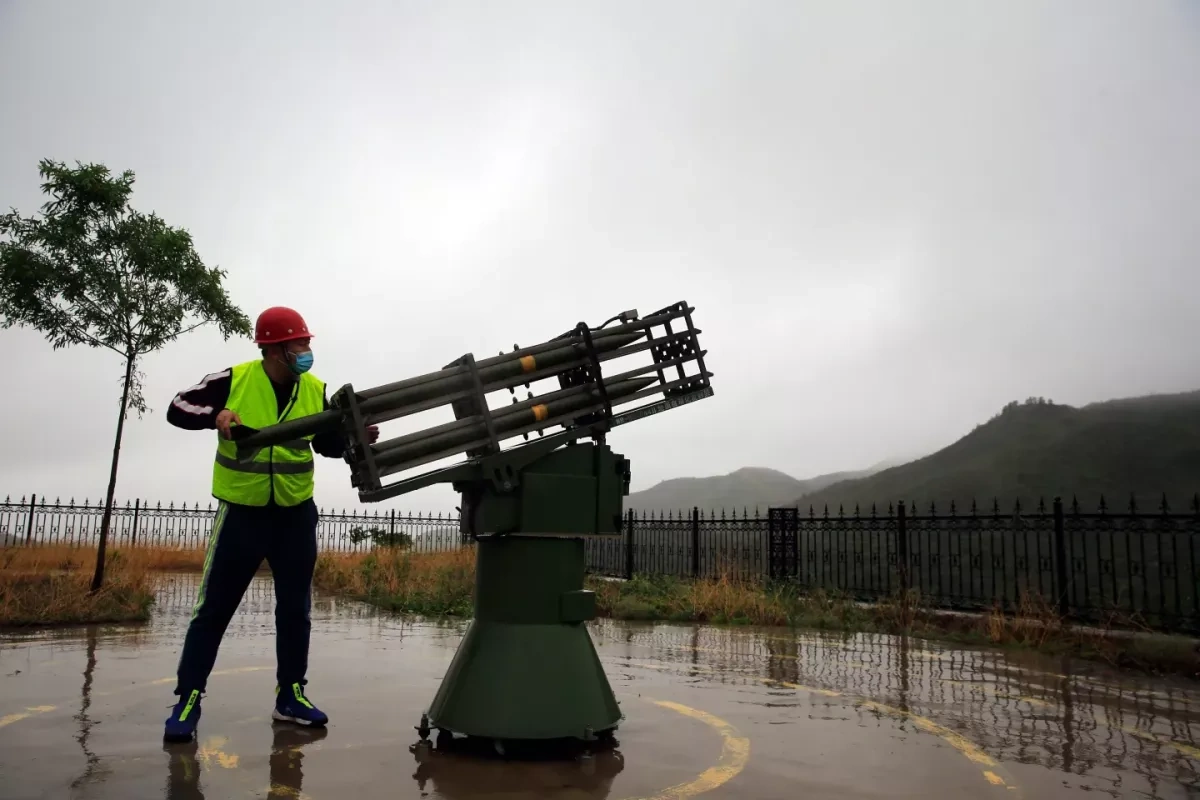
Some forms of weather modification are already being used today by local administrations. Cloud seeding, which disperses silver iodide or other particles into clouds to encourage rainfall, is practiced by dozens of countries. Historical examples include the United States' covert Operation Popeye during the Vietnam War, which sought to extend the monsoon season and disrupt enemy supply routes, and China's reported weather modification efforts ahead of the 2008 Beijing Olympics.
As water scarcity becomes more severe, governments may increasingly view rainfall modification as a strategic necessity to replenish reservoirs, protect agriculture, strengthen food security and potentially reduce the spread of climate-sensitive diseases.
From climate conflict to weather warfare
Despite its potential benefits, geoengineering carries significant ecological, political and strategic risks.
Climate interventions designed to cool the planet could trigger unintended regional consequences. One of the greatest concerns is the possibility of a so-called "termination shock"—a sudden halt to a geoengineering programme caused by war, sabotage or economic collapse—which could unleash rapid warming after years of artificially suppressed temperatures.
Because most geoengineering technologies remain largely untested at scale, scientists still have limited understanding of their long-term consequences.
Critics also argue that the promise of future climate engineering could weaken efforts to reduce greenhouse gas emissions today by encouraging governments to rely on uncertain technological solutions instead of cutting pollution.
As futurist Jamais Cascio argues, geoengineering's "differential impact and relatively low cost" make international conflict over its use difficult to avoid, particularly if countries begin to view "the planet itself" as a strategic instrument.
Even supporters acknowledge that any planetary-scale intervention would require governance mechanisms comparable to those developed for nuclear weapons.
Uncontrolled side-effects
Perhaps the greatest geopolitical challenge is that weather and climate systems do not respect national borders.
Efforts to increase rainfall in one country could unintentionally reduce precipitation elsewhere, potentially leading neighbouring states to accuse one another of environmental coercion.
The risks are particularly acute in politically sensitive regions such as the Nile Basin or the Mekong River, where disputes over shared water resources already exist. In such regions, cloud seeding or other forms of atmospheric intervention could quickly become a source of diplomatic confrontation.
Solar geoengineering could generate similar tensions in the Arctic, where countries may accuse rivals of deliberately influencing ice melt, shipping routes, fisheries or access to natural resources.
According to Geopolitical Monitor, China's expanding weather modification programmes—including operations over the Tibetan Plateau—have already prompted concerns among neighbouring countries over potential impacts on shared river systems and monsoon patterns.
Likewise, recurring tensions between India and Pakistan illustrate how environmental stress can rapidly become a national security issue, underscoring the possibility that future climate interventions could become another source of geopolitical rivalry rather than international cooperation.
By Nazrin Sadigova